
The acquisition of real estate in Florida is a significant financial undertaking, and understanding the legal instruments that govern property ownership is paramount. Among these, the warranty deed stands out as a crucial document, offering a high level of protection to the buyer. This article will delve into the intricacies of what a warranty deed is in Florida, its implications for property transactions, and why it is the preferred choice for many real estate purchasers.
Understanding the Fundamentals of Deeds
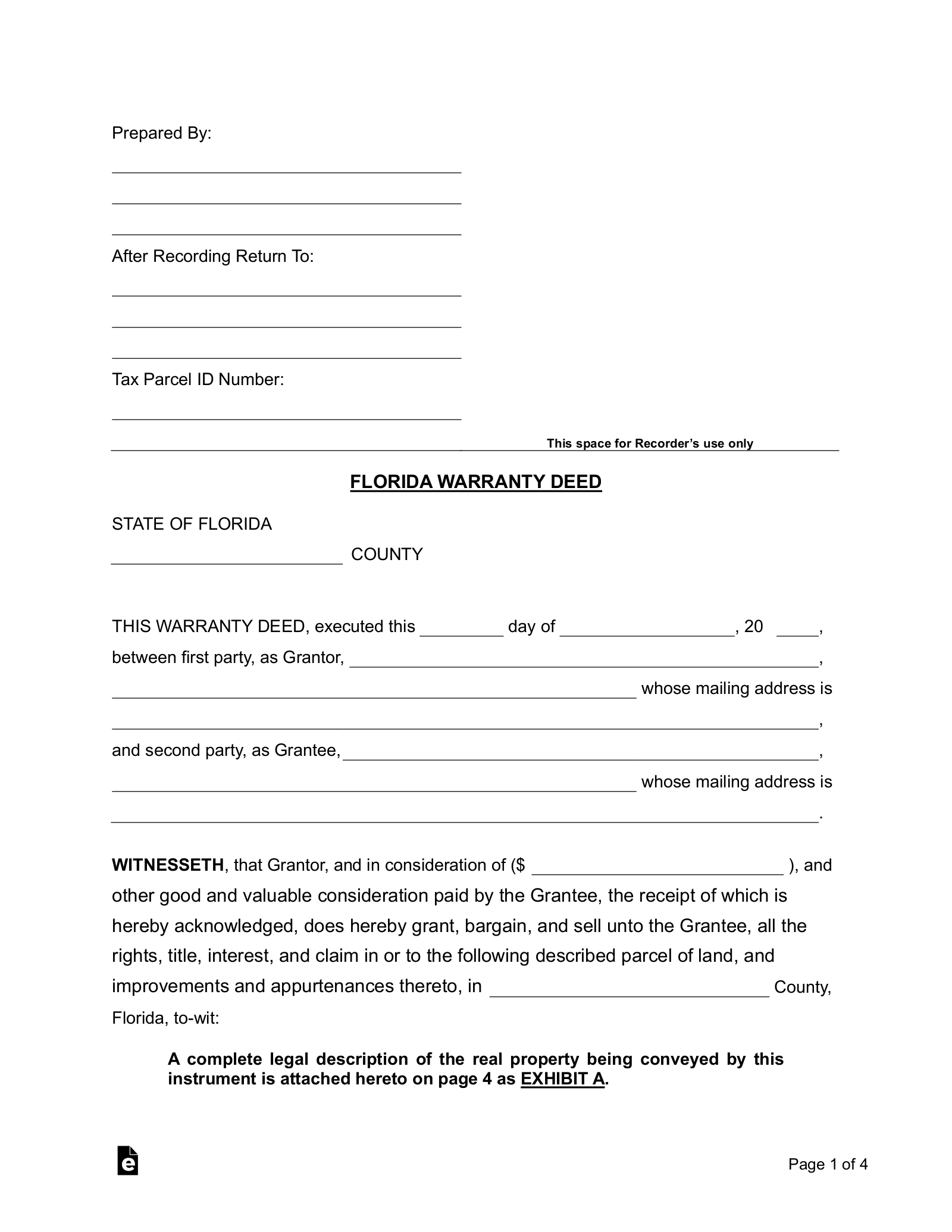
Before dissecting the specifics of a warranty deed, it’s essential to grasp the general concept of a deed in real estate. A deed is a legal document that transfers ownership of real property from one party (the grantor) to another (the grantee). It serves as undeniable proof of ownership and outlines the terms and conditions under which the property is being conveyed. While various types of deeds exist, each with its own set of guarantees and protections, the warranty deed offers the most comprehensive assurances.
The Purpose and Function of Deeds
At its core, a deed is the instrument that officially records and validates a change in property ownership. It is a physical (or, in modern practice, often digital) representation of the legal transfer. When a property is sold, gifted, or otherwise conveyed, a deed is executed by the grantor and delivered to the grantee. This document contains a precise description of the property, the names of the parties involved, and the intention to transfer ownership. Without a properly executed and recorded deed, the transfer of title would be legally incomplete and potentially contentious.
Different Types of Deeds in Florida
Florida law recognizes several types of deeds, each offering varying degrees of protection to the grantee. Understanding these distinctions is crucial for both buyers and sellers to ensure they select the appropriate document for their transaction.
General Warranty Deed
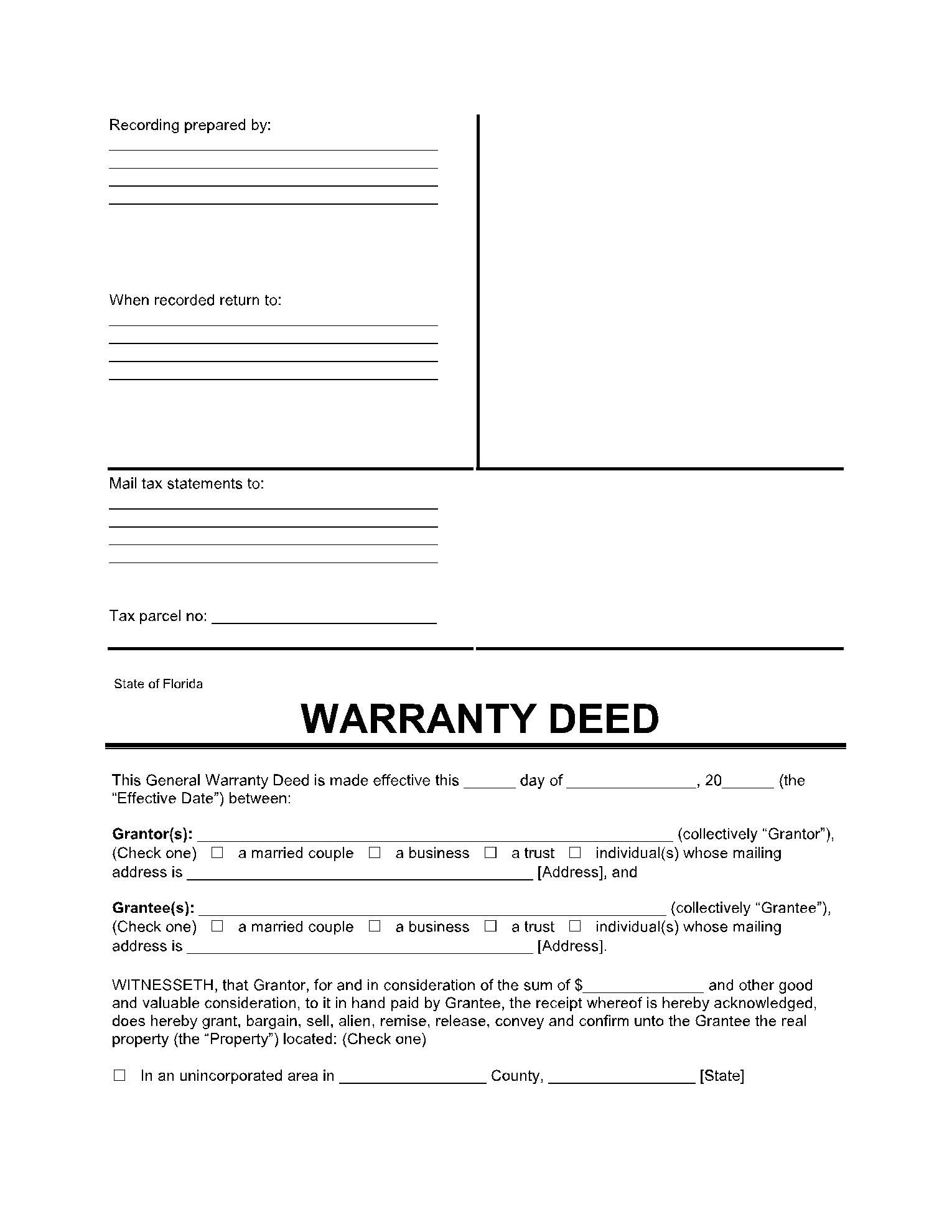
This is the most common and secure type of deed for buyers. It provides the highest level of protection because the grantor warrants or guarantees that they hold clear title to the property and that the property has not been encumbered by any defects, liens, or claims against it, either during the grantor’s ownership or by previous owners.
Special Warranty Deed
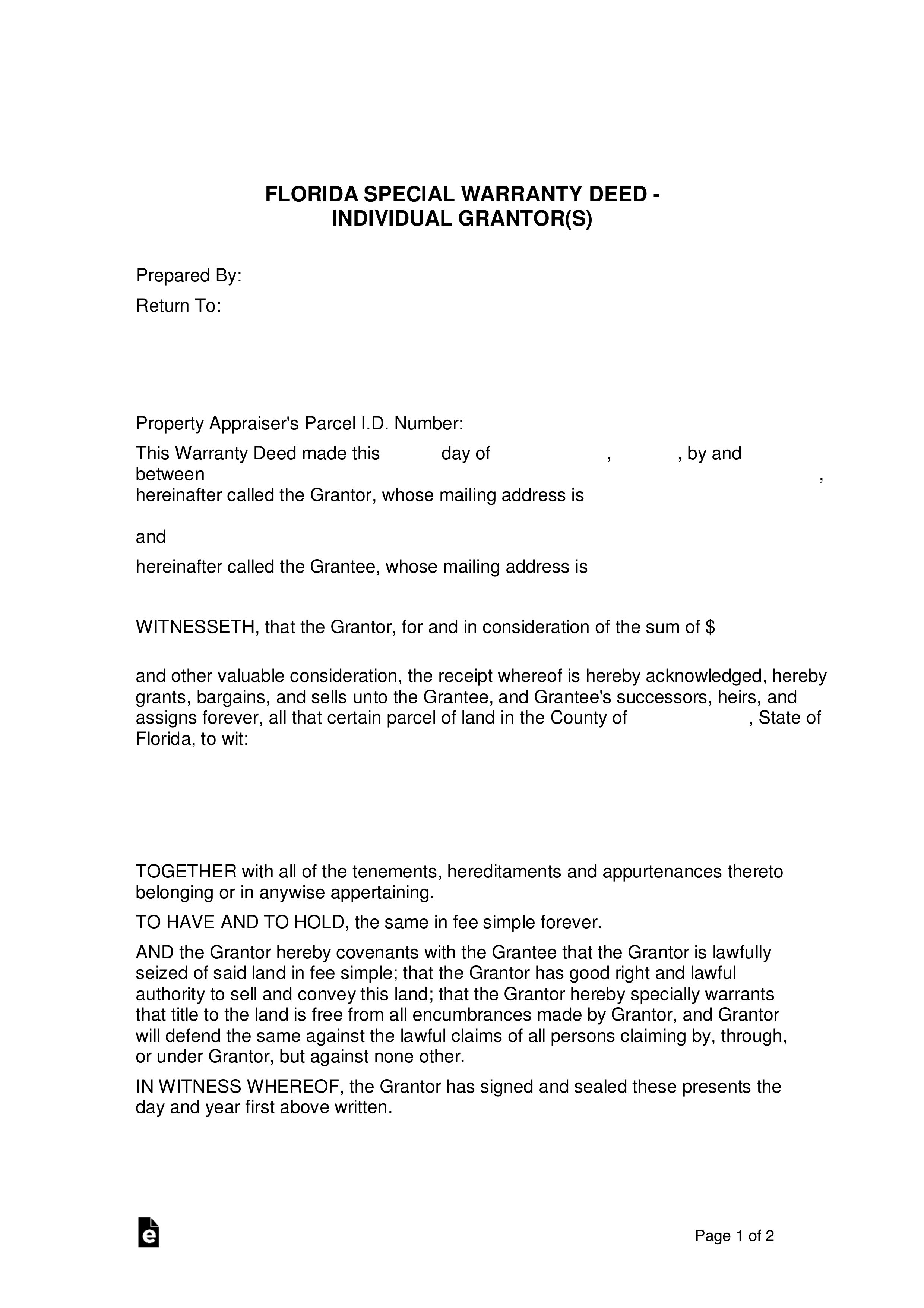
In a special warranty deed, the grantor warrants only against defects in title that arose during their specific period of ownership. They do not guarantee against any claims or encumbrances that existed before they acquired the property. This type of deed is often used in commercial transactions or when a grantor is acting in a fiduciary capacity, such as a trustee or executor.
Quitclaim Deed
A quitclaim deed offers the least protection to the grantee. The grantor transfers whatever interest they may have in the property, but they make no promises or guarantees about the title. If the grantor has no valid interest in the property, the grantee receives nothing. Quitclaim deeds are often used to clear up title defects, transfer property between family members, or in divorce settlements.
Bargain and Sale Deed
A bargain and sale deed is less common in Florida residential transactions but is sometimes seen in other contexts. It implies that the grantor has title to the property and the right to convey it, but it doesn’t contain any specific warranties against defects in the title. The buyer essentially assumes the risk of any title issues.
The Warranties Embedded in a Florida Warranty Deed
The defining characteristic of a warranty deed in Florida is the set of assurances, or warranties, that the grantor provides to the grantee. These warranties are legally binding and offer significant recourse for the buyer should any title defects arise.
The Covenant of Seisin
This is arguably the most fundamental warranty in a general warranty deed. The grantor covenants that they are, in fact, the rightful owner of the property and possess the legal right to sell it. This means they have a valid title that they are transferring. A breach of this covenant would occur if the grantor did not actually own the property they were selling.
The Covenant Against Encumbrances
The grantor guarantees that there are no liens, easements, mortgages, or other claims against the property that would diminish its value or interfere with the grantee’s full use and enjoyment. This protects the buyer from unexpected financial obligations or restrictions on their property rights that were not disclosed or agreed upon. Examples include unpaid property taxes, outstanding mortgages, or unreleased liens.
The Covenant of Quiet Enjoyment
This warranty ensures that the grantee’s possession of the property will not be disturbed by any third party asserting a superior title. Essentially, the grantor promises that no one will come forward with a valid claim to the property that would evict or legally challenge the new owner.
The Covenant of Further Assurance
This is a promise by the grantor to take any necessary actions to perfect the title they are conveying. If a defect is discovered after the sale that the grantor could rectify, they are obligated to do so. This might involve executing additional documents or taking legal steps to clear up a title issue.
The Covenant of Warranty
This is the broadest and most significant warranty. The grantor explicitly agrees to defend the grantee’s title against any lawful claims made by any person or entity, from the beginning of time up to the date of the deed. If a title defect is discovered, the grantor is obligated to defend the grantee, and if they are unsuccessful, they must compensate the grantee for any losses incurred.
Why a Warranty Deed is Crucial for Florida Property Buyers
For individuals or entities purchasing real estate in Florida, opting for a warranty deed is a wise decision that safeguards their investment. The robust protections it offers mitigate significant financial and legal risks.
Protecting Your Investment Against Title Defects
The primary benefit of a warranty deed is the protection it provides against undisclosed title defects. These defects can manifest in various ways, such as:
- Unpaid Mortgages or Liens: Previous owners may have left outstanding debts secured by the property, which can become the new owner’s responsibility if not properly cleared.
- Easements or Rights-of-Way: These grant others the right to use a portion of the property for a specific purpose (e.g., utility lines, access roads), which could limit the buyer’s use.
- Boundary Disputes: Disagreements over property lines can lead to costly legal battles and affect the usable area of the land.
- Fraudulent Conveyances: In rare cases, a previous owner might have transferred title improperly, creating a cloud on the title.
- Heirship Claims: If a property was inherited, unknown heirs might emerge with a claim to the property years later.
A warranty deed puts the onus on the grantor to ensure these issues are resolved or to compensate the buyer if they arise.
The Role of Title Insurance in Conjunction with a Warranty Deed
While a warranty deed offers strong legal recourse, it is almost always recommended to obtain title insurance when purchasing property in Florida, especially when a warranty deed is used. Title insurance is a policy that protects the lender and the owner against financial loss arising from defects in the title that were not discovered or disclosed at the time of the policy’s issuance.
The title insurance company conducts a thorough title search before issuing a policy. They examine public records for any potential issues. If a problem is found, the title company will either resolve it before closing or exclude it from coverage. If an undiscovered defect arises after the sale that is covered by the policy, the title insurance company will defend the owner’s title or compensate them for their losses.
Essentially, title insurance acts as a financial backstop. If a lawsuit arises due to a title defect, and the grantor of the warranty deed is unable or unwilling to defend the title or compensate the buyer, the title insurance policy will step in. This dual layer of protection – the legal warranties of the deed and the financial protection of insurance – provides the highest level of security for a real estate buyer.
The “Peace of Mind” Factor
Beyond the legal and financial implications, a warranty deed offers invaluable peace of mind. Knowing that the seller has legally guaranteed the soundness of the title allows the buyer to proceed with the purchase and enjoy their new property with confidence. It eliminates the nagging worry that a hidden title defect could surface years down the line and jeopardize their ownership or financial investment.
The Process of Executing and Recording a Warranty Deed in Florida
The transfer of property using a warranty deed involves a formal legal process to ensure its validity and enforceability. This process typically involves several steps, from preparation to public record.
Drafting and Review of the Deed
The warranty deed must be meticulously drafted to accurately reflect the transaction. This includes:
- Identification of Parties: Full legal names and addresses of the grantor(s) and grantee(s).
- Legal Description of Property: A precise, unambiguous description of the real estate being transferred, usually including lot and block numbers, metes and bounds, or other official survey data.
- Consideration: The amount or value exchanged for the property.
- Granting Clause: Language clearly stating the grantor’s intent to convey the property.
- Habendum Clause: Specifies the nature of the estate being conveyed (e.g., fee simple).
- Warranties: The inclusion of the specific covenants of warranty.
- Signatures: The grantor(s) must sign the deed.
It is highly recommended that both parties, especially the buyer, have the deed reviewed by an independent real estate attorney to ensure it is correctly prepared and all warranties are as expected.
Notarization and Witnessing Requirements
In Florida, deeds must be signed by the grantor in the presence of a notary public. The notary then acknowledges the grantor’s signature and impresses their official seal on the document. Additionally, Florida law typically requires deeds to be signed by at least two witnesses who are not parties to the deed. These witnesses attest to the grantor’s signature. This process ensures the authenticity of the signature and prevents fraudulent transfers.
Recording the Deed with the County Clerk
Once executed and notarized, the warranty deed must be recorded with the Clerk of the Circuit Court in the county where the property is located. Recording provides public notice of the ownership change and establishes the grantee’s claim to the property against any subsequent claims or encumbrances. This step is critical. Until the deed is recorded, the transfer, while valid between the grantor and grantee, may not be fully protected against third parties. Recording typically involves paying a recording fee and documentary stamp taxes (also known as transfer taxes), which are a state and county tax levied on real estate transactions.
When Might a Warranty Deed Not Be the Best Option?
While a warranty deed is generally the most advantageous for buyers, there are specific circumstances where other deed types might be considered, or where the buyer may accept a different deed type due to the nature of the transaction.
Distinguishing Situations for Other Deed Types
- Foreclosure Sales or Tax Sales: Properties sold at foreclosure auctions or tax sales are typically conveyed by a deed that offers very limited or no warranties. The buyer assumes the risk of title defects.
- Estates and Trusts: When property is being transferred from an estate or trust, a personal representative or trustee might use a special warranty deed or a quitclaim deed, as they may not have sufficient personal knowledge of the property’s entire history to offer a general warranty.
- Gifts or Family Transfers: In situations where no money is exchanged and the parties have a high level of trust, a quitclaim deed might be used to simply transfer interest without warranties.
The Buyer’s Leverage and Negotiation
In a competitive real estate market, or when dealing with a seller who is unwilling or unable to provide a warranty deed, a buyer may have to negotiate or accept a different type of deed. However, in such scenarios, the buyer’s due diligence, particularly their title insurance coverage, becomes even more critical. The buyer’s attorney will play a vital role in advising on the risks associated with accepting a deed other than a general warranty deed.
In conclusion, a warranty deed in Florida is a cornerstone of secure property ownership. It represents a seller’s solemn promise that they are transferring clear and unencumbered title to the buyer. By understanding the warranties involved and diligently pursuing title insurance, Florida real estate buyers can significantly mitigate risks and ensure a sound and confident investment.
aViewFromTheCave is a participant in the Amazon Services LLC Associates Program, an affiliate advertising program designed to provide a means for sites to earn advertising fees by advertising and linking to Amazon.com. Amazon, the Amazon logo, AmazonSupply, and the AmazonSupply logo are trademarks of Amazon.com, Inc. or its affiliates. As an Amazon Associate we earn affiliate commissions from qualifying purchases.