
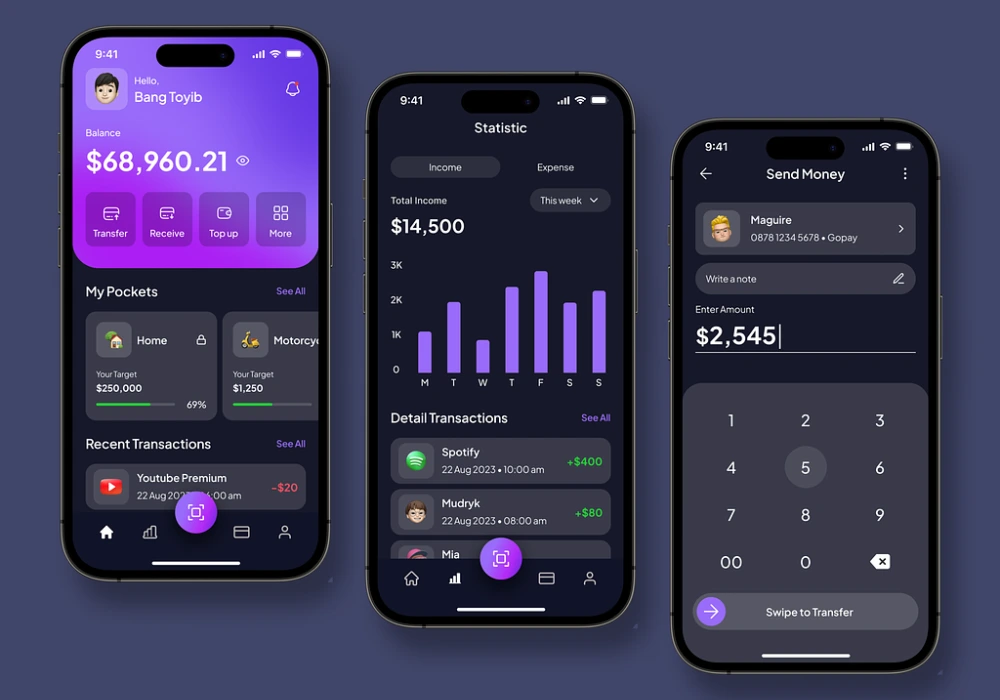
The traditional leather billfold, once a staple of human commerce for centuries, is rapidly being superseded by a more sophisticated, versatile, and secure counterpart: the wallet app. As we move deeper into a digitized global economy, the way we store, manage, and exchange value has undergone a fundamental transformation. A wallet app, at its most basic level, is a software application designed to store payment information and navigate financial transactions through a mobile device or computer. However, within the context of modern personal finance and business operations, it represents much more than a digital container for credit cards. It is a central hub for financial identity, asset management, and the execution of complex economic strategies.

Understanding what a wallet app is—and how to utilize it effectively—is no longer optional for those seeking to maintain financial literacy in the 21st century. These tools have democratized access to various financial instruments, ranging from traditional fiat currencies to emerging digital assets, all while introducing a level of transactional efficiency that was previously unimaginable.
The Evolution of Currency Management
The transition from physical to digital currency management did not happen overnight. It began with the introduction of electronic banking and evolved through the development of specialized financial software. Today’s wallet apps are the culmination of decades of innovation in financial technology (FinTech), designed to solve the inherent frictions of physical cash and plastic cards.
From Physical to Digital Liquidity
In the traditional financial model, liquidity was physical. To make a purchase, one needed to possess the physical representation of value—cash—or a physical key to a bank account—a debit or credit card. Wallet apps have decoupled value from its physical form. By storing encrypted versions of account details, these apps allow users to mobilize their capital instantly. This shift has significant implications for personal finance, as it reduces the time between a financial decision and its execution, effectively increasing the velocity of money in an individual’s personal ecosystem.
The Role of Fintech in Democratizing Finance
Wallet apps have been instrumental in the movement toward financial inclusion. For many individuals in underbanked regions, a wallet app serves as their primary entry point into the global financial system. By removing the need for a physical branch and high-maintenance bank accounts, these apps provide tools for saving, investing, and transferring money that were once reserved for the wealthy or those in highly developed economies. In this sense, the wallet app is not just a tool for convenience; it is a tool for economic empowerment.
Core Categorization of Wallet Apps
To fully grasp the scope of wallet apps, one must distinguish between the various types available in the market. While they all share the goal of managing value, their underlying architectures and specific use cases vary significantly.
Digital Wallets vs. Mobile Wallets
Although the terms are often used interchangeably, there is a nuanced difference between digital and mobile wallets. A digital wallet is a broad term for any software that stores payment information and facilitates transactions online. You might use a digital wallet on your laptop to checkout on an e-commerce site. A mobile wallet, conversely, is a subset of digital wallets specifically designed for use on mobile devices, often utilizing hardware features like Near-Field Communication (NFC) to facilitate “tap-to-pay” transactions at physical point-of-sale terminals.
Peer-to-Peer (P2P) Payment Platforms
P2P apps are a specific category of wallet apps that focus on the transfer of funds between individuals. These tools have revolutionized the way we handle shared expenses, such as splitting a dinner bill or paying a freelance contractor. By linking directly to a bank account or maintaining an internal balance, P2P wallets allow for the instantaneous movement of money without the delays and fees often associated with traditional wire transfers.
Asset-Specific and Cryptocurrency Wallets
For the modern investor, the wallet app is often a gateway to diversified asset classes. Cryptocurrency wallets are specialized apps that store the private keys required to access and manage digital assets on a blockchain. These can be further divided into “hot wallets,” which are connected to the internet for frequent trading, and “cold wallets,” which are prioritized for the long-term, secure storage of wealth. These apps are essential for anyone looking to incorporate decentralized finance (DeFi) into their broader financial strategy.
Security Protocols in Financial Software
One of the primary concerns for any individual managing money digitally is security. Wallet apps address this through several layers of advanced technology, often making them more secure than carrying a physical wallet full of cards.
Tokenization and Data Anonymization
When you use a wallet app for a transaction, it does not typically share your actual credit card number or bank account details with the merchant. Instead, it uses a process called tokenization. The app generates a unique, one-time “token” or surrogate value for the transaction. If a merchant’s database is ever compromised, the attackers find only useless tokens rather than sensitive financial data. This layer of abstraction is a critical component of modern digital security.
Biometric Authentication and Multi-Factor Security
Physical wallets offer little protection if stolen; anyone can theoretically use the cash or cards inside. Wallet apps, however, are protected by the sophisticated security of the host device. Biometric markers—such as fingerprint scanning and facial recognition—ensure that only the authorized owner can initiate a transaction. Furthermore, multi-factor authentication (MFA) requires users to provide two or more forms of verification before accessing high-value functions, creating a formidable barrier against unauthorized access and financial fraud.
Strategic Financial Advantages of Going Digital
Beyond the immediate convenience of not carrying a physical wallet, utilizing a wallet app offers several strategic advantages for personal and business finance. These tools provide a level of oversight and optimization that physical currency simply cannot match.
Real-Time Transaction Tracking and Budgeting
One of the most significant benefits of using a wallet app is the immediate visibility into spending habits. Most apps provide real-time notifications and automatic categorization of expenses. For an individual focused on budgeting, this means no more manual logging of receipts or waiting for a monthly bank statement to analyze cash flow. This data-driven approach to personal finance allows for more agile adjustments to spending and saving strategies.
Consolidating Loyalty and Rewards Programs
From a marketing and personal finance perspective, loyalty programs are an underutilized form of value. Wallet apps allow users to store digital versions of loyalty cards, coupons, and reward points. By centralizing these assets, users are more likely to utilize them effectively, ensuring they are not leaving money on the table during their regular shopping cycles. Some advanced wallet apps even suggest the best payment method to use for a specific purchase to maximize cash-back or reward-point accrual.
Frictionless Global Commerce
For those who travel or conduct business internationally, wallet apps eliminate the complexities of currency exchange. Many wallets offer competitive exchange rates and allow users to hold multiple currencies simultaneously. This reduces the fees associated with international transactions and simplifies the process of managing assets across different geographical regions.
The Economic Shift Toward a Unified Digital Identity
As wallet apps continue to evolve, they are moving beyond simple payment tools and becoming central pillars of a unified digital identity. In many jurisdictions, governments and private institutions are exploring the integration of digital driver’s licenses, health insurance cards, and even voting credentials into wallet apps.
The Rise of the Cashless Society
The proliferation of wallet apps is the primary driver behind the global shift toward a cashless society. For businesses, this shift reduces the costs and risks associated with handling physical cash, such as theft, counting errors, and the need for secure transport. For consumers, it provides a seamless experience that aligns with the speed of digital life. However, this shift also requires a robust understanding of digital financial tools to ensure that no one is left behind in an increasingly paperless economy.
Integrating with the Internet of Things (IoT)
Looking forward, the wallet app will likely integrate with our broader ecosystem of connected devices. Imagine a future where your smart car has its own sub-wallet, authorized to pay for its own charging or parking fees without manual intervention. Or a smart refrigerator that can autonomously order and pay for groceries when supplies are low. In these scenarios, the wallet app acts as the “financial brain” of an automated household, managing micropayments and subscriptions with minimal friction.

Conclusion: Mastering Your Digital Financial Hub
In summary, a wallet app is far more than a software-based version of a physical accessory. It is a powerful financial tool that offers enhanced security, unparalleled convenience, and deep insights into one’s economic behavior. By centralizing payment methods, asset classes, and loyalty programs, wallet apps empower individuals to take full control of their financial destiny.
As we continue to navigate an era of rapid financial innovation, the ability to select, secure, and strategically use a wallet app will be a defining characteristic of the financially savvy. Whether you are using it to buy a cup of coffee, send money to a family member across the globe, or manage a portfolio of digital assets, the wallet app is the essential interface for the modern economy. Embracing this technology is not just about keeping up with trends; it is about leveraging the best tools available to build, protect, and grow your personal wealth in a digital-first world.
aViewFromTheCave is a participant in the Amazon Services LLC Associates Program, an affiliate advertising program designed to provide a means for sites to earn advertising fees by advertising and linking to Amazon.com. Amazon, the Amazon logo, AmazonSupply, and the AmazonSupply logo are trademarks of Amazon.com, Inc. or its affiliates. As an Amazon Associate we earn affiliate commissions from qualifying purchases.