
The intersection of fashion, fitness, and identity has birthed one of the most polarizing yet commercially successful product categories in the modern era: the waist trainer corset. From a brand strategy perspective, the waist trainer corset is not merely a garment; it is a masterclass in market resegmentation. By taking a centuries-old silhouette—the traditional Victorian corset—and rebranding it through the lenses of “athletic performance” and “body contouring,” companies have successfully revitalized a dormant product category for a digital-first audience. To understand what a waist trainer corset is, one must look beyond the latex and steel boning and examine the sophisticated branding mechanisms that drive its global demand.

Defining the Niche: The Evolution of Shapewear Branding
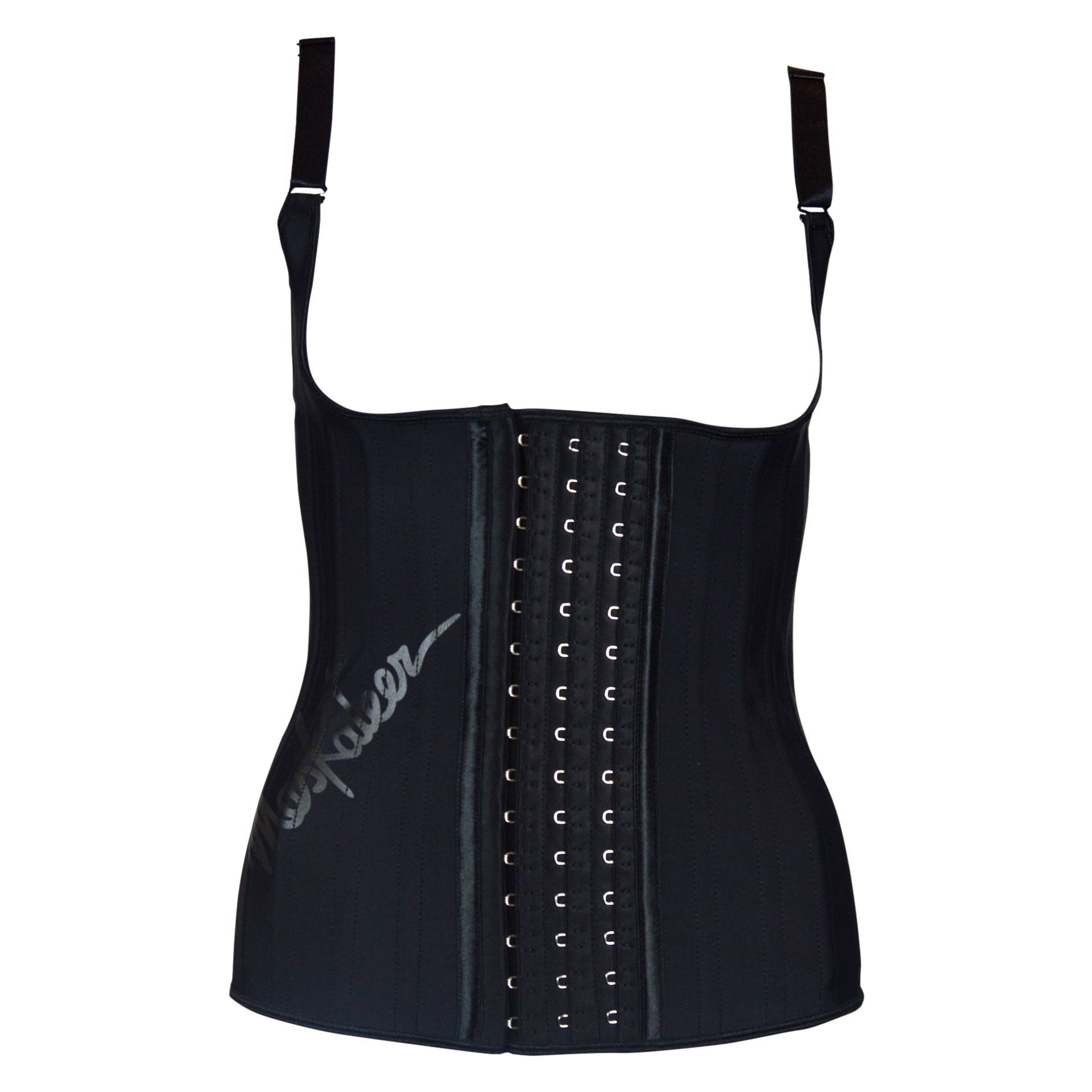
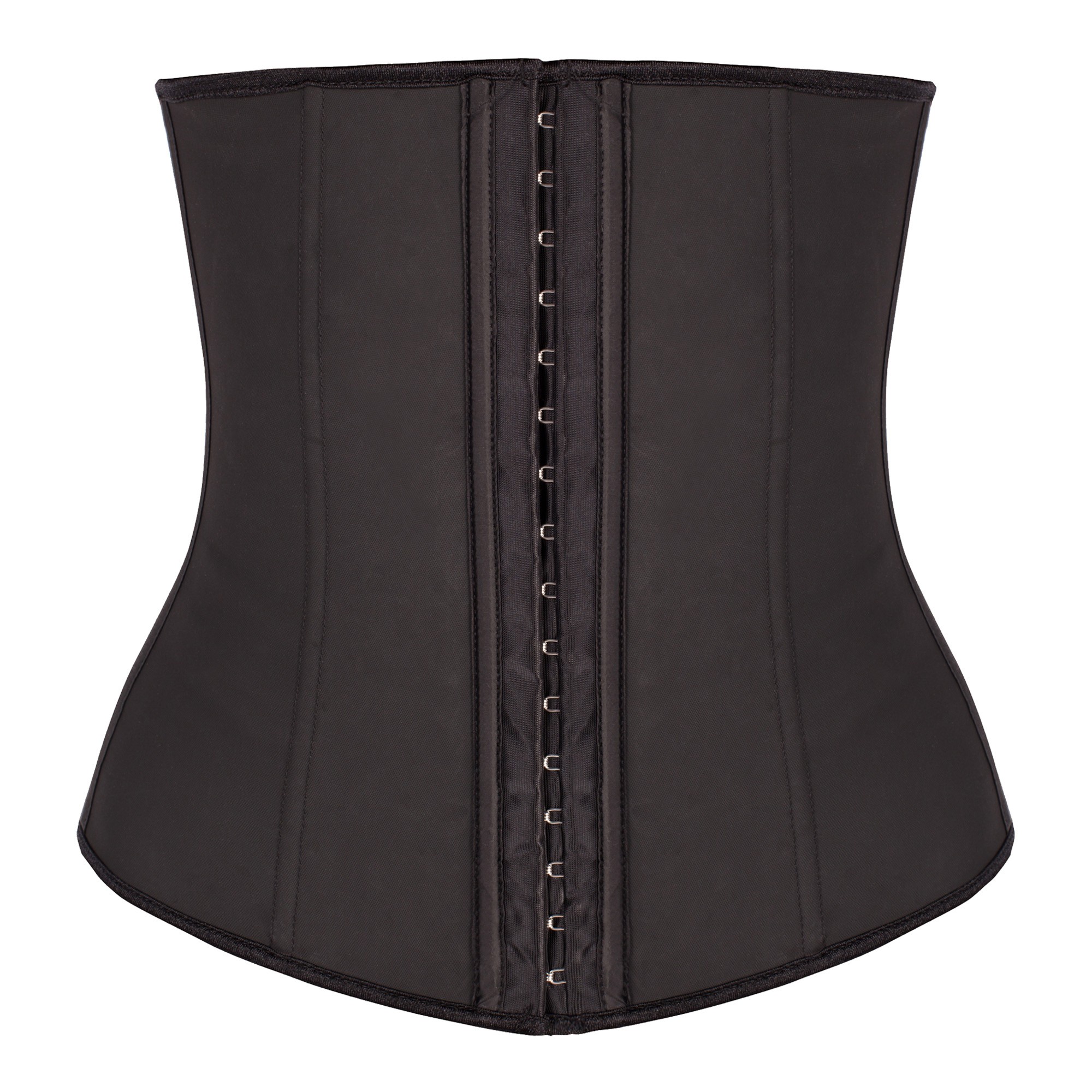
At its core, a waist trainer corset is a high-compression shaping garment designed to wrap around the midsection, intended to provide an immediate reduction in waistline measurements and, according to marketing narratives, semi-permanent body modification through consistent use. However, the true definition lies in how the product is positioned within different market segments.
Historical Legacy vs. Modern Utility
The traditional corset was a symbol of social status and structured femininity, primarily marketed as an undergarment for formal wear. The modern “waist trainer,” however, has been rebranded as a lifestyle tool. Brand managers shifted the narrative from restrictive fashion to proactive wellness and fitness. This evolution involved changing the materials—moving from rigid whalebone and silk to flexible latex, neoprene, and high-tension spandex—allowing brands to align the product with the booming “athleisure” trend. This strategic pivot allowed the product to move from the lingerie drawer to the gym floor, significantly expanding its market reach.
The Semantic Shift: From Corset to Trainer
The nomenclature is perhaps the most critical element of its brand identity. The word “corset” carries historical baggage, often associated with fainting spells and extreme physical restriction. By introducing the term “trainer,” brands tapped into the psychology of self-improvement. A “trainer” implies a journey, a goal, and a process of discipline. This semantic shift transformed a passive garment into an active participant in the consumer’s fitness journey. For a brand, this shift is vital because it moves the product from a one-time purchase for a special event into a recurring-use item that becomes part of a daily habit.
Brand Strategy and the Celebrity Catalyst
The meteoric rise of the waist trainer corset cannot be discussed without analyzing the role of celebrity endorsement and influencer marketing. This product category served as the blueprint for the “influencer brand” model that dominates social media today.
The Skims Effect and the Normalization of Shapewear
While several niche brands existed in the early 2010s, the entry of major celebrity figures into the shapewear space changed the corporate identity of the industry. Brands like Skims, founded by Kim Kardashian, redefined shapewear not as a solution for “imperfections” but as a foundational element of a modern wardrobe. This repositioning was genius: it moved the waist trainer from a niche “secret” to a visible, trendy accessory. The brand strategy shifted from “correction” to “enhancement,” utilizing a palette of inclusive skin tones and high-production-value aesthetic marketing that appealed to a broader demographic than ever before.
Aspirational Marketing and the “Hourglass” Ideal
Waist trainer brands rely heavily on aspirational marketing. The branding focus is rarely on the technical specifications of the steel boning or the denier of the fabric; instead, it is on the result. By showcasing the “hourglass” silhouette as the ultimate aesthetic achievement, brands create a “problem” (a lack of waist definition) for which their product is the only immediate “solution.” This creates a powerful emotional hook. The brand identity becomes synonymous with confidence, curves, and a specific type of modern glamour that is highly sharable on visual platforms like Instagram and TikTok.
Product Differentiation: Crafting a Unique Brand Identity
In a saturated market, brand differentiation is the difference between a high-margin premium product and a low-cost commodity. Successful waist trainer brands have moved beyond the basic “one-size-fits-all” approach to create specialized product lines that cater to specific consumer personas.
Materiality as a Brand Promise
Top-tier brands differentiate themselves through proprietary material blends. A “fitness” waist trainer might use “thermo-reactive neoprene” to suggest increased perspiration and caloric burn, while a “luxury” waist trainer might use “breathable mesh and satin” to position itself as a high-end fashion accessory. This use of “technobabble” in marketing—using scientific-sounding terms to describe fabric—is a common brand strategy used to justify higher price points and establish authority in a competitive space.
Designing for Specific Consumer Personas
A key strategy in the shapewear industry is market segmentation. Brands often divide their offerings into three distinct categories:
- The Fitness Enthusiast: Products designed with high flexibility and sweat-wicking properties, marketed for use during exercise.
- The Postpartum Mother: A highly specialized niche where the brand positioning focuses on “support,” “recovery,” and “regaining one’s pre-pregnancy shape.” This is a sensitive but highly lucrative market that requires a brand voice rooted in empathy and care.
- The High-Fashion Consumer: Products that are designed to be seen, often worn over dresses or as part of a street-wear ensemble. Here, the branding is focused on “edginess” and “trend-setting.”
Ethical Considerations and Brand Trust in the Shapewear Market
As consumers become more discerning, the “brand health” of waist trainer companies depends on how they navigate ethical challenges. The industry has faced criticism regarding body image and the medical efficacy of its claims.
Navigating Body Positivity and Inclusivity
The most successful modern brands have pivoted their strategy to align with the body positivity movement. Instead of using language that suggests a body needs to be “fixed,” contemporary brand strategy emphasizes “celebrating curves” and “providing support.” Inclusivity in sizing is no longer optional; it is a core brand requirement. A brand that only offers small to large sizes in today’s market is seen as out of touch, whereas brands that offer 4XL and beyond build significant brand equity and consumer loyalty.
Transparency and Health-Conscious Branding
Brand trust is a fragile asset in the waist trainer industry. Brands that make extreme medical claims (such as permanent organ shifting or unrealistic weight loss) often face backlash and regulatory scrutiny. The “smart” brand strategy today focuses on “posture support” and “core engagement” rather than “weight loss.” By grounding their marketing in more realistic, lifestyle-based benefits, brands can build long-term relationships with their customers rather than relying on short-term “gimmick” sales. This transparency builds a corporate identity rooted in longevity and reliability.
Future-Proofing the Brand: Innovation and Market Longevity
The waist trainer corset market is at a crossroads. As fashion trends shift toward “quiet luxury” and more relaxed silhouettes, shapewear brands must innovate to remain relevant.
Integrating Wearable Tech
The next frontier for waist trainer brands is the integration of technology. We are beginning to see the emergence of “smart” waist trainers that track posture, core engagement, and even heart rate. By positioning the waist trainer as a “wearable device,” brands can enter the lucrative health-tech market, moving away from being seen as a simple garment manufacturer to a technology-integrated lifestyle company.
Sustainability as a Brand Pillar
As with all apparel, sustainability is becoming a major factor in brand strategy. Consumers are increasingly asking: “Where was this made?” and “What happens when I’m done with it?” Brands that utilize recycled latex, organic cotton linings, and ethical manufacturing processes are carving out a “green shapewear” niche. This not only appeals to the Gen Z demographic but also protects the brand from future environmental regulations and consumer boycotts.
In conclusion, a waist trainer corset is far more than a piece of fabric; it is a sophisticated brand construct. Its success lies in its ability to adapt its identity to the cultural zeitgeist—transforming from a restrictive historical artifact into a modern symbol of fitness, confidence, and self-curation. For brand strategists, the waist trainer provides a compelling case study on how to use celebrity influence, semantic shifts, and market segmentation to turn a controversial product into a global multi-billion-dollar industry. The brands that continue to thrive will be those that balance aspirational marketing with ethical transparency and technological innovation.
aViewFromTheCave is a participant in the Amazon Services LLC Associates Program, an affiliate advertising program designed to provide a means for sites to earn advertising fees by advertising and linking to Amazon.com. Amazon, the Amazon logo, AmazonSupply, and the AmazonSupply logo are trademarks of Amazon.com, Inc. or its affiliates. As an Amazon Associate we earn affiliate commissions from qualifying purchases.