
In the relentless march of technological innovation, the rise of artificial intelligence, and the intricate dance of brand building, we often overlook the fundamental elements that underpin all communication: letters. Specifically, understanding the distinction between vowels and consonants is not just an elementary school lesson; it’s a foundational skill that has surprisingly relevant applications in our modern, digitally-driven world. From optimizing AI language models to crafting compelling brand messaging, a grasp of these linguistic cornerstones can offer a subtle yet significant advantage.

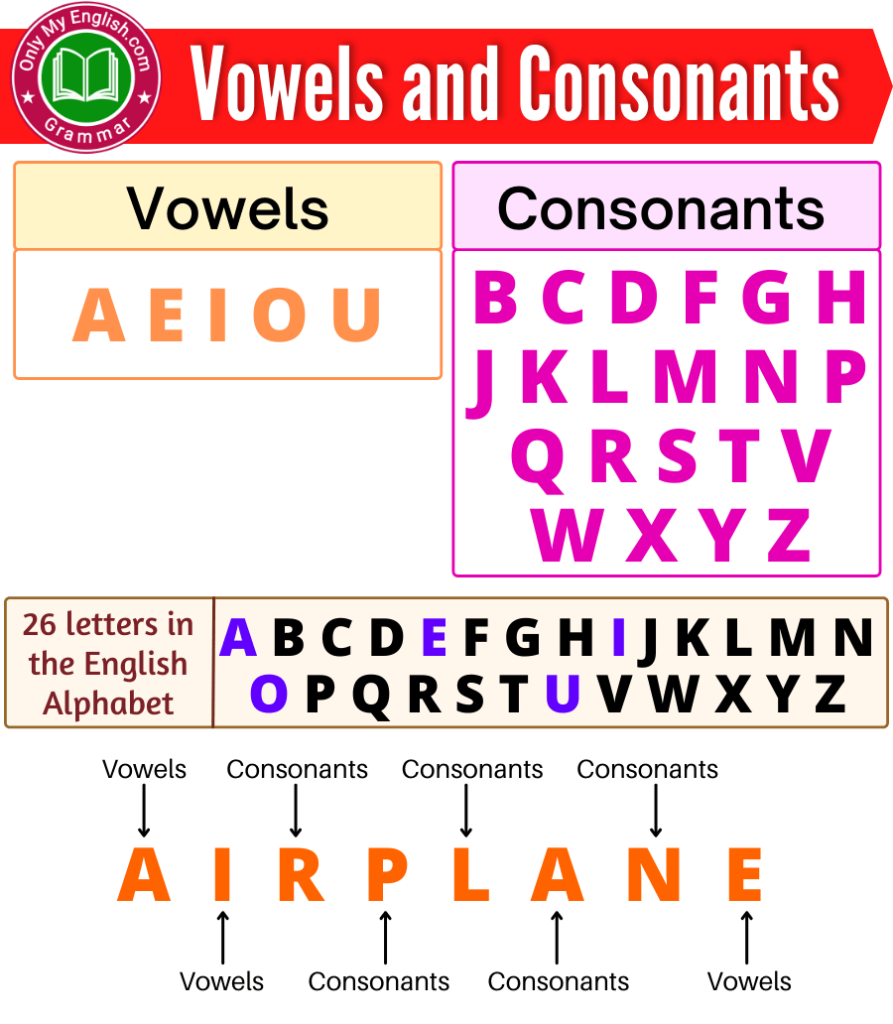
The English alphabet, that familiar sequence of A through Z, is divided into two primary categories: vowels and consonants. This classification, rooted in how we produce sounds, is the bedrock of phonetics and phonology, the scientific study of speech sounds and their patterns. But beyond the classroom, how does this seemingly simple distinction impact the complex landscapes of technology, branding, and even finance? Let’s delve into the essence of vowels and consonants and explore their surprising echoes in the digital age.
The Core Distinction: How We Make the Sounds
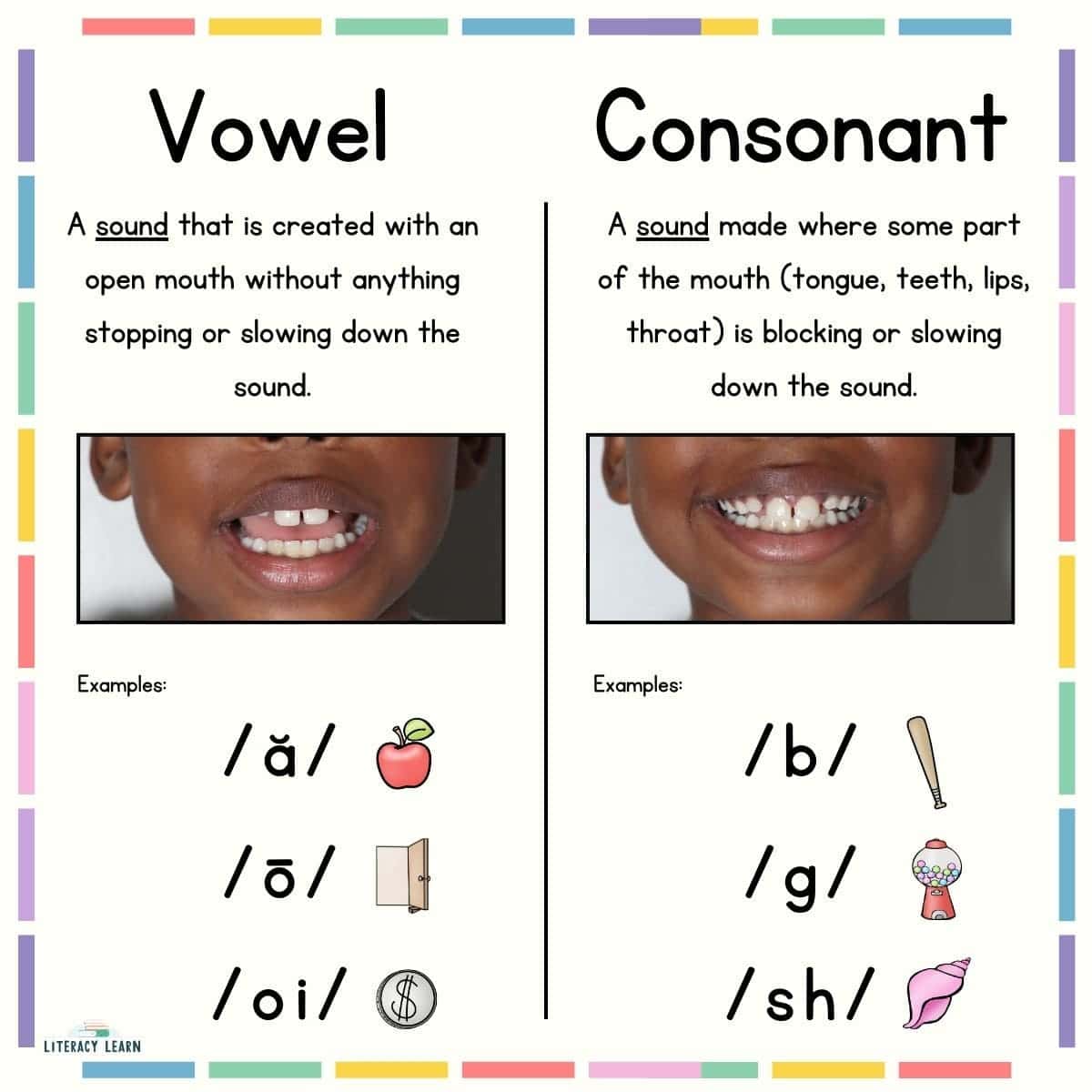
At its heart, the difference between a vowel and a consonant lies in the way air flows from our lungs through our vocal tract to produce a sound. This distinction is based on the degree of obstruction or constriction in the vocal tract.
Vowels: The Open Channels of Sound
Vowels are produced with an open vocal tract, meaning there is no significant obstruction of airflow. The sound is shaped primarily by the position of the tongue and the shape of the lips. When you say a vowel sound, the air flows freely, and your vocal cords vibrate. Think of the sounds represented by the letters A, E, I, O, and U.
- A: As in “apple,” “father.” The tongue is relatively low and central.
- E: As in “egg,” “see.” The tongue is raised and positioned towards the front of the mouth.
- I: As in “igloo,” “machine.” The tongue is high and front.
- O: As in “octopus,” “go.” The tongue is relatively low and back, and the lips are rounded.
- U: As in “umbrella,” “flute.” The tongue is high and back, and the lips are rounded.
These five letters are the standard vowels, but the concept extends beyond the letters themselves to the sounds they represent. In English, there are actually many more vowel sounds than there are vowel letters, including diphthongs (combinations of two vowel sounds, like “oi” in “boy” or “ou” in “house”) and other distinct vowel phonemes. The ability to articulate these open, flowing sounds is what defines a vowel.
Consonants: The Obstacles in the Airflow
Consonants, in contrast, are produced with some degree of obstruction or constriction in the vocal tract. This obstruction can take various forms:
- Stopping the airflow entirely: This is the case with plosives like ‘p’, ‘b’, ‘t’, ‘d’, ‘k’, and ‘g’. When you say these sounds, you momentarily stop the air before releasing it.
- Creating friction: Fricatives like ‘f’, ‘v’, ‘s’, ‘z’, ‘sh’, ‘th’ involve forcing air through a narrow passage, creating a hissing or buzzing sound.
- Guiding the airflow around an obstruction: Nasals like ‘m’, ‘n’, and ‘ng’ involve blocking airflow through the mouth and letting it escape through the nose.
- Approximating the vocal tract: Liquids like ‘l’ and ‘r’, and glides like ‘y’ and ‘w’ involve bringing parts of the vocal tract close together without fully obstructing the air.
The combination of vowels and consonants forms the syllables and words that make up our language. Vowels act as the core of a syllable, providing the resonant sound, while consonants typically frame them, initiating or concluding the syllable.
The Digital Resonance: Vowels and Consonants in Tech and AI
The foundational understanding of vowels and consonants is far from being confined to dusty linguistics textbooks. In the dynamic realm of technology, particularly with the advancements in Artificial Intelligence and Natural Language Processing (NLP), this basic linguistic knowledge plays a crucial, albeit often invisible, role.
Optimizing Language Models and AI
AI language models, such as the one I am currently running on, are trained on vast datasets of text and speech. The ability of these models to understand, generate, and process human language hinges on their ability to break down words into their constituent sounds and meanings. This involves recognizing patterns of vowel and consonant combinations, which are fundamental to how words are formed and distinguished.
- Phonetic Representation: NLP systems often work with phonetic representations of words, which meticulously detail the sequence of vowel and consonant sounds. This allows the AI to understand pronunciation variations, accents, and even misspellings more effectively. For instance, understanding that “cat” and “cap” differ only by their final consonant sound is a simple but powerful distinction for an AI.
- Speech Recognition: In speech-to-text applications, accurately distinguishing between similar-sounding vowels (e.g., the ‘i’ in “sit” versus the ‘ee’ in “seat”) and subtle consonant variations is paramount. Errors in this differentiation can lead to misinterpretations and incorrect transcriptions.
- Text-to-Speech Synthesis: Conversely, when AI generates speech, it needs to accurately place vowels and consonants to produce natural-sounding output. The rhythm and intonation of speech are heavily influenced by the interplay of vowel and consonant sounds within words and sentences.
- Algorithm Efficiency: While not directly “calculating” vowels and consonants in the traditional sense, the underlying algorithms that power NLP often leverage statistical probabilities and patterns derived from the structural properties of language, including the frequency and combination of phonetic units, which are inherently tied to vowel and consonant structures. For example, certain consonant clusters are more common than others, and this statistical knowledge aids in predictive text and language generation.
Enhancing User Experience in Apps and Gadgets
Beyond sophisticated AI, the fundamental understanding of language structure can influence the design and usability of everyday apps and gadgets.
- Search Functionality: When you type a query into a search engine or an app, the system needs to interpret your intent. Algorithms that understand word segmentation and phonetic similarity can help surface relevant results even if there are slight variations in spelling or pronunciation. For example, a search for “vowel” should also understand variations like “vawl.”
- Autocorrect and Predictive Text: The intelligence behind autocorrect and predictive text relies heavily on understanding common letter combinations and sound substitutions. Knowing that certain vowel or consonant errors are more likely than others helps the system offer accurate corrections and suggestions.
- Accessibility Tools: For users with certain speech impediments or cognitive challenges, understanding how vowels and consonants are articulated can be crucial for developing assistive technologies that can interpret or generate their communication.
In essence, the principles of vowel and consonant distinction provide a foundational blueprint for how humans and machines can interact through language. As AI continues to evolve, the ability to process and generate language with nuanced accuracy will become even more critical, and our understanding of these fundamental linguistic elements will remain a vital component of that progress.
The Branding Powerhouse: Vowels and Consonants in Identity and Marketing
The strategic use of language is at the very core of brand building. From a memorable company name to a compelling tagline, every word chosen carries weight. The subtle nuances of vowels and consonants can significantly impact how a brand is perceived, remembered, and ultimately, how it resonates with its target audience.
Crafting Memorable Brand Names and Taglines
The sounds of a brand name are not accidental; they are often carefully chosen to evoke specific emotions and associations.
- Vowel Dominance: Brands with a higher proportion of vowel sounds can often sound more open, friendly, and approachable. Think of names like “Apple,” “Google,” or “Amazon.” The open vowel sounds can create a sense of expansiveness and invitation. These brands often aim for a broad appeal and a sense of ease.
- Consonant Strength: Brands that incorporate more strong consonant sounds might convey a sense of power, precision, or authority. Names with hard consonants like ‘k’ or ‘g’ (e.g., “Kodak,” “Garmin”) can feel more robust and direct. These brands might be targeting a more specific or discerning audience, or emphasizing their technical prowess or reliability.
- Rhythm and Flow: The interplay of vowels and consonants creates the rhythm and cadence of a word or phrase. A brand name with a pleasing, easy-to-pronounce flow is more likely to be memorable and roll off the tongue. Consider the smooth, flowing sound of “Coca-Cola” versus a name with abrupt consonant clusters. This ease of articulation translates to ease of recall.
- Alliteration and Assonance: The repetition of consonant sounds (alliteration) and vowel sounds (assonance) can create a musicality that makes a brand name or tagline incredibly sticky. For instance, “Peter Piper picked a peck of pickled peppers” uses alliteration. In branding, “PayPal” uses the repeating ‘p’ sound, and “Kit Kat” uses the repeating ‘k’ sound, making them instantly recognizable.
Enhancing Marketing Messages and Content
Beyond the name, the language used in marketing materials, website copy, and social media posts can be subtly influenced by the strategic use of vowels and consonants.
- Emotional Resonance: Certain vowel sounds are psychologically linked to different emotions. For example, the ‘o’ sound in “hope” or “love” can evoke warmth and comfort, while the ‘e’ sound in “excellence” or “effective” can suggest clarity and energy. Marketers can strategically select words containing these sounds to amplify the desired emotional impact of their messaging.
- Clarity and Persuasion: The way consonants are used can impact the perceived strength and directness of a message. Hard consonants can make a statement feel definitive, while softer consonants might lend a gentler tone. The presence or absence of certain consonant clusters can also affect how quickly and easily a phrase is understood.
- Reputation Management: In an age where online reviews and social media sentiment can heavily influence a brand’s reputation, the language used in customer service responses, press releases, and brand communications becomes crucial. Using clear, well-articulated language, which implicitly relies on the correct use of vowels and consonants, contributes to a perception of professionalism and trustworthiness.
Ultimately, understanding the phonetic characteristics of language allows brands to move beyond simply conveying information to crafting an experience. The subtle sonic qualities of words, dictated by the presence and arrangement of vowels and consonants, can shape perceptions, enhance memorability, and forge deeper connections with consumers in a crowded marketplace.
The Financial Foundation: Vowels and Consonants in Financial Literacy and Online Income
While it might seem like a stretch, the fundamental principles of language, including the distinction between vowels and consonants, can even have indirect implications for personal finance and the pursuit of online income. This connection often lies in the realm of communication, clarity, and the effective understanding of information.
Clarity in Financial Literacy and Communication
Effective financial management relies on understanding complex information. The ability to read, comprehend, and communicate financial concepts clearly is essential, and this process is built upon language.
- Understanding Financial Jargon: Financial markets, investment vehicles, and personal finance advice are replete with terminology. While the specific terms themselves are key, the underlying structure of the words – how they are formed by vowels and consonants – contributes to their ease of understanding and pronunciation. A word that is difficult to say or remember might be less likely to be grasped and retained.
- Reading and Comprehending Documents: From investment prospectuses to loan agreements, financial literacy requires the ability to carefully read and interpret dense text. The consistent and accurate use of vowels and consonants in these documents ensures their readability. Errors in spelling or grammar, which are fundamentally related to the misuse or misplacement of letters, can lead to confusion and costly mistakes.
- Communicating Financial Needs: When individuals need to communicate their financial goals, their needs to lenders, or their investment strategies, clear and precise language is vital. The ability to articulate these points effectively, using a well-formed vocabulary, is a skill that begins with a solid understanding of language’s basic building blocks.
The Role in Online Income and Side Hustles
For those venturing into online income streams, particularly those involving content creation, digital marketing, or freelance writing, language skills are paramount.
- Content Creation: Whether it’s writing blog posts, creating video scripts, or crafting social media updates, the quality of the language directly impacts the audience’s engagement and trust. Well-structured sentences, correct grammar, and a clear vocabulary – all dependent on the proper use of vowels and consonants – make content more compelling and persuasive, which can directly translate to more views, shares, and potential income.
- Freelance Writing and Editing: For freelance writers and editors, their mastery of language, including the nuances of spelling, grammar, and pronunciation (which are inherently tied to vowels and consonants), is their primary professional asset. Clients seek professionals who can deliver error-free and impactful content.
- Search Engine Optimization (SEO): While SEO is a technical field, it fundamentally relies on language. Understanding how users search for information (keywords, phrases) and how search engines interpret that language involves recognizing patterns in word formation, including the common combinations of vowels and consonants that form frequently searched terms. Optimizing content for search engines often involves using these terms effectively.
- Online Courses and Digital Products: Individuals selling online courses or digital products often need to create marketing materials, sales pages, and explanatory content. The clarity and persuasiveness of this content, which is built on a foundation of strong language skills, directly influences sales conversion rates.
In essence, while you won’t find a direct formula linking vowels and consonants to stock market returns, the foundational linguistic skills that they represent are crucial for navigating the financial world. Clear communication, precise understanding, and the ability to craft persuasive messages are skills that underpin success in both personal finance and the pursuit of online income. The fundamental building blocks of language, it turns out, have a far-reaching impact, even on our monetary well-being.
aViewFromTheCave is a participant in the Amazon Services LLC Associates Program, an affiliate advertising program designed to provide a means for sites to earn advertising fees by advertising and linking to Amazon.com. Amazon, the Amazon logo, AmazonSupply, and the AmazonSupply logo are trademarks of Amazon.com, Inc. or its affiliates. As an Amazon Associate we earn affiliate commissions from qualifying purchases.