
In the current digital landscape, metrics are the primary currency of influence, credibility, and revenue. Whether on YouTube, Twitch, TikTok, or Instagram, the “view count” serves as a critical indicator of content resonance. However, behind these rising numbers often lies a sophisticated piece of software known as a view bot. As platforms evolve to become more data-driven, understanding what a view bot is—not just as a concept, but as a technical entity—becomes essential for developers, cybersecurity experts, and digital strategists.
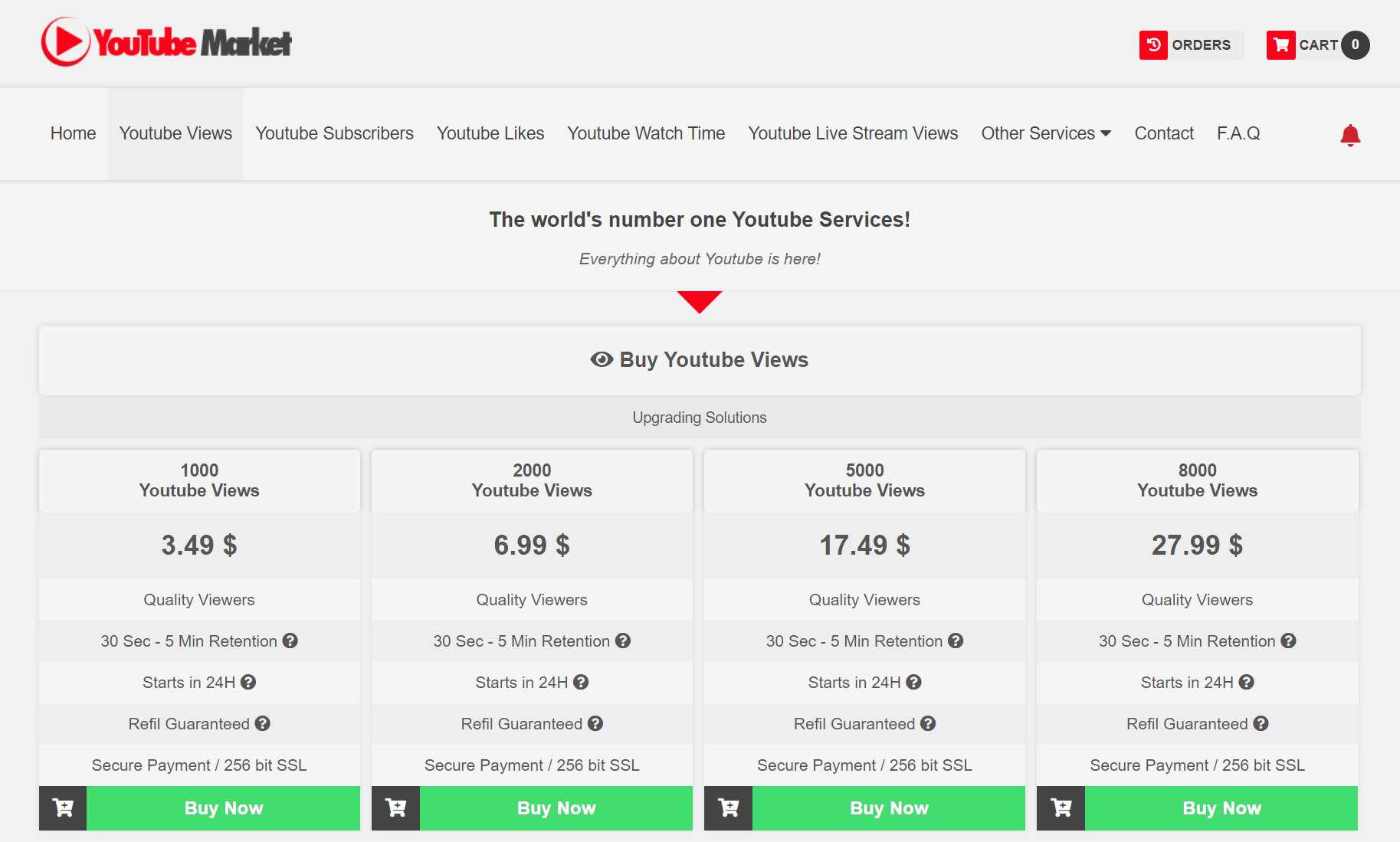
A view bot is an automated script or software application designed to simulate human viewership on digital content. Unlike legitimate growth strategies that rely on algorithmic discovery or marketing, view botting leverages computational power to artificially inflate metrics. While the premise sounds simple, the technology behind modern view bots has become increasingly complex, mirroring the sophisticated detection systems they aim to bypass.
The Engineering Behind Synthetic Traffic: How View Bots Operate
At its core, a view bot is a programmed agent that performs repetitive tasks. In the early days of the internet, a simple script that refreshed a browser window might have been enough to trick a server into counting a new view. Today, digital platforms employ advanced telemetry and session tracking, forcing view bot developers to create highly sophisticated tools that mimic human behavior at a granular level.
Headless Browsers and Automation Frameworks
Modern view bots often utilize “headless browsers.” A headless browser, such as Headless Chrome or Firefox via tools like Puppeteer and Selenium, is a web browser without a graphical user interface. This allows the bot to render JavaScript, load CSS, and execute cookies just like a standard user would, but entirely within a server environment. Because modern platforms use JavaScript to verify that a “real” user is present, simple HTTP request scripts are no longer effective. Headless browsers allow bots to interact with the Document Object Model (DOM), clicking play buttons or scrolling through a page to satisfy the platform’s engagement requirements.
Proxy Rotation and IP Diversity
One of the easiest ways for a platform to identify a bot is by tracking its IP address. If ten thousand views originate from a single IP, the platform will immediately flag the activity as fraudulent. To circumvent this, view botters use massive proxy networks.
There are two primary types of proxies used in this space:
- Datacenter Proxies: These are fast and inexpensive but easily detectable because their IP ranges are registered to cloud providers like AWS or DigitalOcean.
- Residential Proxies: These are the gold standard for botting. They use IP addresses assigned to actual home internet users. By routing traffic through a residential proxy, a view bot appears to be a legitimate person sitting in their living room. High-end view botting services often use “rotating residential proxies,” changing the IP address for every single request to make the traffic pattern look entirely organic.
User-Agent Spoofing and Fingerprinting
To further hide their identity, bots employ “User-Agent” spoofing. The User-Agent is a string sent to a server that identifies the browser, operating system, and device type. A view bot will cycle through thousands of different strings, making it look like the views are coming from an eclectic mix of iPhones, Android devices, Windows PCs, and MacBooks. More advanced bots even simulate “Canvas Fingerprinting” and “WebGL” signatures to mimic the unique hardware characteristics of different computers, making it nearly impossible for basic security filters to distinguish them from human-operated devices.
The Evolution of Detection: How Platforms Combat Automated Views
As view bots have become more sophisticated, the tech giants managing social platforms have invested billions into anti-fraud and anti-bot technologies. This has created a perpetual arms race between bot developers and platform engineers.
Behavioral Biometrics and Heuristic Analysis
Platforms like YouTube and Twitch no longer just look at where a view comes from; they look at how the viewer behaves. This is known as behavioral biometrics. A human user exhibits “jittery” behavior—they move the mouse in non-linear paths, they pause to read, they scroll at variable speeds, and they rarely click exactly in the center of a button.
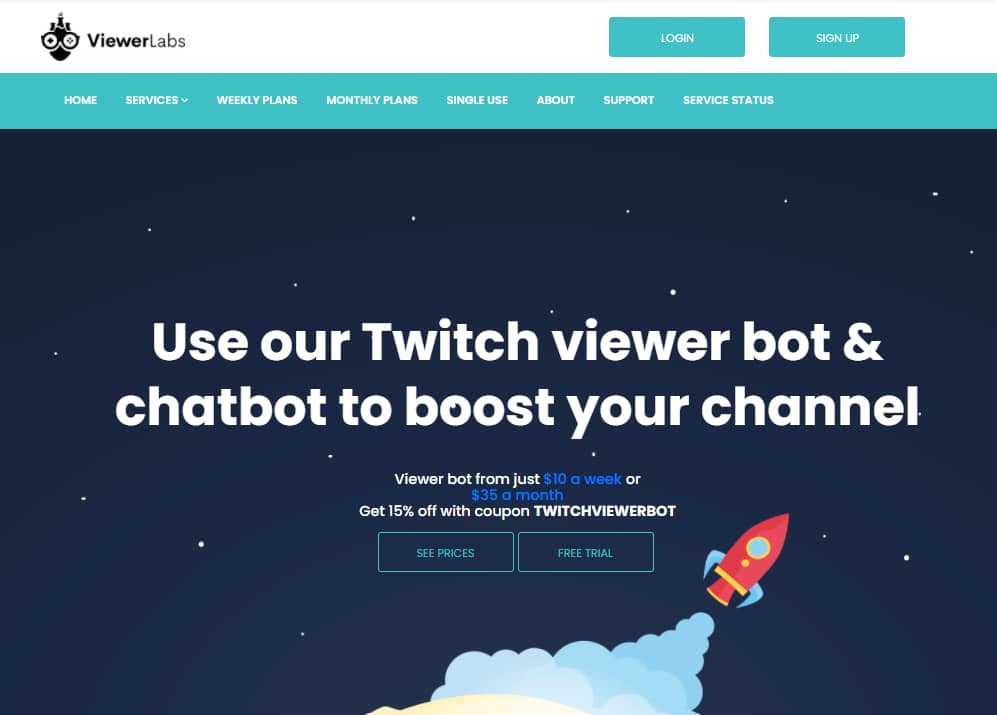
View bots that move the mouse in a perfect straight line or click with millisecond precision are easily flagged. Consequently, top-tier view bots now include “humanization” modules that inject random delays, simulate erratic mouse movements, and mimic natural typing speeds. Platforms respond by using machine learning models trained on trillions of data points to identify “non-human” patterns that are too subtle for the naked eye to detect.
TLS Handshake and Fingerprinting
A more recent frontier in bot detection happens at the networking layer. When a browser connects to a server, it performs a TLS (Transport Layer Security) handshake. Every browser (Chrome, Safari, etc.) has a unique way of negotiating this handshake. Platforms can analyze the specific cipher suites and extensions used during this process—a technique called JA3 fingerprinting. If a bot claims to be “Chrome on Windows” but its TLS handshake signature matches a Python script library, the platform can block the view before the page even loads.
The Role of Big Data and Global Patterns
Platforms also use global data analysis to spot anomalies. If a small creator in a niche category suddenly receives 50,000 views from a specific region in Eastern Europe at 3:00 AM local time, the system flags it as a statistical outlier. Large platforms use “velocity checks” to monitor how quickly views are accumulating relative to the creator’s historical data and the average growth rate of similar content.
The Dark Side of Automation: Security Risks and Ethical Technicalities
While view botting is often discussed in the context of “vanity metrics,” the technical implications extend into the realm of cybersecurity and digital integrity. The infrastructure required to run large-scale botting operations is frequently intertwined with more malicious activities.
Botnets and Malware Distribution
Many of the residential proxies used for view botting are not obtained through ethical means. They are often part of a “botnet”—a network of computers infected with malware. When a user unknowingly downloads a compromised file, their computer may become a “zombie” node in a botnet. The botnet controller can then use that user’s IP address and processing power to generate fake views for a client. This means that a person paying for view bots may be indirectly funding a criminal enterprise that utilizes hijacked consumer hardware.
Invalid Traffic (IVT) and Ad Fraud
View botting is a subset of a larger technical issue known as Invalid Traffic (IVT). When bots view content that is monetized with advertisements, they are essentially stealing from advertisers. This is known as ad fraud. Sophisticated view bots are programmed to “watch” the ads, and some even click them to simulate a high-value user.
For the platform, this is a technical nightmare. If advertisers realize they are paying for “bot views,” they lose trust in the ecosystem. This leads to the implementation of “Ad Verification” scripts—third-party code that runs alongside the content to double-check that a human is indeed present. The presence of these scripts adds latency and complexity to the web environment.
Degradation of Analytics Integrity
From a data science perspective, view bots are “noise” that corrupts “signal.” When a platform’s database is flooded with synthetic views, it becomes difficult for the algorithm to determine what humans actually like. This can lead to a “dead internet” scenario where algorithms begin recommending content based on what bots are watching rather than what humans find valuable. For developers and data analysts working on these platforms, cleaning this data requires massive computational overhead and complex deduplication algorithms.
Future Trends: AI-Driven Bots and the Arms Race of Authenticity
As we move further into the decade, the technology behind view botting is integrating Generative AI and Large Language Models (LLMs). This represents the next major shift in the evolution of synthetic engagement.
AI-Enhanced Engagement
Traditional view bots were “passive”—they just sat on a page and let a video play. The next generation of bots is “active.” Using LLMs, these bots can now generate contextually relevant comments, participate in live chats with coherent sentences, and even “react” to specific moments in a video by analyzing the audio-visual stream. When a bot can argue a point in a comment section or ask a relevant question in a Twitch chat, the technical barrier for detection rises significantly.
The Move Toward Proof-of-Personhood
In response to increasingly human-like bots, the tech industry is exploring “Proof-of-Personhood” technologies. This includes hardware-level attestation, where a device’s secure enclave must prove it is a genuine physical device, or decentralized identity protocols. We may see a future where “verified” views require a cryptographic handshake that confirms the user has passed a high-level Turing test or possesses a unique digital ID.
Conclusion: The Persistent Challenge of Synthetic Data
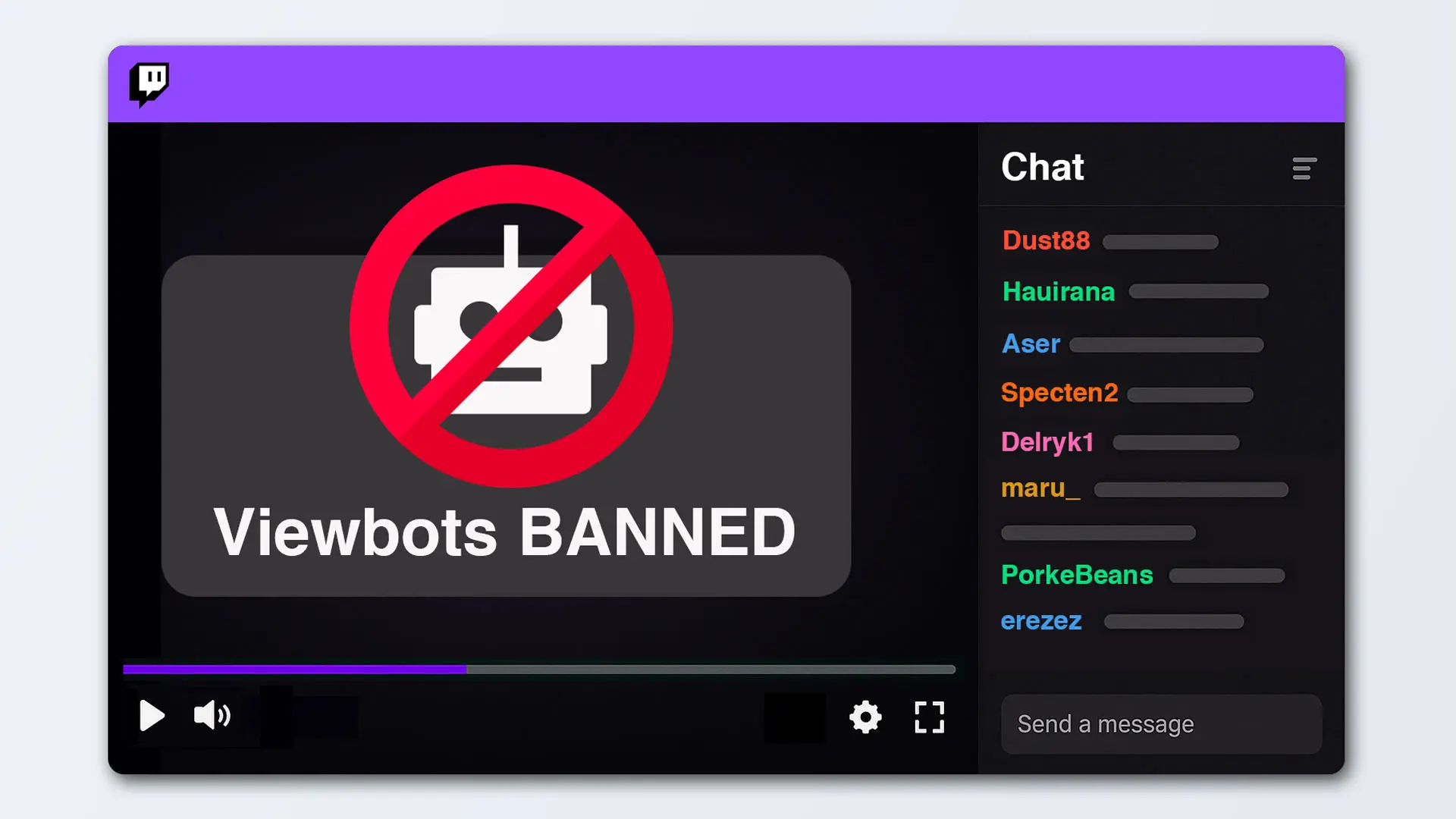
The view bot is more than just a tool for inflating numbers; it is a manifestation of the technical challenges inherent in a quantified digital economy. As long as platforms reward high view counts with visibility and revenue, the incentive to automate those views will persist.
For the tech community, the study of view bots offers a window into the complexities of modern web architecture, network security, and machine learning. Understanding the mechanics of view botting—from headless browsers and residential proxies to TLS fingerprinting and AI-driven behavior—is crucial for anyone involved in building, securing, or analyzing the digital platforms of tomorrow. The battle against synthetic traffic is not just about keeping counts honest; it is about preserving the technical integrity of the internet itself.
aViewFromTheCave is a participant in the Amazon Services LLC Associates Program, an affiliate advertising program designed to provide a means for sites to earn advertising fees by advertising and linking to Amazon.com. Amazon, the Amazon logo, AmazonSupply, and the AmazonSupply logo are trademarks of Amazon.com, Inc. or its affiliates. As an Amazon Associate we earn affiliate commissions from qualifying purchases.