
Low blood pressure, clinically referred to as hypotension, is a state where the force of blood against the artery walls is lower than the standard healthy range. While high blood pressure is frequently discussed in medical and wellness circles due to its connection to cardiovascular disease, low blood pressure is often misunderstood. For many, a lower-than-average reading is simply a sign of excellent physical health. However, when those numbers dip into a range that impairs the body’s ability to deliver oxygen to vital organs, it becomes a clinical concern that requires strategic management.
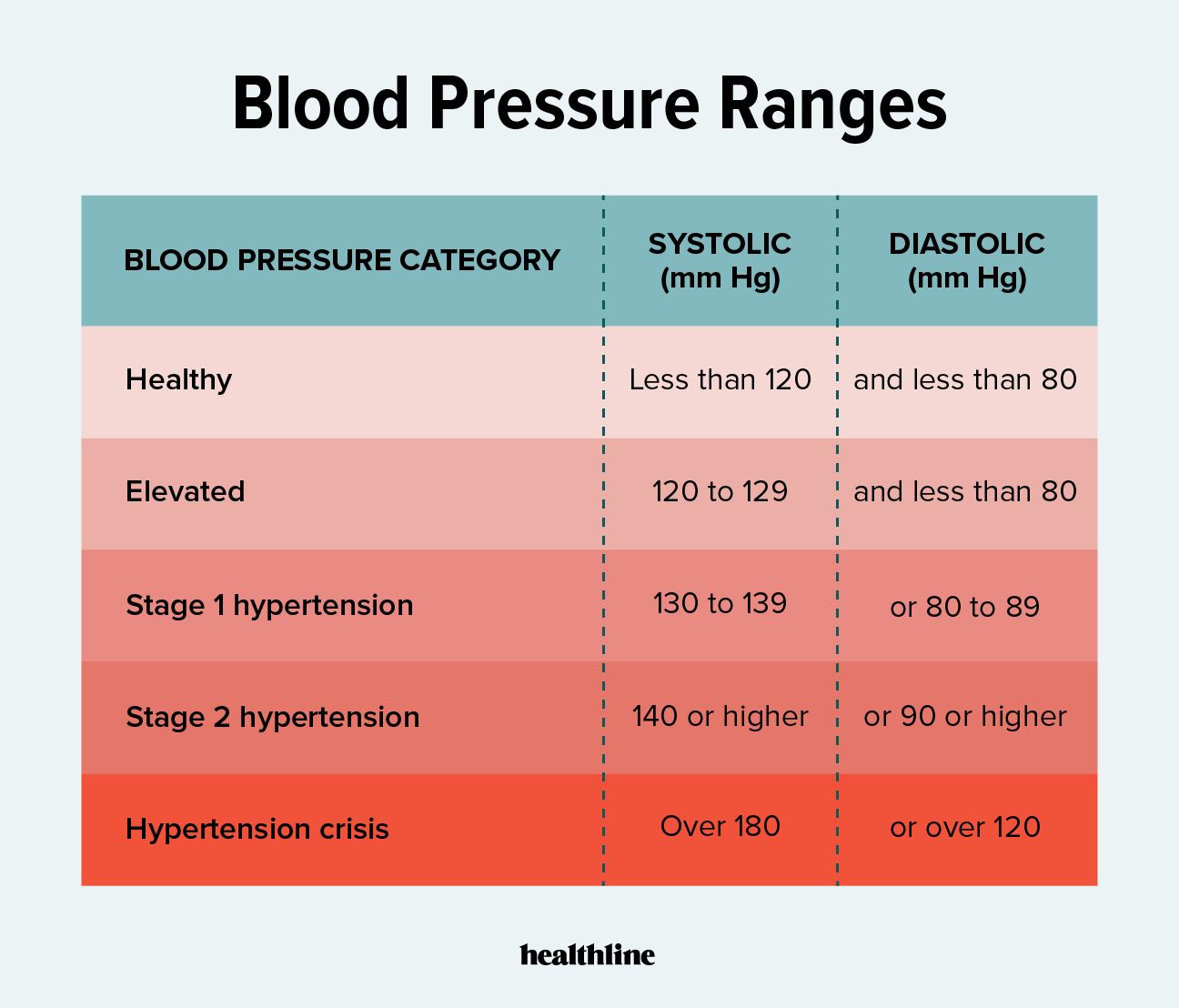
Understanding the thresholds for hypotension is the first step in differentiating between a benign physical trait and a medical emergency. By analyzing blood pressure from a physiological and diagnostic perspective, individuals can better advocate for their health and understand when intervention is necessary.
Defining the Thresholds of Hypotension
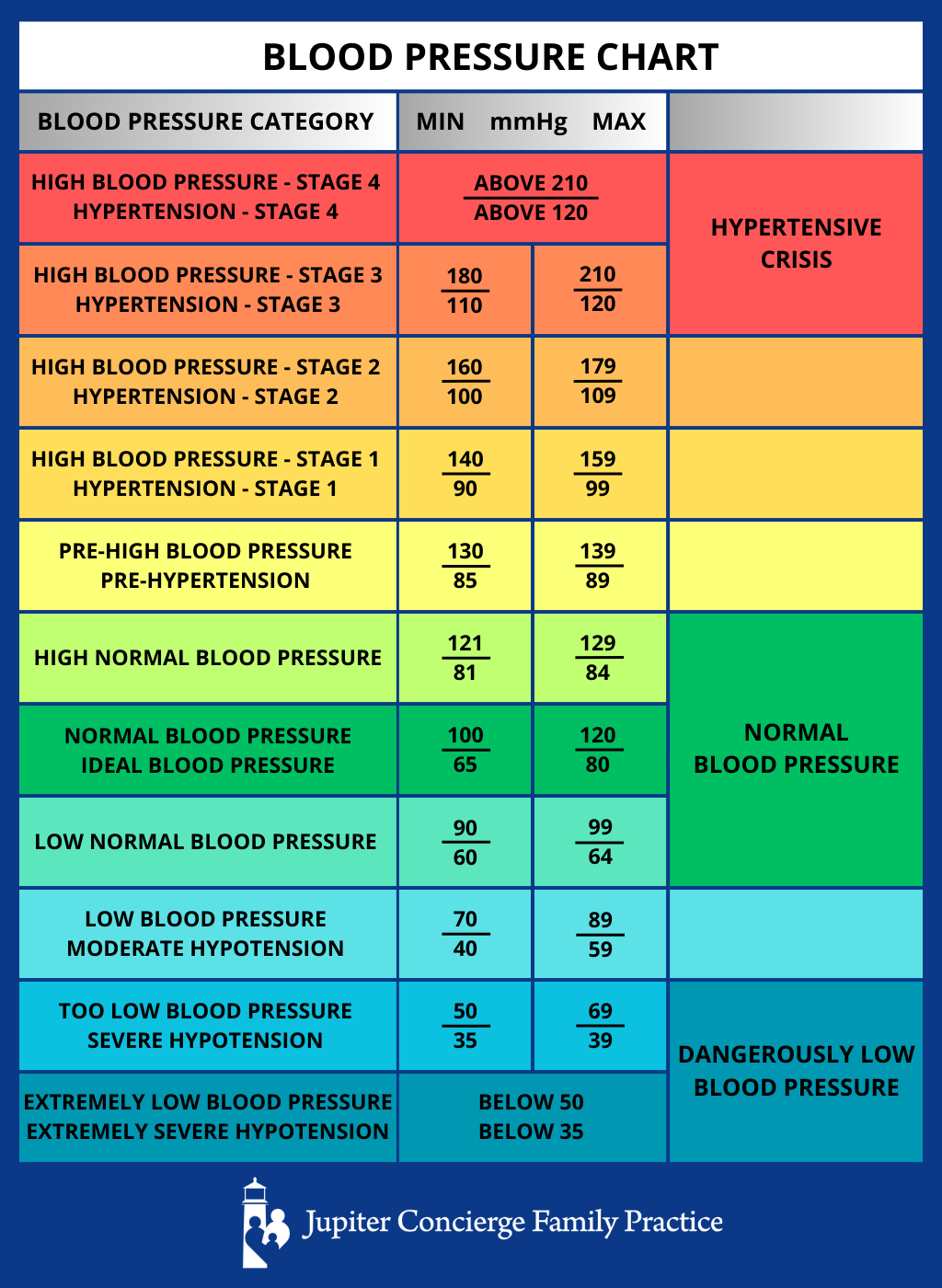
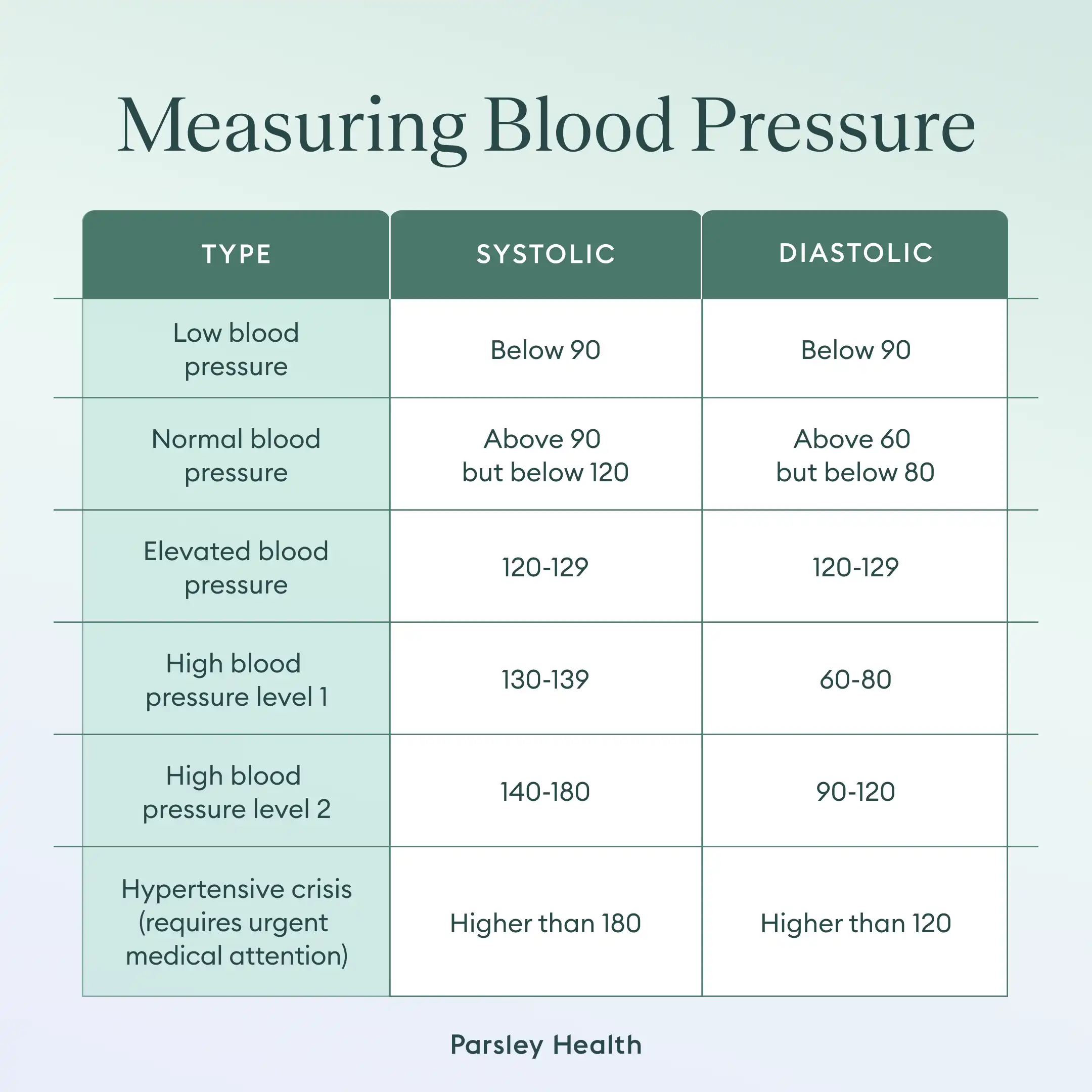
In medical terms, blood pressure is measured using two numbers: systolic pressure (the force exerted when the heart beats) and diastolic pressure (the force exerted when the heart rests between beats). A standard, healthy reading is generally categorized as 120/80 mmHg or slightly lower. Hypotension is typically defined as any reading lower than 90/60 mmHg.
The Significance of the Systolic and Diastolic Drop
When a reading falls below 90 mmHg systolic or 60 mmHg diastolic, the clinical concern is not just the number itself, but the resulting hypoperfusion. If the pressure is too low, the blood may not reach the brain, kidneys, or heart with sufficient force. This creates a cascade of physiological distress. A systolic reading below 90 is often the benchmark doctors use to begin investigating underlying causes, such as dehydration, nutrient deficiencies, or autonomic nervous system dysfunction.
Asymptomatic vs. Symptomatic Hypotension
It is vital to distinguish between chronic, asymptomatic low blood pressure and acute, symptomatic hypotension. Many endurance athletes, for example, naturally exhibit resting blood pressures in the 85/55 mmHg range. Because their bodies are adapted to efficient cardiac output, they experience no negative side effects. Conversely, a person who usually maintains a pressure of 120/80 mmHg and suddenly drops to 95/65 mmHg may experience severe dizziness or fainting. The “danger” of a reading is defined as much by the patient’s baseline as it is by the absolute number.
The Physiological Consequences of Low Pressure
When blood pressure drops significantly, the body struggles to maintain homeostasis. The primary concern is the reduction of blood flow to the brain, which leads to immediate symptoms such as lightheadedness, vertigo, and blurred vision. If the drop is severe—a condition known as shock—the body may enter a state of organ failure because the tissues are no longer receiving adequate oxygenated blood.
Orthostatic Hypotension: The Gravity Factor
One of the most common forms of low blood pressure is orthostatic hypotension, which occurs when a person stands up too quickly. Gravity pulls blood into the lower extremities, and in a healthy system, the body instantly compensates by constricting blood vessels and increasing heart rate. When this reflex is delayed or weakened, the individual experiences a sudden drop in pressure. This is a common occurrence in older adults, individuals on certain medications, or those suffering from prolonged dehydration.
Postprandial Hypotension
Another specific category is postprandial hypotension, which occurs after eating. Following a large meal, the body diverts a significant amount of blood flow to the digestive tract. In some individuals, the systemic blood pressure drops as a result, leading to feelings of fatigue or lightheadedness shortly after dining. Recognizing this pattern is essential for dietary management and preventing falls, particularly in elderly populations who are more susceptible to this physiological shift.
Causes, Triggers, and Contributing Factors
Hypotension is rarely a standalone diagnosis; it is almost always a symptom of another process. Identifying the trigger is the most critical part of managing a very low blood pressure reading.
Fluid Imbalance and Nutritional Deficiencies
The most common cause of low blood pressure is simple hypovolemia, or low blood volume. This can be caused by dehydration from heat, intense exercise, or insufficient fluid intake. Without enough volume, the heart cannot maintain the pressure required to circulate blood effectively. Additionally, nutritional deficiencies—specifically a lack of Vitamin B12 and folate—can lead to anemia, which reduces the number of oxygen-carrying red blood cells and contributes to lower blood pressure readings.
Medications and Chronic Conditions
A wide array of pharmaceuticals can induce low blood pressure as a side effect. This includes beta-blockers, alpha-blockers, diuretics, and certain antidepressants. In these cases, the “low” reading is a direct result of the medication’s mechanism, which intentionally lowers blood pressure to manage hypertension. Furthermore, endocrine disorders like Addison’s disease, where the adrenal glands produce insufficient hormones, can lead to chronic low blood pressure, requiring long-term medical hormone replacement therapy.
Heart and Neurological Conditions
More severe, though less common, causes involve heart conditions such as bradycardia (a heart rate that is too slow), heart valve problems, or heart failure. In these instances, the heart is physically incapable of pumping enough blood to maintain a healthy pressure. Neurological conditions like Parkinson’s disease can also damage the autonomic nervous system, which acts as the body’s control center for adjusting blood pressure in real-time.
Clinical Management and Lifestyle Adjustments
For the majority of people, low blood pressure that does not cause symptoms requires no treatment. However, if readings are consistently low and accompanied by symptoms like fainting or extreme fatigue, management strategies are necessary.
Dietary Adjustments and Hydration
Increasing salt intake is often the first line of advice for those with chronic low blood pressure, as sodium helps the body retain water and increase blood volume. However, this must be done under medical supervision, especially for those with co-existing conditions. Increasing water intake is equally vital to maintain blood volume. Small, frequent meals can also help mitigate postprandial hypotension by preventing the body from diverting too much blood to the digestive tract at once.
Physical Precautions and Monitoring
For those suffering from orthostatic hypotension, lifestyle changes include moving slowly from sitting to standing. Wearing compression stockings can also help prevent blood from pooling in the legs, effectively “pushing” the blood back toward the heart and brain. Regular blood pressure monitoring at home can help track patterns, allowing patients to provide their healthcare providers with accurate data. By logging the time of day, current activity level, and symptoms experienced during a low reading, patients can help their doctors pinpoint the specific trigger.
When to Seek Immediate Medical Attention
While low blood pressure is often a chronic, manageable condition, certain signs necessitate an immediate trip to the emergency room. These include signs of shock, such as cold and clammy skin, rapid and shallow breathing, a weak or rapid pulse, and confusion or loss of consciousness. These symptoms indicate that the body is failing to maintain perfusion to critical organs and requires acute resuscitation through intravenous fluids or vasoactive medications.
In summary, a very low blood pressure reading is defined by context. While 90/60 mmHg serves as a general diagnostic boundary, the true measure of health lies in the patient’s symptomatic response and their baseline blood pressure. Through careful monitoring, hydration, and an understanding of one’s own physiological triggers, most individuals can safely manage low blood pressure and maintain optimal cardiovascular performance. When in doubt, clinical assessment remains the gold standard for determining whether a low reading is a harmless quirk or a symptom that demands professional attention.
aViewFromTheCave is a participant in the Amazon Services LLC Associates Program, an affiliate advertising program designed to provide a means for sites to earn advertising fees by advertising and linking to Amazon.com. Amazon, the Amazon logo, AmazonSupply, and the AmazonSupply logo are trademarks of Amazon.com, Inc. or its affiliates. As an Amazon Associate we earn affiliate commissions from qualifying purchases.