
In an increasingly globalized and digitized world, understanding the nuances of language is more critical than ever. While we often focus on widely spoken international languages or specialized technical jargon, there exists a rich tapestry of linguistic expression that often goes overlooked: vernacular languages. These are not merely dialects or informal speech; they are the vibrant, living tongues that form the bedrock of community identity, cultural transmission, and everyday communication for vast populations.
The term “vernacular” itself stems from the Latin word verna, meaning a home-born slave, and later evolved to denote a native or indigenous inhabitant. This etymological root hints at the deeply ingrained, organic nature of vernacular languages – they are the languages that emerge naturally within a specific place and its people, rather than being imposed or learned through formal education.

Understanding the Core Concept of Vernacular Languages
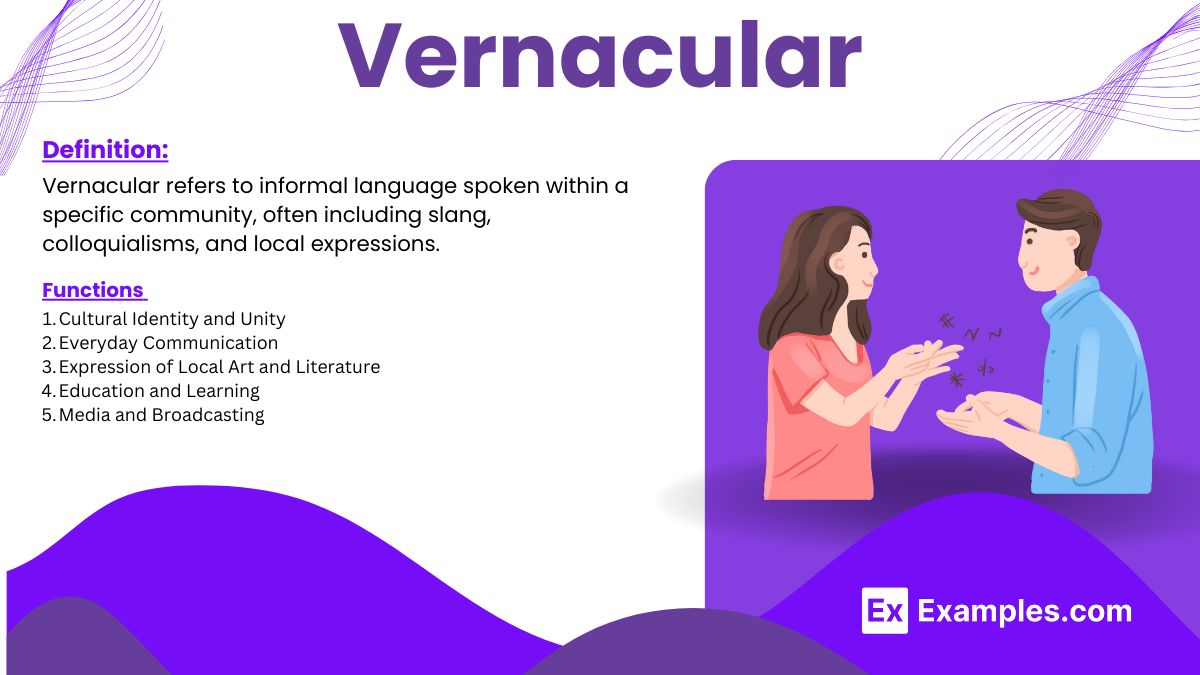
At its heart, a vernacular language is the everyday, native language spoken by a particular community or group of people in their home or region. It’s the language children learn from their parents, the language used in casual conversation, in local markets, in community gatherings, and for expressing deeply personal thoughts and emotions. This stands in contrast to languages that might be learned in a formal educational setting, used in official capacities (like government or academia), or adopted as a lingua franca for international communication.
The Spectrum of Language: From Standard to Vernacular
To truly grasp what a vernacular language is, it’s helpful to consider the broader spectrum of how languages function:
- Standard Language: This is typically the codified, formal version of a language, often promoted through education, media, and official institutions. It usually has established grammar rules, a widely accepted vocabulary, and is considered the “correct” or prestige form. For example, Standard English is what you’d typically encounter in academic writing or formal speeches.
- Dialect: A dialect is a variety of a language that is characteristic of a particular region or social group. Dialects can differ from the standard language in pronunciation, vocabulary, and grammar. While sometimes viewed pejoratively, dialects are natural linguistic evolutions.
- Vernacular Language: This is where the concept of “native” and “everyday” truly takes hold. A vernacular language is the most natural and instinctive form of communication for a group. It may or may not align perfectly with a recognized “standard” language. In some cases, a vernacular language might be a distinct dialect that has developed its own strong identity and community of speakers. In other instances, a vernacular language might be a minority language spoken within a larger linguistic territory, or even a language that is not officially recognized but is nevertheless the primary means of communication for a community.
It’s important to note that the line between dialect and vernacular can be blurry. A vernacular language is essentially a dialect that has become the primary, deeply embedded language of a community’s daily life and cultural expression. The key differentiator is the level of organic adoption and cultural significance.
Key Characteristics of Vernacular Languages
Several defining features characterize vernacular languages:
- Native Acquisition: They are learned from birth, passed down through generations within families and communities.
- Community Identity: They are intrinsically linked to a group’s sense of belonging, shared history, and cultural heritage. Speaking the vernacular often signifies an insider status.
- Informal Usage: While they can be used in more formal contexts, their primary domain is everyday, informal communication.
- Local Relevance: The vocabulary and expressions are often tailored to the specific environment, traditions, and social dynamics of the community.
- Dynamic and Evolving: Like all living languages, vernaculars are not static. They adapt to new experiences, incorporate loanwords, and evolve over time.
The Crucial Role of Vernacular Languages in Modern Society
While the allure of global languages and cutting-edge technology can sometimes overshadow the significance of local tongues, vernacular languages play an indispensable role across various facets of society, echoing the core interests of our website: Tech, Brand, and Money.
Vernacular Languages and Tech: Bridging the Digital Divide
The realm of technology, often perceived as a global equalizer, can inadvertently create new forms of exclusion if not approached with linguistic sensitivity.
AI and Natural Language Processing (NLP):
The advancements in Artificial Intelligence, particularly in Natural Language Processing (NLP), are revolutionizing how we interact with technology. However, a significant challenge in NLP is ensuring that these powerful tools are accessible and effective for speakers of all languages, including vernaculars.
- Bias in AI: Most NLP models are trained on vast datasets of dominant languages. This can lead to biases, where AI tools perform poorly or even inaccurately when interacting with vernacular languages. For instance, voice assistants might struggle to understand regional accents or specific idiomatic expressions, rendering them less useful for a significant portion of the population.
- Developing Inclusive Technology: The development of AI and software needs to actively incorporate vernacular languages. This involves collecting diverse linguistic data, training models on these datasets, and creating interfaces that cater to the linguistic diversity of users. Imagine a world where AI can accurately translate local proverbs, assist in agricultural advice in a farmer’s native tongue, or power customer service chatbots that understand the specific phrasing of a community.
- Accessibility and Digital Literacy: By supporting vernacular languages, technology becomes more accessible. This is crucial for digital literacy initiatives, educational platforms, and e-governance services. When information and tools are presented in a language people understand intuitively, it empowers them to participate more fully in the digital age, bridging the digital divide.
Software Localization and Apps:
The success of software and mobile applications often hinges on their ability to resonate with local users. This goes beyond simple translation; it involves localization that respects cultural nuances and linguistic specificities.

- Tailored User Experiences: Vernacular languages enable the creation of highly tailored user experiences. Apps designed for local markets can incorporate culturally relevant imagery, examples, and even user interface elements that align with the vernacular’s communication style. This fosters a deeper connection and higher engagement.
- Empowering Local Developers: Supporting vernacular languages in software development can empower local tech talent. Developers who are fluent in a vernacular can create innovative solutions that address specific community needs, leading to a more robust and diverse tech ecosystem.
- Digital Security in the Vernacular: Even digital security practices need to be communicated effectively. Instructions on safeguarding personal information or identifying phishing scams are far more impactful when delivered in the language people use and trust implicitly.
Vernacular Languages and Brand: Building Authentic Connections
In the competitive landscape of branding, authenticity and connection are paramount. Vernacular languages offer a powerful avenue for brands to forge genuine relationships with their target audiences.
Brand Strategy and Personal Branding:
- Deep Community Engagement: For businesses operating within specific regions or catering to distinct cultural groups, embracing the vernacular is a strategic imperative. It signals respect, understanding, and a genuine commitment to the community. This can be a powerful differentiator in brand strategy.
- Personal Branding and Credibility: For individuals, particularly those in niche markets or local service industries, speaking the vernacular can significantly enhance personal branding. It builds trust and credibility, making them appear more approachable and knowledgeable to their immediate audience. A local artisan, for instance, who uses the regional vernacular in their marketing and customer interactions, will likely build a stronger reputation than one who relies solely on a more formal or generic approach.
- Cultural Relevance in Marketing: Marketing campaigns that incorporate vernacular elements – be it in slogans, imagery, or even subtle linguistic cues – resonate more deeply with local consumers. This fosters a sense of belonging and makes the brand feel like an organic part of the community, rather than an external entity.
Corporate Identity and Reputation:
- Building Local Trust: A company’s corporate identity can be significantly strengthened by acknowledging and respecting the vernacular languages spoken by its employees and customers. This can manifest in internal communications, customer support, and even the company’s mission statement. A strong reputation in a community is often built on demonstrated cultural sensitivity.
- Case Studies in Success: Many successful businesses have demonstrated the power of vernacular marketing. Think of local food brands that use regional dialects in their advertising, or service providers who offer multilingual support in local languages. These case studies highlight how linguistic inclusivity can translate into market share and customer loyalty.
- Avoiding Cultural Missteps: Conversely, ignoring or disrespecting the vernacular can lead to significant reputational damage. Brands that impose their own linguistic norms without understanding local context risk alienating their audience and appearing out of touch.
Vernacular Languages and Money: Empowering Economic Participation
The ability to understand and participate in financial matters is crucial for individual and community economic well-being. Vernacular languages play a vital role in ensuring financial inclusivity.
Personal Finance and Investment Literacy:
- Demystifying Financial Concepts: Complex financial concepts, from budgeting and saving to investing and insurance, can be daunting. When these are explained in the vernacular, they become far more accessible. Financial literacy programs that utilize local language and relatable examples can empower individuals to make better financial decisions.
- Accessible Financial Tools: Online banking, investment platforms, and budgeting apps that are localized into vernacular languages are more likely to be adopted and used effectively. This reduces barriers to entry for individuals who may not be fluent in dominant global financial languages.
- Building Trust in Financial Institutions: Financial institutions that communicate with their customers in their native tongue build greater trust. This is particularly important in areas where historical distrust of formal institutions may exist.
Online Income and Side Hustles:
- Broader Market Access: For individuals seeking to generate online income or pursue side hustles, understanding the vernacular is key to reaching local markets. E-commerce platforms, freelance marketplaces, and local service directories that support vernacular languages can open up new economic opportunities.
- Effective Marketing for Small Businesses: Small business owners and entrepreneurs often rely on word-of-mouth and local advertising. By using the vernacular in their marketing materials, product descriptions, and customer interactions, they can effectively reach their target audience and grow their businesses.
- Empowering the Gig Economy: As the gig economy expands, the ability to communicate effectively with clients in their native language becomes a significant advantage for freelancers and independent contractors. This applies to everything from app-based delivery services to online tutoring.
The Future of Vernacular Languages: Preservation and Innovation
The ongoing globalization and digital transformation present both challenges and opportunities for vernacular languages. While some face the threat of endangerment due to the dominance of global languages, there are also exciting trends in their preservation and revitalization through technology and conscious cultural efforts.
Preserving Linguistic Heritage
The loss of a vernacular language is not just the loss of words; it’s the erosion of unique ways of thinking, storytelling, and understanding the world. Efforts to document, record, and teach vernacular languages are crucial for preserving cultural heritage for future generations. This involves:
- Digital Archiving: Creating digital archives of spoken vernaculars, including audio and video recordings, to serve as a resource for future linguistic study and cultural preservation.
- Educational Initiatives: Developing educational materials and programs that teach vernacular languages to younger generations, ensuring their continued transmission.
- Community-Led Revitalization: Empowering communities to lead their own language revitalization efforts, often drawing on traditional knowledge and contemporary tools.
Embracing Vernaculars in the Digital Age
Far from being obsolete in the face of digital progress, vernacular languages can thrive by embracing new technologies:
- Crowdsourced Translation: Platforms that allow communities to contribute to the translation and localization of digital content into their vernaculars.
- AI-Powered Language Learning Tools: Developing AI applications that can teach and reinforce vernacular languages, making learning more interactive and personalized.
- Digital Storytelling and Content Creation: Encouraging the creation of digital content – blogs, podcasts, videos, social media – in vernacular languages, thus increasing their visibility and usage.
In conclusion, a vernacular language is far more than just a local dialect. It is the vibrant, living voice of a community, deeply woven into its identity, culture, and everyday life. By understanding and valuing vernacular languages, we not only foster inclusivity and empower individuals but also enrich the global linguistic landscape and unlock new avenues for innovation in technology, branding, and economic participation. As we navigate the complexities of the modern world, recognizing the power and importance of vernacular tongues is not just a matter of linguistic interest, but a fundamental step towards a more connected, equitable, and culturally vibrant future.
aViewFromTheCave is a participant in the Amazon Services LLC Associates Program, an affiliate advertising program designed to provide a means for sites to earn advertising fees by advertising and linking to Amazon.com. Amazon, the Amazon logo, AmazonSupply, and the AmazonSupply logo are trademarks of Amazon.com, Inc. or its affiliates. As an Amazon Associate we earn affiliate commissions from qualifying purchases.