
In the rapidly evolving landscape of digital finance, Venmo has carved out a significant niche, becoming almost synonymous with peer-to-peer (P2P) payments, especially among younger demographics. But beyond its widespread usage as a verb (“Just Venmo me!”), what exactly is Venmo from a technological standpoint? At its core, Venmo is a mobile payment application designed to simplify the exchange of money between individuals, blurring the lines between social networking and financial transactions. It represents a potent blend of cutting-edge software engineering, robust security protocols, and intuitive user interface design, all engineered to facilitate seamless digital money transfers. This article delves into the technological architecture and operational mechanisms that define Venmo, exploring its functionalities, the underlying tech that ensures its reliability, and its continuous evolution within the broader digital ecosystem. It is a quintessential example of how mobile technology can revolutionize everyday financial interactions, making them faster, more accessible, and remarkably integrated into our digital lives.

The Technological Core: How Venmo Facilitates Digital Transactions
Venmo’s primary function is to enable users to send and receive money effortlessly through a smartphone application. This seemingly simple action relies on a complex technological infrastructure that bridges traditional banking systems with a modern, mobile-first platform. The journey of a Venmo payment, from initiation to completion, showcases a sophisticated orchestration of APIs, secure data transfer protocols, and real-time processing engines.
Bridging Accounts: Linking and Verifying Financial Data
The foundation of Venmo’s operation is its ability to securely connect with users’ existing financial accounts. Before any transaction can occur, a user must link a bank account, debit card, or credit card to their Venmo profile. This process is orchestrated through robust data encryption and secure third-party financial aggregation services, often leveraging bank-grade security measures. When a user enters their banking credentials, Venmo typically utilizes tokenization and secure gateway APIs to establish a verified connection without storing sensitive information directly on its servers. Instead, a token representing the account is used for future transactions, minimizing the risk of data breaches. This initial setup phase is critical, employing identity verification technologies to comply with Know Your Customer (KYC) regulations and anti-money laundering (AML) standards, ensuring that all linked accounts belong to the legitimate user. The technological challenge here lies in integrating with thousands of different financial institutions securely and reliably, a task managed by specialized APIs that standardize data exchange across disparate banking systems.
The Mechanics of Money Transfer: Real-time Payments and Notifications
Once accounts are linked and verified, the actual peer-to-peer transfer process is remarkably swift, often appearing instantaneous to the end-user. When a user sends money, the Venmo application transmits the request to its backend servers. These servers then communicate with the relevant financial institutions through payment gateway APIs. For transactions involving the Venmo balance or linked debit cards, the process is typically faster as funds can be debited and credited almost immediately. Credit card transactions often involve higher processing fees due to the interchange fees charged by card networks.
The “real-time” aspect of Venmo payments is a critical technological achievement. While the actual movement of funds between banks might take a day or two to fully settle (especially for transfers to external bank accounts), Venmo provides immediate credit to the recipient’s Venmo balance. This instant crediting is facilitated by Venmo’s internal ledger system, which updates user balances in real-time. The system then handles the asynchronous settlement with the external banks in the background. Furthermore, the application’s robust notification system leverages push notification services and SMS gateways to provide instant updates to both sender and receiver, ensuring transparency and confirmation of every transaction. This intricate choreography of front-end requests, backend processing, API calls to financial partners, and real-time ledger updates is what gives Venmo its signature speed and convenience.
Key Features and User Experience: Designing for Seamless Interaction
Venmo distinguishes itself not just through its core payment functionality but also through a suite of features meticulously designed to enhance the user experience. These features extend beyond simple money transfer, creating an ecosystem that is both highly functional and socially engaging, leveraging modern UI/UX principles and diverse technological implementations.
The Social Layer: Blending Payments with Digital Interaction
One of Venmo’s most iconic and distinguishing features is its social feed, which displays anonymized or public transactions between users. This “social layer” is not merely an aesthetic choice; it’s a fundamental aspect of Venmo’s design philosophy, leveraging social psychology to encourage engagement and normalize digital payments. Technologically, this involves sophisticated database management to store transaction metadata (sender, receiver, amount, description, emojis) and a dynamic content delivery system to populate individual user feeds. Users are given granular control over the privacy of their transactions—public, friends-only, or private—managed through robust permissions systems and user settings stored in the application’s backend. The implementation of emojis and short descriptions allows for expressive communication, which is parsed and displayed effectively through the app’s rendering engine. This fusion of financial transaction data with a social media-like interface was a pioneering move, transforming a utilitarian function into an interactive experience.
Beyond P2P: QR Codes, Business Profiles, and the Venmo Debit Card
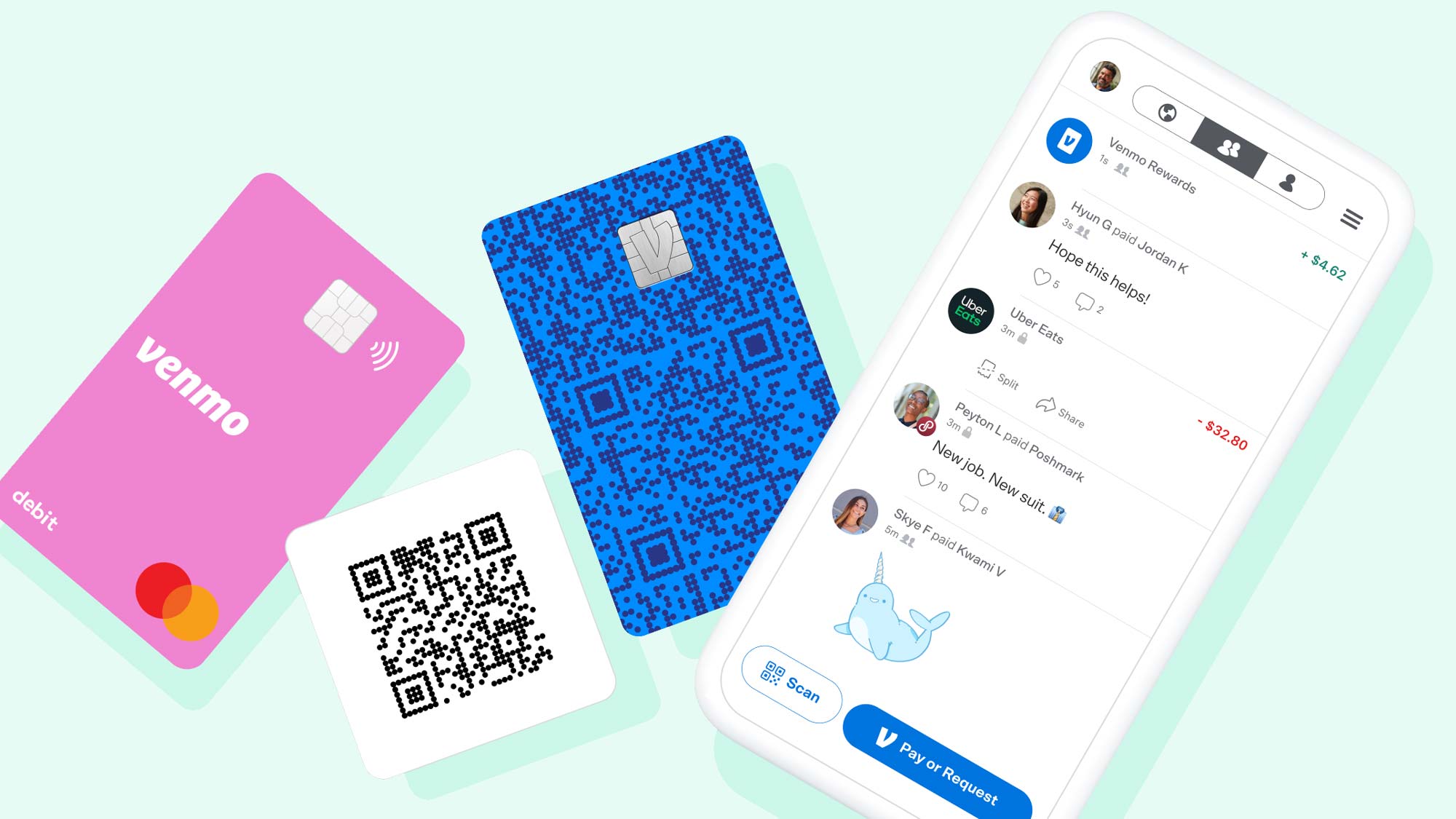
Venmo has evolved beyond its initial P2P focus, integrating additional technological features to expand its utility. QR code payments, for instance, utilize the device’s camera and image recognition algorithms to quickly process transactions without manual input of usernames. This enhances speed and reduces errors, particularly in in-person scenarios. Business profiles offer a specialized payment gateway for small businesses and freelancers, providing tools for tracking transactions and managing customer payments. This involves a dedicated API for merchants, allowing them to accept Venmo payments seamlessly and potentially integrate with their existing point-of-sale (POS) systems. The Venmo Debit Card, powered by Mastercard, further extends the platform’s reach. This physical card allows users to spend their Venmo balance directly at any merchant that accepts Mastercard. The technology behind this involves real-time authorization systems that debit the user’s Venmo balance immediately upon purchase, bridging the digital wallet with traditional card-based transaction networks. This necessitates secure card processing infrastructure, fraud monitoring, and seamless synchronization between the Venmo account and the card network.
Intuitive Interface: Navigating the App’s Design for Ease of Use
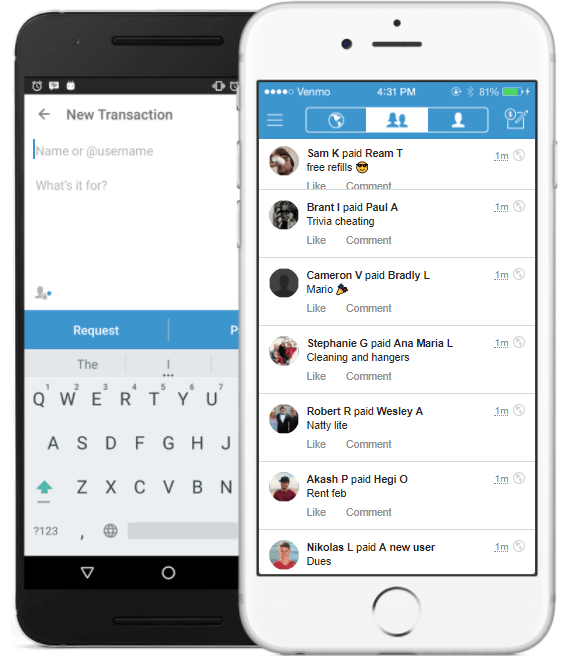
The success of any mobile application, especially one dealing with money, hinges significantly on its user interface (UI) and user experience (UX). Venmo’s design prioritizes clarity, simplicity, and efficiency. The app features a clean, uncluttered layout with logical navigation paths that allow users to quickly send or request money, view their transaction history, or adjust settings. This intuitive design is the result of extensive UX research and iterative development, focusing on minimizing friction points in the payment process. The underlying tech stack supports responsive design principles, ensuring a consistent and fluid experience across various mobile devices and operating systems (iOS and Android). Performance optimization is crucial, with developers constantly refining backend calls and front-end rendering to ensure swift loading times and responsive interactions, even under heavy network loads. Accessibility features are also integrated, allowing a broader range of users to interact effectively with the application.
Digital Security and Trust: Protecting User Data and Transactions
Given its role in handling sensitive financial data, Venmo places paramount importance on digital security. The platform employs a multi-layered security architecture, leveraging industry-standard protocols and advanced technologies to protect user information and ensure the integrity of every transaction. Building and maintaining user trust is fundamental to its operation.
Encryption and Data Protection Protocols
At the heart of Venmo’s security strategy are robust encryption protocols. All data transmitted between the user’s device and Venmo’s servers is secured using Transport Layer Security (TLS) and Secure Sockets Layer (SSL) encryption, the same technology used by banks and e-commerce giants. This encrypts personal and financial information, preventing unauthorized interception during transmission. Furthermore, sensitive data at rest—information stored on Venmo’s servers—is also encrypted using advanced algorithms. Venmo adheres to Payment Card Industry Data Security Standard (PCI DSS) compliance, a set of stringent security standards designed to ensure that all companies that process, store, or transmit credit card information maintain a secure environment. This commitment to encryption and industry standards provides a foundational layer of protection against cyber threats.
Fraud Detection and Prevention Systems
Beyond encryption, Venmo deploys sophisticated fraud detection and prevention systems that operate continuously in the background. These systems leverage a combination of machine learning algorithms, behavioral analytics, and rule-based engines to identify and flag suspicious activity. Machine learning models are trained on vast datasets of legitimate and fraudulent transactions to recognize patterns indicative of scams, unauthorized access, or money laundering attempts. If an anomaly is detected—such as an unusual login location, a large transaction out of character with past behavior, or a pattern linked to known fraud schemes—the system can automatically flag the transaction, temporarily hold funds, or even lock an account for further verification. Multi-factor authentication (MFA) is also a critical technological component, adding an extra layer of security by requiring users to verify their identity through a second device or method (e.g., a code sent to their phone) when logging in or performing sensitive actions.
User Empowerment: Privacy Controls and Reporting Mechanisms
While Venmo’s backend systems work tirelessly to secure the platform, the application also empowers users with tools to manage their own security and privacy. Users have complete control over the visibility of their transactions on the social feed, allowing them to choose between public, friends-only, or private settings. This privacy framework is supported by robust permissions management technology within the application. Furthermore, Venmo provides clear mechanisms for users to report unauthorized transactions, suspicious activity, or potential scams directly through the app. This reporting system channels information to Venmo’s security teams, who can then investigate and take appropriate action. Education on common scams and best security practices is also integrated into the user experience, reinforcing a collaborative approach to maintaining a secure environment.
The Evolution of a Payment Platform: Innovation and Future Trajectories
Venmo is not a static technology; it is a continually evolving platform that adapts to new user needs, emerging technological trends, and the ever-changing landscape of digital finance. Its journey since its inception reflects a constant drive towards greater integration, enhanced functionality, and a seamless payment experience.
Integration with the Broader Digital Ecosystem
From its beginnings as a standalone P2P app, Venmo has steadily integrated itself into the wider digital ecosystem. As a subsidiary of PayPal, it benefits from shared technological infrastructure and expertise, allowing for more robust backend operations and broader reach. Venmo has also developed APIs that enable third-party applications and services to integrate its payment functionalities, such as allowing users to pay for goods and services directly from their Venmo balance on participating merchant websites or apps. This extensibility through APIs is a key technological strategy, expanding Venmo’s utility beyond personal transfers to a viable e-commerce payment method. Such integrations require careful management of security protocols and data exchange standards to ensure smooth and secure interactions across different platforms. The ability to link with other digital wallets or financial management tools further solidifies its position as a central player in a connected financial world.
Anticipating the Next Wave: Emerging Technologies in Payments
The future of Venmo, like much of digital finance, will undoubtedly be shaped by emerging technologies. While maintaining its core focus on user-friendliness and P2P payments, Venmo is well-positioned to explore advancements in areas like blockchain technology and instant payment networks. Distributed ledger technologies, for instance, could potentially offer even faster, more transparent, and lower-cost cross-border transactions, although their integration into a traditional payment system like Venmo would involve significant architectural overhauls. Artificial intelligence (AI) and machine learning (ML) are likely to play an even larger role in personalizing user experiences, offering predictive insights into spending habits, and further enhancing fraud detection capabilities. The continued development of biometrics for authentication (fingerprint, facial recognition) will also contribute to even more secure and seamless access. As the digital economy grows, Venmo’s technological evolution will continue to focus on creating intuitive, secure, and integrated payment solutions that keep pace with user expectations and the cutting edge of financial technology.
In conclusion, Venmo is far more than just an app for sending money; it is a sophisticated technological construct that has reshaped how individuals interact with their finances. Through its robust backend infrastructure, user-centric design, stringent security measures, and continuous innovation, Venmo stands as a testament to the transformative power of technology in making financial transactions effortless, efficient, and deeply integrated into our digital lives. Its ongoing evolution will undoubtedly continue to push the boundaries of what is possible in the realm of mobile payments.
aViewFromTheCave is a participant in the Amazon Services LLC Associates Program, an affiliate advertising program designed to provide a means for sites to earn advertising fees by advertising and linking to Amazon.com. Amazon, the Amazon logo, AmazonSupply, and the AmazonSupply logo are trademarks of Amazon.com, Inc. or its affiliates. As an Amazon Associate we earn affiliate commissions from qualifying purchases.