
In the rapidly evolving landscape of digital finance, Venmo has emerged as a cornerstone, fundamentally reshaping how individuals send and receive money. A Venmo payment, at its core, is a peer-to-peer (P2P) electronic money transfer facilitated by the Venmo mobile application or website. It’s a digital transaction designed for convenience, speed, and social interaction, primarily used for splitting costs, paying back friends, or making small purchases. More than just a simple transfer, a Venmo payment is an entry point into a broader ecosystem of digital financial management, offering insights into modern personal finance and the tools individuals use to manage their money in the 21st century.

Venmo, a subsidiary of PayPal, has successfully tapped into a demand for instant, frictionless financial interactions, particularly among younger demographics. Its popularity stems from its ease of use, integrated social features, and the perceived simplicity of its payment process. Understanding “what a Venmo payment is” therefore requires delving beyond the mere act of sending money, exploring its mechanisms, its role in personal finance, and the critical financial considerations that users must navigate.
The Core Mechanism of a Venmo Payment
At the heart of every Venmo payment lies a straightforward digital transaction designed to move funds between users with minimal friction. This mechanism leverages digital connectivity to bypass many of the traditional hurdles associated with bank transfers or physical cash exchanges, making it an indispensable tool for everyday financial interactions.
Peer-to-Peer Simplicity: Explaining P2P Transfers
The foundational principle of a Venmo payment is its peer-to-peer (P2P) nature. This means money is transferred directly from one individual’s Venmo account to another’s. Unlike traditional banking wires or checks, which often involve intermediary banks and delayed clearing times, Venmo aims for near-instantaneous transfers within its closed system. Users connect their Venmo accounts using usernames, phone numbers, or email addresses, facilitating a direct digital exchange.
A distinctive feature of Venmo’s P2P model is its social feed. While users can choose to make transactions private, a public or friends-only feed displays payment activity (without revealing amounts). This social layer, often accompanied by emojis and brief descriptions, adds a unique dimension to financial transactions, turning what might typically be a dry exchange into an engaging, shared experience. For many, this transparency and social interaction further demystifies the act of sending and receiving money, fostering a sense of community around financial transactions.
Funding Your Payments
To initiate a Venmo payment, funds must be available in the sender’s account. Venmo offers several flexible options for users to fund their payments, each with its own financial implications:
- Venmo Balance: The most direct method is using funds already held within the user’s Venmo balance, accumulated from received payments or direct deposits. Payments from the Venmo balance are typically processed without fees.
- Linked Bank Account: Users can link their checking or savings accounts to Venmo. This is a common and usually free way to fund payments. When a payment is made using a linked bank account, Venmo draws the funds directly from that account.
- Debit Card: Linking a debit card provides another convenient and generally free option for funding Venmo payments. It functions similarly to a bank account in terms of transaction speed and cost for standard payments.
- Credit Card: While credit cards can be linked, Venmo typically charges a 3% fee for sending money via a credit card to cover the processing costs. This fee makes credit card funding a less attractive option for casual P2P payments but can be useful for emergencies or when managing cash flow.
Understanding these funding sources is crucial for managing personal finance effectively through Venmo, as the choice can impact immediate costs and access to funds.
Sending and Receiving Funds
The process of sending and receiving a Venmo payment is designed to be intuitive:
- Sending: A user selects the “Pay or Request” option, chooses the recipient from their contacts or searches for their username, enters the amount, adds a note (often with emojis), and selects their preferred funding source. They then tap “Pay.”
- Receiving: When a payment is sent, the recipient is instantly notified within the app. The funds are typically available in their Venmo balance immediately. From there, the recipient can choose to keep the funds in their Venmo balance for future payments, or transfer them out to a linked bank account.
Transferring funds out of Venmo to a bank account also has financial considerations. Standard transfers to a bank account are free but can take 1-3 business days. For those needing immediate access to funds, Venmo offers an “Instant Transfer” option, which typically deposits funds into a linked debit card or bank account within minutes, but incurs a small fee (e.g., 1.75% with a minimum and maximum fee). This flexibility provides users with control over their money based on their urgency and willingness to pay a fee.
Venmo’s Role in Modern Personal Finance
Venmo’s ascent is not merely due to its technical functionality; it’s largely because of its profound impact on daily financial habits and its integration into the fabric of modern personal finance. It has transformed casual money exchanges from an occasional hassle into an effortless interaction, fostering new ways for individuals to manage their budgets and expenses.
Convenience and Speed
The most significant contribution of Venmo to personal finance is its unparalleled convenience and speed. The ability to send or request money in seconds eliminates the awkwardness of IOUs, the need for exact change, or the delays of traditional banking methods.
- Splitting Bills: Venmo has become the quintessential tool for splitting dining bills, rent, utility costs, or group travel expenses. Instead of one person fronting the entire cost and waiting for reimbursement, Venmo allows for quick and precise division of expenses, making group financial interactions seamless.
- Instant Transfers: While not truly instantaneous to an external bank account without a fee, the immediate availability of funds within the Venmo ecosystem means that money changes hands digitally almost instantly. This speed is critical in situations where timely payments are essential, such as sharing ride-share costs or reimbursing a friend for concert tickets.
This blend of convenience and speed significantly reduces the friction in daily financial interactions, allowing individuals to manage shared expenses more efficiently and amicably.
Budgeting and Expense Tracking
While Venmo isn’t a dedicated budgeting application, its features can indirectly assist with personal financial management:
- Digital Record-Keeping: Every Venmo transaction is recorded within the app, creating a digital ledger of P2P payments. Users can review their transaction history to see where their money has gone and where it has come from. This digital footprint can be a valuable resource for tracking specific categories of spending, especially social or shared expenses.
- Categorization Through Notes: While informal, the notes accompanying Venmo payments often provide context for the transaction (e.g., “dinner,” “rent,” “gas”). Although not automatically categorized by Venmo, these notes can help users manually categorize expenses if they export their transaction history for personal budgeting software.
For many users, Venmo serves as a primary financial tool for a segment of their spending, offering a clear, itemized account of these specific transactions.
Beyond P2P: Business Profiles and Purchases
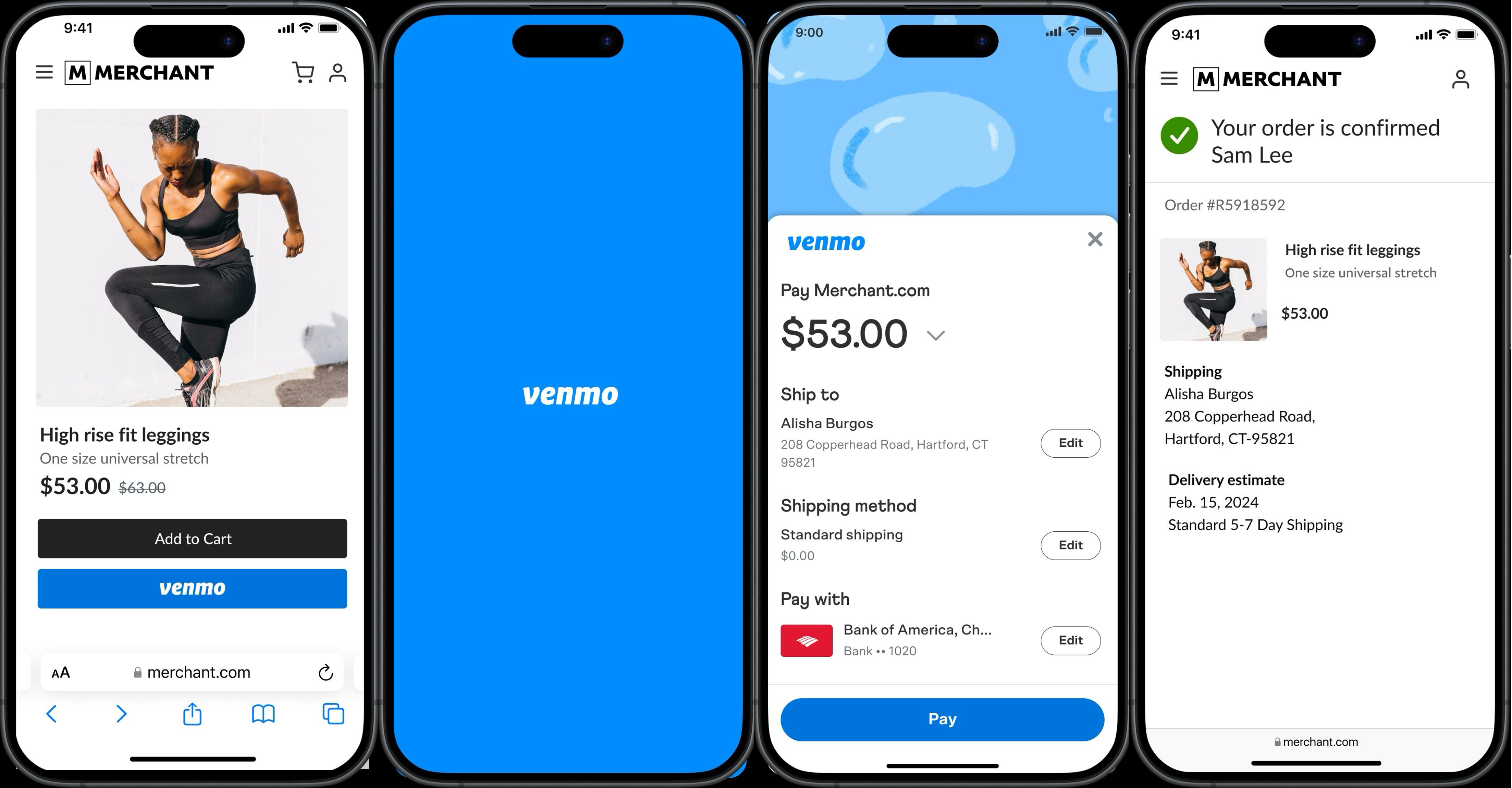
Recognizing its potential beyond simple P2P transfers, Venmo has expanded its offerings to cater to small businesses and commercial transactions, integrating itself more deeply into the broader financial ecosystem:
- Business Profiles: Small businesses, freelancers, and sole proprietors can create Venmo Business Profiles, allowing them to accept payments from customers directly through the app. This is particularly popular for services like dog walking, tutoring, or local artisan sales. These profiles offer a convenient, low-cost method for accepting digital payments, often with a small seller transaction fee, making Venmo a viable tool for managing business finances for smaller operations.
- Purchases with Participating Merchants: Venmo has partnered with various online retailers and physical stores, allowing users to pay directly with their Venmo balance or linked funding source at checkout. This capability extends Venmo’s utility beyond P2P, turning it into a general-purpose digital wallet for consumer purchases. This expansion means Venmo payments are no longer just about paying friends; they’re increasingly about facilitating everyday commercial transactions, blurring the lines between personal finance and small-scale business finance.
Understanding the Financial Implications and Security
While Venmo offers unparalleled convenience, a comprehensive understanding of a Venmo payment necessitates a clear grasp of its associated financial implications, particularly fees and security measures. Prudent management of personal finances requires awareness of these critical aspects.
Fees and Costs
Venmo’s fee structure is generally transparent but varies depending on the type of transaction and funding source:
- Standard P2P Payments: Most P2P payments funded by a linked bank account, debit card, or Venmo balance are free. This is a major factor in its popularity for casual money transfers.
- Credit Card Funding: A notable exception is sending money using a linked credit card, which incurs a 3% sender fee. This fee covers the processing costs charged by credit card networks. Savvy users typically avoid this fee by using debit cards or bank accounts for payments.
- Instant Transfers: While standard transfers from Venmo to a bank account are free (taking 1-3 business days), “Instant Transfers” for immediate access to funds carry a 1.75% fee, with a minimum fee of $0.25 and a maximum of $25. This allows users to weigh the urgency of their funds against the cost.
- Business Profile Fees: When a customer pays a Venmo Business Profile, the business typically incurs a small seller transaction fee (e.g., 1.9% + $0.10 per transaction). This is standard for digital payment processors and is a cost of doing business.
Understanding these fees is vital for users to avoid unexpected charges and to choose the most cost-effective method for their financial needs.
Protecting Your Funds
Digital payments inherently carry security risks, and Venmo employs various measures to protect user funds, though users also bear responsibility for best practices:
- Encryption and Fraud Detection: Venmo utilizes data encryption to protect financial information and employs advanced fraud detection tools to monitor transactions for suspicious activity.
- PIN/Biometric Authentication: Users can enable PINs, fingerprint ID, or facial recognition for app access and payments, adding a layer of security against unauthorized use of their device.
- Two-Factor Authentication (2FA): Implementing 2FA adds an extra step to the login process, requiring a code sent to a verified phone number or email, significantly enhancing account security.
- User Best Practices: Crucially, users must exercise caution. This includes using strong, unique passwords, avoiding public Wi-Fi for financial transactions, and critically, verifying recipients’ identities (usernames, phone numbers, emails) before sending money. Sending money to the wrong person on Venmo is often irreversible, as it operates like a cash transaction.
Dispute Resolution and Fraud Protection
While Venmo strives for security, issues can arise. Venmo offers some levels of buyer and seller protection for eligible purchases made with authorized merchants, akin to credit card protections. However, for standard P2P payments between friends, Venmo’s policy is generally that payments are final. This means if you mistakenly send money to the wrong person or are involved in a scam related to a P2P transfer, it can be extremely difficult to recover the funds.
Users are encouraged to contact Venmo support for unauthorized transactions or suspected fraud. Venmo will investigate, but the finality of P2P transfers underscores the importance of exercising extreme diligence and caution when interacting with unknown individuals or making payments for goods and services outside of established business profiles.
Integrating Venmo into Your Financial Ecosystem
Venmo is no longer just a standalone app; it has evolved into a comprehensive financial tool that can be integrated into a broader personal finance strategy. Its expansion into physical cards and other advanced features demonstrates its ambition to be a central part of how users manage their money.
The Venmo Debit Card and Credit Card
To further bridge the gap between digital and physical transactions, Venmo offers physical cards:
- Venmo Debit Card: This Mastercard-branded debit card is linked directly to a user’s Venmo balance. It allows users to spend their Venmo balance anywhere Mastercard is accepted, withdraw cash from ATMs, and earn cash back rewards at select merchants. This turns a user’s digital Venmo balance into a liquid asset usable in the real world, enhancing financial flexibility.
- Venmo Credit Card: This Visa credit card offers cash back on purchases made with the card, categorized based on spending. The rewards are automatically deposited into the user’s Venmo account. This card integrates credit into the Venmo ecosystem, providing another financial tool for managing spending and earning rewards, while the user can manage their account directly through the Venmo app.
These cards extend the utility of Venmo beyond the app, making it a more comprehensive tool for daily spending and credit management.
Direct Deposit and Cryptocurrency
Venmo continues to innovate, introducing features that position it as a more robust financial platform:
- Direct Deposit: Users can set up direct deposit to receive their paychecks or government payments directly into their Venmo account. This effectively turns Venmo into a quasi-bank account for some users, providing quick access to funds without needing to transfer from a traditional bank. This feature significantly enhances Venmo’s role in managing primary income streams.
- Cryptocurrency: Venmo has ventured into the world of cryptocurrency, allowing users to buy, hold, and sell a selection of cryptocurrencies directly within the app. While not a core “payment” feature in the traditional sense, it represents an expansion into digital asset management, offering users a convenient way to explore new financial frontiers within a familiar platform. This shows Venmo’s commitment to evolving with digital financial trends.

Comparison with Other Financial Tools
Understanding Venmo’s position within the larger financial landscape helps contextualize its utility. While it shares similarities with other P2P apps like Zelle and Cash App, or its parent company PayPal, each has unique characteristics:
- Zelle: Often integrated directly into banking apps, Zelle offers bank-to-bank transfers, which can feel more secure for some users and often have higher transaction limits. However, it lacks Venmo’s social features and the ability to hold a balance within the app.
- Cash App: Similar to Venmo, Cash App offers P2P transfers, a debit card, and even allows for investing in stocks and Bitcoin. It has its own distinct brand and user base.
- PayPal: As Venmo’s parent company, PayPal is more globally focused, supports a wider range of currencies, and has a more established merchant processing network. Venmo is generally seen as the more casual, social P2P option.
Venmo’s niche remains its blend of convenience, social interaction, and robust features for personal and small-scale business finance, making it a distinct and valuable tool in a diverse financial ecosystem.
In conclusion, a Venmo payment is far more than just a digital transfer; it’s a financial transaction embedded in a social and convenient mobile experience. It represents a significant evolution in personal finance, offering users rapid P2P transfers, flexible funding options, and an expanding suite of features that extend from simple bill splitting to integrated debit and credit card use, direct deposit, and even cryptocurrency trading. While its ease of use is a major draw, understanding its fee structures, security protocols, and role within your broader financial ecosystem is paramount for leveraging Venmo effectively and responsibly as a modern financial tool. Its continued growth and innovation solidify its position as a key player in how individuals manage and interact with their money today.
aViewFromTheCave is a participant in the Amazon Services LLC Associates Program, an affiliate advertising program designed to provide a means for sites to earn advertising fees by advertising and linking to Amazon.com. Amazon, the Amazon logo, AmazonSupply, and the AmazonSupply logo are trademarks of Amazon.com, Inc. or its affiliates. As an Amazon Associate we earn affiliate commissions from qualifying purchases.