
In today’s fast-paced digital landscape, success hinges on more than just launching a product or implementing a marketing campaign. It’s about understanding why things happened the way they did, especially when it comes to performance and financial outcomes. This is where the concept of variance analysis becomes an indispensable tool, bridging the gap between planned objectives and actual results. Whether you’re a burgeoning startup charting a new course, an established corporation refining its strategies, or an individual striving for better personal finance, grasping variance analysis is key to informed decision-making and continuous improvement.
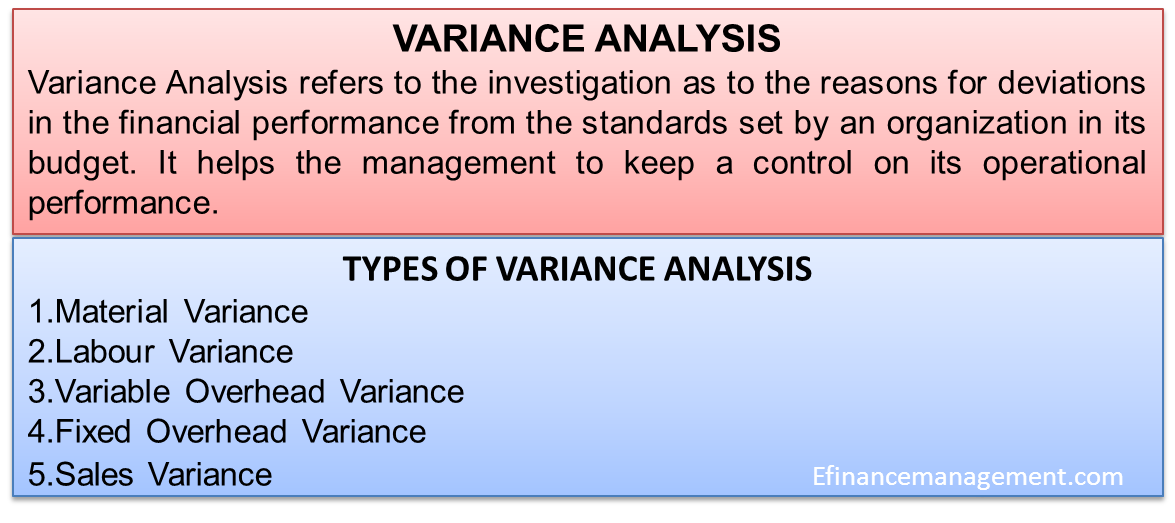
The core of variance analysis lies in its ability to dissect discrepancies. It’s a systematic process of comparing planned or budgeted figures against actual outcomes. The “variance” itself is simply the difference between these two points. But the true power of variance analysis isn’t in identifying that a difference exists; it’s in uncovering the reasons behind it. By delving into these variances, businesses and individuals can gain profound insights into what’s working, what’s not, and where adjustments are needed.
Think of it like navigating with a GPS. You set your destination (your plan or budget), and the GPS tracks your actual progress. If you deviate from the planned route, the GPS alerts you and helps you recalibrate. Variance analysis does the same for your business or financial goals, providing critical data to steer you back on track or identify a more efficient path.
The relevance of variance analysis permeates across the core pillars of the digital economy that influence our modern lives: Tech, Brand, and Money. In the realm of Tech, it’s about understanding the performance of new software, the ROI of AI tool implementation, or the actual cost of developing a new gadget compared to projections. For Brand strategy, it’s crucial for measuring the effectiveness of marketing campaigns, understanding why a personal branding initiative is or isn’t resonating, or analyzing the impact of reputation management efforts against set goals. And in the world of Money, variance analysis is fundamental to personal finance, investment returns, and the financial health of any business, from tracking online income streams to managing intricate corporate budgets.
Understanding the Core Concepts of Variance Analysis
At its heart, variance analysis is a comparative tool. It requires establishing clear baselines – the planned or budgeted figures – and then meticulously tracking and comparing them against actual, real-world results. The process typically involves several key steps:
Identifying and Quantifying Variances
The first step is to identify where variances have occurred. This involves gathering all relevant data for both the planned and actual outcomes. For example, in a business context, this could mean comparing projected sales revenue for a quarter against the actual revenue generated. In personal finance, it might be comparing your monthly budget for groceries against your actual spending.
Once identified, these variances are quantified. This means calculating the exact difference, usually in absolute monetary terms or as a percentage. For instance, if a company budgeted $10,000 for a marketing campaign and actually spent $12,000, the variance is $2,000. Similarly, if your planned monthly savings were $500 and you only managed to save $300, the variance is $200.
Analyzing the Causes of Variances
This is where the real value of variance analysis lies. Simply knowing that a variance exists is only half the battle. The crucial part is to understand why it happened. This involves digging deeper and asking probing questions.
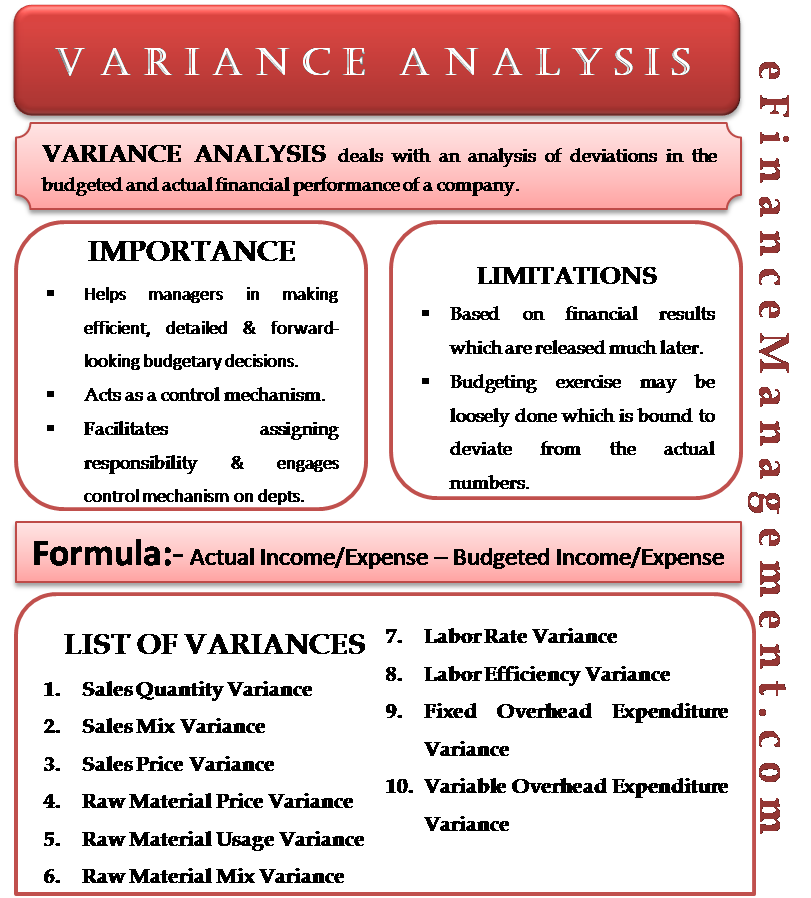
- Favorable vs. Unfavorable Variances: Variances are often categorized as either “favorable” or “unfavorable.” A favorable variance is one that has a positive impact on profit or net worth. For example, if actual sales revenue is higher than budgeted, that’s a favorable revenue variance. Conversely, if actual costs are lower than budgeted, that’s a favorable cost variance. An unfavorable variance has a negative impact. If actual costs are higher than budgeted, that’s an unfavorable cost variance.
- Investigating the Drivers: For each significant variance, a thorough investigation is necessary. This might involve:
- For Revenue Variances: Were there changes in sales volume, selling prices, product mix, or market demand? Did competitor actions play a role? Was the marketing campaign more or less effective than anticipated?
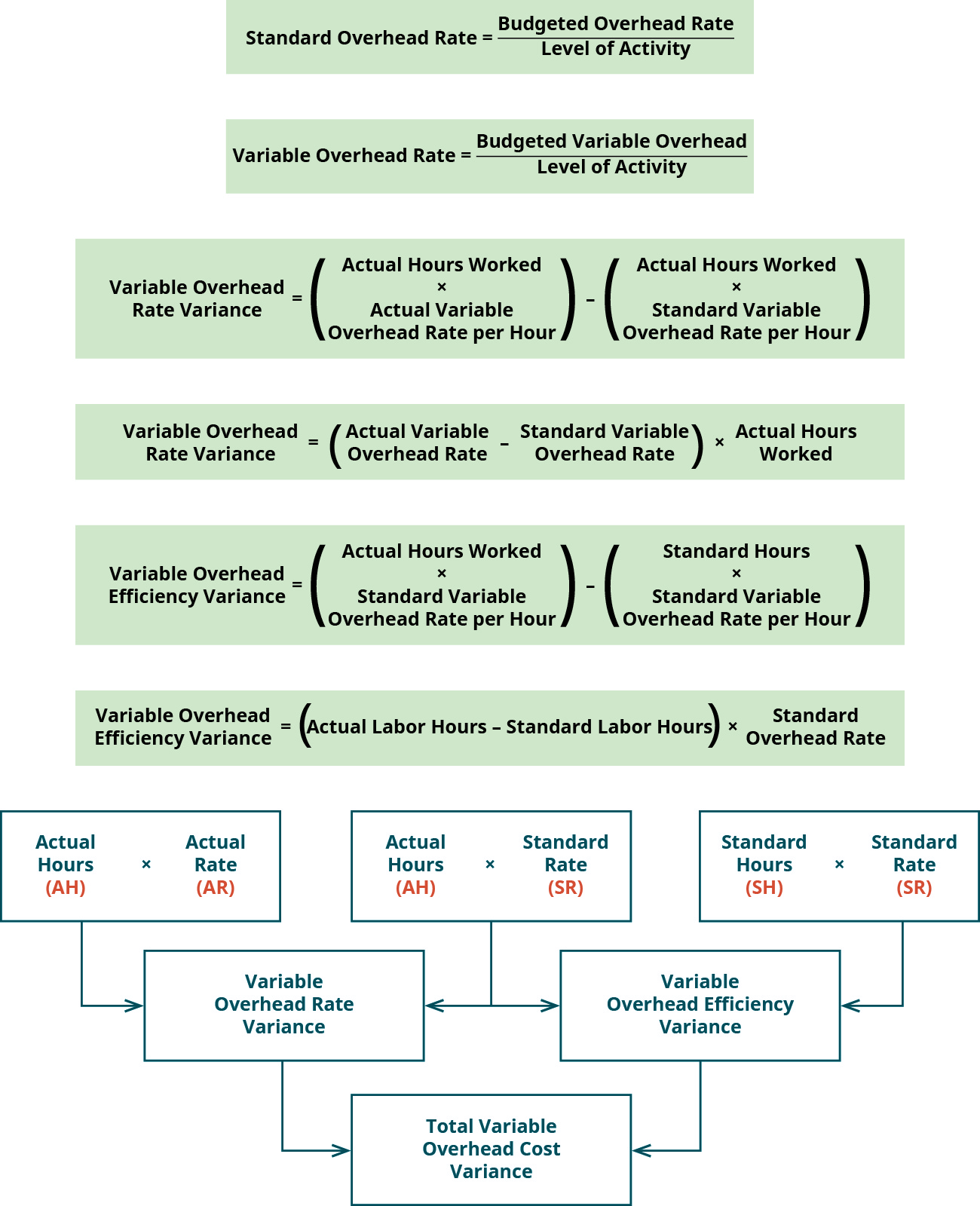
- For Cost Variances: Were there unexpected increases in raw material prices, labor costs, or overheads? Were there inefficiencies in production or service delivery? Did technology glitches lead to increased maintenance costs?
- For Time-Based Variances (e.g., Project Deadlines): Were there unforeseen technical challenges, resource constraints, or scope creep?
The depth of this analysis depends on the nature of the variance and its potential impact. A small, insignificant variance might not warrant extensive investigation, but larger or consistently recurring variances demand thorough scrutiny.
Taking Corrective Actions and Refining Plans
The ultimate goal of variance analysis is to drive improvement. Once the causes of variances are understood, appropriate corrective actions can be taken.
- Addressing Unfavorable Variances: If costs are consistently higher than budgeted due to inefficient processes, the corrective action might be to implement new operational procedures, invest in automation tools, or provide additional training. If sales are lower than expected, the marketing strategy might need to be re-evaluated, or pricing adjustments considered.
- Leveraging Favorable Variances: Favorable variances aren’t just good news; they can also offer valuable insights. If a marketing campaign significantly outperformed expectations, understanding the specific elements that contributed to its success can inform future campaigns. If a new AI tool led to unexpected cost savings, exploring its wider application could be beneficial.
- Updating Future Plans: The insights gained from variance analysis should directly feed into the revision of future plans, budgets, and forecasts. This creates a continuous feedback loop, making planning more realistic and effective over time. If initial projections were consistently off the mark in a particular area, the next planning cycle should incorporate these learnings to set more achievable targets.
Variance Analysis in the Digital Ecosystem: Tech, Brand, and Money
The principles of variance analysis are remarkably versatile, finding practical applications across the core domains that shape our digital world.
Variance Analysis in Tech: Optimizing Performance and ROI
In the rapidly evolving world of technology, variance analysis is critical for making informed decisions about development, implementation, and resource allocation.
- Software Development and AI Tools: When developing new software or integrating AI tools, project managers set budgets for development time, resources, and expected performance metrics. Variance analysis helps track if the project is on budget and on schedule. For instance, if a new AI model is taking longer to train than projected, a variance analysis would investigate the reasons – perhaps the dataset was more complex than anticipated, or the chosen algorithms weren’t as efficient as hoped. Similarly, if the actual cost of deploying an AI solution exceeds the budget, the analysis would pinpoint whether it was due to infrastructure costs, licensing fees, or unforeseen integration challenges.
- Gadget Development and App Releases: For hardware products or mobile applications, variance analysis can compare the actual cost of manufacturing or development against the budgeted figures. Were there unexpected material costs for a new gadget? Did the app development cycle run over budget due to bugs or feature changes? Beyond cost, variance analysis can also be applied to performance metrics. For example, if an app was expected to achieve a certain download rate or user engagement level, variance analysis can highlight deviations and help understand why.
- Digital Security and Productivity Tools: In the realm of digital security, variance analysis can be used to assess the effectiveness of implemented measures against projected threat reduction. If a new cybersecurity solution was expected to reduce phishing attempts by a certain percentage, variance analysis would compare this target with the actual reduction. For productivity tools, imagine budgeting for increased output or reduced task completion times after implementing a new app or workflow. Variance analysis would then measure the actual impact against these projections, highlighting whether the tool delivered on its promise or if further optimization is needed.
Variance Analysis in Brand Management: Measuring Impact and Reputation
For brands, understanding how their strategies perform against expectations is paramount for growth and sustained relevance.
- Brand Strategy and Corporate Identity: When a company launches a new brand strategy or redefines its corporate identity, it often sets measurable goals – for example, increased brand awareness, improved customer perception, or a specific market share. Variance analysis helps assess whether these goals are being met. If a campaign aimed at increasing brand recall by 20% only achieved 15%, variance analysis would delve into why – was the messaging flawed, was the reach insufficient, or did competitors launch counter-campaigns?
- Marketing Campaigns and Case Studies: Marketing is a prime area for variance analysis. Budgets are set for advertising spend, content creation, and promotional activities, with expected returns on investment (ROI). Variance analysis compares actual campaign costs and results against these projections. Did a social media campaign generate more leads than anticipated? Was the cost per acquisition (CPA) lower than budgeted? Insights from these variances inform future marketing strategies, helping to allocate resources more effectively and refine campaign tactics. Analyzing successful case studies often involves understanding the variances between planned efforts and the exceptional outcomes achieved.
- Reputation Management: Building and maintaining a positive reputation is a continuous effort. Companies might set targets for media sentiment, online reviews, or crisis communication response times. Variance analysis can track deviations from these targets. If negative sentiment spiked unexpectedly, a variance analysis would seek to understand the root cause – was it a product issue, a customer service failure, or misinformation?
Variance Analysis in Money Matters: From Personal Budgets to Business Finance
Financial performance is perhaps the most direct and widespread application of variance analysis, touching every aspect of our financial lives.
- Personal Finance and Investing: For individuals, personal finance is a daily exercise in managing money. Budgets are set for various spending categories (groceries, entertainment, utilities), savings goals are established, and investment portfolios have expected return rates. Variance analysis helps individuals understand where their money is going and whether they are on track to meet their financial objectives. If you consistently overspend in one category, variance analysis highlights this, allowing you to adjust your spending or revise your budget. In investing, comparing actual portfolio returns against expected returns helps identify underperforming assets or unexpected gains, informing future investment decisions.
- Online Income and Side Hustles: For those pursuing online income or side hustles, setting revenue targets and managing expenses is crucial. Variance analysis can track whether actual income streams are meeting projections and if the costs associated with these ventures are within the planned budget. For instance, if you’re selling products online, variance analysis can compare projected profit margins against actual ones, identifying whether increased advertising costs or lower-than-expected selling prices are the culprits.
- Business Finance and Financial Tools: For businesses of all sizes, variance analysis is a cornerstone of financial management. Budgeting for revenue, expenses, and capital expenditures is a regular practice. Variance analysis allows businesses to:
- Monitor Profitability: Compare actual profit against budgeted profit to understand revenue and cost drivers.
- Control Costs: Identify areas where spending is exceeding budget, enabling timely intervention and cost-saving measures.
- Improve Forecasting: Use historical variance data to create more accurate future financial forecasts and budgets.
- Evaluate Performance: Assess the performance of different departments, projects, or products based on their financial outcomes relative to their plans.
Financial tools, from spreadsheets to sophisticated enterprise resource planning (ERP) systems, are instrumental in facilitating variance analysis by automating data collection, calculation, and reporting.
In conclusion, variance analysis is not merely an accounting or financial technique; it’s a strategic imperative for anyone aiming for success in the modern, data-driven world. By systematically comparing what was planned with what actually happened, and by diligently investigating the reasons behind any discrepancies, individuals and organizations can unlock deeper insights, make more informed decisions, and ultimately, achieve their goals more effectively across technology, brand building, and financial management. It’s the essential process of learning from the past to shape a more successful future.
aViewFromTheCave is a participant in the Amazon Services LLC Associates Program, an affiliate advertising program designed to provide a means for sites to earn advertising fees by advertising and linking to Amazon.com. Amazon, the Amazon logo, AmazonSupply, and the AmazonSupply logo are trademarks of Amazon.com, Inc. or its affiliates. As an Amazon Associate we earn affiliate commissions from qualifying purchases.