
The evolution of the internal combustion engine has shifted from purely mechanical synchronization to a sophisticated dance of electromechanical precision. At the heart of this transformation is a critical component that bridges the gap between digital instructions and physical movement: the variable timing solenoid. Often referred to as the Variable Valve Timing (VVT) solenoid, this device is a masterpiece of modern engineering, representing a pivotal advancement in how we optimize energy, efficiency, and performance in automotive technology.
To understand what a variable timing solenoid is, one must view it not just as a car part, but as an actuator within a complex network of sensors and software. It is the physical interface that allows a vehicle’s computer to alter the engine’s breathing patterns in real-time, ensuring that the hardware adapts to the demands of the driver and the environment instantaneously.
The Mechanics of Modern Performance: Defining the VVT Solenoid
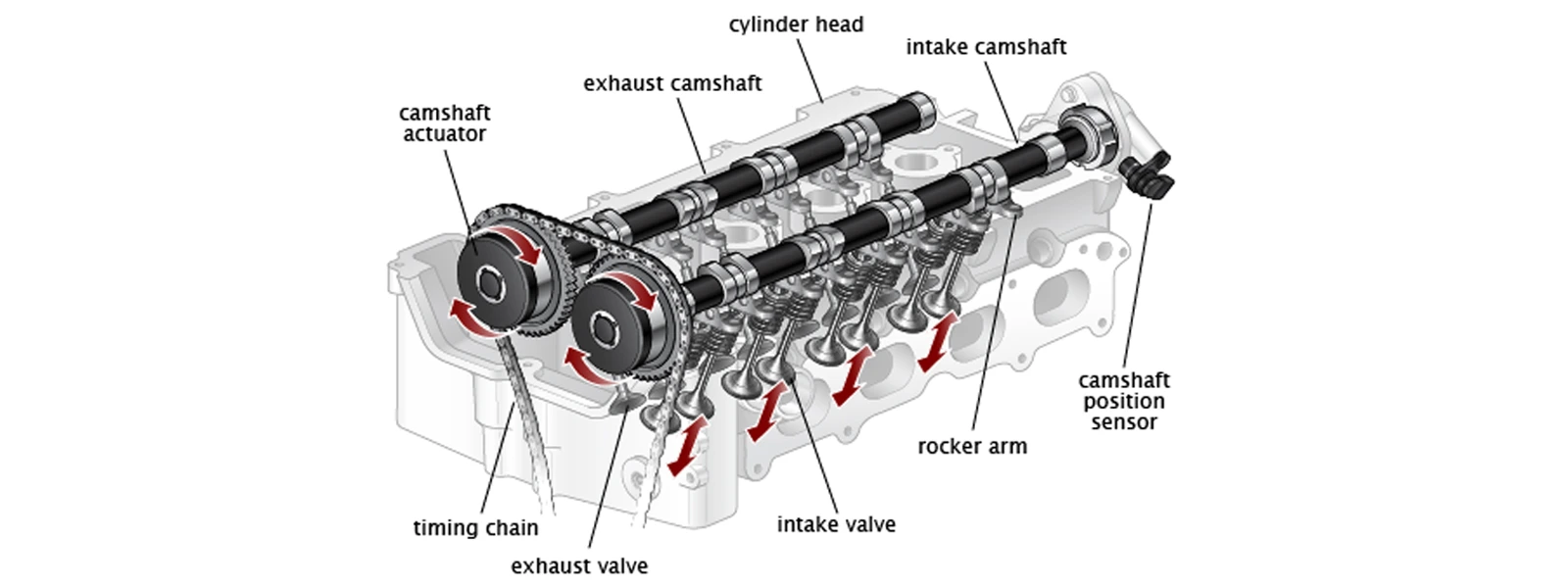
At its most basic level, a variable timing solenoid is an electro-hydraulic actuator. Its primary function is to control the flow of engine oil to the camshaft phasers. By directing this pressurized oil, the solenoid can advance or retard the position of the camshaft, which in turn changes when the intake and exhaust valves open and close.
From Fixed to Variable: A Technological Leap
In legacy engine designs, valve timing was “fixed.” The relationship between the crankshaft and the camshaft was set by a belt or chain, meaning the valves always opened at the same point in the piston’s stroke. This forced engineers to compromise: they had to choose a timing profile that worked “okay” at low speeds or “okay” at high speeds, but never perfectly at both.
The introduction of the VVT solenoid changed the paradigm. By introducing a “variable” element, the engine could now optimize its valve lift and duration on the fly. This tech shift allowed engines to produce high torque at low RPMs for city driving while maintaining high horsepower at high RPMs for highway acceleration.
The Components of the Solenoid
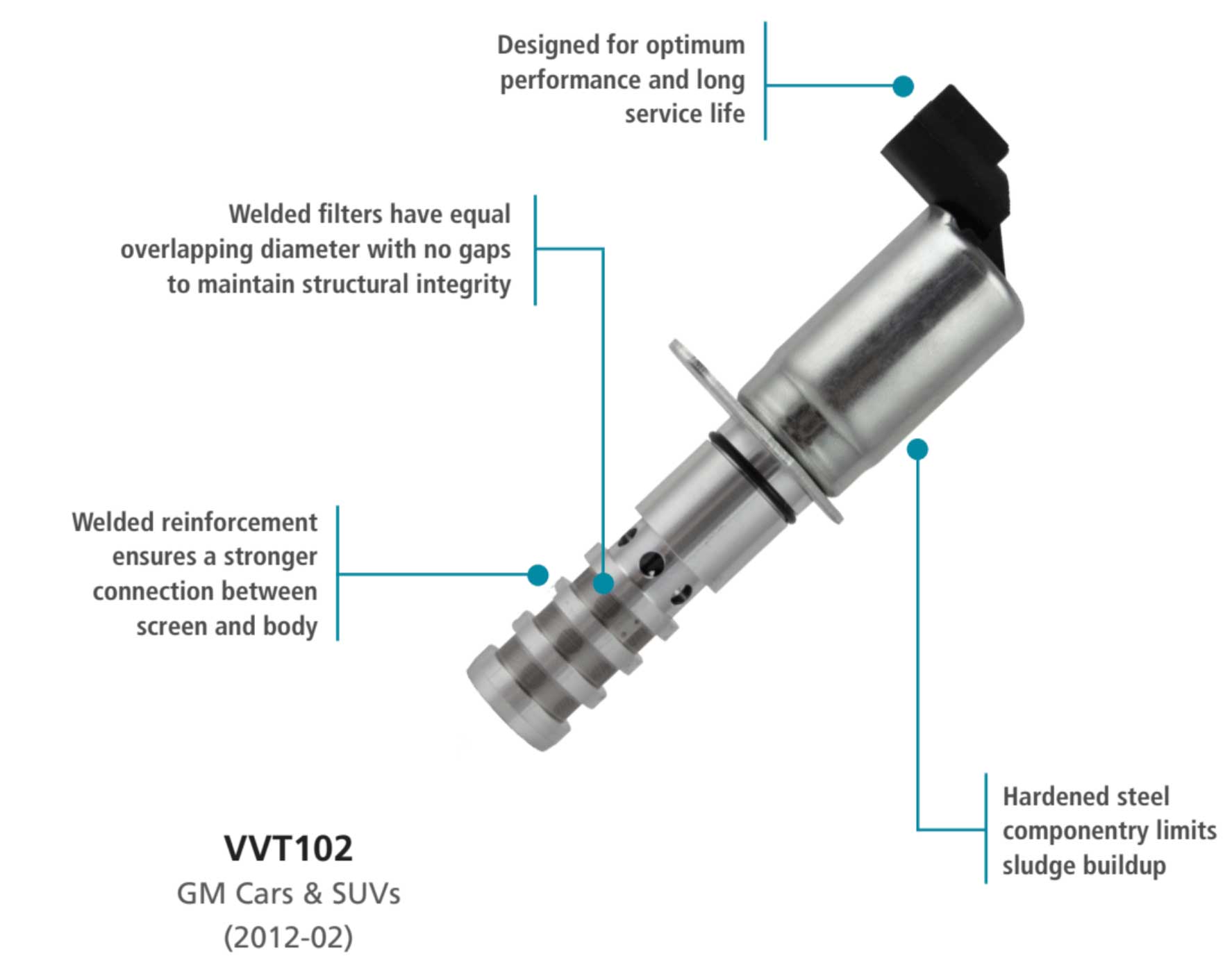
A typical solenoid consists of an electromagnetic coil, a plunger, and a spool valve. When the engine’s computer sends an electrical current to the coil, it creates a magnetic field that moves the plunger. This movement shifts the spool valve, opening or closing specific oil galleries. The precision required here is immense; the solenoid must respond in milliseconds to ensure the engine doesn’t stumble or lose efficiency.
How the System Works: The Intersection of Sensors and Fluid Dynamics
The operation of a variable timing solenoid is a prime example of “mechatronics”—the integration of mechanical, electronic, and control systems. It does not operate in a vacuum; rather, it is a key player in a feedback loop that involves multiple high-tech sensors.
Pulse Width Modulation (PWM)
The solenoid is rarely just “on” or “off.” To achieve precise control over oil flow, the Engine Control Unit (ECU) utilizes Pulse Width Modulation (PWM). By rapidly cycling the electrical signal to the solenoid, the ECU can hold the spool valve in a partial position. This granular control allows for infinite adjustments to the camshaft timing, rather than just two or three preset stages. This is the same logic used in high-end robotics and industrial automation, scaled down for the harsh environment of an engine block.
The Role of Oil Pressure as a Tool
In this technological ecosystem, engine oil serves two purposes: lubrication and hydraulic fluid. The VVT solenoid treats oil as a medium for transmitting force. When the solenoid opens, the pressurized oil enters a chamber in the cam phaser, using hydraulic pressure to rotate the camshaft relative to the timing gear. This reliance on oil quality makes the VVT system one of the most sensitive “smart” systems in a vehicle, as even microscopic debris can disrupt the precision of the solenoid’s spool valve.
Feedback Loops and Sensor Data
For the solenoid to know what to do, the ECU monitors a suite of data points:
- Crankshaft Position Sensor: Tells the computer the exact position of the pistons.
- Camshaft Position Sensor: Reports the current timing of the valves.
- Throttle Position Sensor: Indicates the driver’s intent (acceleration vs. cruising).
- Mass Air Flow Sensor: Measures the volume of air entering the engine.
The ECU processes this data thousands of times per second, adjusting the signal to the variable timing solenoid to ensure the engine’s “breathing” is perfectly synchronized with the load.
The Digital Brain: The Role of the ECU in Variable Valve Timing
If the solenoid is the muscle, the Engine Control Unit (ECU) is the brain. The rise of VVT technology is deeply rooted in the advancement of automotive software and processing power. Without the high-speed computational capabilities of modern ECUs, the variable timing solenoid would be impossible to manage.
Mapping and Algorithms
Engineers develop complex “maps” or lookup tables stored in the ECU’s memory. These maps dictate exactly how much timing advance or retard is needed for every possible combination of RPM and engine load. Modern VVT software uses predictive algorithms to anticipate changes in driving conditions, adjusting the solenoid before the driver even feels a change in the pedal.
Compensation for Wear and Temperature
The tech within the ECU is also designed to be “self-learning.” As an engine ages and internal friction changes, or as the oil viscosity varies due to extreme cold or heat, the software compensates. It monitors how long the camshaft takes to move in response to the solenoid and adjusts the electrical current to maintain performance. This level of software-driven adaptability is what allows modern vehicles to maintain peak efficiency over hundreds of thousands of miles.
Diagnostic Intelligence
One of the most significant tech integrations in VVT systems is the diagnostic capability. The ECU constantly “tests” the solenoid. If the camshaft does not reach the commanded position within a specific timeframe, the software identifies a “slow response” error and triggers a diagnostic trouble code (DTC). This integration of self-diagnostics is a cornerstone of digital vehicle health management, allowing technicians to use data scanners to pinpoint hardware failures through software analysis.
Engineering Efficiency: Why VVT Technology is a Milestone for Sustainability
The widespread adoption of variable timing solenoids is not just about performance; it is a critical response to the global demand for sustainable technology. By manipulating valve timing, engineers can achieve results that were once thought to be physically impossible for internal combustion engines.
Internal Exhaust Gas Recirculation (EGR)
By using the VVT solenoid to overlap the opening of intake and exhaust valves, the engine can pull a small amount of exhaust gas back into the combustion chamber. This “internal EGR” reduces combustion temperatures and lowers Nitrogen Oxide (Ox) emissions. This is a purely tech-driven solution to pollution, replacing heavy, external mechanical valves with elegant software-controlled timing adjustments.
The Atkinson Cycle Simulation
Modern hybrid vehicles often use VVT solenoids to simulate the Atkinson cycle—a combustion cycle that is highly efficient but lacks low-end torque. By holding the intake valve open slightly longer during the compression stroke, the engine reduces pumping losses. When the driver needs power, the solenoid shifts the timing back to a conventional Otto cycle. This “chameleon” ability of the engine, enabled by the solenoid, is why modern cars can achieve high MPG figures without sacrificing drivability.
Improving Volumetric Efficiency
Volumetric efficiency is the measure of how well an engine fills its cylinders with air. At high speeds, air has significant momentum. The VVT solenoid allows the engine to keep the intake valve open longer to take advantage of that momentum (ram effect). At low speeds, it closes the valve earlier to prevent the air from being pushed back out. This optimization of fluid dynamics via electronic control is a hallmark of modern automotive tech.
Diagnostics and Data: The Future of Smart Engine Components
As we move further into the era of the “Connected Car,” the variable timing solenoid is evolving from a simple actuator into a part of a wider data ecosystem. The future of this technology lies in even greater precision and integration with predictive maintenance systems.
Electric Actuation vs. Hydraulic Control
While current VVT solenoids rely on oil pressure, the next frontier in tech is the transition to fully electric cam phasing. Some manufacturers are already implementing solenoids that control high-speed electric motors to adjust timing. This eliminates the reliance on oil temperature and pressure, offering even faster response times and better cold-start emissions control.
Predictive Maintenance and AI
In the near future, AI-driven onboard diagnostics will be able to predict a solenoid failure before it happens. By analyzing the “signature” of the electrical current used by the solenoid, the vehicle’s software can detect the increased resistance caused by a sticking valve or a failing coil. This data can be sent to the cloud, alerting the owner via an app that a component requires attention, moving from reactive repairs to proactive tech management.

Integration with Hybrid Powertrains
As the industry pivots toward electrification, the variable timing solenoid remains relevant in hybrid systems. In these configurations, the engine often shuts down and restarts frequently. The VVT solenoid plays a vital role in “decompressing” the engine during startup to reduce the load on the electric starter motor, showcasing how traditional mechanical tech is being repurposed for the electrified age.
In conclusion, the variable timing solenoid is much more than a metallic cylinder found under a car’s hood. It is a sophisticated electromechanical interface that represents the pinnacle of engine management technology. By blending fluid dynamics with high-speed digital processing, it allows the modern engine to be powerful, efficient, and clean—all at the same time. As automotive technology continues to advance, the role of such high-precision actuators will only become more central to our quest for smarter, more sustainable mobility.
aViewFromTheCave is a participant in the Amazon Services LLC Associates Program, an affiliate advertising program designed to provide a means for sites to earn advertising fees by advertising and linking to Amazon.com. Amazon, the Amazon logo, AmazonSupply, and the AmazonSupply logo are trademarks of Amazon.com, Inc. or its affiliates. As an Amazon Associate we earn affiliate commissions from qualifying purchases.