
In the vast and ever-evolving landscape of display technology, the choice of monitor panel type is a critical decision that significantly impacts visual experience, performance, and even productivity. From the lightning-fast reflexes demanded by competitive gamers to the intricate color accuracy required by graphic designers, each user has specific needs. Among the primary contenders—TN (Twisted Nematic), IPS (In-Plane Switching), and VA (Vertical Alignment)—VA panel monitors occupy a unique and increasingly prominent position. This article delves deep into what VA panel technology entails, exploring its core mechanisms, distinct advantages, common drawbacks, and how it stacks up against its rivals, helping you determine if a VA monitor is the right fit for your tech setup and your specific use cases.

Understanding VA Panel Technology
At its heart, a VA panel monitor is a type of liquid crystal display (LCD) that employs a unique arrangement of liquid crystals to control light passing through the screen. Unlike TN panels, where crystals twist horizontally, or IPS panels, where they align parallel to the screen, VA panels feature liquid crystals that align vertically when no voltage is applied. This fundamental difference in crystal orientation is what gives VA panels their distinctive visual characteristics, particularly their superior contrast and deep black levels.
The Core Mechanism: Vertical Alignment
When a VA panel is off or displaying a black image, the liquid crystals are aligned perpendicularly to the glass substrates, effectively blocking the backlight from passing through. This vertical alignment is remarkably efficient at preventing light leakage, leading to incredibly dark blacks. When voltage is applied to display brighter colors, the crystals tilt, allowing varying amounts of light to pass through. This precise control over light transmission is the secret behind the impressive contrast ratios VA panels are famous for.
The manufacturing process involves placing these liquid crystals between two sheets of polarized glass. Electrodes are then used to manipulate the alignment of these crystals. This method provides a level of black reproduction that often surpasses that of IPS and significantly outperforms TN panels, creating a sense of depth and vibrancy in images that can be truly captivating. However, the mechanism also introduces certain trade-offs, particularly concerning response times and viewing angles, which we will explore further.
Key Characteristics and Advantages
The unique vertical alignment of liquid crystals bestows VA panels with several compelling advantages that make them a popular choice for specific applications:
- Superior Contrast Ratios: This is arguably the most significant strength of VA panels. Their ability to block backlight so effectively results in contrast ratios that are typically several times higher than those of IPS or TN panels (often 3000:1 to 6000:1 or even higher, compared to 1000:1 for IPS). This translates into incredibly deep blacks and bright whites, making images pop with greater depth and realism.
- Excellent Black Levels: Directly related to contrast, the deep black levels achieved by VA panels are a major draw for movie enthusiasts, gamers, and anyone who appreciates rich, immersive visuals. Dark scenes in films or shadowy areas in games gain significant detail and atmosphere.
- Good Color Reproduction: While not generally as wide or accurate as high-end IPS panels, VA panels typically offer very good color reproduction, often covering a substantial portion of the sRGB color gamut. For general use, content consumption, and even some creative tasks, the colors are vibrant and pleasing, especially when enhanced by the high contrast.
- No IPS Glow/Backlight Bleed: Compared to some IPS panels, VA panels are less prone to issues like “IPS glow,” where corners of the screen can appear brighter, especially in dark environments. Their superior light blocking inherently mitigates this common complaint.
However, it’s also important to acknowledge potential downsides such as generally slower response times compared to TN panels and more noticeable color shift at extreme viewing angles than IPS, though modern VA panels have made significant strides in mitigating these issues.
VA Panels in the Modern Tech Landscape
In today’s diverse technology landscape, where displays are central to everything from entertainment to professional productivity, VA panels have carved out a niche for themselves, appealing to users who prioritize deep blacks and high contrast. Their evolution has seen improvements across the board, making them a viable and often superior option for a wide array of applications.
Performance Metrics and User Experience
Understanding the practical implications of a VA panel’s characteristics is crucial for evaluating its real-world performance.
- Contrast Ratio Explained: A high contrast ratio means a wider dynamic range between the darkest and brightest parts of an image. For the user, this translates to more lifelike visuals, where shadows are genuinely dark, and highlights are distinct, preventing washed-out appearances. This is particularly noticeable in HDR (High Dynamic Range) content, where VA panels, especially those with local dimming capabilities, can deliver a more impactful HDR experience than typical IPS panels.
- Black Uniformity: VA panels generally excel in black uniformity, meaning the entire screen displays blacks consistently without splotches or uneven patches of light. This contributes significantly to a premium viewing experience, especially in dimly lit rooms.
- Response Time and Ghosting: Traditionally, VA panels had slower response times (the time it takes for a pixel to change from one color to another) compared to TN panels. This could lead to “ghosting” or “smearing” artifacts, particularly with fast-moving objects in games or videos. However, significant advancements in overdrive technology and panel design have drastically reduced this issue. Many modern VA gaming monitors now boast impressive response times of 4ms GtG (Gray-to-Gray) or even 1ms MPRT (Moving Picture Response Time), making them perfectly viable for competitive gaming.
- Refresh Rates: VA panels are available with a wide range of refresh rates, from standard 60Hz for general use and productivity to high refresh rates of 144Hz, 240Hz, or even higher for demanding gamers. This adaptability ensures that VA technology can cater to smooth motion rendition across various applications.
Where VA Panels Shine: Ideal Use Cases
Given their unique blend of strengths and recent advancements, VA panels are particularly well-suited for several specific user scenarios:

- Media Consumption (Movies, TV Shows, Streaming): This is perhaps the most obvious application. The deep blacks and high contrast make watching films and TV series an incredibly immersive experience. Dark scenes retain detail, and overall picture quality benefits immensely from the enhanced dynamic range. If your primary use is entertainment, a VA panel monitor is an excellent choice.
- Gaming: While historically TN panels dominated the gaming market for their speed, and IPS panels gained traction for color, modern VA gaming monitors offer a compelling balance. For games that prioritize atmosphere, visual fidelity, and immersion (e.g., RPGs, single-player adventures, horror games), the deep blacks and vibrant colors of a VA panel are a huge advantage. Even for faster-paced games, improved response times and high refresh rates mean VA panels can deliver a very satisfying gaming experience without noticeable ghosting for most users. Curvature, often associated with VA panels, further enhances immersion for gamers.
- Professional Design and Video Editing (Budget-Conscious): While high-end IPS panels are often the gold standard for color-critical work due to their wider color gamut and superior viewing angles, VA panels can be a strong contender for professionals on a budget. Their excellent contrast helps reveal subtle details in shadows and highlights, which can be crucial in video editing and certain aspects of graphic design. For tasks where absolute color accuracy across extreme viewing angles isn’t the absolute top priority, but contrast and a vibrant presentation are valued, VA offers great value.
- General Productivity and Office Work: For everyday tasks like web browsing, document editing, and general office applications, a VA panel monitor provides a comfortable and visually pleasing experience. The crisp text and good color reproduction, combined with the often-available larger sizes and curved options, can enhance productivity and reduce eye strain over long periods.
Comparing VA Panels to Other Display Technologies
The monitor market is a vibrant arena where different panel technologies compete for user attention. To truly understand the value of a VA panel, it’s essential to compare it directly with its main rivals: TN and IPS. Each has its own strengths and weaknesses, making them suitable for different user profiles.
VA vs. IPS: A Battle of Angles and Colors
- VA Strengths: Unrivaled contrast ratios (3000:1 to 6000:1 typical), deep blacks, minimal IPS glow/backlight bleed. Generally offers a more impactful HDR experience due to better local dimming potential.
- IPS Strengths: Superior viewing angles with minimal color shift, generally better color accuracy and wider color gamut coverage (especially professional-grade IPS), and typically faster response times (though modern VA has closed this gap significantly).
- Target Users: VA is ideal for users prioritizing immersive contrast for movies, atmospheric games, and general content consumption where direct viewing is primary. IPS is favored by creative professionals (graphic design, photography, video editing) who require absolute color accuracy and wide, consistent viewing angles, as well as those who need uncompromising speed for competitive esports.
VA vs. TN: Speed vs. Immersion
- VA Strengths: Vastly superior contrast, deep blacks, better color reproduction, and wider viewing angles. Offers a much more immersive and visually rich experience.
- TN Strengths: The fastest response times (often 1ms GtG) and highest refresh rates, making them the top choice for competitive esports players where every millisecond counts and visual fidelity is secondary to raw speed. They are also typically the most affordable option.
- Target Users: VA is preferred by users who want a great all-around monitor for mixed use, including gaming, media, and productivity, where visual quality and immersion are high priorities. TN is almost exclusively for hardcore competitive gamers whose sole focus is the lowest possible input lag and fastest pixel response.
The Evolving Display Market: OLED and Mini-LED
While VA, IPS, and TN remain the bedrock of the monitor market, newer technologies like OLED (Organic Light-Emitting Diode) and Mini-LED are gaining traction.
- OLED: Offers perfect blacks and infinite contrast (each pixel is self-emissive), extremely fast response times, and stunning color. However, OLED monitors are significantly more expensive, prone to burn-in (though less of a concern with modern iterations), and often have lower peak brightness than LCDs.
- Mini-LED: An evolution of traditional LCD backlighting, Mini-LED uses thousands of tiny LEDs to create far more dimming zones than conventional backlights. This vastly improves local dimming, leading to much higher contrast ratios and HDR performance that rivals or even surpasses OLED in some aspects (especially peak brightness), while avoiding burn-in risks.
VA panels, especially those with advanced full-array local dimming (FALD) backlights, can offer an experience that bridges the gap between traditional LCDs and these premium technologies, providing exceptional contrast and HDR performance at a more accessible price point than true OLED or top-tier Mini-LED displays. This positions VA as a strong contender for those seeking high-end visual performance without the bleeding-edge price tag.
Making an Informed Decision: Is a VA Monitor Right for You?
Choosing a monitor is a personal decision, deeply influenced by your primary activities, budget, and visual preferences. While the tech specifications provide a clear picture, the ultimate choice often comes down to how these translate into your daily user experience. Understanding where a VA panel fits into your specific needs is key to making a smart investment in your digital setup.
Factors to Consider Before Buying
Before committing to a VA panel monitor, weigh these crucial factors:
- Primary Use: If you predominantly watch movies, play visually rich single-player games, or engage in tasks where deep blacks and vibrant contrast enhance the experience, a VA panel is an excellent fit. For competitive esports where every millisecond is paramount, or for professional color-critical work requiring absolute accuracy from all angles, you might lean towards TN or high-end IPS, respectively.
- Budget: VA panels generally offer an outstanding balance of performance and price. They provide a significant step up in contrast and image quality from TN panels and often offer better value than similarly priced IPS panels for users who prioritize contrast over extreme viewing angles or pure speed.
- Resolution and Size: VA panels are available in a wide range of resolutions (1080p, 1440p, 4K) and sizes. Larger screens, especially those with higher resolutions, particularly benefit from VA’s contrast, making details pop more effectively.
- Curvature: Many VA monitors, especially larger gaming models, feature curved screens. The nature of VA panel technology makes it easier and more cost-effective to manufacture curved displays compared to IPS. A curved screen can enhance immersion, particularly for gaming and media consumption, by wrapping the image slightly around your field of view. Consider if this aesthetic and immersive quality appeals to you.
- Response Time and Refresh Rate: While modern VA panels have greatly improved, if you’re a highly competitive gamer, pay close attention to the stated response times (GtG is generally more accurate than MPRT) and ensure the refresh rate meets your needs. Look for monitors with effective overdrive settings to minimize ghosting.
- Viewing Angles: If multiple people often view your screen from various angles, or if your workspace requires you to frequently shift your head significantly, the slight color shift at extreme angles on a VA panel might be a minor consideration. For a single user sitting directly in front of the screen, this is rarely an issue.
Navigating the Market: Brands and Models
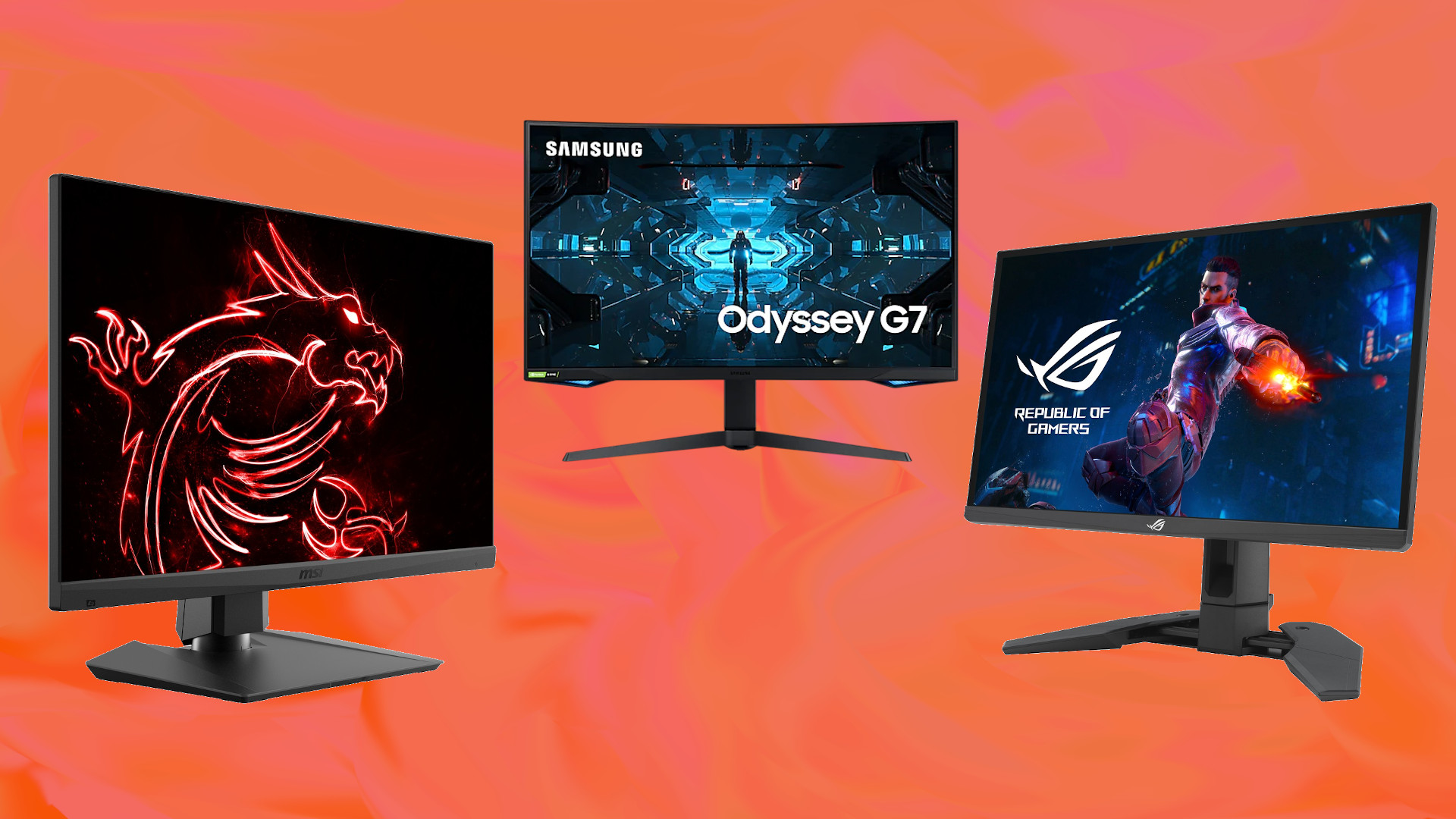
The market for VA panel monitors is robust, with nearly all major display manufacturers offering a wide selection. Brands like Samsung, MSI, Acer, ASUS, and AOC, among others, produce high-quality VA monitors for various segments, from budget-friendly options to premium gaming and productivity displays. When researching, leverage online reviews, spec comparisons, and user forums to gather real-world insights into specific models. Pay attention to features like HDR support, local dimming zones, FreeSync/G-Sync compatibility, and ergonomic adjustments to ensure the monitor not only meets your visual requirements but also fits seamlessly into your overall tech ecosystem. This careful consideration ensures that your “gadget” purchase is a sound one, offering excellent “value” for your “money” and enhancing your “productivity” and “entertainment.”
In conclusion, the VA panel monitor stands out as a formidable contender in the display market, offering a compelling blend of deep blacks, vibrant contrast, and increasingly competitive performance metrics. While not a one-size-fits-all solution, its strengths make it an exceptional choice for media consumption, immersive gaming, and general productivity, delivering a visually rich experience that few other technologies can match at its price point. As technology continues to advance, VA panels are poised to remain a vital and evolving part of our digital visual landscape, catering to users who demand stunning image quality and impactful immersion.
aViewFromTheCave is a participant in the Amazon Services LLC Associates Program, an affiliate advertising program designed to provide a means for sites to earn advertising fees by advertising and linking to Amazon.com. Amazon, the Amazon logo, AmazonSupply, and the AmazonSupply logo are trademarks of Amazon.com, Inc. or its affiliates. As an Amazon Associate we earn affiliate commissions from qualifying purchases.