
The V8 motor stands as one of the most iconic and enduring internal combustion engine configurations in automotive history. Revered for its potent combination of power, smooth operation, and distinctive sound, the V8 has powered everything from luxury sedans and high-performance sports cars to heavy-duty trucks and industrial machinery. Understanding the V8 involves delving into its unique architectural design, the engineering principles that govern its operation, and the technological evolution that has shaped its performance over more than a century.
The Fundamental Architecture of a V8
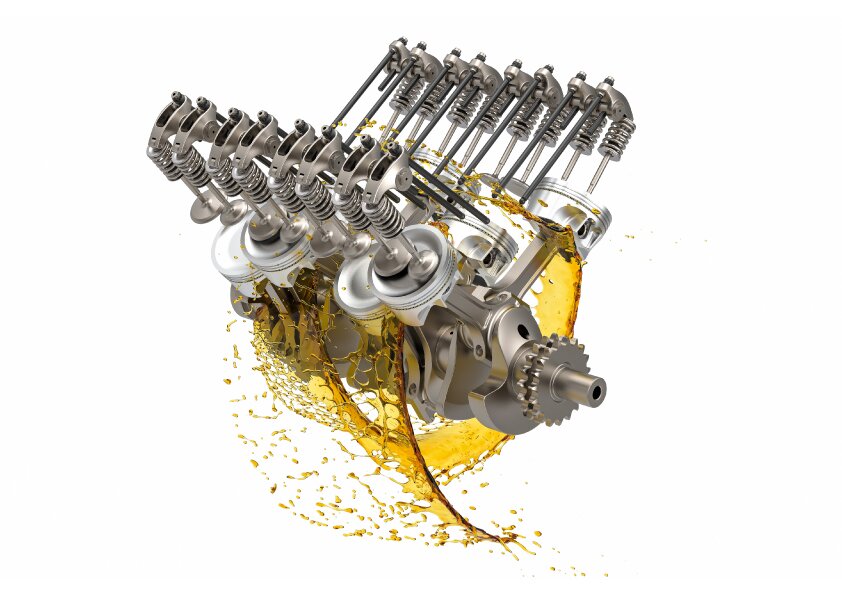
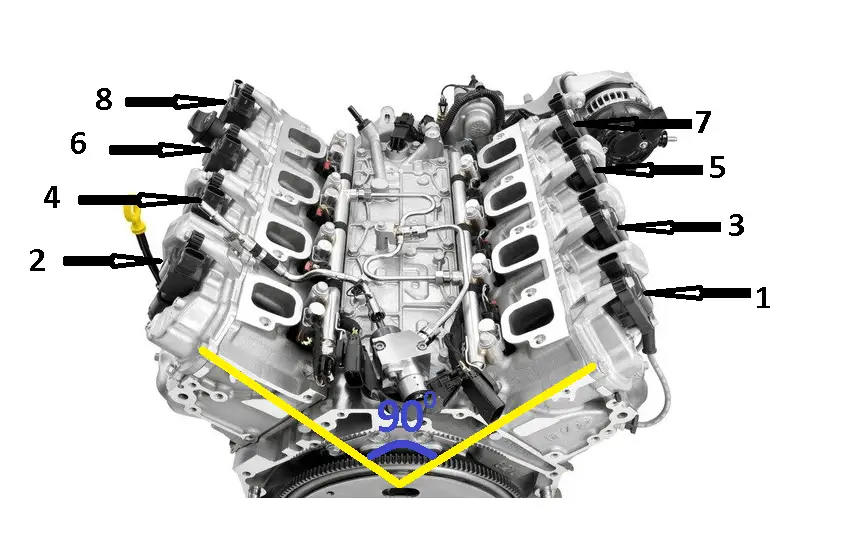
At its core, a V8 engine is a V-configuration eight-cylinder piston engine. This means it comprises eight cylinders arranged in two banks of four, forming a “V” shape around a common crankshaft. This specific layout is critical to its characteristic performance and packaging benefits.
Cylinder Arrangement and Configuration
The “V” angle between the two cylinder banks is a fundamental design parameter that varies among manufacturers and engine families. Common V angles include 90 degrees (often used in American V8s), 60 degrees, and 45 degrees, each influencing the engine’s balance, width, and height. A wider V-angle, such as 90 degrees, often allows for a shorter overall engine length, beneficial for packaging within a vehicle’s engine bay. Conversely, narrower V-angles can result in a more compact width.
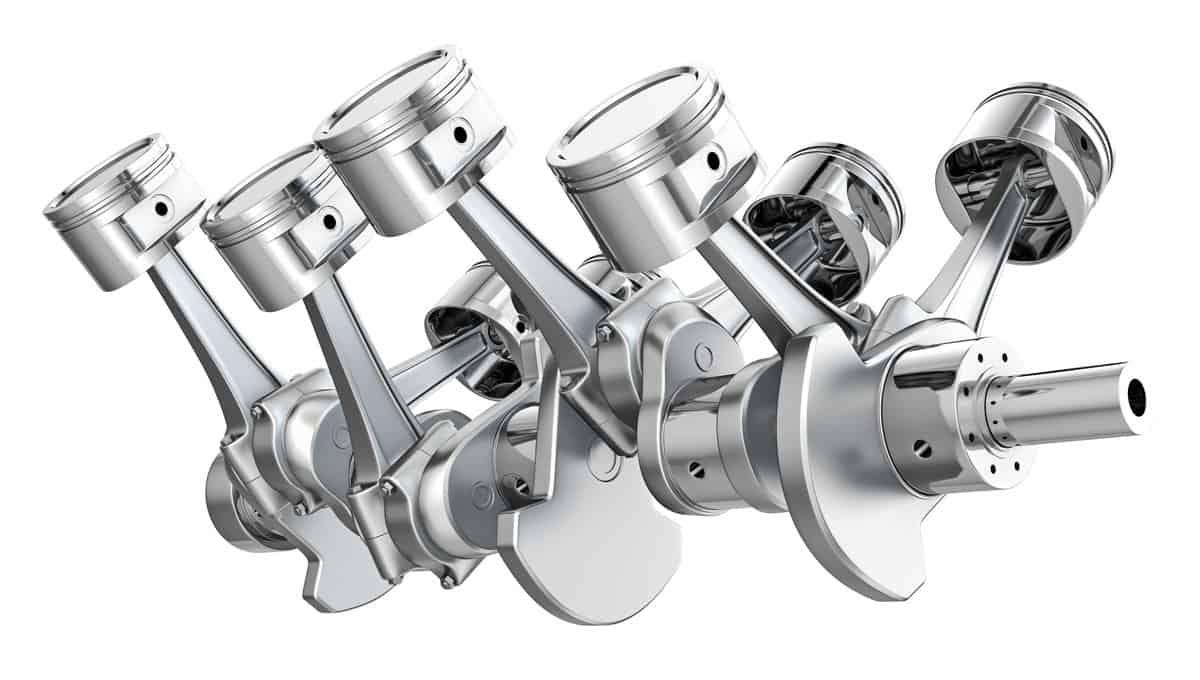
Within each cylinder, a piston moves up and down, converting the pressure from combustion into linear motion. This linear motion is then converted into rotational motion by a connecting rod linked to the crankshaft. The eight cylinders fire in a specific sequence, known as the firing order, which is meticulously engineered to minimize vibrations and produce a smooth power delivery.
Crankshaft Design and Firing Order
The crankshaft is the central rotating component that converts the reciprocating motion of the pistons into rotational energy. In a V8, the crankshaft is designed to accommodate eight connecting rods, typically two per journal in a cross-plane design or one per journal in a flat-plane design.
Cross-Plane Crankshaft: The most common type found in street cars, a cross-plane crankshaft features crank pins that are 90 degrees apart when viewed from the end. This design, when combined with a carefully chosen firing order, inherently balances primary and secondary forces, resulting in exceptional smoothness and low vibration. The characteristic “rumble” of a traditional American V8 is largely due to the irregular exhaust pulses produced by a cross-plane crankshaft, where exhaust events from opposing banks are often out of sync.
Flat-Plane Crankshaft: More commonly found in high-performance sports cars and racing applications, a flat-plane crankshaft has crank pins arranged in a single plane, 180 degrees apart. This design results in a lighter crankshaft and allows for more regular exhaust pulses, leading to a higher-pitched, more exotic sound often compared to two inline-four engines joined at the crank. While offering better exhaust scavenging and higher RPM potential, flat-plane V8s typically experience greater secondary vibrations, requiring more sophisticated balancing solutions.
The firing order dictates when each cylinder ignites its fuel-air mixture. A correctly optimized firing order is crucial for engine balance, smooth operation, and efficient exhaust gas scavenging. For a V8, engineers meticulously design the firing order to distribute power pulses evenly throughout the 720 degrees of the four-stroke cycle, reducing torque fluctuations and vibration.
Valvetrain Configurations
The valvetrain controls the intake of the air-fuel mixture and the expulsion of exhaust gases. V8s, like other internal combustion engines, utilize various valvetrain designs:
- Overhead Valve (OHV): Also known as pushrod engines, this design places the camshaft within the engine block, actuating valves in the cylinder head via pushrods and rocker arms. OHV V8s are often praised for their compactness, simplicity, and excellent low-end torque. Many classic American V8s employ this design.
- Single Overhead Camshaft (SOHC): In this configuration, a single camshaft per cylinder bank is located in the cylinder head, directly or indirectly actuating the valves. SOHC designs offer improved valve control over OHV engines and allow for more precise timing.
- Dual Overhead Camshaft (DOHC): With two camshafts per cylinder bank (one for intake valves, one for exhaust valves), DOHC V8s provide the highest degree of valve control. This allows for optimized valve timing, lift, and duration, leading to superior high-RPM performance and fuel efficiency. Many modern performance and luxury V8s feature DOHC designs.
Advantages and Disadvantages of V8 Engines
The V8 configuration offers a unique set of engineering benefits and trade-offs that influence its application and perceived value.
Power and Torque Output
One of the most compelling advantages of a V8 engine is its inherent ability to produce substantial power and torque. With eight cylinders, the engine displaces a larger volume of air and fuel per cycle compared to engines with fewer cylinders, leading to more frequent power strokes and greater force applied to the crankshaft. This results in robust acceleration and excellent hauling or towing capabilities. The smooth power delivery, especially with cross-plane cranks, contributes to a driving experience that feels both authoritative and refined.
Smoothness and Sound
The inherent balance of a cross-plane V8 engine is a significant advantage, contributing to its renowned smoothness. The firing order and crankshaft design work in harmony to cancel out many primary and secondary vibrations, leading to a refined engine operation that is pleasing to passengers. Beyond smoothness, the distinctive sound of a V8, particularly the deep, resonant rumble of a cross-plane unit, is a major part of its appeal, often engineered to enhance the driving experience.
Packaging Challenges and Weight
Despite its advantages, the V8 also presents engineering challenges. Its eight cylinders and associated components make it a relatively large and heavy engine compared to four- or six-cylinder alternatives. This added weight can negatively impact vehicle dynamics, necessitating more robust suspension and braking systems. The physical size can also make packaging within smaller vehicle platforms difficult, limiting its application to larger cars, trucks, and SUVs or requiring specialized engine bay designs.
Fuel Efficiency and Emissions
Historically, V8 engines have been associated with lower fuel efficiency due to their larger displacement and higher number of cylinders, which inherently consume more fuel. However, modern V8s have seen significant advancements in fuel-saving technologies. Direct injection, variable valve timing, cylinder deactivation (where some cylinders shut down under light loads), turbocharging, and supercharging have all contributed to making contemporary V8s considerably more efficient and environmentally friendly than their predecessors, though they generally still consume more fuel than smaller engines.
Evolution and Modern Applications of V8 Engines
The V8 engine has a rich history of innovation and adaptation, evolving significantly since its inception in the early 20th century.
From Early Days to Muscle Car Era
The first V8 engines appeared in production cars in the early 1900s, but they truly gained prominence in the American automotive market from the 1930s onwards, particularly with Ford’s Flathead V8. The post-war era saw the “horsepower wars,” where manufacturers competed to produce increasingly powerful V8 engines, leading to the legendary muscle car era of the 1960s and early 1970s. These engines were often characterized by large displacements, pushrod designs, and robust torque output, prioritizing raw power.
Performance and Luxury Vehicles
Today, the V8 remains a cornerstone of performance and luxury segments. In high-performance sports cars, V8s (often with flat-plane cranks and DOHC designs) are engineered for high RPMs, rapid acceleration, and track capability. Luxury sedans and SUVs leverage V8 power for effortless cruising, refined power delivery, and the ability to handle heavy loads with composure. Turbocharging and supercharging have become common additions, allowing smaller displacement V8s to achieve power figures once reserved for much larger, naturally aspirated units, while also improving efficiency.
Trucks and SUVs
In the truck and SUV market, the V8 is valued for its superior towing and hauling capabilities. The robust low-end torque characteristics make it ideal for pulling trailers, carrying heavy payloads, and navigating demanding terrains. Modern truck V8s often incorporate technologies like direct injection, variable valve timing, and cylinder deactivation to balance power with improved fuel economy for daily driving.
Future Outlook: Hybridization and Electrification
The automotive industry is in a period of rapid transition towards electrification. While the pure internal combustion V8 may face increasing pressure due to emissions regulations and efficiency demands, its robust power and unique driving experience ensure its continued relevance, albeit in potentially new forms. Hybrid V8 powertrains, combining electric motors with traditional V8 engines, are emerging as a way to enhance performance, improve fuel economy, and reduce emissions, extending the life of this iconic engine configuration into the electrified future. These hybrid systems allow for immediate torque delivery from electric motors, complementing the V8’s powerband and offering new possibilities for performance and efficiency.
Maintenance and Longevity
Like any complex mechanical system, the longevity and performance of a V8 engine are heavily dependent on proper maintenance and care.
Regular Servicing
Adhering to the manufacturer’s recommended service schedule is paramount. This typically includes regular oil changes with the correct type and viscosity of oil, filter replacements (oil, air, fuel), spark plug inspections and replacements, and checks of all fluid levels (coolant, power steering, brake fluid). Modern V8s often incorporate advanced sensors and engine management systems that require specialized diagnostic tools for thorough servicing.
Common Wear Points
Over its lifespan, certain components of a V8 engine are more prone to wear. These can include piston rings, valve seals, timing chains or belts, and various gaskets and seals. Regular inspections can help identify potential issues before they lead to major failures. Cooling system components, such as the water pump, radiator, and hoses, are also critical for preventing overheating, which can severely damage a V8 engine.
Performance Tuning Considerations
For enthusiasts looking to extract more performance from their V8, tuning options are abundant. These can range from simple engine control unit (ECU) remapping to forced induction upgrades (turbochargers, superchargers), camshaft replacements, and exhaust system modifications. However, it is crucial that any performance tuning is conducted by experienced professionals and considers the engine’s original design limits to ensure reliability and longevity. Improper tuning can lead to increased wear, reduced engine life, and potentially catastrophic failure.
In conclusion, the V8 motor is a marvel of engineering that has continuously evolved to meet changing demands for power, efficiency, and environmental responsibility. Its characteristic power delivery, smooth operation, and distinctive sound have cemented its place in automotive culture, and ongoing technological advancements ensure its legacy will continue for years to come, even as the industry moves towards new propulsion technologies.
aViewFromTheCave is a participant in the Amazon Services LLC Associates Program, an affiliate advertising program designed to provide a means for sites to earn advertising fees by advertising and linking to Amazon.com. Amazon, the Amazon logo, AmazonSupply, and the AmazonSupply logo are trademarks of Amazon.com, Inc. or its affiliates. As an Amazon Associate we earn affiliate commissions from qualifying purchases.