
In an era dominated by high-speed internet, sophisticated mobile applications, and rich multimedia experiences, it might seem counterintuitive that a technology born in the early days of GSM networks continues to play a pivotal role in digital communication and service delivery. Yet, Unstructured Supplementary Service Data, commonly known as USSD, remains a ubiquitous and incredibly powerful tool, particularly in regions with limited internet penetration or among users with feature phones. Far from being an obsolete relic, USSD is a testament to ingenious design, offering a simple, session-based communication protocol that powers everything from checking your mobile balance to facilitating financial transactions. Understanding what a USSD code is, how it functions, and its diverse applications provides critical insight into the enduring value of foundational telecommunications technologies and their continuous relevance in bridging the digital divide.
Understanding USSD: A Legacy Technology with Modern Relevance
USSD stands as a bedrock of mobile communication, often operating silently in the background of our daily digital lives. Unlike more visually complex interfaces, USSD offers a starkly simple yet remarkably effective method for real-time interaction between a mobile phone and a network application. Its inherent simplicity and broad accessibility are precisely what have cemented its place, even as more advanced technologies emerge.
What USSD Stands For and How It Works
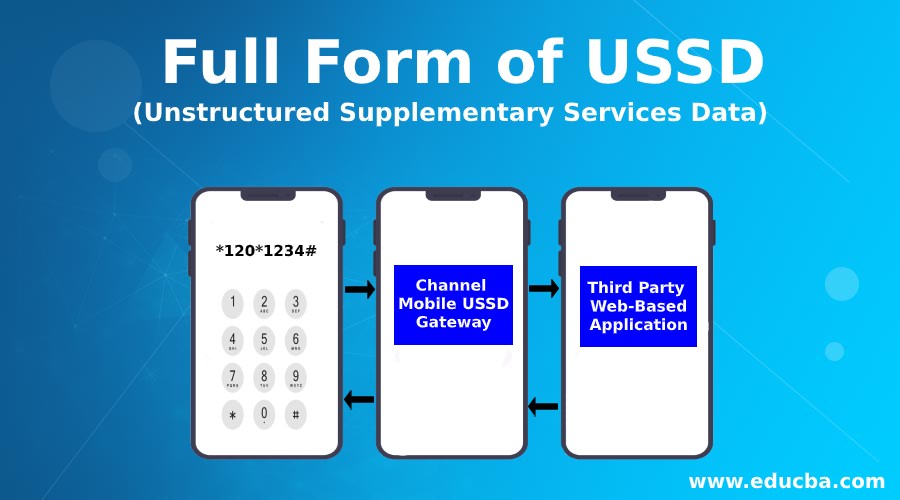
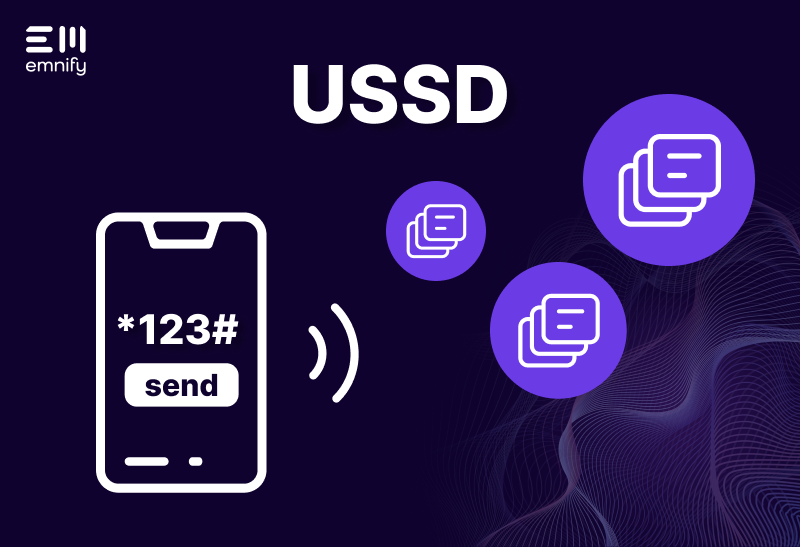
USSD, or Unstructured Supplementary Service Data, is a global system for mobile communications (GSM) technology used to send text between a mobile phone and an application program in the network. It’s typically associated with the familiar star (*) and hash (#) keys on a phone, followed by a sequence of digits, like *123#. When a user dials a USSD code, the command is sent directly to the mobile operator’s server. This server then processes the request and sends back a response, usually in the form of a menu or an informational message, which appears on the phone’s screen. This entire process happens almost instantaneously, creating a real-time, interactive session.
Key Characteristics of USSD – Session-Based and Real-Time
One of the defining features of USSD is its session-based nature. When a USSD code is initiated, it opens a dedicated, two-way connection between the user’s phone and the network application. This connection remains active for a specific duration, allowing for a series of interactive exchanges. This “session” means that the user can navigate through menus, make selections, and receive subsequent responses within the same continuous interaction. This differs significantly from one-way messaging services. Furthermore, USSD is inherently real-time. Messages are sent and received almost immediately, without the store-and-forward delays that can sometimes affect other messaging protocols. This immediacy makes it ideal for time-sensitive applications like financial transactions or quick information retrieval.
USSD vs. SMS: Key Distinctions
While both USSD and SMS (Short Message Service) involve sending text messages over a mobile network, their underlying mechanisms and use cases are fundamentally different. SMS is a “store-and-forward” service; messages are sent to a Short Message Service Center (SMSC), which then attempts to deliver them to the recipient. If the recipient’s phone is off or out of range, the SMSC stores the message and retries delivery later. SMS messages are typically non-interactive, though some application-to-person (A2P) SMS can simulate interaction. In contrast, USSD creates a live connection. It’s a “request and response” protocol where the network waits for the user’s input before proceeding. There’s no storage of messages for later delivery; if the session is interrupted or the network cannot respond immediately, the interaction simply ends. This session-based, real-time nature is what makes USSD suitable for interactive services and instant feedback, whereas SMS is better for asynchronous, point-to-point communication.
The Mechanics Behind USSD Communication
Delving deeper into the operational aspects reveals the elegance and efficiency of USSD as a communication protocol. Its architecture is designed for speed and reliability, enabling quick interactions even over less robust network conditions.
Initiating a USSD Session: The User’s Perspective
From a user’s perspective, initiating a USSD session is straightforward. It involves simply dialing a specific sequence of characters, usually starting with an asterisk (*), followed by digits and sometimes another asterisk, and ending with a hash (#). For example, *12311#. Once the “send” or “call” button is pressed, the phone sends this code to the mobile network. The user immediately sees a pop-up menu or a textual response on their screen, prompting them for further action or providing the requested information. The intuitive nature of this interaction, requiring no special apps or internet connection, is a major driver of its widespread adoption.
The Journey of a USSD Message: From Phone to Network and Back
When a user dials a USSD code, the mobile phone sends this request to the nearest base station. From there, the signal travels through the mobile network to a specific entity known as the USSD Gateway (or USSD Centre). The USSD Gateway acts as an interface, translating the raw USSD request into a format that can be understood by various applications or services hosted by the mobile operator or third-party providers. These applications process the request (e.g., check account balance, initiate a money transfer) and generate a response. The response then travels back through the USSD Gateway, through the network, and finally to the user’s phone, where it’s displayed on the screen. This entire round trip occurs in milliseconds, giving the user the impression of a direct, live conversation with the service.
Network Components Involved in USSD Processing
Several key network components work in concert to facilitate USSD communication:
-
Mobile Station (MS): The user’s mobile phone, which initiates and receives USSD messages.
-
Base Station Subsystem (BSS): Comprising the Base Transceiver Station (BTS) and Base Station Controller (BSC), this handles the radio interface and basic network signaling.
-
Mobile Switching Centre (MSC): The central switch in a mobile network, responsible for call control and routing. It forwards USSD messages to the appropriate USSD Gateway.
-
Home Location Register (HLR): A database containing subscriber information, sometimes queried by applications to verify user details.
-
USSD Gateway/Centre: The dedicated server that processes USSD requests, interfaces with service applications (often via an SMPP or HTTP interface), and manages the session state.
-
Application Server: This server hosts the actual services (e.g., mobile banking, balance inquiry) that interact with the user via USSD. It processes the business logic of the USSD requests.
This intricate dance between components ensures that USSD requests are handled efficiently and reliably, making the service feel seamless to the end-user.
Diverse Applications of USSD in the Digital Age
Despite its age, USSD has proven remarkably versatile, adapting to myriad needs and finding new relevance in various sectors, especially where digital inclusion is a priority.
Mobile Banking and Financial Services
Perhaps one of the most impactful applications of USSD is in the realm of mobile banking and financial services, particularly in developing economies. USSD allows users without smartphones or internet access to perform critical banking operations. This includes checking account balances, transferring money between accounts, paying bills, withdrawing cash from agents, and even applying for micro-loans. Services like M-Pesa in Kenya are prime examples of how USSD-powered mobile money has revolutionized financial inclusion, providing accessible and secure financial tools to millions.
Checking Account Balances and Top-ups
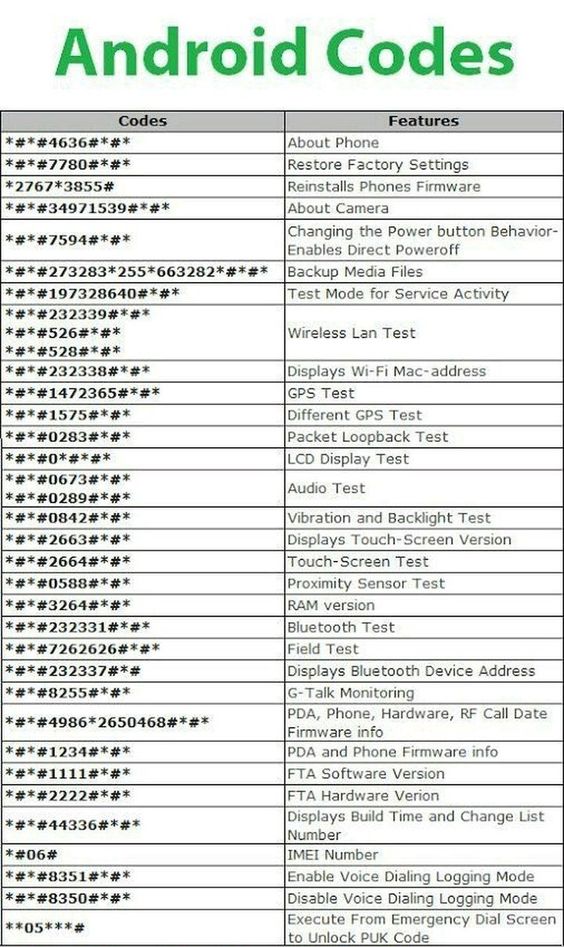
The most common and arguably original use case for USSD is for basic account management. Almost every mobile network operator worldwide uses USSD codes for subscribers to check their prepaid balance (*123# or *100# are common examples), inquire about data bundles, activate promotional offers, or top up their airtime. This instant feedback loop empowers users to manage their mobile expenditures efficiently and independently.
Customer Service and Self-Service Portals
USSD also serves as a critical channel for customer service and self-service. Users can navigate interactive USSD menus to activate or deactivate services, change tariff plans, register complaints, or request information about their subscription. This reduces the burden on call centers and provides users with immediate access to support, enhancing the overall customer experience. It acts as a lightweight, text-based interactive voice response (IVR) system without the voice component.
Value-Added Services (VAS) and Information Retrieval
Beyond core telecommunication functions, USSD facilitates a wide range of value-added services. These can include subscribing to daily news updates, checking weather forecasts, participating in polls or quizzes, accessing directory services, or even managing certain IoT devices remotely (though this is less common). Its ability to deliver small pieces of information quickly and in real-time makes it an excellent channel for such services, especially for users who prefer text-based interactions or lack consistent internet access.
Emergency Services and Geolocation
In some contexts, USSD has been adapted for emergency services or geolocation purposes. For instance, specific codes might allow users to request emergency credit, locate nearby services, or even signal for help in remote areas where only basic network coverage is available. While not a primary use case, its robust nature makes it a viable option for critical communication in challenging environments.
Advantages and Limitations of USSD Technology
Like any technology, USSD comes with its own set of strengths and weaknesses, which dictate its suitability for various applications.
Advantages: Accessibility, Simplicity, and Offline Capability
The primary advantages of USSD are its unparalleled accessibility and simplicity. It works on virtually any GSM phone, from the oldest feature phone to the latest smartphone, without the need for special apps, operating systems, or even an internet connection. This makes it incredibly inclusive, reaching populations that might otherwise be digitally excluded. Its offline capability (in terms of internet connection, though a network signal is required) is a massive benefit, particularly in areas with patchy internet access or for users who cannot afford data plans. The real-time, session-based nature also ensures immediate feedback and an interactive experience, which is crucial for transactional services.
Limitations: Security Concerns, Lack of Rich Media, and Session Expiry
Despite its benefits, USSD has notable limitations. Security concerns can arise, especially when sensitive information is transmitted. While the communication channel itself is generally encrypted at the network level, the display of sensitive data (like PINs) on a phone screen can be vulnerable to shoulder-surfing. Furthermore, the lack of robust authentication mechanisms beyond SIM registration means that applications must implement their own security layers (e.g., transaction PINs). USSD offers no support for rich media; it’s purely text-based, meaning no images, videos, or complex graphical interfaces. This limits user experience. Finally, USSD sessions have a timeout period. If a user takes too long to respond, the session expires, requiring them to restart the process, which can be frustrating.
Why USSD Persists Despite Modern Alternatives
Even with the rise of smartphone apps, mobile web, and instant messaging platforms, USSD persists because its advantages directly address critical gaps. For billions globally, particularly in emerging markets, feature phones are still prevalent, and reliable internet access is a luxury. USSD provides a dependable, low-cost channel for accessing essential services. Its simplicity means it requires minimal processing power from the device and consumes negligible bandwidth on the network. This makes it an economically viable and highly reliable solution for essential services where digital inclusion is a higher priority than sophisticated user interfaces.
The Future of USSD: Evolution or Obsolescence?
While its role might shift, USSD is far from obsolete. Its future likely involves a blend of continued standalone operation and integration with newer technologies.
Hybrid Solutions: USSD Integrated with Apps and Web Platforms
The future of USSD isn’t necessarily about replacing it, but rather integrating it into a more comprehensive digital ecosystem. We are already seeing “hybrid solutions” where USSD acts as a backend engine for smartphone apps, or as a fallback for web platforms. For example, a mobile banking app might use USSD for specific, secure transactions if the internet connection is unstable, or allow users to initiate complex processes via USSD that are then completed or monitored on a web portal. This leverages USSD’s reliability while offering a richer user interface for those with modern devices.
Enhancing Security and User Experience for USSD
Efforts are continually being made to enhance the security and user experience of USSD. This includes improving encryption standards, implementing stronger authentication protocols for USSD applications (e.g., multi-factor authentication where a USSD transaction requires confirmation via SMS or a separate app), and designing more intuitive USSD menus that are easier to navigate. Innovations like “sticky USSD” (where the session persists across network interruptions) or more dynamic menu generation could also improve the user experience.
Its Enduring Role in Emerging Markets and Feature Phones
Crucially, USSD’s enduring relevance will remain in emerging markets and among users of feature phones. As long as there’s a significant portion of the global population without constant internet access or advanced smartphones, USSD will be a vital conduit for accessing essential services. It serves as a democratic technology, ensuring that access to information, financial services, and customer support isn’t exclusive to those with the latest gadgets and data plans. It acts as a bridge, gradually bringing more people into the digital economy on their own terms.
Conclusion
The humble USSD code, a simple string of characters beginning with an asterisk and ending with a hash, represents a powerful testament to the ingenuity and longevity of foundational telecommunications technology. Far from being relegated to history, USSD continues to thrive, particularly in its role as an accessible, real-time, and session-based communication protocol. It underpins critical services like mobile banking, account management, and customer support, especially for billions of users in emerging markets and those relying on feature phones. While lacking the graphical flair of modern applications, its core strengths—ubiquitous accessibility, simplicity, and independence from an internet connection—ensure its enduring relevance. As the digital landscape evolves, USSD is not fading away but adapting, integrating with newer technologies to form hybrid solutions, and continuing its vital work in bridging the digital divide, making essential services available to everyone, everywhere.
aViewFromTheCave is a participant in the Amazon Services LLC Associates Program, an affiliate advertising program designed to provide a means for sites to earn advertising fees by advertising and linking to Amazon.com. Amazon, the Amazon logo, AmazonSupply, and the AmazonSupply logo are trademarks of Amazon.com, Inc. or its affiliates. As an Amazon Associate we earn affiliate commissions from qualifying purchases.