
The distinction between a U.S. national and a U.S. citizen, while seemingly a subtle legal nuance, carries significant implications for an individual’s financial life, economic opportunities, and access to various financial tools and benefits within and outside the United States. While both statuses afford a degree of allegiance to the U.S. and often carry similar passport privileges, the underlying rights and responsibilities, particularly concerning economic participation and government engagement, differ substantially. Understanding these differences is crucial for effective financial planning, career trajectory, and overall wealth management.
Defining the Core Concepts and Their Economic Foundations
At its core, the differentiation between a U.S. national and a U.S. citizen is rooted in the 14th Amendment of the U.S. Constitution and subsequent immigration and nationality laws. The economic impact of these definitions often hinges on the full spectrum of rights and privileges that accompany each status.
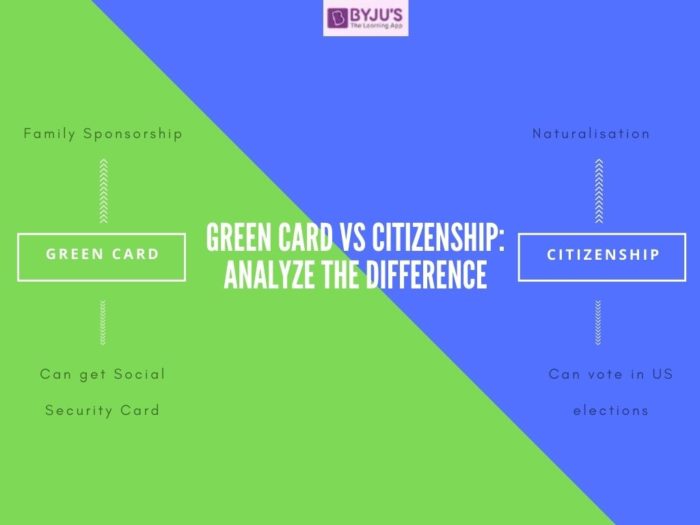
Who is a US Citizen? Birthright, Naturalization, and Economic Privileges
A U.S. citizen is an individual who is a full member of the American political body, endowed with all the rights and privileges available under the Constitution and federal laws. This status is primarily acquired in two ways:
- Birthright Citizenship (Jus Soli): Any person born within the territorial limits of the United States, including its commonwealths and incorporated territories (like Puerto Rico, Guam, U.S. Virgin Islands, and the Northern Mariana Islands), is generally a U.S. citizen at birth, subject to the jurisdiction of the United States. This confers immediate and full economic integration potential.
- Naturalization: Foreign-born individuals can become citizens through a legal process that typically involves residency, demonstrating good moral character, passing English and civics tests, and taking an Oath of Allegiance.
From a financial perspective, U.S. citizenship opens doors to virtually all economic avenues. Citizens have unrestricted rights to:
- Employment: Hold any private or public sector job, including federal positions that often require citizenship due to security clearances or policy-making roles. This includes eligibility for high-paying positions in government, defense, and sensitive industries.
- Business Ownership: Own and operate businesses without restrictions related to their national status, access federal small business loans, and qualify for specific government contracts set aside for U.S. businesses.
- Access to Federal Benefits: Qualify for a broad range of federal benefits, including Social Security, Medicare, Medicaid, federal student aid, and certain housing assistance programs, subject to meeting other eligibility criteria.
- Financial Aid: Apply for and receive federal grants and loans for education, which can significantly reduce the cost of higher education and enhance earning potential.
- Voting and Political Influence: While not a direct financial transaction, the ability to vote allows citizens to influence economic policy, taxation, and regulatory frameworks that directly impact their financial well-being.
- International Travel and Residency: Carry a U.S. passport, which facilitates international travel for business and personal reasons, often without visa requirements in many countries, thus easing global commerce and investment.
Who is a US National? The Unique Status of American Samoans and Swains Islanders
The term “U.S. national” without being a “U.S. citizen” refers to a distinct, smaller group of individuals. Primarily, this status applies to persons born in American Samoa and Swains Island. These unincorporated territories are subject to U.S. sovereignty but are not considered part of the “United States” for the purpose of the 14th Amendment’s birthright citizenship clause.
Individuals born in American Samoa and Swains Island are U.S. nationals by birth. They owe allegiance to the United States and are entitled to U.S. passport services, meaning they can travel internationally using a U.S. passport. However, they are not automatically U.S. citizens and thus do not possess all the rights and privileges of citizenship.
Financially, the national status presents a unique set of circumstances:
- Employment Restrictions: U.S. nationals residing in a U.S. state or other U.S. territory are generally authorized to work in the U.S. private sector without needing a separate work authorization. However, they are typically ineligible for certain federal jobs that explicitly require U.S. citizenship. This limitation can impact career growth in government and related fields, potentially affecting earning capacity and retirement benefits tied to federal employment.
- Voting Rights: U.S. nationals cannot vote in federal elections (presidential, congressional) when residing in a U.S. state. This lack of political representation means they have less direct influence on fiscal and economic policies that impact their financial lives. They can, however, vote in local elections in American Samoa and, if they become residents of a state, may be able to vote in some state and local elections.
- Federal Benefits: While they generally qualify for many federal benefits if residing in a U.S. state or other U.S. territory, there can be subtle differences or additional steps required for accessing certain programs compared to citizens. Access to some specific programs might be less direct or require demonstrating residency within a U.S. state.
- Taxes: Like U.S. citizens, U.S. nationals are generally subject to federal income tax on their worldwide income. Residents of American Samoa have a local tax system that broadly mirrors the federal system, but their specific federal tax obligations can differ based on residency location.
Divergent Financial Pathways: Access to Markets, Employment, and Public Funds
The distinction between a U.S. national and a U.S. citizen significantly impacts an individual’s financial trajectory by influencing their access to the job market, public benefits, and business opportunities.
Citizenship’s Unrestricted Economic Access
U.S. citizens enjoy full and unfettered access to the entire U.S. economy. This includes:
- Federal Employment: Citizens are eligible for all federal civilian employment positions, including those requiring high-level security clearances crucial for sensitive government operations. This is a significant economic advantage, as federal jobs often offer competitive salaries, robust benefits packages (health insurance, life insurance, generous retirement plans), and job security.
- Entrepreneurship and Licenses: While most business licenses don’t explicitly require citizenship, certain regulated industries (e.g., specific financial services, defense contracting) or professional licenses might have requirements or preferences that favor citizens, simplifying the process of entering these lucrative fields.
- Government Grants and Loans: Citizens typically have easier and more direct access to federal grants for research, small business loans (e.g., SBA loans), and disaster relief funding, which can be critical for entrepreneurial ventures and financial recovery.
National Status and its Impact on Federal Employment and Business Ownership
For U.S. nationals, the primary financial limitation when compared to citizens is often related to federal employment. While they can work for the U.S. government in some capacities (e.g., locally hired positions in American Samoa, or some non-sensitive positions in the continental U.S.), their inability to hold positions requiring full U.S. citizenship restricts their career options within the federal sector. This can translate to reduced earning potential over a lifetime, less access to the comprehensive federal benefits package, and fewer opportunities for upward mobility in specific high-demand government fields.
Regarding business ownership, while a U.S. national can generally own and operate a business in the U.S. like any other authorized resident, they might face hurdles if their business aims to secure federal contracts that explicitly prioritize or require ownership by U.S. citizens for security or regulatory reasons.
Taxation and Residency: Similarities and Subtle Differences

Both U.S. citizens and U.S. nationals are generally subject to U.S. federal income tax on their worldwide income, regardless of where they reside. This is a fundamental aspect of U.S. tax law. However, residents of American Samoa have a unique tax situation:
- They pay income tax to the American Samoan government, which has its own tax code largely mirroring the U.S. federal tax code.
- Individuals who are bona fide residents of American Samoa for the entire tax year generally file their income tax return with the American Samoan Tax Office and are relieved from filing with the IRS.
- If a U.S. national from American Samoa moves to a U.S. state, they would then file a federal tax return with the IRS like any other U.S. resident, becoming subject to direct federal income tax.
Understanding these residency-based tax rules is vital for financial planning, especially for U.S. nationals considering relocation to a U.S. state or engaging in international income generation.
Investing and International Finance: A Global Perspective
The distinction between a U.S. national and a U.S. citizen has less impact on investment opportunities from a purely legal standpoint, but practical differences can arise, particularly in international contexts.
International Banking and Investment Opportunities
Both U.S. citizens and U.S. nationals are subject to U.S. financial regulations, including the Foreign Account Tax Compliance Act (FATCA). This means that foreign financial institutions are generally required to report information about accounts held by U.S. persons (including both citizens and nationals) to the IRS. Therefore, opening international investment accounts or engaging in cross-border financial transactions presents similar challenges and reporting requirements for both statuses. The U.S. passport, used by both, facilitates identity verification for international financial activities.
However, some investment products or services, particularly those with a government nexus or strict regulatory oversight in foreign countries, might implicitly or explicitly prefer or require full citizenship for certain types of participation, although this is rare for standard investment vehicles.
Entrepreneurship and Business Formation
For forming a business within the United States, both citizens and nationals generally have the same rights to establish corporations, LLCs, and other business entities. Access to capital, such as commercial bank loans, is typically based on creditworthiness, business plans, and collateral, rather than citizenship status.
Where a difference might emerge is in highly regulated sectors or those involving federal contracts, as previously mentioned. A citizen might find it easier to secure specific government-backed financing or contracts, which can be a significant boost for certain types of businesses. For businesses aiming to operate globally, the full diplomatic support and recognition afforded to a U.S. citizen’s business might also be subtly more robust in certain geopolitical situations, though this is often an edge case.
Navigating Financial Planning and Wealth Management
Effective financial planning and wealth management inherently rely on understanding an individual’s legal status, as it dictates long-term access to critical financial safety nets, inheritance laws, and credit facilities.
Estate Planning and Inheritance Laws
In terms of estate planning and inheritance, the distinction between a U.S. national and a U.S. citizen generally holds little direct sway. U.S. estate and gift tax laws apply to individuals based on their domicile (where they intend to make their permanent home) and citizenship/residency status for tax purposes, rather than the specific national status. However, a U.S. national who is a bona fide resident of American Samoa might have specific considerations under American Samoan law regarding property ownership and inheritance, which can diverge from U.S. state laws. When they move to a U.S. state, their estate would fall under that state’s probate and inheritance laws.
Social Security and Government Benefits
Both U.S. citizens and U.S. nationals who have accumulated the required work credits are generally eligible for Social Security benefits. Similarly, eligibility for Medicare is based on age, work history, and residency, not solely citizenship status, although continuous residency in the U.S. (not just American Samoa) is often a factor for certain benefits. While both statuses provide a pathway to these essential programs, any nuanced differences primarily arise from residency periods outside of a U.S. state, rather than the “national” vs. “citizen” label itself. For example, a U.S. national who has lived their entire life in American Samoa might have specific local benefits or different thresholds for federal benefits compared to someone who has resided in a U.S. state for decades.
Implications for Loans, Credit, and Mortgages
For obtaining personal loans, credit cards, and mortgages in a U.S. state, the primary determinants are credit score, income, debt-to-income ratio, and residency. Both U.S. citizens and U.S. nationals who legally reside in a U.S. state and have established credit history are typically treated similarly by financial institutions. The U.S. passport, which both carry, serves as primary identification. The critical factor for a U.S. national would be establishing legal residency within a U.S. state and building a credit profile there, rather than their national status itself being a barrier to common credit products.
In conclusion, while a U.S. national shares many basic protections and the ability to carry a U.S. passport with a U.S. citizen, the lack of full political and some specific economic rights (especially concerning federal employment and voting) for a national can create subtle yet impactful differences in long-term financial planning, career trajectory, and access to the full spectrum of government-supported economic opportunities. For financial professionals, recognizing this distinction is crucial when advising individuals on wealth management, career development, and navigating federal programs.
aViewFromTheCave is a participant in the Amazon Services LLC Associates Program, an affiliate advertising program designed to provide a means for sites to earn advertising fees by advertising and linking to Amazon.com. Amazon, the Amazon logo, AmazonSupply, and the AmazonSupply logo are trademarks of Amazon.com, Inc. or its affiliates. As an Amazon Associate we earn affiliate commissions from qualifying purchases.