
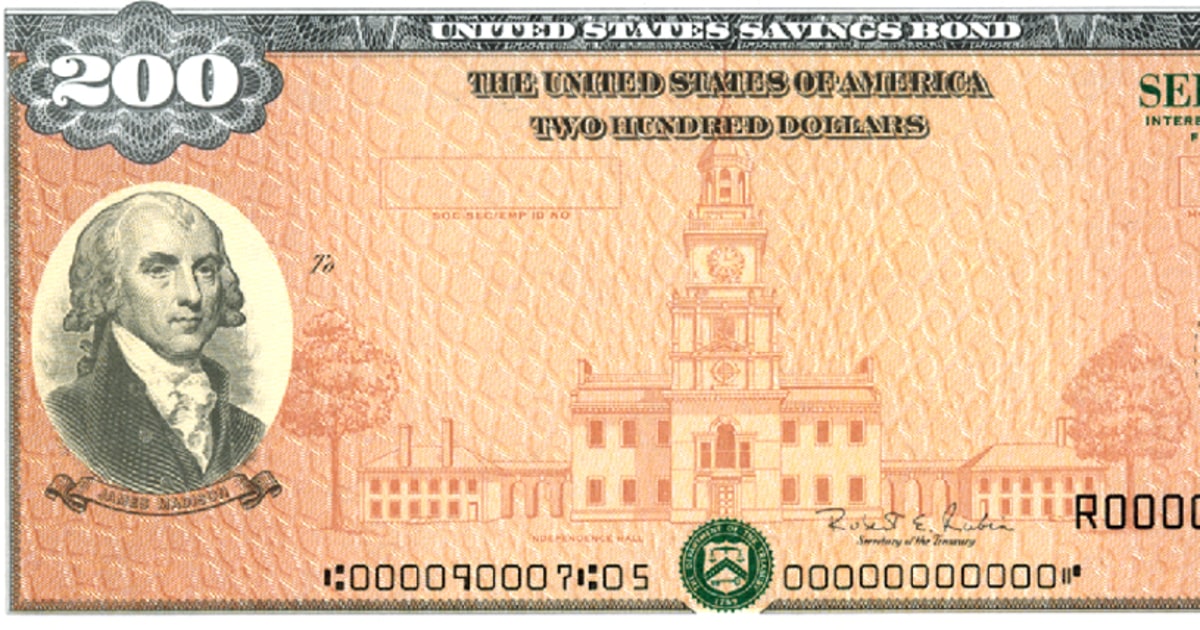
United States Savings Bonds represent a unique and historically significant method for individuals to save and invest their money while simultaneously supporting the U.S. government. For decades, these government-issued debt securities have offered a secure, accessible, and often tax-advantaged way to grow personal wealth. Understanding the nuances of savings bonds is crucial for anyone looking to diversify their investment portfolio, build long-term savings, or simply get a dependable return on their money. This article delves into the fundamental aspects of U.S. Savings Bonds, exploring their purpose, types, benefits, and considerations for potential investors.
The Genesis and Purpose of U.S. Savings Bonds
The concept of U.S. Savings Bonds was born out of necessity and patriotism. First introduced during World War I as “War Savings Stamps” and later evolving into the familiar “Savings Bonds” during the Great Depression and World War II, their primary initial purpose was to finance government operations and war efforts without directly increasing taxes or traditional borrowing. This not only provided a vital funding stream but also served as a powerful tool to engage the public in supporting national objectives.
A Tool for National Finance and Citizen Savings
Beyond their role in funding government initiatives, savings bonds were designed to encourage widespread participation in savings and investment. By offering a safe haven for money that might otherwise be spent or left idle, the government aimed to foster a culture of thrift and provide citizens with a means to build personal financial security. This dual purpose – supporting the nation financially while empowering individual savers – has remained a core tenet of the savings bond program throughout its history.
Evolution and Modern Relevance
While the landscape of financial products has expanded dramatically, U.S. Savings Bonds continue to hold relevance. They offer a low-risk investment option, particularly appealing to individuals who are risk-averse or seeking a stable component within a broader investment strategy. Their accessibility, coupled with favorable tax treatment, makes them a compelling choice for various financial goals, from accumulating emergency funds to saving for future education or retirement.
Understanding the Different Types of Savings Bonds
The U.S. Treasury offers several series of savings bonds, each with distinct features regarding interest accrual, redemption periods, and tax implications. While the issuance of some older series has ceased, understanding their characteristics can be helpful for those who still hold them or are considering newer versions. The most common and currently available series are Series EE and Series I bonds.
Series EE Bonds: Fixed Rate, Long-Term Growth
Series EE bonds are perhaps the most widely recognized type of savings bond. They earn a fixed rate of interest for the life of the bond, which is 30 years. This means that the interest rate is set when the bond is issued and remains the same for the entire duration it can earn interest.
Interest Accrual and Value
Series EE bonds are designed to double in value over a 20-year period. This doubling feature has been a consistent promise of this bond series, providing a predictable growth trajectory. However, it’s important to note that the actual yield can vary based on the fixed interest rate set by the Treasury. If the fixed rate is lower, the doubling might take slightly longer than 20 years, but the bond is guaranteed to be worth at least its face value.
Redemption Rules
Series EE bonds can be redeemed after one year from their issue date. However, if redeemed before five years, there is a penalty, which is the forfeiture of the last three months of interest. This encourages investors to hold onto their Series EE bonds for at least five years to avoid this penalty and capture the full interest earned. After 30 years, Series EE bonds stop earning interest and mature.
Series I Bonds: Inflation Protection
Series I bonds are designed to protect savers from inflation. Their interest rate is composed of two parts: a fixed rate, which remains the same for the life of the bond, and an inflation rate, which is adjusted semiannually based on changes in the Consumer Price Index (CPI). This dual-rate structure ensures that the purchasing power of the investment is maintained.
The Hybrid Interest Rate Mechanism
The variable inflation component of Series I bonds is their most significant distinguishing feature. When inflation is high, the interest rate on Series I bonds rises, offering a higher return. Conversely, when inflation is low or negative, the interest rate can also be low or even zero. The fixed rate, though often lower than the fixed rate of Series EE bonds, provides a baseline return regardless of inflation.
Advantages and Considerations for Series I Bonds
The primary advantage of Series I bonds is their ability to preserve purchasing power. This makes them an attractive option during periods of rising inflation. Like Series EE bonds, Series I bonds also have a redemption restriction: they cannot be redeemed within the first year of purchase. If redeemed within the first five years, the investor forfeits the last three months of interest. However, they continue to earn interest for 30 years.
Other Savings Bond Series (Historically Significant)
While Series EE and Series I are the primary focus for new savings bond purchases today, understanding older series is beneficial for those who may possess them. These include:
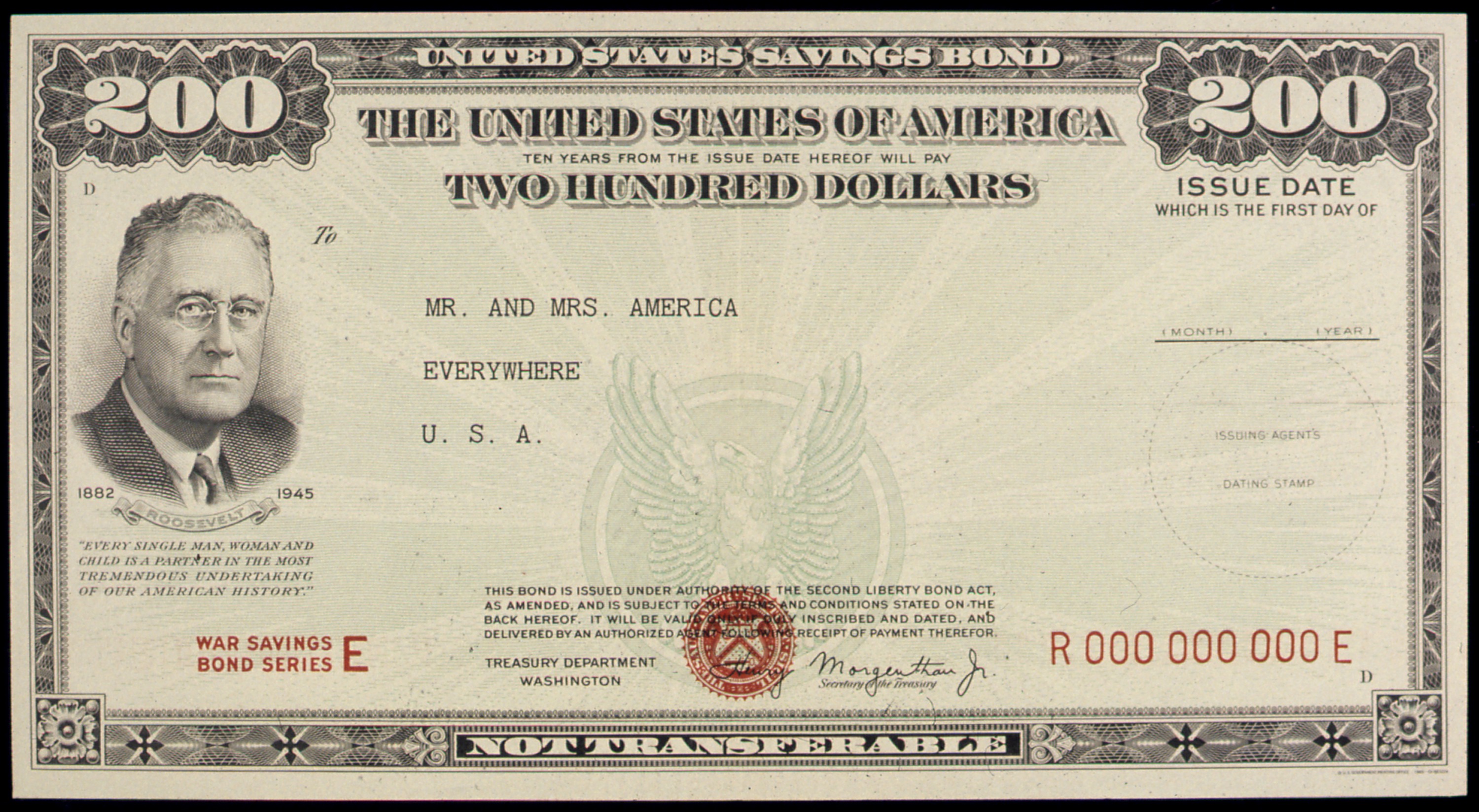
- Series E Bonds: The precursor to Series EE, issued from 1941 to 1980. These had varying accrual periods and maturity dates and are no longer earning interest.
- Series H Bonds and HH Bonds: These were interest-paying bonds that paid current income to bondholders. Series HH bonds, issued from 2004 to 2011, could be purchased by exchanging matured Series E, EE, or I bonds. They earned a fixed rate of interest.
Benefits of Investing in U.S. Savings Bonds

Investing in U.S. Savings Bonds offers a compelling set of advantages, particularly for individuals seeking safety, simplicity, and a predictable return on their investment. These benefits are designed to appeal to a broad range of savers, from novice investors to those looking to diversify their portfolios with low-risk assets.
Safety and Security: A Government Guarantee
The most significant benefit of U.S. Savings Bonds is their inherent safety. They are direct obligations of the U.S. government, meaning they are backed by the full faith and credit of the United States. This makes them one of the safest investments available, with virtually no risk of default. This security is paramount for investors who prioritize capital preservation and are unwilling to expose their savings to market volatility.
Tax Advantages: Deferral and Exclusion
Savings bonds offer attractive tax benefits that can significantly enhance their overall return.
Deferred Taxation of Interest
The interest earned on savings bonds is exempt from state and local income taxes. Furthermore, federal income tax on the interest can be deferred until the bond matures, is redeemed, or is used for certain educational expenses. This deferral allows earnings to compound tax-free over time, accelerating wealth accumulation.
Potential for Tax-Free Use for Education
Under specific provisions, the interest earned on Series EE and Series I savings bonds may be excludable from federal income tax if used to pay for qualified higher education expenses. To qualify for this exclusion, several conditions must be met, including the bondholder being at least 24 years old when the bond was issued, the bond being issued in the name of the taxpayer (or their spouse), and the bond proceeds being used for qualified education expenses for the bondholder, their spouse, or a dependent. This makes savings bonds a particularly appealing savings vehicle for parents planning for their children’s college education.
Accessibility and Simplicity
U.S. Savings Bonds are remarkably accessible and easy to purchase and manage. They can be bought electronically through the TreasuryDirect website, the U.S. Treasury’s online portal for purchasing savings bonds and other government securities. They are also available in paper form through tax refunds. The purchase process is straightforward, and there are no complex investment strategies or management fees to worry about.
Purchase Limits and Denominations
The U.S. Treasury imposes annual purchase limits per Social Security number to ensure that savings bonds remain a tool for individual savers rather than large institutional investors. These limits are adjusted periodically. Bonds are available in various denominations, making them affordable for individuals at all income levels.
Considerations and Limitations of Savings Bonds
While U.S. Savings Bonds present numerous advantages, potential investors should also be aware of certain limitations and considerations before making an investment. Understanding these aspects will allow for a more informed decision-making process and ensure that savings bonds align with an individual’s financial goals and risk tolerance.
Maturity Periods and Redemption Penalties
As previously discussed, all savings bonds have a maturity period of 30 years, meaning they stop earning interest after three decades. For Series EE and Series I bonds, there are redemption penalties if cashed before five years. This means that if an investor needs access to their funds within the first year, they cannot redeem the bond. If they redeem between one and five years, they will forfeit the last three months of interest. This necessitates a commitment to a medium- to long-term investment horizon for optimal returns.
Interest Rate Fluctuations and Competitiveness
The interest rates offered on savings bonds, particularly the fixed rate on Series EE bonds, may not always be competitive with other investment vehicles, especially during periods of rising interest rates in the broader market. While Series I bonds offer inflation protection, their overall yield can be modest during periods of low inflation. It is essential for investors to compare the current rates of savings bonds with other investment options, such as certificates of deposit (CDs), money market accounts, and bond funds, to ensure they are achieving their desired rate of return.
Opportunity Cost
An investor might face an opportunity cost if they hold savings bonds when higher returns are available elsewhere. While savings bonds are inherently safe, their conservative growth potential might mean foregoing larger gains that could be achieved through investments with higher risk. This is a crucial consideration for individuals with aggressive growth objectives or those who have a longer investment horizon and can tolerate more volatility.
Limited Liquidity in the Short Term
The redemption restrictions for the first year and the penalty for early redemption within five years mean that savings bonds are not ideal for short-term savings goals or emergency funds that might be needed on very short notice. While they provide excellent long-term growth potential and stability, their lack of immediate liquidity can be a constraint for individuals who require quick access to their savings.
Inflation Risk for Series EE Bonds
While Series I bonds are designed to combat inflation, Series EE bonds, with their fixed interest rate, are susceptible to inflation risk. If the rate of inflation outpaces the fixed interest rate earned by the Series EE bond, the real return on the investment (the return after accounting for inflation) will be diminished, and the purchasing power of the savings will erode over time. This reinforces the advantage of Series I bonds for those particularly concerned about inflation.
In conclusion, U.S. Savings Bonds, primarily Series EE and Series I, offer a secure and accessible avenue for individuals to save and invest. Their government backing provides unparalleled safety, while their tax advantages, including deferred interest and potential exclusion for education expenses, enhance their appeal. However, understanding their maturity periods, redemption penalties, and the competitive landscape of interest rates is crucial for making informed investment decisions. For those seeking a low-risk, long-term savings solution that offers a predictable return and valuable tax benefits, U.S. Savings Bonds remain a worthwhile consideration within a diversified financial strategy.
aViewFromTheCave is a participant in the Amazon Services LLC Associates Program, an affiliate advertising program designed to provide a means for sites to earn advertising fees by advertising and linking to Amazon.com. Amazon, the Amazon logo, AmazonSupply, and the AmazonSupply logo are trademarks of Amazon.com, Inc. or its affiliates. As an Amazon Associate we earn affiliate commissions from qualifying purchases.