
The U-shaped kitchen represents a cornerstone of functional and aesthetically pleasing interior design, offering a distinct layout that can significantly influence the overall brand and experience of a domestic or commercial space. At its core, a U-shaped kitchen is defined by three walls of cabinetry, countertops, and appliances arranged in the shape of the letter ‘U’. This configuration typically involves two parallel walls connected by a perpendicular wall at one end, leaving the fourth side open for entry and exit, often leading into an adjacent dining area or living space. Far more than just a spatial arrangement, the U-shaped kitchen is a strategic design choice that impacts workflow, storage capacity, and the very identity a property projects.

Defining the U-Shape: A Foundation of Functional Design
Understanding the anatomy of a U-shaped kitchen is crucial for appreciating its design implications. The layout maximizes the use of three continuous walls, creating a highly efficient workspace. This design inherently supports the “kitchen work triangle,” a classic ergonomic principle where the three primary workstations – the refrigerator, sink, and stove – are positioned at the points of an imaginary triangle. In a U-shaped kitchen, this triangle is often naturally formed and optimized, minimizing the distance between these key areas and enhancing the cook’s efficiency.
The continuous run of countertops and cabinetry along three walls provides an unparalleled amount of surface area for food preparation and extensive storage solutions. This ample space allows for seamless transitions between tasks, from washing and chopping to cooking and serving. Unlike galley or L-shaped kitchens which may restrict movement or counter space, the U-shape offers a generous work zone that can often accommodate multiple users simultaneously, making it ideal for families or for entertaining guests. From a design perspective, this robust functionality contributes directly to the perceived quality and user experience, becoming a key aspect of a property’s brand. A kitchen that is easy to navigate and highly functional elevates the home’s practical value and appeal.
The Brand of Efficiency: Workflow and Ergonomics
The inherent efficiency of a U-shaped kitchen significantly contributes to its branding as a smart, well-designed space. The thoughtful layout minimizes unnecessary movement, reducing fatigue and making cooking a more enjoyable and less strenuous activity. This efficiency isn’t just about saving time; it’s about creating an experience. In a residential context, it brands the home as one that prioritizes comfort and practicality for its occupants. In commercial settings, such as a high-end restaurant or a boutique hotel suite, a U-shaped kitchen (or a similar optimized layout) communicates a commitment to operational excellence and a seamless guest experience.
Optimizing the Work Triangle
The success of the U-shape largely hinges on how well the work triangle is implemented. The refrigerator, often placed on one end wall, the sink on the connecting wall, and the range on the opposite end wall, form a compact and logical flow. This arrangement prevents bottlenecks and ensures that ingredients move smoothly from storage to preparation to cooking. The continuous countertop surface further supports this flow, offering ample space for staging ingredients, plating dishes, and housing small appliances without cluttering the primary work zones. This strategic placement of key elements is not accidental; it’s a deliberate design choice that enhances the kitchen’s performance, contributing to a “brand story” of intelligent design.
Storage and Accessibility
Beyond the work triangle, the U-shaped kitchen excels in storage capacity. The three walls of cabinetry allow for a myriad of storage solutions, from base cabinets and wall cabinets to corner units and pantry pull-outs. This abundance of storage ensures that every utensil, pot, pan, and pantry item has its designated place, contributing to an organized and clutter-free environment. An uncluttered kitchen, in turn, projects an image of sophistication and meticulous design, enhancing the overall brand perception of the space. Designers can integrate custom solutions like spice racks, dish organizers, and waste sorting systems to further refine this aspect, adding layers of thoughtful design that speak volumes about the quality and attention to detail.
Aesthetic Appeal and Identity: Shaping Your Space’s Image
Beyond its functional advantages, the U-shaped kitchen offers considerable scope for aesthetic expression, allowing designers to craft a space that strongly reflects a particular brand identity. Whether the goal is to project modern minimalism, rustic charm, or classic elegance, the U-shape provides a robust canvas.
Versatility in Style and Finishes
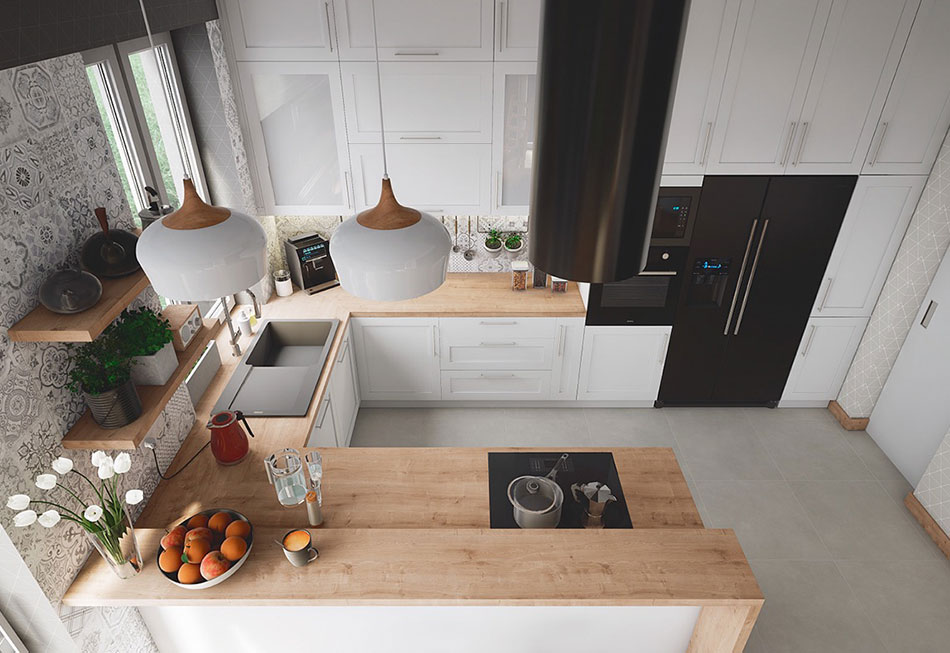
The continuous lines of a U-shaped kitchen can be accentuated or softened depending on the chosen materials and finishes. Sleek, handle-less cabinets in high-gloss or matte finishes can create a contemporary and minimalist look, aligning with a brand identity of cutting-edge design and urban chic. Conversely, natural wood cabinetry with exposed grains, coupled with farmhouse sinks and open shelving, can evoke a warm, traditional, or rustic brand. The expansive counter space also offers an opportunity to showcase premium materials such as marble, quartz, or granite, which immediately communicate luxury and quality, significantly elevating the perceived value and brand of the entire property.
Creating a Visual Focal Point
In many U-shaped designs, the central wall often becomes a natural focal point. This wall can be used to highlight a statement range hood, an elaborate tile backsplash, or even a window offering picturesque views. Such design elements are critical for branding, as they capture attention and communicate specific aspects of the home’s personality or the designer’s vision. For example, a commercial property looking to project a sophisticated image might use a custom range hood crafted from brushed brass or copper, turning a utilitarian item into a piece of art that reinforces its luxurious brand. Thoughtful lighting design, including task lighting under cabinets and decorative pendant lights above the central workspace, further enhances this visual appeal and sets the mood.
Strategic Design Considerations for a Branded Kitchen
To truly leverage the U-shaped kitchen as a branding asset, several strategic design considerations must be taken into account. These go beyond mere aesthetics, delving into how the space functions and integrates within the larger property narrative.
Open vs. Enclosed Layouts
Traditionally, U-shaped kitchens were often found in more enclosed spaces. However, modern design increasingly sees them integrated into open-plan living areas. An open U-shaped kitchen, often featuring a peninsula that extends into the living space, blends the kitchen seamlessly with its surroundings. This creates a more social atmosphere, allowing the cook to interact with guests or family members, aligning with a brand identity of hospitality and communal living. The peninsula itself can serve as a breakfast bar or an informal dining area, adding another layer of functionality and visual appeal. Conversely, an enclosed U-shaped kitchen might appeal to a brand that values privacy and a more formal culinary experience.
Appliance Integration
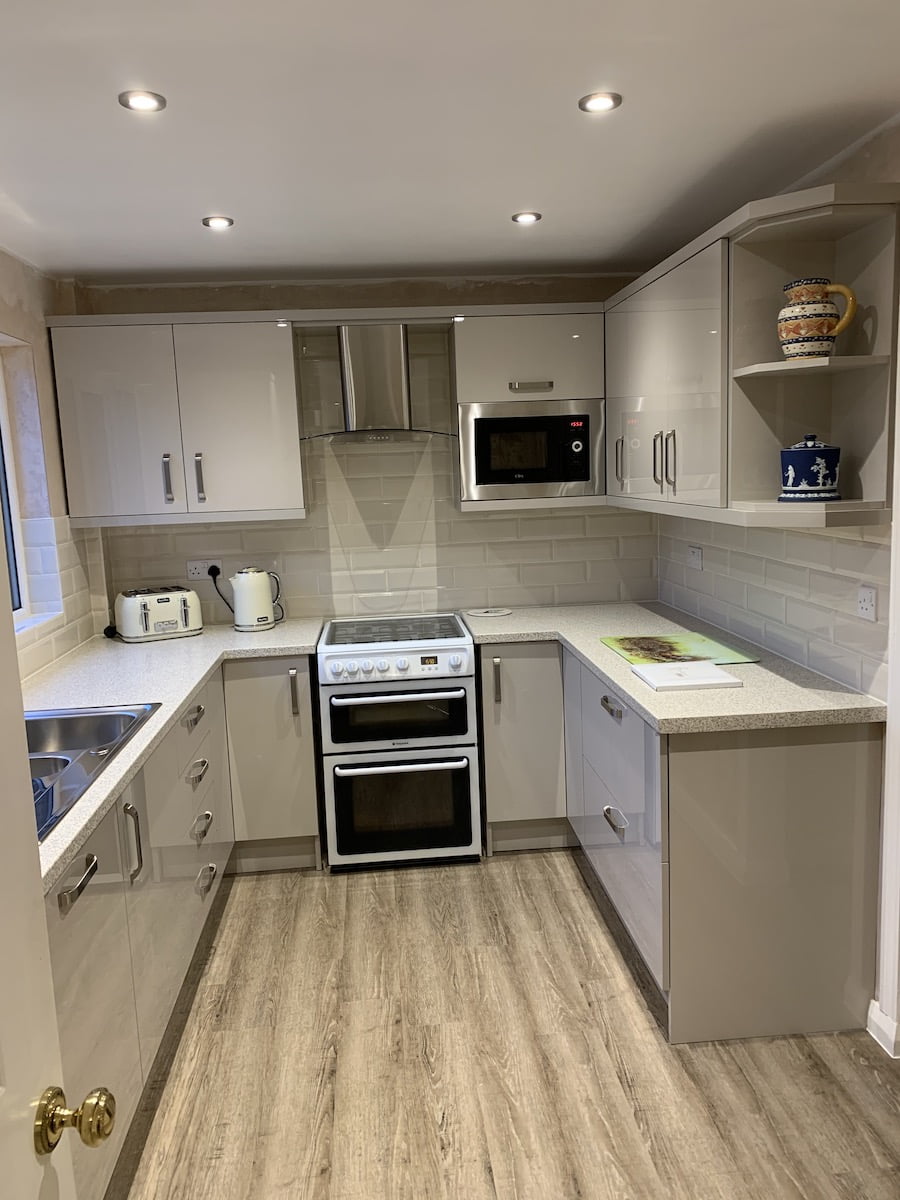
The choice and integration of appliances play a critical role in the U-shaped kitchen’s brand identity. Built-in appliances, such as integrated refrigerators and dishwashers that blend seamlessly with cabinetry panels, contribute to a sleek, high-end look. Professional-grade ranges and double ovens signal a serious approach to cooking, aligning with a luxury or gourmet brand. Smart home appliances, integrated into the kitchen design, further enhance the property’s technological sophistication, appealing to a tech-savvy market segment and reinforcing a modern, forward-thinking brand.
Lighting and Ergonomics
Beyond the “work triangle,” other ergonomic considerations are vital for a successful U-shaped kitchen design that reinforces a positive brand. Proper lighting, combining ambient, task, and accent lighting, ensures the space is well-lit for both functionality and mood. Sufficient clearance between the parallel walls is also crucial to allow for comfortable movement, opening of appliance doors, and easy access to cabinets. A minimum of 48 inches (120 cm) is generally recommended for walk-through space, with more generous allowances creating a feeling of spaciousness and ease, which contributes positively to the overall user experience and the space’s perceived brand value.
U-Shaped Kitchens in the Market: Enhancing Property Value and Appeal
For real estate developers, interior designers, and homeowners looking to sell, the U-shaped kitchen is a powerful asset that can significantly enhance a property’s market value and appeal. Its recognized efficiency, ample storage, and aesthetic versatility make it a highly desirable feature.
A well-designed U-shaped kitchen can be a strong selling point in real estate marketing. It projects an image of a home that is thoughtfully designed, practical, and capable of supporting a modern lifestyle. By investing in high-quality materials, professional-grade appliances, and custom cabinetry in a U-shaped layout, developers and homeowners can effectively “brand” their property as a premium offering, distinguishing it in a competitive market. The kitchen is often considered the heart of the home, and a U-shaped configuration positions it as a highly capable and visually appealing heart, speaking volumes about the overall quality and lifestyle promised by the property. Its ability to combine robust functionality with broad aesthetic flexibility makes it an enduring choice for those who understand the power of design in shaping perception and value.
aViewFromTheCave is a participant in the Amazon Services LLC Associates Program, an affiliate advertising program designed to provide a means for sites to earn advertising fees by advertising and linking to Amazon.com. Amazon, the Amazon logo, AmazonSupply, and the AmazonSupply logo are trademarks of Amazon.com, Inc. or its affiliates. As an Amazon Associate we earn affiliate commissions from qualifying purchases.