
Navigating the landscape of health insurance can often feel like deciphering a complex financial puzzle. Among the many terms and considerations, the “premium” stands out as perhaps the most fundamental: it’s the price you pay, typically monthly, to maintain your health coverage. Yet, asking “what is a typical health insurance premium?” is akin to asking “what is a typical car price?”—the answer is multifaceted, influenced by a myriad of factors, and highly individualized. There isn’t a single, universal number, but rather a wide spectrum of costs dictated by personal circumstances, chosen coverage, and market dynamics. Understanding this variability is the first step toward making informed financial decisions about your health.
This article will demystify health insurance premiums, exploring the core components that drive their cost, outlining typical ranges based on various scenarios, and offering actionable strategies to manage this significant personal finance outlay. Whether you’re an individual seeking coverage, a family planning your budget, or an employer evaluating benefits, a solid grasp of premium dynamics is essential for financial well-being and access to critical healthcare.
Decoding the Health Insurance Premium: More Than Just a Number
At its heart, a health insurance premium is your ongoing contribution to a risk pool. Insurance companies collect these premiums from thousands, even millions, of policyholders. This pooled money is then used to pay for the healthcare costs of those policyholders who get sick or need medical services. It’s a collective safeguard, designed to protect individuals from the potentially catastrophic financial burden of unexpected medical events.
The Fundamental Definition of a Premium
Simply put, a premium is the amount you pay to your insurance company for health coverage. This payment is usually made monthly, but can sometimes be quarterly or annually, depending on your plan and agreement. Failing to pay your premium can result in the termination of your coverage, leaving you vulnerable to the full cost of medical care. It’s a non-negotiable part of having insurance and a critical line item in many household budgets.
Why Premiums Vary So Wildly
The concept of a “typical” premium is elusive precisely because so many variables come into play. Premiums are calculated based on an actuarial assessment of risk—how likely you are to use healthcare services, and how expensive those services might be. This assessment considers broad demographic trends, individual health status (within legal limits), the generosity of the plan, and the competitive environment of the insurance market. This complexity ensures that what one person pays can be vastly different from another’s, even in the same state or city.
The Role of the Affordable Care Act (ACA) in Premium Structure
The Affordable Care Act (ACA), signed into law in 2010, fundamentally reshaped how health insurance premiums are calculated and offered in the individual and small group markets. Before the ACA, insurers could deny coverage or charge significantly higher premiums based on pre-existing conditions. The ACA introduced several key reforms:
- Guaranteed Issue: Insurers must offer coverage to everyone, regardless of health status.
- Essential Health Benefits: All plans must cover a core set of services, from prescription drugs to maternity care.
- Modified Community Rating: Insurers can only vary premiums based on a limited set of factors: age (within a 3:1 ratio), geographic location, family size, and tobacco use. Gender and health status (beyond tobacco) cannot be factors.
- Subsidies: The ACA introduced premium tax credits and cost-sharing reductions to make coverage more affordable for low- and middle-income individuals and families purchasing plans through the Health Insurance Marketplace.
These provisions have had a profound impact on premium structures, often making coverage more accessible, but also influencing the overall cost landscape.
Key Factors Influencing Your Health Insurance Premium
While the ACA limits some factors, several critical elements still determine your health insurance premium. Understanding these drivers is crucial for predicting and managing your costs.
Age and Location: Geography Meets Demographics
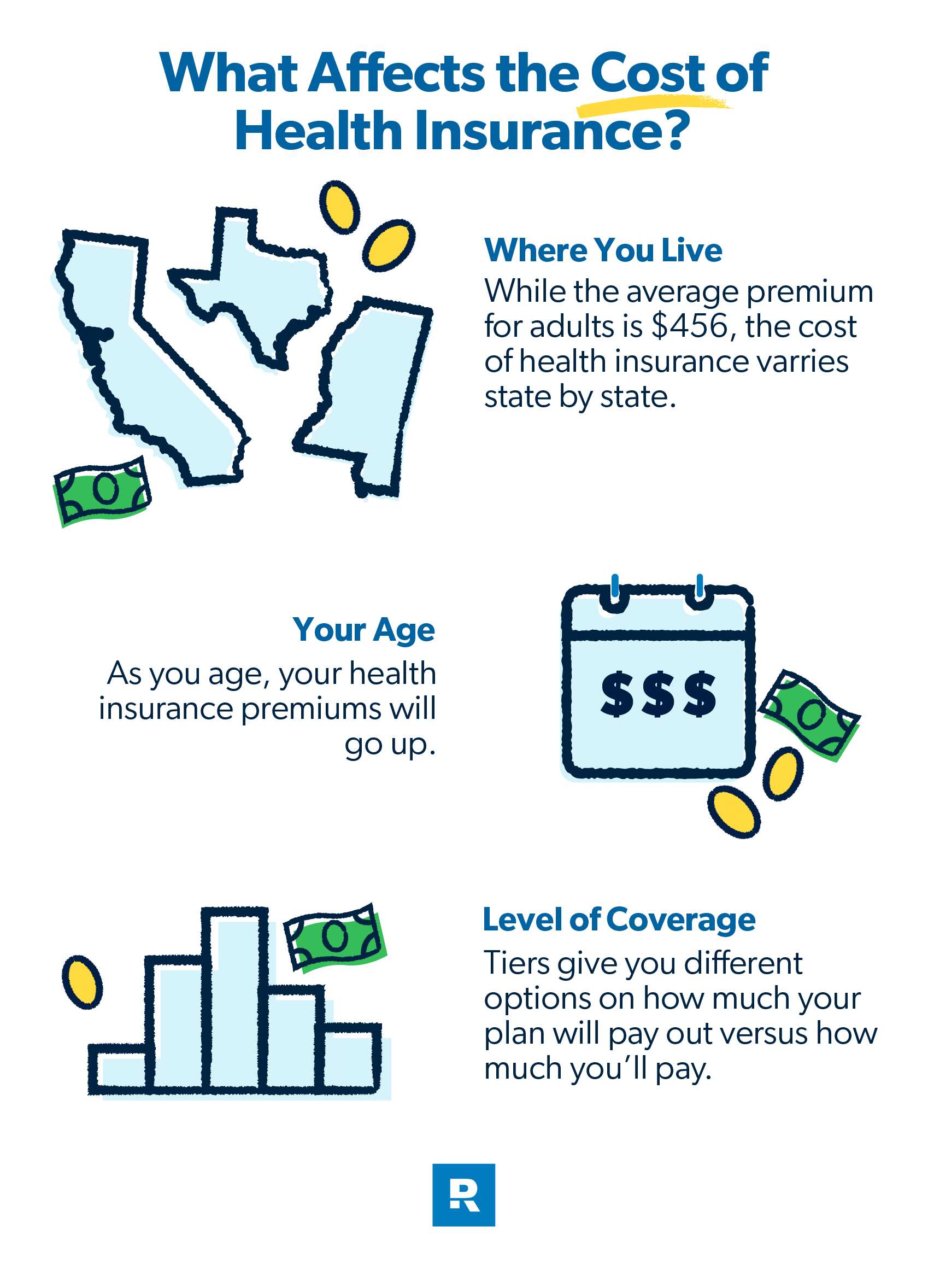
- Age: Generally, older individuals pay higher premiums than younger ones. This is because older populations typically require more medical care. The ACA permits a 3:1 age band ratio, meaning the oldest adults can be charged no more than three times what the youngest adults pay for the same plan.
- Location: Where you live significantly impacts your premium. Healthcare costs vary by region, and the number of competing insurers in a given area can influence pricing. Urban areas with higher costs of living or limited competition might see higher premiums, as can rural areas with fewer providers. State regulations and mandates also play a role.
Plan Type and Coverage Level: From Bronze to Platinum
The type of plan you choose and its level of coverage are among the most significant determinants of your premium. Plans are often categorized into metallic tiers on the ACA Marketplace:
- Bronze: Lower monthly premiums, but higher deductibles and out-of-pocket costs. Covers about 60% of medical costs.
- Silver: Moderate monthly premiums, moderate deductibles, and out-of-pocket costs. Covers about 70% of medical costs. Crucially, only Silver plans are eligible for cost-sharing reductions (CSRs) for eligible individuals.
- Gold: Higher monthly premiums, lower deductibles, and out-of-pocket costs. Covers about 80% of medical costs.
- Platinum: The highest monthly premiums, but the lowest deductibles and out-of-pocket costs. Covers about 90% of medical costs.
- Catastrophic Plans: Available to those under 30 or with a hardship exemption. Very low premiums, but extremely high deductibles. These plans are designed to protect against major medical events, not routine care.
Generally, the more comprehensive the coverage (e.g., lower deductibles, higher percentage of costs covered), the higher your monthly premium will be.
Deductibles, Copayments, and Coinsurance: The Cost-Sharing Equation
While not directly part of the premium, these cost-sharing elements are inversely related to it. They describe how much you pay out-of-pocket after you’ve paid your premium.
- Deductible: The amount you must pay for covered healthcare services before your insurance plan starts to pay. Plans with higher deductibles typically have lower premiums.
- Copayment (Copay): A fixed amount you pay for a covered service (e.g., $30 for a doctor’s visit) after your deductible has been met.
- Coinsurance: Your share of the cost of a covered healthcare service, calculated as a percentage (e.g., 20%) of the allowed amount for the service, after you’ve met your deductible.
A plan with a lower premium often comes with higher deductibles and coinsurance, meaning you pay more out-of-pocket when you actually use healthcare services. Balancing premiums against potential out-of-pocket costs is a key financial decision.
Tobacco Use: A Lifestyle Surcharge (where permissible)
Under the ACA, tobacco use is one of the few health-related factors that insurers are allowed to consider when setting premiums. Insurers can charge tobacco users up to 50% more than non-tobacco users. Not all states or plans implement this surcharge, but where they do, it can significantly increase premium costs.
Family Size: Insuring Individuals vs. Households
Premiums are calculated per enrollee. An individual plan will have a lower premium than a family plan covering a spouse and/or children. For families, premiums typically increase with each additional dependent until a certain cap (often three children), after which additional children may not incur extra premium costs.
Understanding Averages: What the Data Says About “Typical” Premiums
While no single figure defines “typical,” national and state-level data can provide a useful benchmark for understanding average health insurance premiums. These averages encompass a broad range of plans and populations, giving a general sense of the financial commitment involved.
Individual vs. Family Plan Averages

According to various reports from organizations like the Kaiser Family Foundation (KFF) and government agencies, average health insurance premiums vary significantly based on whether you’re covering an individual or a family.
For individual plans purchased on the ACA Marketplace without subsidies, a benchmark silver plan might range from $400 to $700 per month, depending heavily on the factors mentioned above.
For family plans (covering two adults and two children), the monthly premium can easily range from $1,200 to over $2,000 before subsidies. These are rough averages and can fluctuate annually and regionally.
It’s crucial to remember that these averages often don’t account for the subsidies many people receive, which can drastically reduce the actual out-of-pocket premium.
Employer-Sponsored vs. Marketplace Plans
The majority of Americans (over 150 million) receive health insurance through their employer. Employer-sponsored plans typically have different premium structures than those purchased on the individual marketplace.
- Employer-Sponsored Plans: Employers generally contribute a significant portion of the premium, often 70-80% for individual coverage and a smaller percentage for family coverage. This makes the employee’s out-of-pocket premium much lower. For instance, in 2023, the average annual premium for employer-sponsored health insurance was around $8,435 for individual coverage and $23,968 for family coverage. However, employees typically paid only about $1,385 annually for individual coverage and $6,575 for family coverage, with the employer covering the rest.
- Marketplace Plans (Individual/Family): Individuals and families who don’t have access to affordable employer-sponsored coverage or government programs like Medicare/Medicaid purchase plans through state or federal marketplaces. While the sticker price can be high, many are eligible for ACA premium tax credits, which are based on income and household size, and can significantly reduce the premium they actually pay. Some eligible individuals might even find plans with a $0 monthly premium after subsidies.
The Impact of Subsidies and Tax Credits (ACA Marketplace)
Premium tax credits are a cornerstone of the ACA, designed to make health insurance more affordable for low- and middle-income individuals and families. Eligibility is based on household income relative to the federal poverty level (FPL). For those making between 100% and 400% (or even higher, temporarily until 2025) of the FPL, these credits can cover a substantial portion of the premium. The amount of the credit depends on your income, the cost of the benchmark (second-lowest cost silver plan) in your area, and the number of people in your household. For many, subsidies can transform a seemingly unaffordable premium into a manageable monthly expense.
Navigating State-Specific Variations
Health insurance markets are regulated at both federal and state levels. This means that premiums can vary not just by county or metropolitan area, but also significantly by state. Factors like state mandates (e.g., requiring coverage for specific services), the regulatory environment, the number of insurers participating in the market, and the overall cost of living and healthcare services within a state all contribute to these variations. For example, states with a robust, competitive market might see lower premiums than those with only one or two carriers.
Strategies for Managing and Reducing Your Health Insurance Premiums
Understanding the factors and averages is useful, but the ultimate goal for most is to find an affordable plan that meets their needs. Several strategies can help you manage and potentially reduce your health insurance premiums.
Comparing Plans and Providers Diligently
This is perhaps the most fundamental strategy. Don’t settle for the first plan you see. Use the ACA Health Insurance Marketplace (Healthcare.gov or your state’s exchange), employer benefits portals, or independent brokers to compare multiple plans from different insurers side-by-side. Pay close attention to:
- Premium Cost: The monthly payment.
- Deductible: How much you pay before coverage kicks in.
- Out-of-Pocket Max: The most you’ll pay in a year for covered services.
- Network: Does it include your preferred doctors and hospitals?
- Prescription Coverage: Are your essential medications covered and at what cost?
- Copays/Coinsurance: What are the costs for routine visits and services?
A slightly higher premium might be worthwhile if it comes with a much lower deductible or out-of-pocket maximum, especially if you anticipate needing significant medical care.
Leveraging Subsidies and Tax Credits
If you’re purchasing insurance through the ACA Marketplace, always check your eligibility for premium tax credits and cost-sharing reductions. Even if you think your income is too high, it’s worth checking, as income thresholds and credit amounts can change annually. These financial aids can dramatically lower your effective monthly premium, sometimes making plans with seemingly high sticker prices quite affordable.
Exploring High-Deductible Health Plans (HDHPs) with HSAs
High-Deductible Health Plans (HDHPs) typically have lower monthly premiums in exchange for higher deductibles. If you’re generally healthy and don’t anticipate frequent medical needs, an HDHP can be a cost-effective choice. Many HDHPs are compatible with Health Savings Accounts (HSAs). An HSA allows you to save money tax-free for medical expenses, grow that money tax-free, and withdraw it tax-free for qualified medical costs. This triple tax advantage makes HSAs a powerful financial tool for managing healthcare costs and building long-term savings. The money in an HSA is yours, even if you change jobs or insurance plans.
Considering Catastrophic Plans (for eligible individuals)
For individuals under 30 or those with a hardship exemption, catastrophic plans offer very low premiums but come with extremely high deductibles. These plans are designed to protect against major, unexpected medical emergencies rather than routine care. They are not eligible for premium tax credits, so the full premium is paid out-of-pocket, but the initial monthly cost can be significantly lower than standard Bronze plans.
Employer Benefits: Maximizing Your Workplace Options
If your employer offers health insurance, it’s often the most cost-effective option because employers typically subsidize a large portion of the premium. Carefully evaluate the plans offered, considering network, out-of-pocket costs, and specific benefits. Many employers offer a choice of plans (e.g., PPO, HMO, HDHP), allowing you to select the one that best fits your family’s health needs and financial situation. Also, be aware of wellness programs or incentives that might reduce your premium.
The Long-Term Financial Implications of Health Insurance Choices
Choosing a health insurance plan isn’t just about the immediate monthly premium; it’s a strategic personal finance decision with long-term implications for your financial health and access to care.
Balancing Premiums with Out-of-Pocket Costs
A common mistake is to select a plan based solely on the lowest premium. While a low premium reduces your immediate monthly outflow, it often comes with higher deductibles, copayments, and coinsurance. If you frequently visit the doctor, take prescription medications, or anticipate significant medical needs (e.g., pregnancy, chronic condition management, planned surgery), a plan with a higher premium but lower out-of-pocket costs might actually save you money in the long run. Calculate your potential total annual cost (premiums + estimated out-of-pocket expenses) before making a final decision.
The Cost of Being Uninsured: A Risky Gamble
While health insurance premiums can feel substantial, the financial risk of being uninsured is far greater. A single serious illness or accident can lead to medical bills in the tens or hundreds of thousands of dollars, potentially resulting in bankruptcy. Health insurance provides crucial financial protection, acting as a safeguard against these unforeseen and potentially devastating costs. The “cost” of being uninsured is not just the lack of a monthly premium, but the exposure to unlimited medical debt.

Future-Proofing Your Health and Finances
Making informed health insurance decisions is an integral part of comprehensive financial planning. It ensures you have access to preventative care, early diagnosis, and necessary treatments, which can prevent minor health issues from escalating into major, more expensive problems. By thoughtfully selecting a plan that aligns with your health needs and financial capacity, you’re not just paying a premium; you’re investing in your health, your peace of mind, and your long-term financial stability. Regularly reviewing your plan during open enrollment periods allows you to adapt your coverage as your life circumstances and financial situation evolve.
In conclusion, a “typical” health insurance premium is a fluid concept, shaped by individual choices, demographic factors, and market dynamics. By understanding these complexities, diligently comparing options, and leveraging available financial assistance, you can make a choice that protects both your health and your financial future.
aViewFromTheCave is a participant in the Amazon Services LLC Associates Program, an affiliate advertising program designed to provide a means for sites to earn advertising fees by advertising and linking to Amazon.com. Amazon, the Amazon logo, AmazonSupply, and the AmazonSupply logo are trademarks of Amazon.com, Inc. or its affiliates. As an Amazon Associate we earn affiliate commissions from qualifying purchases.