
In the rapidly evolving landscape of home entertainment, where streaming services and on-demand content dominate the conversation, certain foundational technologies often go overlooked. Among these is the TV tuner—a sophisticated piece of hardware that serves as the bridge between raw electromagnetic signals and the high-definition imagery we consume on our screens. While most modern televisions come with integrated tuners, the technology has expanded far beyond the living room TV set, finding its way into computers, mobile devices, and network-attached storage systems.
To understand what a TV tuner is in the modern era, one must look beyond the “channel surfing” of the past and examine how this technology handles signal processing, data decompression, and digital-to-analog conversion in an increasingly complex telecommunications environment.
The Technical Mechanism: How TV Tuners Decode the Airwaves
At its most fundamental level, a TV tuner is a device that receives radio frequency (RF) transmissions and converts them into a format that can be displayed as video and audio. Unlike a simple receiver, a “tuner” is designed to isolate a specific frequency—a channel—from a multitude of signals occupying the broadcast spectrum.
From Analog to Digital: The Evolution of Signal Processing
Historically, TV tuners were purely analog devices designed to pick up NTSC or PAL signals. These systems were prone to interference, “ghosting,” and static. However, the global shift to digital broadcasting (DTV) transformed the tuner into a much more powerful computational tool. Modern tuners must now perform “demodulation,” a process where the tuner extracts digital data from the carrier wave. In the United States, this typically involves the ATSC (Advanced Television Systems Committee) standard, which uses 8VSB modulation to pack massive amounts of data into the same 6MHz bandwidth that once held a single analog channel.
The Role of the Demultiplexer
Once the signal is received and demodulated, the tuner’s job is not yet finished. Digital broadcasts often contain “multiplexed” data, meaning a single frequency might carry multiple sub-channels (e.g., 4.1, 4.2, and 4.3). The tuner, working in tandem with an MPEG decoder, must separate these streams. It identifies the Program Specific Information (PSI) within the data stream to ensure that the correct video and audio packets are synchronized and sent to the display processor. This intricate dance of data management is what allows for the crystal-clear 1080i or 4K resolutions we expect today.
Specialized Hardware: Exploring the Different Types of TV Tuners
While the most common TV tuner is the one built directly into the back of your flat-screen television, the tech industry has developed various specialized iterations to serve power users, cord-cutters, and media enthusiasts.
Internal PC Tuner Cards
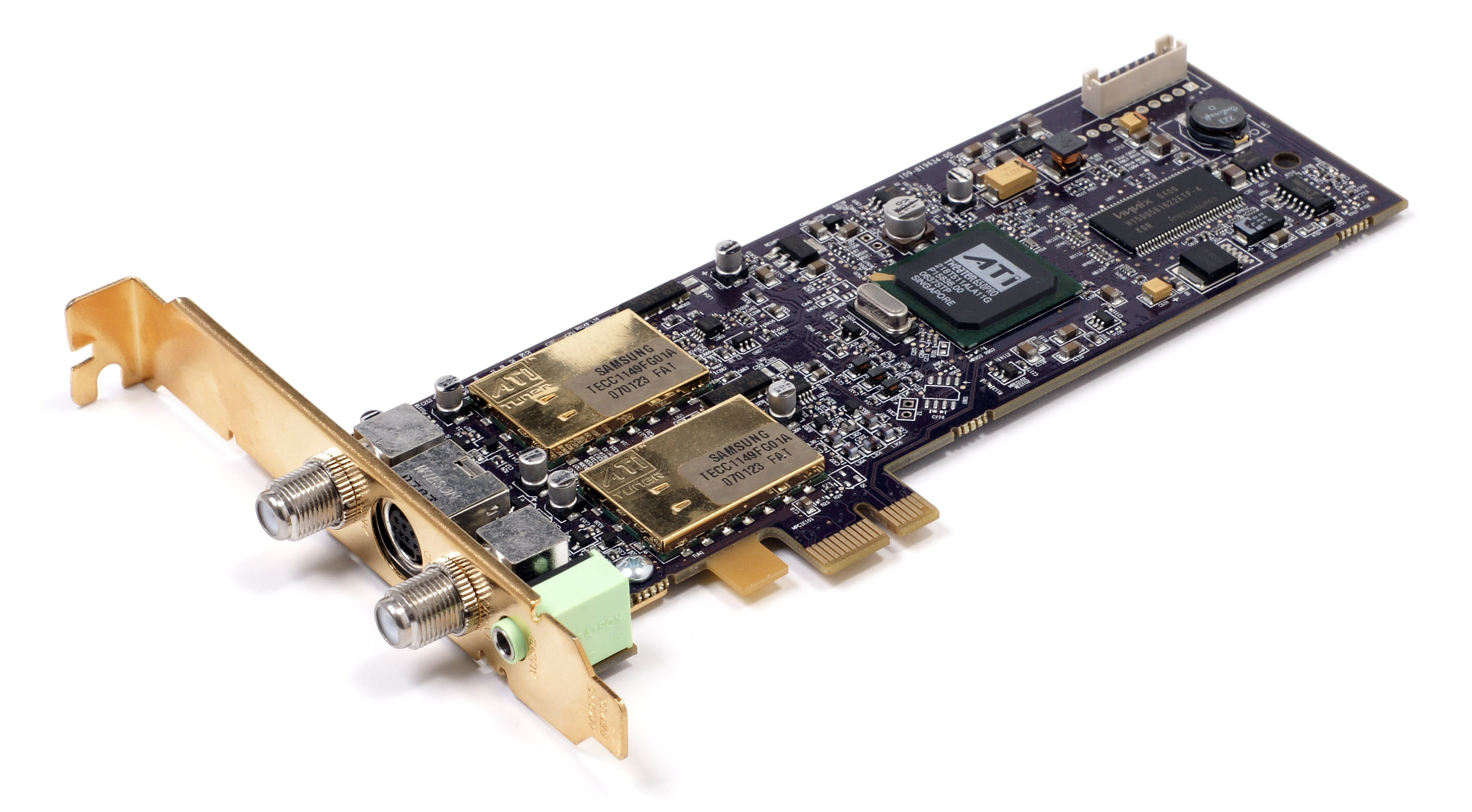
For desktop enthusiasts and those building Home Theater PCs (HTPCs), internal tuner cards are the gold standard. These devices connect directly to the motherboard via a PCIe (Peripheral Component Interconnect Express) slot. Because they have a direct line to the system’s bus, they offer the lowest latency and the highest data throughput. High-end PCIe tuners often feature “dual” or “quad” configurations, meaning a single card contains multiple independent tuning circuits. This allows a user to record one program while watching another, or even record four different live broadcasts simultaneously.
USB TV Tuner Sticks
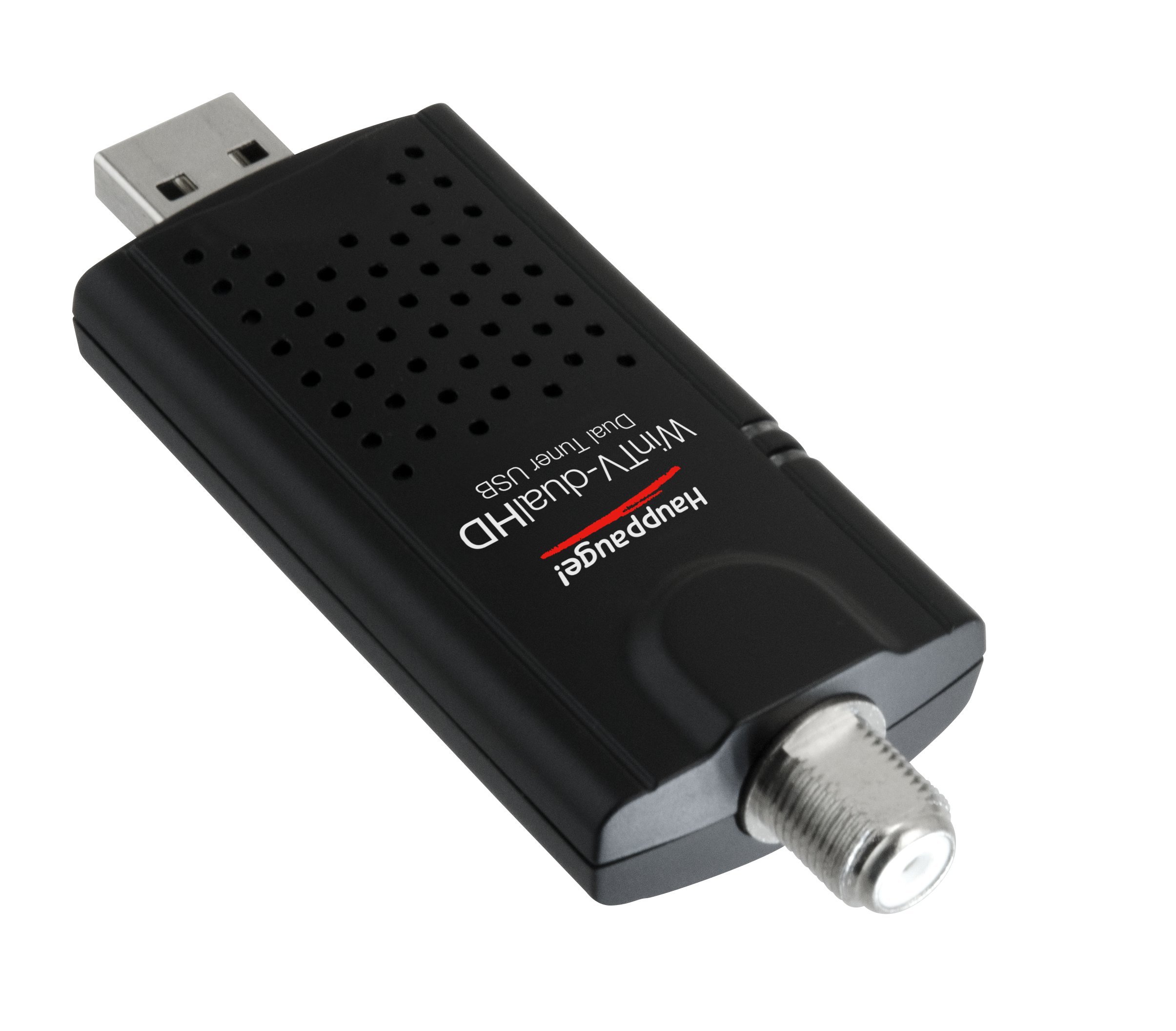
USB tuners offer a portable, plug-and-play solution for laptops and compact computers. Despite their small form factor—often no larger than a standard thumb drive—these devices house a complete RF receiver and a miniature hardware encoder. While early USB tuners were limited by the data transfer speeds of USB 2.0, modern USB 3.0 and 3.1 versions can easily handle the high bitrates required for uncompressed HD video. They are particularly popular among travelers and “digital nomads” who wish to access local news and sports without relying on a stable internet connection.
Network-Attached Tuners
The most significant recent innovation in this space is the network-attached tuner, such as the SiliconDust HDHomeRun series. These devices do not connect directly to a display or a computer. Instead, they connect to an antenna and a router. The tuner converts the incoming broadcast signal into an IP-based stream (Internet Protocol), “casting” the live TV signal across the user’s entire home Wi-Fi network. This allows any device with the appropriate software—be it a tablet, a smartphone, a smart TV, or a game console—to act as a television receiver.
Integration with Modern Media Ecosystems
In the current tech climate, a TV tuner is rarely used in isolation. Its true value is unlocked when integrated into a larger digital ecosystem, bridging the gap between traditional broadcast media and modern software interfaces.
Media Server Synergy: Plex and Kodi
One of the primary reasons tech-savvy users invest in standalone TV tuners is to integrate them with media server software like Plex, Kodi, or Emby. When a tuner is connected to a server, it transforms from a simple receiver into a sophisticated Digital Video Recorder (DVR). The software uses the tuner to grab the raw MPEG-2 or H.264 stream from the airwaves and write it directly to a hard drive. This enables features like “commercial skipping,” “time-shifting” (pausing live TV), and remote viewing, where the server transcodes the broadcast signal on the fly so it can be viewed over a cellular connection miles away from home.
The Impact of ATSC 3.0 (NextGen TV)
The industry is currently undergoing a massive technical shift toward ATSC 3.0, marketed as “NextGen TV.” This is the first major upgrade to broadcast technology in decades, and it requires a new generation of TV tuners. ATSC 3.0 is built on an IP backbone, merging the efficiency of the internet with the reach of broadcast. New tuners capable of decoding ATSC 3.0 can support 4K UHD resolution, High Dynamic Range (HDR10), and immersive audio formats like Dolby AC-4. For the tech enthusiast, upgrading to an ATSC 3.0-compatible tuner is essential for future-proofing their home theater setup.
Choosing the Right Tuner: A Technical Buyer’s Guide
Selecting a TV tuner requires an understanding of specific technical requirements, ranging from operating system compatibility to signal sensitivity.
Compatibility and Software Drivers
Before purchasing a tuner, one must verify driver support. While most USB and PCIe tuners are “plug-and-play” on Windows via Windows Media Center (legacy) or third-party apps, Linux and macOS support can be more fragmented. For those using a Raspberry Pi or a NAS (Network Attached Storage) as a media hub, it is vital to ensure the tuner chipset is supported by the Linux kernel. Network tuners avoid many of these driver issues by using standardized network protocols, making them the most platform-agnostic choice.
Tuner Count and Throughput
The “tuner count” refers to how many independent frequencies the device can lock onto at once. A single-tuner device is restrictive; it can only process one channel. For a household with multiple users or for those who wish to build a robust DVR library, a quad-tuner device is recommended. Furthermore, hardware-based transcoding is a feature worth looking for. Higher-end tuners can compress the video signal into H.264 format before it even reaches your computer, significantly reducing the CPU load on the host machine and saving storage space.
Signal Sensitivity and Signal-to-Noise Ratio (SNR)
Not all tuners are created equal in their ability to “grab” weak signals. High-quality tuners include sophisticated amplifiers and noise-reduction circuits to maintain a high Signal-to-Noise Ratio. In tech circles, this is often measured in decibels (dB). A tuner with superior sensitivity can lock onto a signal that a cheaper, poorly shielded tuner would perceive as mere background noise. This is particularly important for users living in “fringe” reception areas, far from broadcast towers.

Conclusion: The Enduring Relevance of the TV Tuner
As we move deeper into the era of 8K video and ubiquitous fiber-optic internet, the TV tuner remains a vital piece of hardware. It represents the ultimate form of digital sovereignty—providing access to high-quality, high-bitrate content without the need for a subscription, a login, or a data plan. By understanding the technical nuances of how these devices operate—from the demodulation of ATSC signals to the networking of IP-based streams—users can take full control of their digital media consumption. Whether it is a tiny USB stick or a multi-tuner network powerhouse, the TV tuner continues to be an essential tool for anyone looking to bridge the gap between the airwaves and the digital screen.
aViewFromTheCave is a participant in the Amazon Services LLC Associates Program, an affiliate advertising program designed to provide a means for sites to earn advertising fees by advertising and linking to Amazon.com. Amazon, the Amazon logo, AmazonSupply, and the AmazonSupply logo are trademarks of Amazon.com, Inc. or its affiliates. As an Amazon Associate we earn affiliate commissions from qualifying purchases.