
Navigating the financial landscape of the United Kingdom involves understanding various unique taxes, levies, and household bills. One of the most frequently discussed, and often misunderstood, financial obligations is the UK TV License. While it might sound like a relic of a bygone era, the TV license remains a mandatory legal requirement for the vast majority of households. From a personal finance perspective, it is a non-negotiable line item in a monthly budget for those who consume live media.
Understanding what the license is, who must pay it, and what happens if you don’t is essential for maintaining financial health and legal compliance while living in the UK. This guide breaks down the economics of the TV license, the legal frameworks surrounding it, and the potential concessions available to consumers.
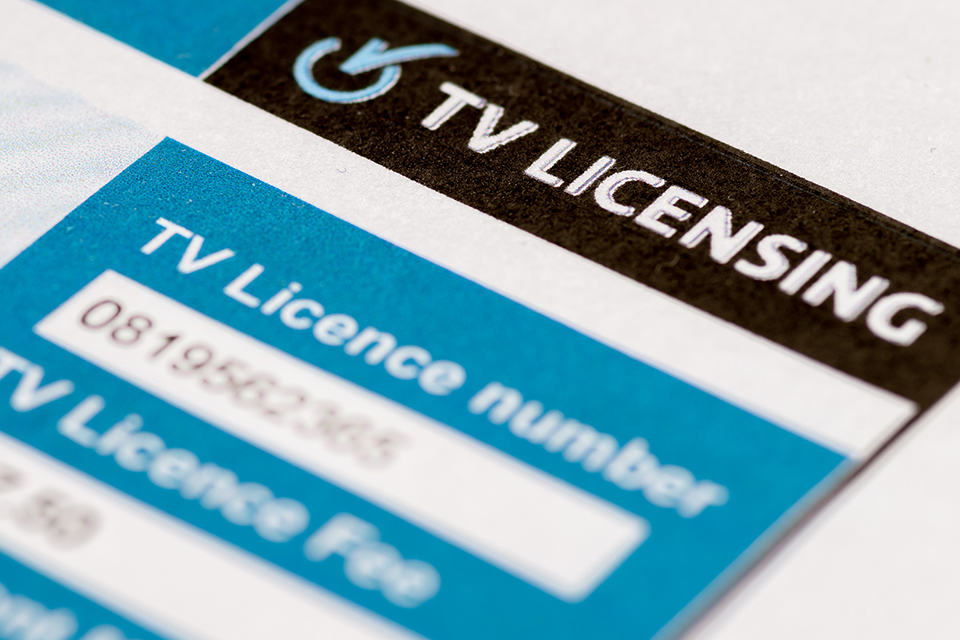
1. Understanding the Financial Framework of the TV License
At its core, the TV license is a statutory payment used primarily to fund the British Broadcasting Corporation (BBC), the UK’s public service broadcaster. Unlike commercial channels that rely heavily on advertising revenue, the BBC is funded by the public to remain independent of commercial and political interests.
What Exactly Are You Paying For?
When you pay for a TV license, you aren’t simply paying for the right to own a television set. In fact, you can own 50 televisions and never pay a penny, provided you don’t use them for specific types of viewing. The fee covers the “installing or using” of television receiving equipment to watch or record programmes as they are being shown on TV or live on an online TV service. This includes all channels, not just the BBC—from ITV and Channel 4 to international broadcasts via satellite.
Furthermore, since 2016, the law was updated to include the use of BBC iPlayer. Even if you do not watch “live” television, if you use the BBC iPlayer catch-up service on a laptop, tablet, phone, or games console, you are legally required to hold a license.
The Current Cost and Payment Methods
As of 2024, the cost of a standard color TV license is £169.50 per year. For the few remaining households using black-and-white sets, the fee is significantly lower at £57.00. From a budgeting standpoint, the TV Licensing authority offers several ways to manage this cost:
- Annual Payment: A single lump sum paid via Direct Debit or credit/debit card.
- Quarterly Payments: This option incurs a small premium, making it slightly more expensive over the year.
- Monthly Direct Debits: This allows households to spread the cost, typically paying around £14.12 per month.
- TV Licensing Payment Card: Designed for those who prefer to pay weekly or fortnightly, often used by those who manage their finances on a cash-basis or strictly weekly budget.
2. Legal Obligations and the Financial Risks of Non-Compliance
In the UK, the TV license is enforced by the Communications Act 2003. Failure to pay the license fee while consuming covered content is a criminal offense, not a civil one. This distinction is vital for personal finance management, as a conviction can lead to a criminal record and significant monetary penalties.
Who Needs a License? (The Rules of Consumption)
The criteria for needing a license are specific. You must have a license if you:
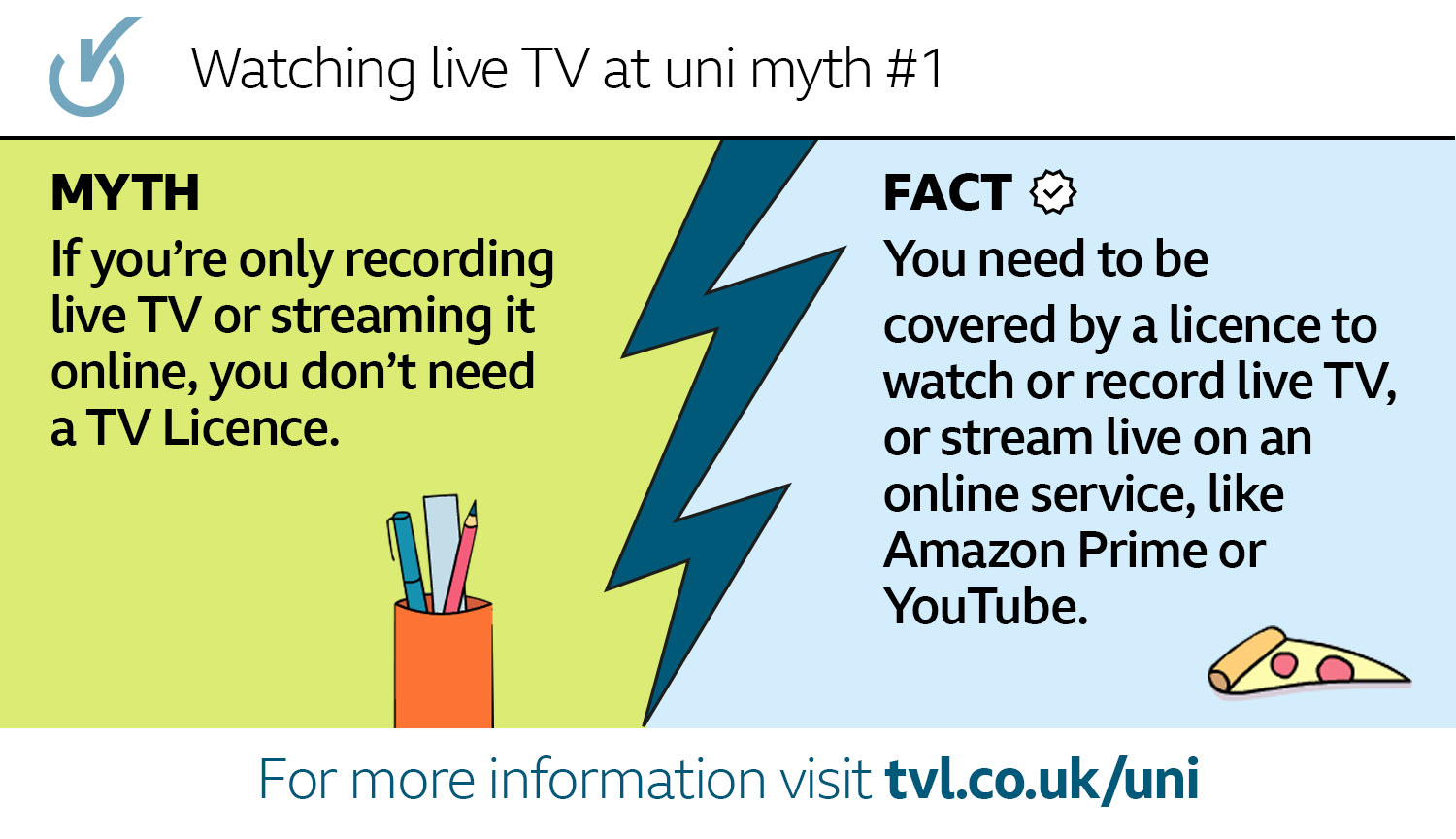
- Watch or record live TV on any channel or device (this includes terrestrial, satellite, cable, or streaming services like Amazon Prime or YouTube if you are watching a live broadcast).
- Use BBC iPlayer to watch any content, whether live or on-demand.
Conversely, you do not need a license if you exclusively watch on-demand content on services like Netflix, Disney+, or YouTube (excluding live broadcasts), or if you only use your TV for gaming and DVDs. If your household falls into this category, you can file a “No License Needed” declaration to stop the automated reminder letters, though TV Licensing enforcement officers may still visit to verify the claim.
The Penalty Fine System: Why Evasion is a Poor Financial Move
For those looking to save money by “dodging” the license, the financial risks far outweigh the £169.50 annual saving. If you are caught watching live TV or using iPlayer without a license, you can be prosecuted and fined up to £1,000 (plus legal costs and a “victim surcharge”).
In many parts of the UK, TV license evasion accounts for a notable percentage of all prosecutions in magistrates’ courts. From a wealth management perspective, incurring a £1,000 fine for a £169.50 debt is a catastrophic return on investment. Furthermore, a criminal record can impact future employment opportunities and insurance premiums, creating a long-term financial drag.
3. Exemptions, Discounts, and Financial Relief

Not everyone is required to pay the full fee. As part of the UK’s social safety net, various concessions are available to specific demographics. Identifying these can be a vital part of financial planning for seniors or those with disabilities.
Concessions for Over-75s and Care Home Residents
Historically, the TV license was free for everyone over the age of 75. However, following a policy shift in 2020, this is now means-tested. To receive a free TV license today, the license holder must be 75 years or older and in receipt of Pension Credit.
Pension Credit is a “passport benefit,” meaning it unlocks other financial aids. If you are an older resident, ensuring you apply for Pension Credit not only provides an income top-up but also eliminates the £169.50 annual TV license expense. Additionally, residents in care homes may be eligible for an “Accommodation for Residential Care” (ARC) license, which costs a symbolic £7.50 per year.
Blind or Severely Sight-Impaired Discounts
There is a significant financial concession for those who are registered as blind or severely sight-impaired. These individuals are eligible for a 50% discount on their license fee. To claim this, the license must be in the name of the person who is sight-impaired. If the license is currently in a spouse’s name, it should be transferred to take advantage of the £84.75 annual saving.
4. The Economics of Public Service Broadcasting
To understand the TV license, one must look at the macro-economic scale of the BBC and how these individual household payments aggregate into a massive driver for the UK’s creative economy.
Where Does the Money Go?
The revenue collected from TV licenses—amounting to approximately £3.7 billion annually—is the lifeblood of the BBC. While critics often focus on high-profile talent salaries, the financial breakdown shows a much broader distribution of funds:
- Television Production: Funding for BBC One, Two, Three, and Four, as well as regional programming.
- Radio: Supporting national stations (Radio 1, 2, 4, etc.) and dozens of local radio stations that provide vital community news.
- Digital Services: The maintenance and development of the BBC website and the iPlayer infrastructure.
- Education and News: Funding for BBC Bitesize (a massive educational resource for students) and one of the world’s largest news-gathering operations.
From a business finance perspective, the license fee acts as a “guaranteed” revenue stream that allows the BBC to invest in long-term projects and niche content that commercial broadcasters might find unprofitable, such as high-end natural history documentaries or local investigative journalism.
Comparing the License Fee to Global Media Subscription Models
In the modern “streaming wars” era, consumers often compare the TV license fee to subscriptions like Netflix or Sky.
- Netflix Premium: Costs approximately £215 per year.
- Sky TV Packages: Can easily exceed £600 per year.
- TV License: Costs £169.50 per year.
When viewed as a “bundle” that includes ad-free television, extensive radio networks, and comprehensive digital news, many economists argue the TV license offers high value for money on a per-hour basis. However, the compulsory nature of the fee remains a point of contention in UK fiscal policy, with ongoing debates regarding whether the BBC should move to a voluntary subscription model or be funded through general taxation.
5. Navigating Changes: The Future of the License Fee
The financial landscape of the TV license is not static. The UK government periodically reviews the BBC Charter, which determines how the broadcaster is funded.
The Decriminalization Debate
There has been significant political discussion regarding the “decriminalization” of TV license evasion. Currently, as a criminal offense, it places a burden on the court system. Moving it to a civil debt (similar to a parking fine) would change the financial consequences for households. While it would remove the risk of a criminal record, it might lead to more aggressive debt collection tactics from private agencies.
Planning for a “License-Free” Household
For those looking to optimize their personal finances by cutting out the TV license, it requires a disciplined shift in media consumption. To legally stop paying, you must ensure no one in your household watches “live” TV. With the rise of YouTube, Twitch, and on-demand platforms, many younger households are choosing to redirect their £169.50 annual budget toward specialized streaming services.
However, one must be cautious: the moment you “click” on a live stream of a news event or a sports match on any platform, you fall back into the legal requirement for a license. For the average UK family, the TV license remains a standard, predictable household cost that provides the backbone of their daily media consumption.
In conclusion, the UK TV license is more than just a permit to watch television; it is a unique financial instrument that supports a global media powerhouse. Whether you view it as a necessary contribution to the “public good” or a burdensome household tax, understanding its legal requirements and cost-saving concessions is essential for any savvy manager of personal finances in the United Kingdom.
aViewFromTheCave is a participant in the Amazon Services LLC Associates Program, an affiliate advertising program designed to provide a means for sites to earn advertising fees by advertising and linking to Amazon.com. Amazon, the Amazon logo, AmazonSupply, and the AmazonSupply logo are trademarks of Amazon.com, Inc. or its affiliates. As an Amazon Associate we earn affiliate commissions from qualifying purchases.