
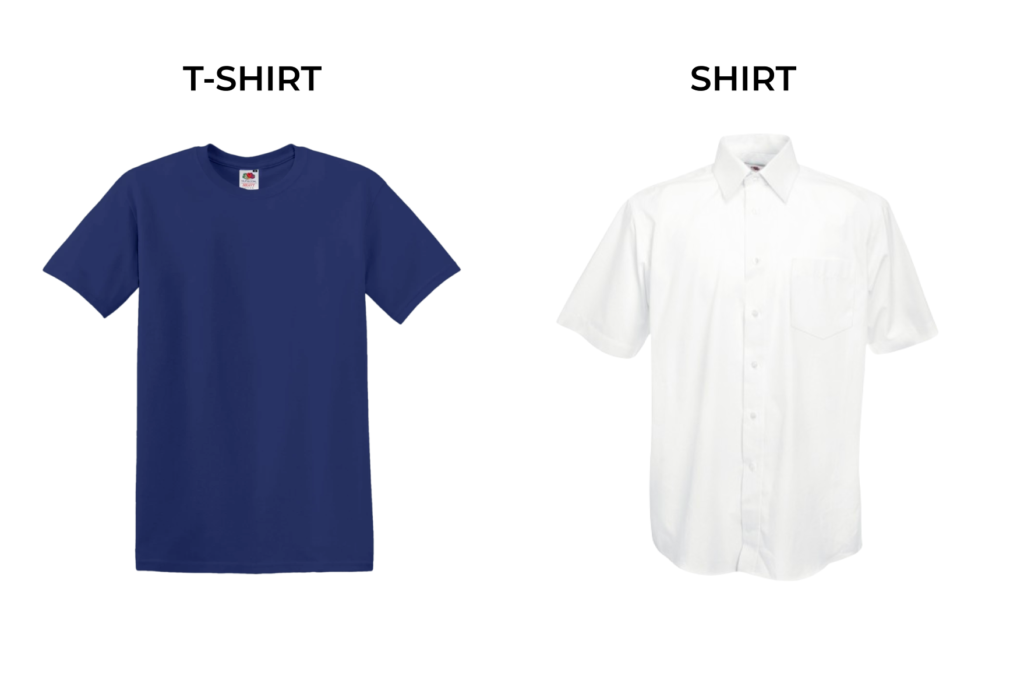
At its most fundamental, a t-shirt is a simple garment: a short-sleeved, collarless shirt typically made from cotton or a cotton blend, named for the ‘T’ shape formed by its body and sleeves. Yet, to dismiss it merely as a basic piece of clothing would be to overlook its profound significance, particularly within the realm of brand strategy, corporate identity, and marketing. Far from being a mere utilitarian item, the t-shirt has evolved into a ubiquitous cultural icon, a powerful medium for personal expression, and an indispensable tool for brands across every industry. It is a testament to minimalist design that has transcended its humble origins to become a global phenomenon, worn by billions and serving as a silent, yet potent, ambassador for countless messages and identities.
In the brand landscape, the t-shirt is much more than fabric and stitches; it is a wearable billboard, a statement of belonging, and a tangible extension of a brand’s ethos. Its simplicity is its strength, offering an unadorned surface ready to be imbued with meaning, logos, slogans, and artistic expressions. For businesses, artists, non-profits, and even individuals building personal brands, understanding “what is a t-shirt” from a strategic perspective is crucial. It’s about recognizing its potential as a versatile, cost-effective, and highly visible marketing asset that connects directly with consumers and reinforces brand narratives in a deeply personal way. This article delves into the multifaceted role of the t-shirt, exploring its importance through the lens of branding, design, and strategic communication.
The T-Shirt as a Canvas for Brand Identity
The t-shirt’s primary power in branding lies in its unparalleled ability to serve as a blank canvas, ready to be imprinted with a brand’s visual identity. It transforms from a generic garment into a walking advertisement, a piece of art, or a symbol of affiliation, carrying a brand’s message directly into the public sphere.
Visual Communication and Logo Placement
For any brand, the logo is its most condensed form of visual identity. On a t-shirt, the logo gains mobility and organic exposure that traditional advertising often struggles to achieve. When someone wears a branded t-shirt, they become a voluntary, mobile ambassador, extending the brand’s reach into new environments and social circles. Strategic placement of a logo—be it a prominent display across the chest, a subtle detail on a sleeve, or an intricate back graphic—communicates specific messages about the brand’s confidence, style, or inclusivity. A bold, central logo asserts dominance and recognition, while a smaller, discreet emblem might suggest sophistication or an understated luxury. The choice of colors for the logo against the fabric, the typography used for accompanying text, and the overall graphic design all contribute to a cohesive visual language that reinforces brand attributes, ensuring immediate recognition and recall.
Materiality and Quality as Brand Statements
Beyond visual aesthetics, the physical attributes of a t-shirt convey implicit messages about a brand’s values. The choice of fabric—whether it’s soft organic cotton, durable heavy-weight jersey, moisture-wicking synthetic blends, or luxurious silk-cottons—speaks volumes. A brand opting for premium, soft-touch cotton signals a commitment to comfort and quality, appealing to consumers who prioritize sensory experience and longevity. Conversely, a brand choosing a recycled polyester blend might emphasize its dedication to sustainability and innovation. The cut, fit, and construction quality—from the stitching to the collar ribbing—are subtle yet powerful indicators of a brand’s attention to detail and its overall perceived value. A well-made t-shirt lasts longer, looks better with age, and enhances the wearer’s experience, thereby fostering positive associations with the brand. Investing in quality materials and manufacturing isn’t just about durability; it’s a strategic decision that elevates the brand’s image and reinforces its promise to the consumer.
Storytelling Through Design and Graphics
The t-shirt offers a unique opportunity for narrative branding. It allows companies to tell their story, articulate their mission, or celebrate their heritage through engaging graphics and thematic designs that go beyond a simple logo. A t-shirt featuring an intricate illustration related to a brand’s origin story, a clever graphic embodying its philosophy, or a series of designs commemorating significant milestones can forge a deeper emotional connection with the audience. For instance, an outdoor gear company might use t-shirt graphics to depict stunning landscapes or adventurous motifs, aligning its brand with exploration and nature. A music band’s t-shirt designs often become iconic representations of their albums, tours, and artistic identity, allowing fans to visibly express their allegiance. This storytelling capability transforms the t-shirt from a mere product into a cultural artifact, enabling consumers to wear their beliefs, passions, and affiliations proudly, thereby amplifying the brand’s voice in a highly personal and authentic manner.
Strategic Role in Marketing and Promotion
The t-shirt is not just an item of clothing; it’s a dynamic and highly effective marketing tool. Its versatility allows it to be integrated into various promotional strategies, offering tangible value to both the brand and the consumer.
Merchandise and Brand Loyalty
For many brands, t-shirts are a cornerstone of their merchandise strategy. Selling branded t-shirts allows companies to generate additional revenue while simultaneously reinforcing brand identity and fostering a sense of community among customers. When consumers purchase and wear branded apparel, they’re not just buying a product; they’re investing in a lifestyle, an identity, or a cause that the brand represents. This act of wearing publicly declares their affiliation and loyalty, turning customers into advocates. Fan merchandise, particularly in sports, music, and entertainment industries, exemplifies this phenomenon, where t-shirts become badges of honor and collective identity. Beyond direct sales, t-shirts can be offered as incentives, loyalty rewards, or part of premium packages, enhancing customer perceived value and encouraging repeat engagement.
Event Marketing and Uniforms
In event marketing, t-shirts play a dual role: they identify staff and volunteers, creating a cohesive and professional image, and they serve as memorable giveaways for attendees. Uniformed staff at conferences, festivals, or retail outlets instantly convey authority and approachability, streamlining communication and enhancing the overall customer experience. For attendees, a branded event t-shirt becomes a tangible souvenir, extending the event’s memory and brand exposure long after it concludes. These t-shirts become walking advertisements, sparking conversations and reminding others of the event. Furthermore, for corporate teams and internal branding, t-shirts foster a sense of unity and team spirit, promoting a shared identity and belonging among employees, which can positively impact company culture and productivity.
Influencer and Collaborative Branding

The rise of influencer marketing has given the t-shirt new avenues for strategic promotion. Brands often partner with influencers who wear their branded t-shirts, showcasing them to their followers in authentic, relatable contexts. This approach leverages the influencer’s credibility and reach to introduce the brand to new audiences in a less overtly commercial manner. Furthermore, collaborative branding, where two or more brands co-design a limited-edition t-shirt, can be incredibly powerful. These collaborations can generate significant buzz, merge target audiences, and create unique products that reflect the values of both brands, leading to enhanced brand perception and expanded market penetration. Such partnerships often result in highly sought-after, collectible items that drive demand and excitement.
Design Principles for Impactful T-Shirt Branding
Effective t-shirt branding goes beyond simply slapping a logo onto fabric. It requires a thoughtful approach to design, ensuring that the garment not only looks appealing but also aligns with brand values and consumer expectations.
Ergonomics and Wearability
A t-shirt’s primary function is to be worn, and its design must prioritize comfort and fit. Ergonomics in t-shirt design refers to how the garment interacts with the human body, ensuring ease of movement and pleasant wear. Factors such as fabric breathability, seam placement, and overall cut (slim-fit, regular, oversized) are crucial. A well-designed t-shirt feels good against the skin, allows for freedom of movement, and maintains its shape through wear and washing. Brands that prioritize wearability demonstrate a consideration for the consumer’s experience, which translates into positive brand perception. Discomfort or poor fit, conversely, can lead to negative associations, regardless of the visual design. Thus, understanding sizing consistency and catering to diverse body types are fundamental to building an inclusive and appealing brand.
Aesthetic Appeal and Target Audience
The visual aesthetics of a t-shirt must resonate deeply with the brand’s target audience. Design choices—from color palettes and graphic styles to typography and imagery—should be tailored to appeal to specific demographics and psychographics. A brand targeting a youthful, edgy demographic might opt for bold, graphic prints, vibrant colors, and contemporary typography. In contrast, a brand aiming for a more mature, sophisticated audience might prefer minimalist designs, muted tones, and subtle, elegant branding. Understanding the target audience’s style preferences, cultural references, and prevailing fashion trends is critical to creating designs that are not only aesthetically pleasing but also culturally relevant and desirable, ensuring that the t-shirt genuinely speaks to and connects with its intended wearer.
Sustainability and Ethical Production
In an increasingly conscious marketplace, the ethical and sustainable production of t-shirts has become a vital aspect of brand identity. Consumers are increasingly scrutinizing supply chains and demanding transparency regarding environmental impact and labor practices. Brands that prioritize sustainable materials (e.g., organic cotton, recycled polyester, hemp), eco-friendly dyes, and ethical manufacturing processes (fair wages, safe working conditions) can build a powerful narrative of responsibility and integrity. Communicating these efforts effectively through branding, such as using sustainable certifications or telling the story of the production process, can significantly enhance brand reputation and attract a growing segment of ethically-minded consumers. Ignoring these considerations, on the other hand, risks alienating a significant portion of the market and damaging brand trust.
Evolving Trends in T-Shirt Branding
The t-shirt industry is dynamic, constantly adapting to new technologies, shifting consumer preferences, and emerging cultural trends. Brands must remain agile to leverage these developments effectively.
Personalization and Customization
The demand for personalized products is surging, and t-shirts are at the forefront of this trend. Brands are increasingly offering platforms for customers to customize their t-shirts, whether it’s by adding their names, choosing specific graphics, or even designing their own prints. This level of customization empowers consumers to create a truly unique item that reflects their individuality, thereby deepening their connection to the brand. Technologies like direct-to-garment (DTG) printing have made on-demand, high-quality personalization more accessible and cost-effective for brands. Offering customizable t-shirts not only meets consumer demand for uniqueness but also fosters a sense of co-creation, making customers feel more invested in the brand.
Digital Integration and QR Codes
In an era dominated by digital interaction, t-shirts are beginning to bridge the gap between physical and virtual experiences. Integrating elements like QR codes into t-shirt designs can transform a static garment into an interactive marketing tool. A QR code could link wearers and observers to a brand’s website, an exclusive content piece, a social media campaign, or even an augmented reality (AR) experience. This digital integration offers a novel way for brands to engage with their audience, track campaign effectiveness, and provide richer, more immersive brand interactions beyond the physical product itself. It’s a testament to the t-shirt’s adaptability as a medium for innovation.
Niche Markets and Subculture Identification
The t-shirt has long been a banner for subcultures, from punk rock to skateboarding, acting as a uniform that signals affiliation and identity. Brands are increasingly recognizing the power of catering to niche markets and specific subcultures, creating highly targeted t-shirt lines that resonate deeply with these communities. By understanding the unique aesthetics, values, and inside jokes of a particular group, brands can design t-shirts that serve as powerful identifiers, fostering strong loyalty and word-of-mouth marketing within these passionate communities. This approach allows brands to build authentic connections and establish themselves as genuine parts of these cultures, rather than merely external marketers.

Conclusion
The question “what is a t-shirt” reveals far more than a simple definition of clothing. From a brand perspective, it is a versatile, powerful, and deeply personal medium that transcends its utilitarian function to become a cornerstone of identity, marketing, and communication. It serves as a mobile canvas for visual branding, a tangible representation of quality and values, and a potent storytelling tool. Strategically deployed, t-shirts build loyalty, amplify marketing efforts, and foster community. As consumer values evolve towards authenticity, sustainability, and personalization, the t-shirt continues to adapt, offering new avenues for digital integration and targeted engagement. Its enduring simplicity belies its profound impact, making the t-shirt an indispensable asset in any comprehensive brand strategy, capable of conveying complex messages and forging lasting connections in the most unassuming yet impactful way.
aViewFromTheCave is a participant in the Amazon Services LLC Associates Program, an affiliate advertising program designed to provide a means for sites to earn advertising fees by advertising and linking to Amazon.com. Amazon, the Amazon logo, AmazonSupply, and the AmazonSupply logo are trademarks of Amazon.com, Inc. or its affiliates. As an Amazon Associate we earn affiliate commissions from qualifying purchases.