
A trustee’s deed is a legal document that transfers ownership of real property from a trust to a beneficiary or a third-party buyer. It plays a crucial role in the administration of trusts, particularly when a trustee needs to sell or distribute trust assets. Understanding the nuances of a trustee’s deed is essential for anyone involved in estate planning, trust administration, or real estate transactions involving trusts. This document serves as irrefutable proof that the trustee has acted within their authority and has legally conveyed the property.
The Role of a Trustee in Property Transactions
The trustee is the individual or entity legally appointed to manage the assets of a trust for the benefit of its beneficiaries. This responsibility can involve a wide range of duties, including managing investments, paying debts, and, in many cases, handling the disposition of real estate. When it comes to property, the trustee acts as the legal owner, but their authority is strictly bound by the terms of the trust document and applicable law.
Understanding the Trust Document
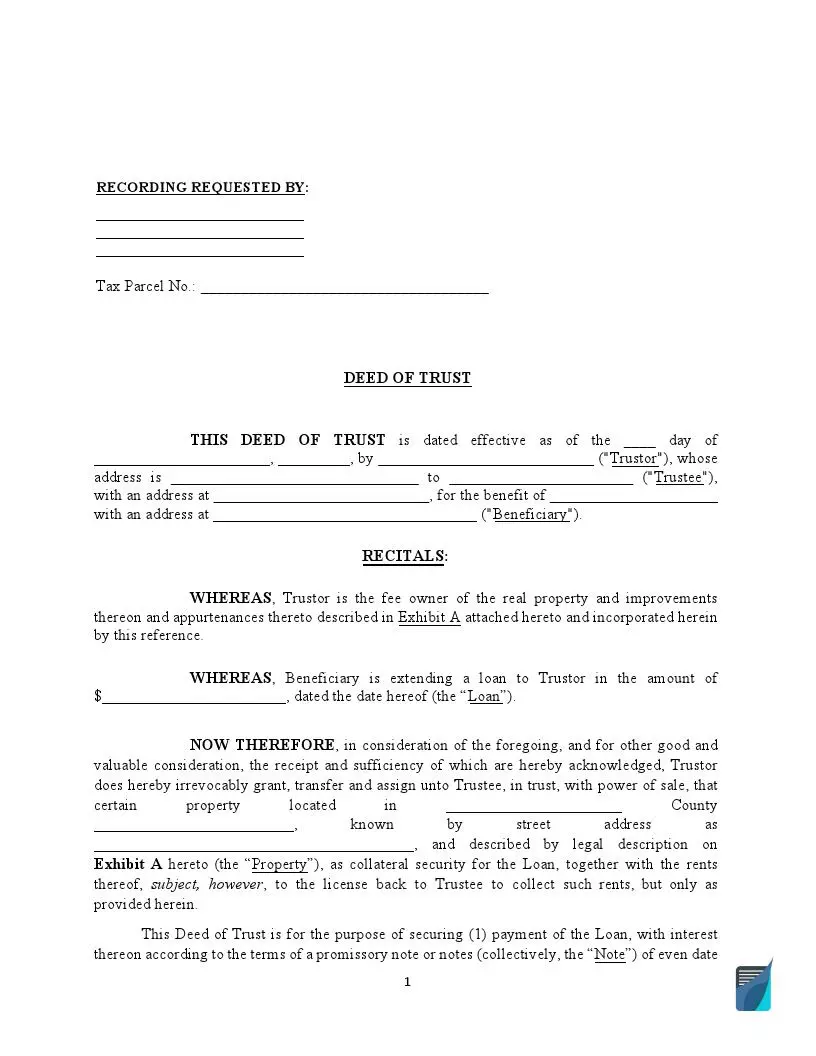
The trust document, also known as the trust agreement or deed of trust, is the foundational document that outlines the trustee’s powers and responsibilities. It specifies how the trust assets are to be managed and distributed. Crucially, it dictates whether the trustee has the authority to sell or transfer real property. Some trusts may grant explicit power of sale, while others may require court approval or beneficiary consent for such actions. A trustee must meticulously adhere to these provisions.
Fiduciary Duties of a Trustee
As a fiduciary, the trustee is held to a high standard of care and loyalty. This means they must act in the best interests of the beneficiaries at all times, avoiding any self-dealing or conflicts of interest. When a trustee is considering selling trust property, they must do so in a manner that maximizes the benefit to the trust’s beneficiaries. This typically involves obtaining a fair market value for the property and transparently accounting for all proceeds. Failure to uphold these fiduciary duties can lead to legal repercussions.
Authority to Sell or Convey Property
The trustee’s authority to execute a trustee’s deed stems directly from the trust document and relevant state laws governing trusts and real estate. The deed itself will often reference the trust agreement and the trustee’s capacity. It’s imperative that the trustee possesses the legal standing to make such a transfer. If there’s any ambiguity in the trust document regarding the trustee’s power over real estate, seeking legal counsel is paramount to ensure the validity of the transaction and the deed.
The Trustee’s Deed: A Legal Instrument of Transfer
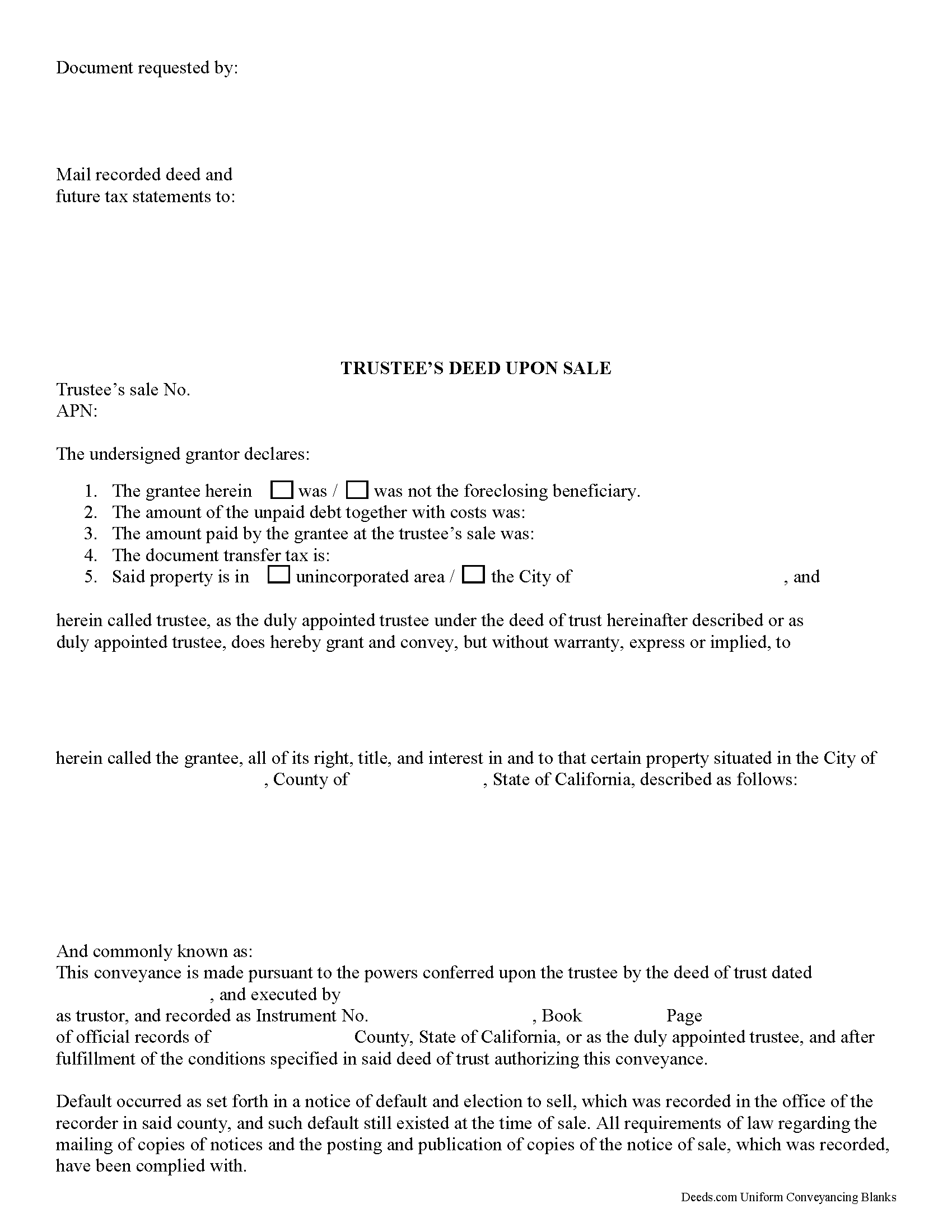
A trustee’s deed is the official legal instrument used to transfer title of real property from a trust to a new owner. It’s a specialized type of deed that signifies the grantor is acting in their capacity as a trustee. The deed contains specific language that identifies the trust and the trustee’s authority to act on its behalf. Its primary function is to provide clear and indisputable evidence of the property’s transfer.
Key Components of a Trustee’s Deed
Like other deeds, a trustee’s deed includes essential information to ensure its legal validity and clarity. These components typically include:
- Grantor Information: This identifies the trustee, specifying their name and their role as the trustee of a particular trust (e.g., “John Doe, as Trustee of the Smith Family Trust dated January 1, 2020”).
- Grantee Information: This details the party receiving ownership of the property, whether it’s a beneficiary of the trust or a third-party buyer.
- Property Description: A precise legal description of the real estate being transferred, usually including lot and block numbers, metes and bounds, or a reference to a recorded plat map.
- Words of Conveyance: Standard legal language indicating the intention to transfer ownership, such as “grants, bargains, sells, conveys, and confirms.”
- Habendum Clause: This clause, often starting with “to have and to hold,” describes the estate being transferred (e.g., fee simple absolute).
- Trust Information: Crucially, the deed will often reference the trust agreement itself, including its date and any relevant recording information, to demonstrate the trustee’s authority.
- Signatures and Notarization: The trustee must sign the deed, and it must be notarized to be legally effective in most jurisdictions.
- Legal Covenants (or Lack Thereof): Trustee’s deeds can vary in the warranties they offer. Unlike a general warranty deed where the grantor guarantees clear title, a trustee’s deed might be a quitclaim deed or a special warranty deed, offering limited or no warranties regarding the title. This is a critical distinction for the grantee.
Types of Trustee’s Deeds
While all trustee’s deeds serve the purpose of transferring trust property, they can differ in the level of warranty they provide. The specific type of trustee’s deed used often depends on the trust’s terms and the nature of the transaction.
- Quitclaim Trustee’s Deed: This is the most basic type. The trustee conveys whatever interest they may have in the property, without making any promises or warranties about the title’s validity or whether they even possess a valid interest. This is common when a trust is distributing property to a beneficiary where the title is not in question.
- Special Warranty Trustee’s Deed: In this type, the trustee warrants that the title is free from defects that may have arisen during their period of trusteeship. They do not warrant against any claims or encumbrances that existed before they took on the role.
- Bargain and Sale Trustee’s Deed: This deed implies that the trustee has title to the property and the right to convey it, but it typically does not include any warranties about the title’s condition beyond that.
The choice of deed type is a significant legal consideration and should be determined by legal counsel to ensure it aligns with the trust’s objectives and protects all parties involved.
The Process of Executing a Trustee’s Deed
Executing a trustee’s deed is not merely a matter of filling out a form. It involves a series of steps designed to ensure the transfer is legally sound and aligns with the trust’s provisions and the trustee’s fiduciary duties. This process requires careful attention to detail and adherence to legal requirements.
Obtaining the Trust Document and Verifying Authority
The first crucial step is for the trustee to meticulously review the trust document. This confirms their authority to sell or convey the specific property, outlines any conditions or restrictions on such actions, and identifies the beneficiaries. If the trust document is unclear, or if there are doubts about the trustee’s powers, consulting with an attorney specializing in estate law or trust administration is essential. This verification step prevents potential legal challenges to the deed’s validity later on.
Determining the Property’s Value and Obtaining Necessary Approvals
Before proceeding with a sale, the trustee must determine the fair market value of the property. This often involves obtaining professional appraisals. The goal is to secure the best possible price for the benefit of the trust’s beneficiaries. Depending on the trust document and state law, the trustee may need to obtain consent from beneficiaries or approval from a court before selling the property. This oversight is designed to protect beneficiaries from imprudent or unfair transactions.
Drafting and Executing the Deed
Once the decision to sell or transfer has been made and all necessary approvals are secured, the trustee’s deed can be drafted. This document must accurately reflect the terms of the conveyance, including the property description, the parties involved, and the trustee’s authority. It must be signed by the trustee in their capacity as trustee. Typically, the signature must be witnessed and notarized to be legally admissible and recordable.
Recording the Deed
The final and critical step in the process is recording the trustee’s deed with the appropriate county or local government office (usually the county recorder’s or register of deeds office). Recording provides public notice of the property transfer, establishing the new owner’s title and protecting it from subsequent claims. Without proper recording, the transfer may not be legally recognized against third parties, creating significant risks for the grantee.
When is a Trustee’s Deed Typically Used?
Trustee’s deeds are integral to various trust-related real estate transactions. Their usage is driven by the need to legally transfer ownership of property held within a trust structure.
Distributing Trust Assets to Beneficiaries
One of the most common uses of a trustee’s deed is when a trust terminates or when a beneficiary’s inheritance includes real estate. The trustee, acting under the terms of the trust, will execute a trustee’s deed to convey the property directly to the named beneficiary, effectively distributing that asset. This is a direct transfer from the trust to the individual who is entitled to it.
Selling Trust Property
When a trust document grants the trustee the power of sale, or when a court orders the sale of trust property, a trustee’s deed is used to transfer ownership to a third-party buyer. This is a standard part of the real estate transaction process, where the trustee acts as the seller and the deed formalizes the transfer of title. The proceeds from the sale are then managed and distributed according to the trust’s instructions.
Resolving Estate or Trust Disputes
In some situations, a trustee’s deed may be used as part of a settlement agreement to resolve disputes within an estate or trust. For instance, if there are competing claims to a property, a trustee’s deed might be employed to transfer ownership to a party as agreed upon by all involved, often with court supervision to ensure fairness and legality.
Foreclosure by a Trustee
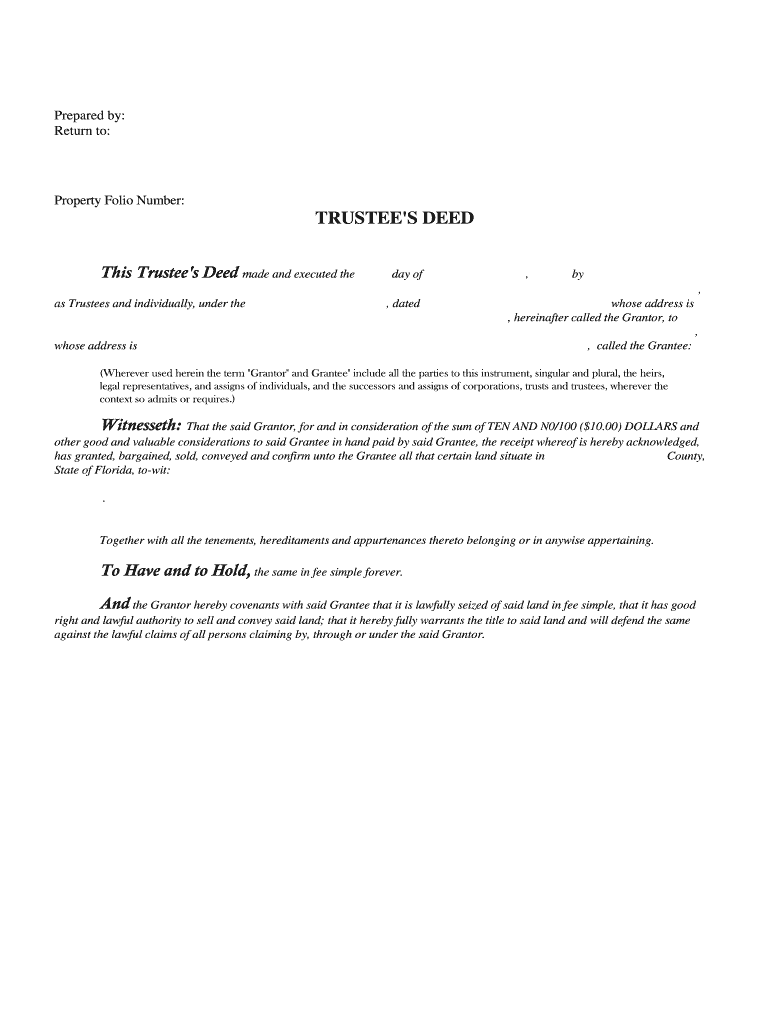
In some jurisdictions, particularly in states that utilize deeds of trust for mortgages, a trustee may hold a deed of trust on a property. If the borrower defaults on the loan, the trustee has the power to foreclose and sell the property to satisfy the debt. In such foreclosure sales, the trustee will often issue a trustee’s deed to the successful bidder at the foreclosure auction. This process is distinct from a trustee administering a trust but uses a similar type of deed for the transfer.
In essence, a trustee’s deed is a specialized legal document that ensures the proper and legal transfer of real property from a trust to another party, executed by an individual or entity acting in their fiduciary capacity. Its precise function and requirements are dictated by the specific terms of the trust, the governing laws, and the nature of the transaction.
aViewFromTheCave is a participant in the Amazon Services LLC Associates Program, an affiliate advertising program designed to provide a means for sites to earn advertising fees by advertising and linking to Amazon.com. Amazon, the Amazon logo, AmazonSupply, and the AmazonSupply logo are trademarks of Amazon.com, Inc. or its affiliates. As an Amazon Associate we earn affiliate commissions from qualifying purchases.