
Silver, often dubbed “the poor man’s gold,” is far more than just a shiny precious metal. It holds a unique dual appeal as both an industrial commodity crucial to modern technology and a centuries-old store of value. For investors, understanding its worth isn’t as simple as checking a daily price; it involves a nuanced appreciation of its measurement, market dynamics, physical forms, and the broader economic landscape. A troy ounce of silver isn’t a static asset with an immutable price tag; its value is a living, breathing entity, constantly fluctuating in response to a myriad of global forces. This article delves into the multifaceted answer to what a troy ounce of silver is truly worth, exploring the factors that dictate its price and its significance in a diversified investment portfolio.
Understanding the Troy Ounce and Spot Price
To truly grasp the worth of silver, we must first establish a foundational understanding of its standard unit of measurement and the primary mechanism by which its real-time value is determined. Without these basics, any discussion of silver’s worth would lack precision and context.
Defining the Troy Ounce
When we talk about the weight of precious metals like silver, gold, and platinum, we almost exclusively refer to the troy ounce. This unit of measurement has a rich history, believed to originate from the French city of Troyes during the Middle Ages, a prominent trading hub. Crucially, a troy ounce is not the same as the more common avoirdupois ounce used for weighing everyday items like groceries.
-
One troy ounce (oz t) equals approximately 31.1035 grams.
-
In contrast, one avoirdupois ounce (oz) equals approximately 28.3495 grams.
This difference, though seemingly minor, is significant in the world of precious metals, where even fractional discrepancies can translate into substantial monetary value. All quoted prices for silver, whether on financial news sites or from bullion dealers, are based on the troy ounce. Understanding this distinction is fundamental to accurate valuation.
The Concept of Spot Price
The most immediate answer to “what is a troy ounce of silver worth?” at any given moment is its spot price. The spot price is the current market price at which a commodity can be bought or sold for immediate delivery. For silver, this price is determined by global markets, primarily driven by supply and demand dynamics across major trading centers like London, New York, and Hong Kong.
-
Real-time Fluctuation: The spot price is highly volatile and can change by the second, reflecting a continuous interplay of economic data, geopolitical events, and speculative trading. It is essentially the baseline value of one troy ounce of pure silver (typically 99.9% pure) in an unrefined or theoretical form.
-
Global Influence: Financial institutions, large-scale investors, industrial consumers, and speculative traders collectively contribute to the formation of this global benchmark price. Accessing real-time spot prices is easy through numerous financial websites and dedicated precious metals platforms.
Factors Influencing Spot Price
While supply and demand are the overarching forces, several specific factors continuously exert influence on silver’s spot price, often leading to rapid and sometimes unpredictable movements:
-
Economic Indicators: Reports on GDP, inflation rates, interest rates, and employment figures can significantly impact investor sentiment towards safe-haven assets like silver. During times of economic uncertainty or high inflation, silver often sees increased demand as investors seek to preserve wealth.
-
Industrial Demand: Unlike gold, a substantial portion (over 50%) of silver’s annual demand comes from industrial applications. Its unparalleled conductivity, malleability, and reflectivity make it indispensable in electronics, solar panels, medical instruments, automotive components, and photographic processes. Innovations or downturns in these sectors directly affect demand and thus price.
-
Investment and Speculative Demand: Investor interest, whether from retail buyers of physical bullion, institutional investors in ETFs, or futures traders, plays a crucial role. Market sentiment, expectations of future economic conditions, and the attractiveness of alternative investments can trigger large capital flows into or out of silver.
-
Strength of the U.S. Dollar: Silver, like most commodities, is typically priced in U.S. dollars. A stronger dollar makes silver more expensive for buyers holding other currencies, potentially dampening demand and driving prices down. Conversely, a weaker dollar can make silver more attractive and push prices higher.
-
Geopolitical Events: Political instability, conflicts, or major global crises often spur a flight to safety, increasing demand for precious metals as traditional investments become riskier. Silver often benefits from this safe-haven appeal, though typically to a lesser degree than gold.
Beyond Spot Price: The True Cost of Silver
While the spot price provides the theoretical value of a troy ounce of silver, the actual cost an investor pays for physical silver is invariably higher. This disparity arises from a variety of factors, collectively known as premiums, which cover the costs associated with manufacturing, distribution, and the specific form of silver being acquired.
Premiums on Physical Silver
The difference between the spot price and the price you pay for physical silver is the premium. These premiums are a critical component of the true cost of a troy ounce of silver.
-
Dealer Markups: Bullion dealers operate as businesses and must cover their overheads, labor costs, and profit margins. This is the primary component of the premium. Reputable dealers will generally have competitive but fair markups.
-
Minting and Fabrication Costs: Transforming raw silver into recognizable coins, bars, or rounds involves significant processes like refining, casting, striking, and quality control. These manufacturing costs are passed on to the buyer. Smaller denominations (e.g., one-ounce coins) often carry higher per-ounce fabrication costs than larger bars (e.g., 100-ounce bars) due to the economies of scale.
-
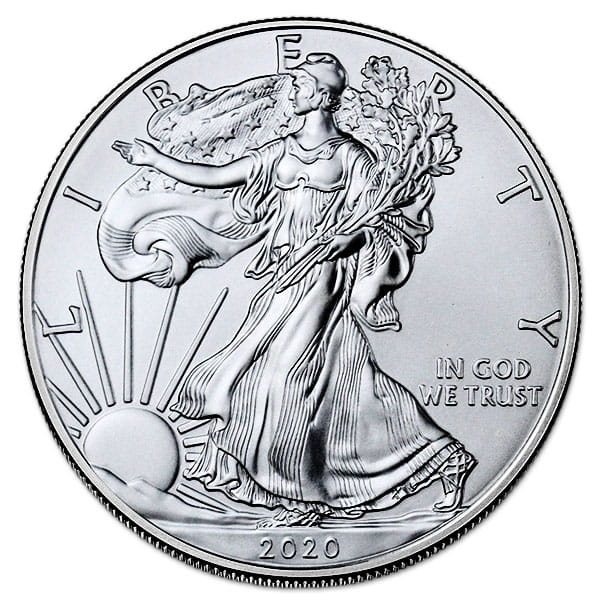
Product Type: The type of silver product significantly influences its premium. Generic silver rounds or bars usually have lower premiums than sovereign-minted coins (like American Silver Eagles or Canadian Silver Maples) due to the latter’s guaranteed purity, legal tender status, and often higher collector appeal. Numismatic coins, which derive value from rarity, historical significance, or aesthetic appeal rather than just their metal content, can command premiums far exceeding their intrinsic silver value.
-
Supply and Demand for Specific Products: If a particular type of silver coin or bar is in high demand or limited supply, its premium can temporarily increase irrespective of the general silver spot price.
Different Forms of Silver
A troy ounce of silver can manifest in various physical and even digital forms, each carrying its own characteristics regarding premium, liquidity, and investment purpose.
-
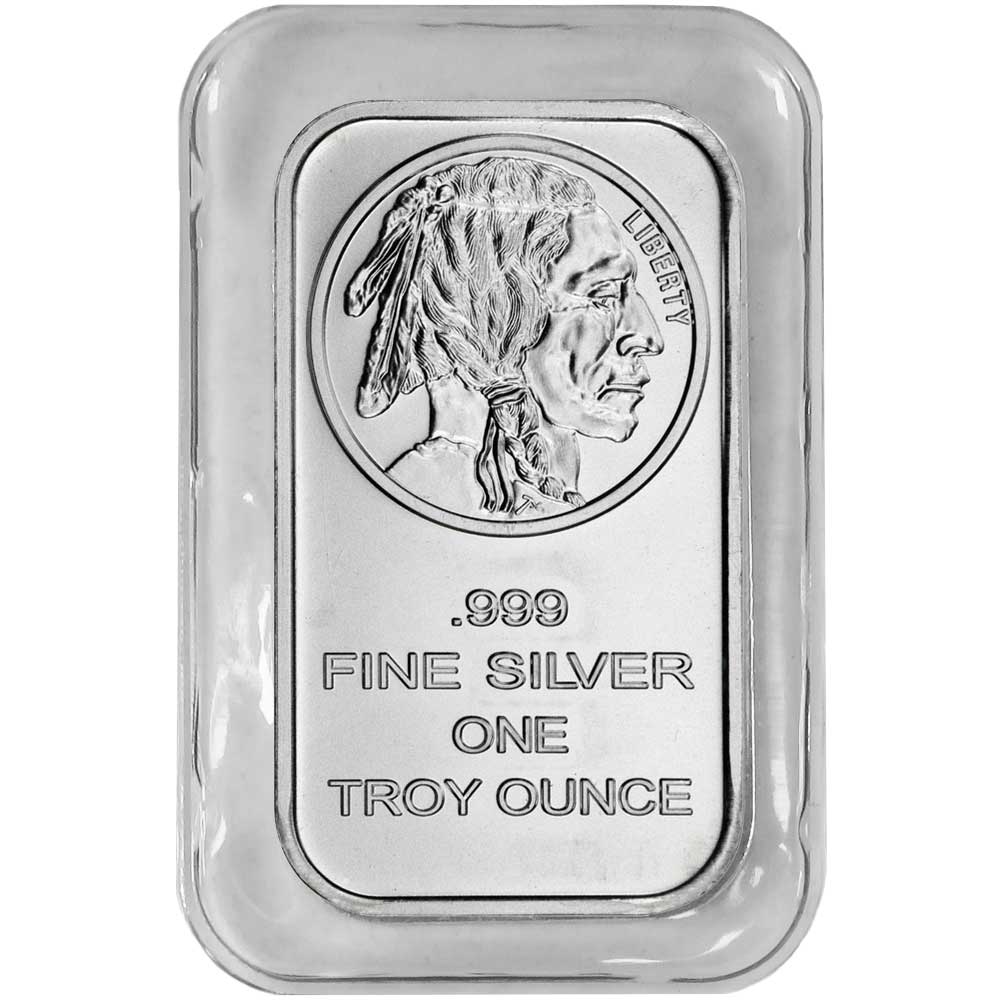
Bullion (Bars and Rounds): These are the most common and often lowest-premium forms of physical silver investment. Bars come in various sizes (1 oz, 5 oz, 10 oz, 100 oz, 1000 oz) and are generally purchased for their pure silver content. Rounds are privately minted, coin-like pieces that also primarily track the spot price.
-
Sovereign Coins: These are coins minted by government mints (e.g., US Mint, Royal Canadian Mint, Perth Mint) and carry legal tender status, although their metal value far exceeds their face value. Examples include American Silver Eagles, Canadian Silver Maples, and Austrian Silver Philharmonics. They are highly recognized, easily verifiable, and often carry slightly higher premiums due to their government backing and collectible appeal.
-
“Junk Silver” (Pre-1965 U.S. Coins): These are U.S. dimes, quarters, and half-dollars minted before 1965, which contain 90% silver. While not pure silver, they are valued based on their melt value (their silver content) and are often bought in bags or rolls. They can offer a lower entry point and are easily divisible for bartering scenarios.
-
Silver ETFs (Exchange-Traded Funds) and Futures: For investors who prefer not to handle physical silver, ETFs (e.g., SLV, SIVR) track the price of silver, offering exposure without direct ownership of the physical commodity. Futures contracts allow speculation on future silver prices but involve higher risk and leverage. While these offer exposure to the spot price, they don’t involve the physical troy ounce directly and come with their own management fees and counterparty risks.
Storage and Insurance Costs
Once you acquire physical silver, the “true cost” also includes the expenses associated with safely storing and potentially insuring your investment.
-
Home Storage: While seemingly free, keeping significant amounts of silver at home requires robust security measures (high-quality safes, alarm systems) and carries inherent risks of theft or loss, which can be considerable.
-
Safe Deposit Boxes: Banks offer safe deposit boxes for a modest annual fee. This provides security but limited access and typically no insurance coverage for the contents by the bank itself.
-
Specialized Precious Metals Depositories: For larger holdings, professional vaulting services offer highly secure, insured storage options. These services come with annual fees, usually a percentage of the stored value, but provide peace of mind and often easier liquidation options.
-
Insurance: Whether stored at home or in a third-party vault, insuring your silver against theft, loss, or damage is a prudent measure. This adds to the overall cost of ownership but protects your investment.
Why Invest in Silver? Drivers of Value and Investment Thesis
Beyond simply understanding its current price, appreciating the “worth” of a troy ounce of silver involves recognizing its fundamental drivers of value and its strategic role within an investment portfolio. Silver’s unique characteristics underpin its enduring appeal to a diverse range of investors.
Industrial Demand
One of the most significant and often underestimated drivers of silver’s value is its extensive industrial utility. Unlike gold, which is primarily a monetary metal and jewelry component, silver is consumed in vast quantities across numerous high-tech industries.
-
Electronics: Silver’s unmatched electrical conductivity makes it vital in circuit boards, switches, and contact points for nearly all electronic devices, from smartphones and computers to automotive electronics.
-
Solar Energy: Silver paste is a critical component in photovoltaic cells, essential for converting sunlight into electricity. As renewable energy gains prominence, demand from the solar sector is expected to grow substantially.
-
Medical Applications: Its antibacterial properties make silver invaluable in medical instruments, wound dressings, and antimicrobial coatings.
-
Automotive Industry: Modern vehicles, particularly electric vehicles (EVs), utilize increasing amounts of silver in their complex electrical systems, sensors, and conductive coatings.
-
Photography: Although significantly reduced from its peak, silver halides are still used in traditional photographic film and X-rays due to their light-sensitive properties.
This pervasive industrial demand provides a fundamental floor to silver’s price and distinguishes it from purely speculative assets. A robust global economy generally translates into higher industrial consumption of silver, supporting its value.
Store of Value and Inflation Hedge
Throughout history, silver, much like gold, has been recognized as a reliable store of value, particularly during times of economic instability or currency depreciation.
-
Safe-Haven Asset: When traditional financial markets experience volatility, or geopolitical tensions rise, investors often flock to precious metals. Silver, due to its tangible nature and intrinsic worth, serves as a safe haven, offering a perceived refuge from economic turmoil and a means to preserve capital.
-
Protection Against Inflation: As fiat currencies lose purchasing power due to inflation, the value of physical commodities like silver tends to hold its own or even increase. It acts as a hedge, meaning its value can rise as the cost of living increases, thus protecting an investor’s purchasing power. This historical correlation makes it an attractive asset during periods of escalating inflation fears.
Investment and Speculative Demand
Investor sentiment and speculative activity play a crucial role in silver’s price movements, often amplifying trends initiated by industrial or monetary factors.
-
Portfolio Diversification: Many financial advisors recommend including precious metals like silver in a diversified portfolio. Its low correlation with traditional assets like stocks and bonds can help reduce overall portfolio volatility and enhance returns during specific market cycles.
-
“Poor Man’s Gold”: Due to its lower price point compared to gold, silver is more accessible to a broader range of investors, allowing them to gain exposure to precious metals without significant capital outlay. This accessibility often leads to higher retail investor interest during bull markets for commodities.
-
Leveraged Play: Silver’s market is generally smaller and less liquid than gold’s, making it prone to more significant percentage price swings. This volatility can attract speculative investors seeking higher returns, though it also implies greater risk.
-
Gold-Silver Ratio: This ratio indicates how many ounces of silver it takes to buy one ounce of gold. Historically, the ratio has fluctuated, often signaling whether silver is undervalued or overvalued relative to gold. A high ratio (meaning silver is cheap compared to gold) can attract investors looking for an opportunity to buy silver, anticipating a reversion to the mean.
Practical Considerations for Buying and Selling Silver
For anyone looking to translate the theoretical worth of a troy ounce of silver into a tangible investment, practical considerations for acquisition, verification, and eventual liquidation are paramount. Navigating the physical bullion market requires due diligence to ensure a secure and advantageous transaction.
Choosing a Reputable Dealer
The cornerstone of a successful silver investment is selecting a trustworthy source for your purchases and sales.
-
Online vs. Local: Online dealers often offer more competitive pricing due to lower overheads and wider inventory. However, local coin shops or bullion dealers can provide immediate gratification, in-person inspection, and personalized advice. Research both options thoroughly.
-
Reviews and Reputation: Always check independent reviews and consumer feedback for any dealer you consider. Look for a long-standing history of positive customer experiences, transparent pricing, and clear policies.
-
Pricing Transparency: A reputable dealer will clearly display their premiums and all associated costs upfront. Be wary of hidden fees or vague pricing structures. Compare prices from multiple dealers before making a decision.
-
Secure Shipping and Insurance: If buying online, ensure the dealer uses secure, insured shipping methods. The cost of shipping and insurance is often factored into the premium or charged separately, so clarify this before purchase.
Authentication and Purity
Ensuring the authenticity and purity of your silver is vital to protecting its worth.
-
Hallmarks and Assays: Genuine silver bullion will be stamped with its weight (in troy ounces), purity (e.g., “.999 Fine Silver” or “999 FS”), and the mint or refiner’s hallmark. Familiarize yourself with common hallmarks from reputable mints.
-
Recognizing Fakes: The market, unfortunately, contains counterfeit silver. Common methods for detecting fakes include:
-
Weight and Dimensions: Silver has a specific density. Tools like electronic scales and calipers can verify if a piece matches the expected weight and dimensions for its stated size and purity.
-
Ping Test: Tapping a silver coin gently can produce a distinct, resonant “ping” sound unique to silver. Fakes made of cheaper metals will sound duller.
-
Magnet Test: Silver is not magnetic. If a strong magnet sticks to your silver piece, it’s likely a fake (though some fakes use non-magnetic metals).
-
Reputable Authentication: For significant investments, consider having your silver professionally authenticated by a precious metals specialist using advanced tools like X-ray fluorescence (XRF) scanners.
-
Tax Implications
The tax treatment of silver investments can vary significantly depending on your jurisdiction and how you hold the asset.
-
Capital Gains Tax: In many countries, profits realized from selling silver at a higher price than your purchase price are subject to capital gains tax. The holding period (short-term vs. long-term) can influence the tax rate.
-
Sales Tax: Some U.S. states and other jurisdictions apply sales tax to physical silver purchases, while others exempt precious metals above a certain purity or transaction size. Research your local regulations before buying.
-
Reporting Requirements: Large cash transactions involving precious metals may trigger reporting requirements to government agencies, particularly in the U.S. (e.g., IRS Form 8300 for cash transactions over $10,000).
-
Consult a Professional: It is always advisable to consult with a tax advisor or financial planner to understand the specific tax implications for your individual circumstances and location.
Liquidity and Spreads
The ease with which you can sell your silver and the price you receive for it are crucial aspects of its overall worth as an investment.
-
Liquidity: Silver is a relatively liquid asset, meaning it can be converted to cash fairly easily, especially common bullion products. However, finding a buyer willing to pay close to the spot price may require some effort, particularly for larger quantities or less common items.
-
Bid-Ask Spread: When you sell physical silver, dealers will buy it back at a price below the current spot price, and sell it to others at a price above spot. The difference between their buy (bid) and sell (ask) price is known as the bid-ask spread. This spread is how dealers make their profit and is a transaction cost for investors. Wider spreads effectively reduce the net return on your investment.

Conclusion
The question “what is a troy ounce of silver worth?” carries a multifaceted answer. At its core, it’s defined by a globally determined spot price, measured in the historical troy ounce, and shaped by an intricate dance of supply, demand, economic indicators, and geopolitical shifts. However, the true cost and value to an individual investor extend far beyond this immediate spot price, encompassing premiums for physical forms, storage expenses, and the strategic role silver plays within a diversified financial portfolio.
Silver’s enduring worth stems from its unique dual nature: an indispensable industrial metal powering modern technology and a time-honored safe-haven asset protecting wealth against inflation and economic uncertainty. As you consider adding silver to your investment strategy, remember to factor in the nuances of premiums, the costs of ownership, and the importance of engaging with reputable dealers. By understanding these dynamics, you can better appreciate the intrinsic and market value of a troy ounce of silver, positioning it as a thoughtful and potentially rewarding component of your long-term financial plan.
aViewFromTheCave is a participant in the Amazon Services LLC Associates Program, an affiliate advertising program designed to provide a means for sites to earn advertising fees by advertising and linking to Amazon.com. Amazon, the Amazon logo, AmazonSupply, and the AmazonSupply logo are trademarks of Amazon.com, Inc. or its affiliates. As an Amazon Associate we earn affiliate commissions from qualifying purchases.