
In the dynamic world of travel, where costs can fluctuate wildly and planning often feels like a complex puzzle, the concept of a “travel pass” emerges as a compelling financial tool for many adventurers. Far from being a mere ticket, a travel pass is a prepaid package or subscription that grants access to a specific range of travel-related services, destinations, or experiences over a defined period. At its core, it represents a financial commitment made upfront, designed to unlock convenience, flexibility, and — most importantly, from a money perspective — significant potential savings on future expenditures.

Whether it’s unlimited rides on a city’s public transport, entry to multiple attractions, or discounted flights across an entire continent, a travel pass is fundamentally a financial instrument. It requires a careful evaluation of its upfront cost against the perceived value of its inclusions, making it a critical subject for personal finance and savvy budgeting. Understanding a travel pass means delving into its various financial models, scrutinizing its value proposition, and assessing how it integrates into an individual’s broader financial planning for travel.
The Financial Utility of Travel Passes
The primary allure of a travel pass lies in its promise of financial efficiency and predictability. In an era where travel budgets are meticulously planned, the ability to mitigate unforeseen costs and secure a ‘bulk discount’ on experiences is invaluable. This isn’t just about saving a few dollars; it’s about optimizing an entire travel expenditure strategy.
Understanding Cost-Efficiency and Savings
At the heart of every travel pass is the principle of economies of scale. By purchasing access to multiple services or extended use upfront, travelers often pay less than they would by acquiring each component individually. This cost-efficiency is not incidental; it is the deliberate design of travel pass providers to incentivize higher usage and generate upfront revenue. For the consumer, it translates into a tangible reduction in per-unit cost. For example, an unlimited subway pass for a week in a major city might cost $30, whereas individual rides might total $50 or more if purchased one by one. The financial benefit becomes clear when comparing the cumulative cost of individual transactions against the single, bundled price of the pass. These savings can accumulate rapidly, especially for frequent users or those planning extensive itineraries.
Budgeting and Financial Planning for Travelers
Travel passes act as a powerful anchor for travel budgeting. By converting variable daily expenses (like transportation fares, museum entry fees, or specific tour costs) into a fixed, upfront sum, they introduce a crucial element of financial predictability. This allows travelers to allocate funds more accurately, reducing the likelihood of overspending or unexpected financial strains during a trip. For financial planners, a travel pass represents a segment of the travel budget that is pre-paid and accounted for, freeing up resources to cover other variable expenses such as dining, shopping, or spontaneous activities. This pre-payment model simplifies cash flow management, offering peace of mind that essential services are already covered.
Different Models of Financial Value
Travel passes don’t all offer the same type of financial value. Their structures vary significantly, catering to different traveler profiles and financial strategies.
-
Unlimited Usage Models: These passes typically offer the highest perceived value for high-frequency users. Think of a regional rail pass that allows unlimited travel within a specific zone for a set period. The financial utility here increases exponentially with each additional journey taken.
-
Fixed-Use/Attraction Models: These passes bundle a specific number of attractions or services. For instance, a city pass offering entry to five museums and two tours provides value through a discounted collective price. The financial benefit is maximized by visiting all included attractions, effectively ‘using up’ the prepaid value.
-
Subscription Models: Increasingly common, especially for accommodation or flight benefits, these involve recurring payments for access to discounted rates or exclusive perks. The financial analysis here shifts to a cost-benefit calculation over an extended period, weighing the subscription fee against the annual savings generated.
-
Credit-Based Systems: Some passes operate on a credit system where the purchase price converts into points or credits that can be redeemed for various services. This offers flexibility, allowing users to choose how to ‘spend’ their prepaid value, but requires careful tracking to ensure full utilization. Each model requires a distinct financial evaluation to determine its true worth for the individual traveler.
Types of Travel Passes and Their Financial Structures
The market for travel passes is diverse, reflecting the myriad ways people travel and spend their money. Each type of pass is designed with a specific financial model to appeal to different segments of the travel market.
Public Transportation Passes
These are perhaps the most common and foundational type of travel pass, essential for navigating urban and regional landscapes. Their financial structure is straightforward: a single upfront payment grants access to public transport networks (buses, trams, subways, regional trains) for a defined period.
-
Cost vs. Individual Tickets: The financial advantage here is often substantial. For a tourist planning to use public transport extensively in a city for several days, the cost of a multi-day pass almost invariably undercuts the cumulative cost of purchasing individual tickets for each journey. This comparison is critical for budget-conscious travelers.
-
Long-Term Savings: Beyond daily commutes, regional passes (e.g., specific country rail passes) can offer significant savings on longer inter-city or inter-region travel compared to booking individual long-distance tickets, which are often subject to dynamic pricing. They also remove the hassle of daily ticket purchases, saving valuable time which can also be monetized or valued.
Multi-Attraction/Experience Passes
These passes bundle access to several museums, historical sites, tours, or other tourist attractions within a city or region. Their financial appeal lies in providing a convenient, discounted package.
-
Bundled Value: Providers negotiate bulk rates with attractions, passing on a portion of these savings to the consumer. The financial benefit is derived from the difference between the pass’s price and the combined standard entry fees of the included attractions.
-
Discount on Cumulative Entry Fees: For a traveler intending to visit multiple paid attractions, these passes often represent a clear financial win. However, careful calculation is needed: the pass only delivers its full financial value if the traveler visits enough attractions to exceed the pass’s cost. It’s a calculation of potential savings versus committed spend.
Airline/Rail Passes
These passes, like the renowned Eurail Pass or certain airline alliance passes, cater to travelers undertaking extensive journeys across multiple cities, countries, or even continents.
-
Bulk Purchase Discounts: The financial model here is akin to a bulk purchase. By committing to an extensive travel itinerary (e.g., several flights within a specific region or train journeys across Europe), travelers can secure significantly lower per-segment costs than booking each leg individually. This is particularly advantageous for flexible itineraries where individual ticket prices might fluctuate wildly.
-
Flexibility Value: While the core benefit is cost reduction, the financial value also extends to flexibility. Many passes allow for changes or open-ended travel dates, which, if bought individually, could incur substantial rebooking fees. This ‘insurance’ against itinerary changes holds a hidden financial value.
Accommodation Passes/Memberships
While not as common as other types, certain travel groups, hotel chains, or lifestyle brands offer passes or memberships that provide discounted accommodation.
-
Subscription Models: These often operate on an annual subscription fee, granting members access to exclusive rates, free nights, or upgrades. The financial evaluation involves weighing the annual fee against the projected savings from hotel stays over the membership period.
-
Loyalty Points Conversion/Discounted Stays: Some passes integrate with loyalty programs, allowing members to convert points into discounted stays or leverage a flat percentage off rack rates. This represents a direct financial benefit for frequent patrons of specific brands.
Financial Considerations Before Purchasing a Travel Pass
The decision to purchase a travel pass should never be impulsive. It’s a significant financial transaction that requires thorough analysis to ensure it aligns with your travel goals and budget.
Analyzing Your Itinerary and Usage Patterns

The first step in any financial evaluation is to map out your planned activities. How many times will you use public transport? Which specific attractions do you intend to visit? How many flights or train journeys are you planning? If your itinerary is light, or if your planned activities are spread out, an all-inclusive pass might be a financial drain rather than a saving. Conversely, a packed schedule of museum visits and daily commutes will likely make a pass a sound investment. Be realistic about your energy levels and how much you can truly accomplish in a day. Overestimating usage is a common pitfall that erodes financial value.
Calculating the Break-Even Point and Potential Savings
This is the most critical financial exercise.
-
List Individual Costs: Research the standard, individual prices for every bus ticket, metro ride, museum entry, or flight segment you anticipate taking without the pass.
-
Sum Total Individual Costs: Add these up to get a hypothetical total if you paid as you go.
-
Compare with Pass Price: Compare this total against the cost of the travel pass. The pass only makes financial sense if its cost is significantly lower than your calculated ‘pay-as-you-go’ total.
-
Identify the Break-Even Point: Determine how many uses or attractions you need to visit for the pass’s cost to be recouped. For instance, if a museum pass costs $100 and average museum entry is $20, you need to visit at least 5 museums to break even. Any visits beyond that represent pure financial savings. This cold, hard calculation is essential for maximizing your financial return.
Understanding Hidden Costs and Restrictions
The advertised price of a travel pass is not always the final financial outlay.
-
Blackout Dates and Peak Season Surcharges: Some passes may have restrictions during popular travel periods, requiring additional payment or making the pass unusable. This directly impacts the realized financial value.
-
Booking Fees and Reservation Requirements: Even “unlimited” passes might require mandatory, separate seat reservations or booking fees for certain services (e.g., high-speed trains, popular tours). These additional costs must be factored into your financial planning.
-
Limited Operating Hours/Days: Some attractions included in a pass might have limited operating hours or be closed on specific days, reducing your window of opportunity to utilize the pass’s value.
-
Geographic Limitations: Ensure the pass covers all the specific zones or regions you intend to visit. Extending beyond these limits will incur additional, separate costs. A thorough review of the fine print is paramount to avoid unpleasant financial surprises.
Refund Policies and Financial Risk Mitigation
What happens if your plans change or you get sick? Understanding the refund, cancellation, or amendment policies for a travel pass is a vital part of financial risk management. Some passes are entirely non-refundable, representing a complete loss of investment if unused. Others might offer partial refunds or allow date changes for a fee. Investing in travel insurance that specifically covers unused portions of prepaid travel passes can be a wise financial decision, offering a safety net against unforeseen circumstances that could render your pass financially worthless.
Maximizing the Financial Value of Your Travel Pass
Purchasing a travel pass is just the first step; strategically utilizing it ensures you extract every ounce of its financial benefit. It’s about smart execution of your travel investment.
Strategic Planning for Optimal Use
Once you’ve purchased a pass, treat it as a valuable asset that needs to be deployed effectively.
-
Logical Grouping of Activities: Group attractions or activities covered by your pass by geographic proximity. This minimizes travel time (and potentially additional transport costs not covered by the pass) and maximizes the number of sites you can visit within the pass’s validity period.
-
Prioritize High-Cost Attractions First: If the pass offers a fixed number of admissions or has a limited credit system, prioritize using it for the most expensive attractions first. This ensures you recoup a significant portion of your investment early on.
-
Leverage Unlimited Access: For unlimited passes, don’t shy away from extra rides or revisiting favorite spots. The more you use it, the lower the effective cost per use, thus increasing your financial return. Creating a daily itinerary that maximizes pass usage is key to unlocking its full financial potential.
Combining Passes with Other Financial Tools
Travel passes don’t exist in a financial vacuum. They can be strategically combined with other financial instruments to amplify savings.
-
Travel Credit Cards: Many travel credit cards offer rewards points, cashback, or travel insurance benefits. Purchasing a travel pass with such a card can earn you additional rewards, effectively reducing the net cost of the pass. Some cards even offer specific travel benefits that complement pass usage, like lounge access or expedited security, enhancing the overall value of your trip without direct monetary cost.
-
Loyalty Programs: If the pass is from a specific hotel chain or airline, ensure it’s linked to your loyalty program. This can help you accrue points or status benefits from your pass usage, providing future financial advantages in the form of free nights, upgrades, or discounted travel.
-
Discount Codes and Promotions: Always look for opportunities to purchase passes during sales or with specific discount codes. Timing your purchase can significantly reduce the initial financial outlay, boosting your overall savings.
Monitoring Expiry Dates and Usage Limits
Neglecting to track a pass’s validity or usage limits is a common way to lose financial value.
-
Calendar Reminders: Set reminders for expiry dates. Many passes are valid for a specific number of days from first use, not from purchase. Maximize this window.
-
Track Usage: For passes with a fixed number of uses or a credit system, keep a running tally of your usage. This ensures you don’t accidentally leave any prepaid value on the table. Unused benefits are money lost. A vigilant approach to managing your pass ensures you extract its maximum financial utility.
The Evolving Financial Landscape of Travel Passes
The concept of a travel pass is far from static. As technology advances and consumer preferences shift, the financial models underpinning these passes are continually evolving, creating new opportunities and challenges for both providers and travelers.
Subscription Models and Recurring Revenue for Providers
A significant trend in the travel pass market is the adoption of subscription models. This shift from one-time purchases to recurring revenue streams offers substantial financial benefits for providers, ensuring a more predictable income flow. For consumers, it means evaluating an annual or monthly fee against the continuous access to discounts or benefits. This model encourages loyalty and can offer deeper financial savings for very frequent travelers, but it also demands a more rigorous ongoing cost-benefit analysis from the subscriber to ensure the recurring payment remains financially justified.
Dynamic Pricing and Digital Pass Innovations
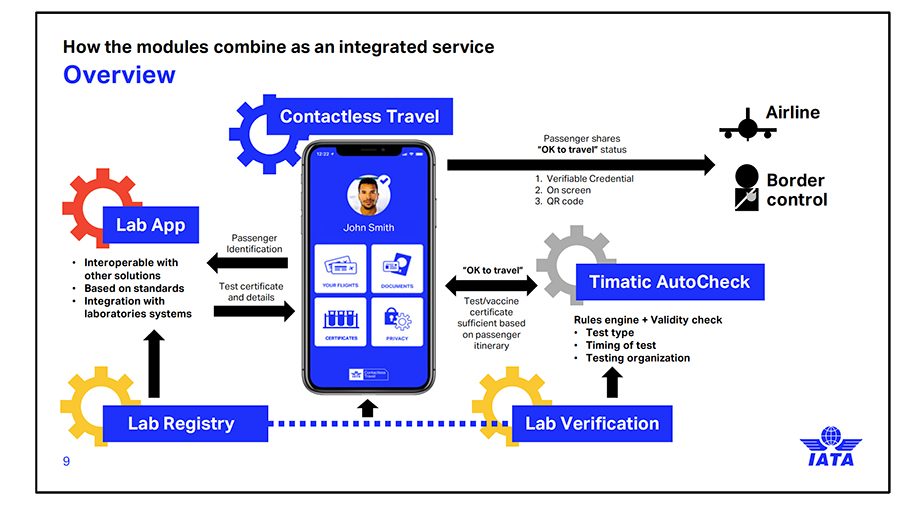
The integration of digital technology has revolutionized how passes are priced and managed. Dynamic pricing, where the cost of a pass can change based on demand, season, or even individual browsing history, is becoming more prevalent. Digital passes delivered via apps or QR codes also reduce operational costs for providers, potentially leading to more competitive pricing, though this isn’t always passed on to the consumer. These innovations require travelers to be savvier consumers, comparing prices and understanding the terms in real-time. The convenience of digital access (e.g., skipping ticket lines) also has an implicit financial value in saving time, which for many, is as precious as money.
Impact on Tourist Spending and Local Economies
From a broader economic perspective, travel passes significantly influence tourist spending patterns and local economies. By bundling attractions and transport, passes can direct tourist expenditure towards specific venues and services. They can also encourage higher overall spending by making it easier and seemingly “cheaper” to access more experiences. For local businesses not included in a pass, this could mean reduced foot traffic, while for included partners, it guarantees a baseline of visitors and revenue. Understanding this macro-economic effect adds another layer to the financial utility of travel passes, highlighting their role not just as personal financial tools, but as mechanisms shaping the economics of tourism destinations.
In conclusion, a travel pass is much more than a convenience item; it’s a sophisticated financial product. Its true value is realized through careful planning, rigorous financial analysis, and a clear understanding of its terms and conditions. For the financially astute traveler, a well-chosen and strategically utilized travel pass can transform a trip from a series of individual expenditures into a well-managed investment, unlocking both savings and invaluable peace of mind.
aViewFromTheCave is a participant in the Amazon Services LLC Associates Program, an affiliate advertising program designed to provide a means for sites to earn advertising fees by advertising and linking to Amazon.com. Amazon, the Amazon logo, AmazonSupply, and the AmazonSupply logo are trademarks of Amazon.com, Inc. or its affiliates. As an Amazon Associate we earn affiliate commissions from qualifying purchases.