
The world of business is often a labyrinth of terminology, where distinct concepts can easily become blurred in the public consciousness. Among these, the term “trading name” often sparks confusion, particularly when contrasted with more widely understood concepts like registered company names or brands. Understanding what a trading name is, and its implications, is crucial for any individual or entity operating in the commercial sphere. It’s a fundamental aspect of how businesses present themselves to the world, impacting their legal standing, marketing efforts, and financial transactions. At its core, a trading name, also known as a “business name” or “also known as” (AKA) name, is simply the name under which a business operates and conducts its day-to-day activities, distinct from its legal, registered name.
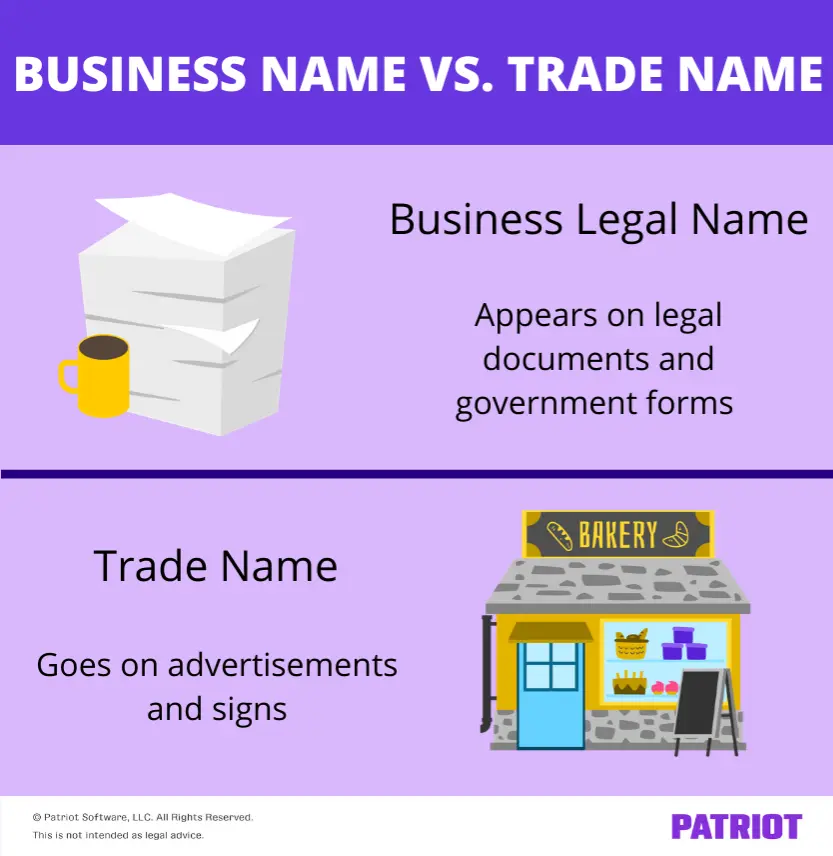
This distinction is vital because it underpins how a business interacts with its customers, suppliers, and the wider financial system. Whether you’re a sole proprietor operating from your home office, a burgeoning startup, or a large corporation looking to launch a specific product line under a different guise, a trading name plays a significant role. It’s the name that appears on invoices, signage, advertising, and in customer interactions. While seemingly straightforward, the legal and strategic implications of choosing and using a trading name are nuanced and require careful consideration. This article delves into the essence of what a trading name is, its practical applications, and the key considerations for businesses navigating this important aspect of their identity.
The Nuances of Business Naming: Trading Name vs. Legal Entity
The primary source of confusion surrounding trading names stems from their relationship with the legal structure of a business. It is imperative to differentiate a trading name from the legally registered name of the business entity itself. This distinction has significant legal, operational, and financial ramifications.
Understanding the Legal Entity
Every business, regardless of its size or structure, is ultimately tied to a legal entity. This legal entity is the fundamental framework that allows the business to operate, enter into contracts, and be held accountable.
Sole Proprietorships and Partnerships
For sole proprietors and partnerships, the legal entity is often the individual owner(s) themselves. In these cases, the business does not have a separate legal identity from the person or people running it. For example, if John Smith runs a plumbing service, his legal entity is “John Smith.” He can choose to operate this business under the name “Smith Plumbing Services” or “Brightwater Plumbing.” “Smith Plumbing Services” or “Brightwater Plumbing” would be his trading name, while “John Smith” is his legal name and the legal entity. Similarly, if Sarah Chen and David Lee operate a bakery together as a partnership, their legal entity is “Sarah Chen and David Lee.” They could choose to trade as “The Flourishing Oven” or “Artisan Bakes,” which would be their respective trading names.
Limited Companies and Corporations
In contrast, limited companies (e.g., Limited Liability Companies or LLCs, Private Limited Companies or PLCs) and corporations are separate legal entities distinct from their owners (shareholders or members). When a company is formed, it is given a unique legal name registered with the relevant governmental authority (e.g., Companies House in the UK, the Secretary of State in the US). For instance, if a company is incorporated as “Innovate Solutions Ltd.,” this is its legal name. This name must appear on all official documents, legal agreements, and statutory filings.
The Role of the Trading Name
A trading name, therefore, serves as an alias or a brand identifier under which the legal entity conducts its business. It’s the name that customers will most likely see and interact with.
Flexibility and Brand Presentation
The primary advantage of a trading name is the flexibility it offers in terms of branding and marketing. A business might have a formal, legal name that is functional but not particularly engaging. A trading name allows for a more creative, descriptive, or evocative name that resonates better with the target audience. For example, a holding company legally named “Global Enterprises Holdings PLC” might have several subsidiary businesses, each with its own distinct trading name, such as “Evergreen Organic Foods” for its food division or “Zenith Tech Solutions” for its technology arm. These trading names create specific brand identities for each product or service offering, making them more approachable and memorable for consumers.
Simplicity and Accessibility
For smaller businesses, particularly sole traders, using a trading name can simplify operations and make them appear more professional. Instead of constantly using their personal name on all business dealings, a trading name provides a distinct professional front. This can be particularly beneficial for service providers who want to build a recognizable brand independent of their personal identity.
Legal Requirements and Disclosure
While a trading name offers flexibility, it’s not a complete shield from legal responsibilities. Crucially, the legal entity behind the trading name must be disclosed. This means that when entering into contracts, issuing invoices, or dealing with official bodies, the legal name of the business must still be identifiable, even if the trading name is prominently displayed. For example, an invoice from “Smith Plumbing Services” might also need to clearly state that it is trading as “John Smith,” or if it were a limited company, it would show “Smith Plumbing Services, a trading name of Innovate Solutions Ltd.” This ensures transparency and accountability, allowing creditors, customers, and authorities to know who they are legally dealing with. Failure to disclose this information can have legal consequences, including fines and invalidation of contracts in some jurisdictions.
Strategic Branding and Marketing with Trading Names
The decision to adopt a trading name is often a strategic one, deeply intertwined with brand identity, marketing efforts, and market positioning. It’s a powerful tool that businesses can leverage to shape perception and connect with their target audience.
Building a Distinct Brand Identity
A trading name is often the first point of contact between a business and its customers. It’s the name that will appear on logos, websites, marketing materials, and product packaging.
Resonance with Target Audiences
A well-chosen trading name can immediately communicate the essence of a business, its values, and the products or services it offers. For instance, a company specializing in artisanal cheeses might opt for a trading name like “The Curd Collective” or “Fromage Finesse,” which evokes a sense of craftsmanship and quality, appealing directly to food enthusiasts. Conversely, a financial advisory firm might choose a name like “Fortuna Wealth Management” or “Prosperity Partners” to convey trustworthiness, security, and the promise of financial growth. The name needs to resonate with the specific demographic the business aims to attract.
Differentiation in a Competitive Market
In crowded marketplaces, a unique and memorable trading name can be a significant differentiator. It helps a business stand out from competitors who might have similar offerings but less distinctive identities. For example, two online retailers selling bespoke jewelry might both be legally registered as “Online Retail Holdings Ltd.” However, one might trade as “Glimmer & Gem” while the other uses “Eternal Adornments.” These distinct trading names create different brand personas, influencing customer perception and purchasing decisions. “Glimmer & Gem” might suggest a more contemporary and playful brand, while “Eternal Adornments” could imply timeless elegance and lasting value.
Marketing and Advertising Applications
The effectiveness of marketing campaigns is heavily influenced by the strength and memorability of the trading name.
Campaign Cohesion

When launching a new product, service, or marketing campaign, a trading name allows for focused messaging. A company might use a specific trading name for a limited-time promotion or a particular product line, enabling targeted advertising without diluting the main corporate brand. For example, a car manufacturer, legally named “Global Motors Corporation,” might launch a new electric vehicle division under the trading name “EcoDrive,” allowing them to create a distinct marketing narrative around sustainability and innovation for that specific product segment.
Website and Digital Presence
In the digital age, the trading name is often the primary identifier on websites, social media profiles, and online advertising. A memorable and easily searchable trading name can significantly boost online visibility and brand recall. This also impacts domain name registration and social media handle acquisition. Businesses often strive to secure domain names and social media handles that precisely match their trading names to ensure a consistent and easily navigable online presence.
Protecting Your Trading Name
While not a trademark in itself, a trading name can become associated with goodwill and reputation, leading to potential intellectual property considerations.
Common Law Rights and Trademarks
In many jurisdictions, using a trading name consistently and extensively can grant certain “common law” rights, meaning that the longer and more prominently a name is used, the more protection it may afford against infringement by others using a similar name for similar goods or services. However, to gain stronger legal protection and exclusivity, registering the trading name as a trademark is often the most robust approach. A registered trademark provides exclusive rights to use the name in connection with specific goods or services, offering a much higher level of legal recourse against unauthorized use.
Avoiding Infringement
Before settling on a trading name, thorough searches are crucial to ensure it does not infringe on existing trademarks or other registered business names. This proactive step can save considerable time, expense, and legal trouble down the line. Consulting with legal professionals specializing in intellectual property is highly recommended during this process.
Financial and Operational Considerations of a Trading Name
The adoption and use of a trading name have practical implications that extend into the financial and operational aspects of a business. These considerations are crucial for maintaining compliance, ensuring smooth transactions, and projecting a professional image.
Banking and Financial Transactions
Financial institutions require clarity regarding the entity they are dealing with. This directly impacts how a business can operate its bank accounts and process payments.
Business Bank Accounts
When opening a business bank account, the bank will require proof of the legal entity behind the trading name. For sole proprietors, this might mean opening an account in their personal name but using the trading name for descriptive purposes. For partnerships, the account might be in the names of the partners. Limited companies will open accounts in their registered legal name. However, most banks allow for the business name (trading name) to be displayed on debit cards and statements, providing the operational convenience and branding benefit.
Invoicing and Payments
All official invoices and financial documents must, by law, clearly indicate the legal name of the entity. While a trading name can be prominently displayed as the name from which the service or product originates, the legal entity must also be disclosed. For example, an invoice from “Sunshine Solar Solutions” might state, “Issued by: Sunshine Solar Solutions, a trading name of Green Energy Investments Ltd.” This ensures that recipients know who they are legally transacting with and who to pursue for payment or for any contractual disputes. This also applies to receiving payments. If a customer mistakenly sends a payment to the trading name, but the legal entity is different, it can create delays and administrative issues in reconciling the transaction.
Contracts and Legal Agreements
The distinction between the trading name and the legal entity is paramount when entering into legally binding agreements.
Contractual Parties
Contracts are legal documents entered into by legal entities, not by trading names. Therefore, any contract for services, supply agreements, leases, or employment contracts must name the legal entity as the party to the agreement. For example, a lease agreement for office space will be between the landlord and “Innovate Solutions Ltd.” (the legal name), even if the business operates out of that office under the trading name “Zenith Tech Solutions.”
Liability and Responsibility
The legal entity is ultimately responsible for the debts and obligations incurred under the trading name. For sole proprietors and partnerships, this means personal liability. For limited companies, the liability is generally limited to the company’s assets, but the company itself remains the liable entity. Using a trading name does not absolve the legal entity of its responsibilities. It’s the legal name that will appear in any legal proceedings, insolvency matters, or tax filings.
Operational Efficiency and Perception
The choice of trading name can also influence the day-to-day operations and how the business is perceived by stakeholders.
Professionalism and Credibility
A well-chosen, professional-sounding trading name can enhance a business’s credibility and instill confidence in customers and partners. Conversely, a poorly conceived or overly informal trading name might undermine the perception of professionalism, even if the underlying legal entity is sound. For example, a highly technical service provider using a trading name that sounds like a hobby might struggle to attract major corporate clients.

Simplification of Business Operations
For businesses with multiple product lines or service offerings, distinct trading names can help to segment and organize operations. Each trading name can represent a specific market niche, allowing for tailored marketing, product development, and customer service strategies. This can lead to greater operational efficiency and a more focused approach to serving different customer segments. Managing multiple trading names requires careful record-keeping to ensure all legal and financial obligations are met for each distinct operational identity.
In conclusion, a trading name is a crucial, yet often misunderstood, element of business identity. It’s the face of the business that the public sees, and when used strategically, it can significantly contribute to brand building, marketing success, and market differentiation. However, it is always anchored to a legal entity, and understanding this relationship is fundamental for ensuring legal compliance, managing financial transactions effectively, and maintaining the integrity of contractual agreements. Whether you are a solo entrepreneur or part of a large corporation, the thoughtful selection and responsible use of a trading name are indispensable for professional success.
aViewFromTheCave is a participant in the Amazon Services LLC Associates Program, an affiliate advertising program designed to provide a means for sites to earn advertising fees by advertising and linking to Amazon.com. Amazon, the Amazon logo, AmazonSupply, and the AmazonSupply logo are trademarks of Amazon.com, Inc. or its affiliates. As an Amazon Associate we earn affiliate commissions from qualifying purchases.