
Trade shows, at their core, represent a concentrated nexus of opportunity within specific industries. They are meticulously orchestrated events where businesses within a particular sector gather to showcase their latest products and services, forge new connections, and gain insights into market trends. While the term “trade show” might conjure images of bustling convention halls filled with booths, the reality is far more nuanced, encompassing a strategic platform for growth, innovation, and competitive intelligence. For businesses operating in today’s dynamic marketplaces, understanding the multifaceted nature and strategic value of trade shows is paramount to unlocking their full potential. These events are not merely about displaying wares; they are intricate ecosystems designed to facilitate B2B (business-to-business) commerce, knowledge exchange, and relationship building, ultimately contributing significantly to a company’s bottom line and brand trajectory.
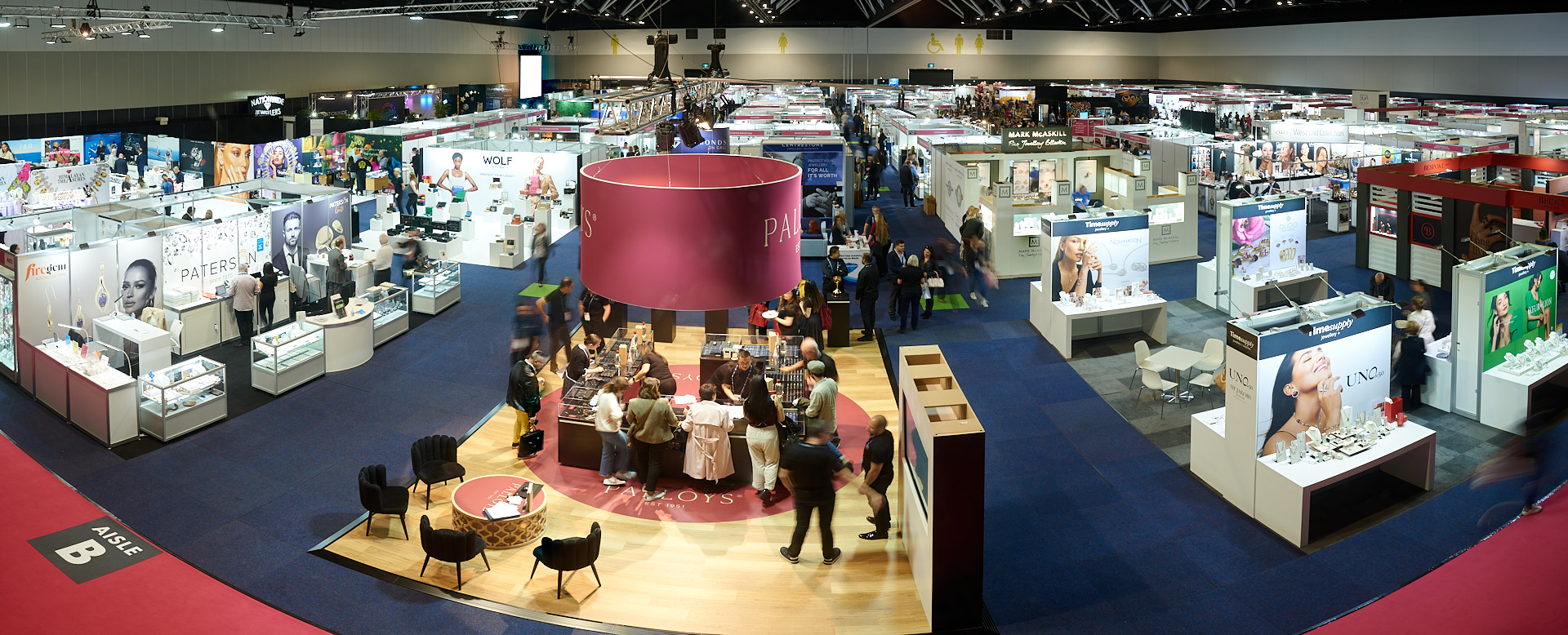
The fundamental purpose of a trade show is to provide a dedicated environment for industry players to convene. This includes manufacturers, distributors, suppliers, service providers, and, crucially, potential buyers. These buyers, in turn, represent businesses actively seeking solutions, innovations, and partnerships to address their own operational needs and strategic objectives. The focused nature of trade shows ensures that attendees are highly targeted, possessing a genuine interest in the products and services being exhibited. This contrasts sharply with broader public events, making trade shows an exceptionally efficient channel for lead generation and sales pipeline development.
Furthermore, trade shows serve as crucial barometers for industry health and future direction. By observing the innovations on display, the themes of keynote speeches, and the conversations taking place, participants can glean invaluable intelligence about emerging trends, competitive landscapes, and evolving customer demands. This information is vital for strategic planning, product development, and staying ahead of the curve in an increasingly competitive business environment. Ultimately, a trade show is a strategic investment, offering a concentrated burst of activity that can yield significant returns in terms of brand visibility, market penetration, and business growth.
The Strategic Imperative of Trade Shows for Business Growth
Trade shows represent a powerful and often indispensable tool for businesses aiming to accelerate their growth trajectory. Far beyond a simple exhibition, they offer a strategic platform for achieving multifaceted business objectives, from expanding market reach to solidifying brand presence. The concentrated nature of these events, where a captive audience of industry professionals is gathered with specific purchasing or partnership intentions, creates an environment ripe for impactful engagement.
Unlocking New Markets and Expanding Reach
One of the most significant advantages of participating in a trade show is the ability to access new markets and expand existing reach efficiently. For businesses looking to break into new geographical regions or tap into underserved customer segments, trade shows provide a direct conduit. By exhibiting, companies can present their offerings to a diverse audience that they might otherwise struggle to connect with through traditional sales and marketing efforts. This direct exposure allows for immediate feedback and relationship building with potential clients who may not have been aware of the company’s existence or capabilities prior to the event.
For instance, a software company specializing in enterprise resource planning (ERP) solutions might exhibit at a trade show focused on manufacturing. This allows them to directly engage with manufacturing firms actively seeking to streamline their operations, a target demographic they might have difficulty reaching through online advertising alone. The ability to demonstrate their software, discuss specific challenges, and highlight tailored solutions in person fosters immediate trust and opens doors to significant sales opportunities.
Moreover, trade shows often attract international attendees and exhibitors, providing a global marketplace for businesses to explore. This can be particularly valuable for smaller companies looking to scale their operations and establish an international presence without the extensive upfront investment required for setting up overseas offices. A well-executed trade show presence can serve as a powerful springboard for global expansion, generating leads and partnerships that transcend geographical boundaries. The concentrated audience at these events means that each interaction has a higher probability of leading to tangible business outcomes, making it a highly efficient method for market penetration.
Driving Sales and Lead Generation
The primary driver for many businesses investing in trade shows is their unparalleled ability to generate high-quality leads and directly drive sales. Unlike passive marketing efforts, trade shows offer a dynamic environment for interaction, demonstration, and negotiation. Prospects attending trade shows are typically in a buying cycle, actively researching solutions and making purchasing decisions. This makes them highly receptive to engagement and more likely to convert into paying customers.
A typical trade show experience involves setting up a compelling booth designed to attract attention and facilitate conversations. Sales teams are then tasked with engaging with visitors, understanding their needs, and presenting tailored solutions. This personal interaction allows for a deeper understanding of potential client challenges and the opportunity to showcase how a company’s products or services can effectively address them. Demonstrations, in particular, are crucial, allowing potential buyers to witness the tangible benefits and functionalities of a product firsthand, building confidence and accelerating the sales process.
The quality of leads generated at trade shows is often superior to those from other channels. Attendees are not only interested but have also made a conscious decision to invest their time and resources in attending the event, indicating a strong commitment to their industry and a proactive approach to finding solutions. This focused intent translates into more qualified leads, meaning sales teams spend less time sifting through irrelevant prospects and more time nurturing genuine opportunities. Post-show follow-up, when executed effectively, can rapidly convert these qualified leads into closed deals, directly impacting revenue and profitability. The ability to secure meetings with key decision-makers during the show further enhances the efficiency of the sales cycle, enabling swift progress towards closing transactions.
The Tangible Benefits: Brand Building and Competitive Intelligence
Beyond immediate sales and market expansion, trade shows offer significant, albeit sometimes less immediately quantifiable, benefits in terms of brand building and the acquisition of critical competitive intelligence. These long-term advantages are crucial for sustained success and market leadership.
Enhancing Brand Visibility and Reputation
In a crowded marketplace, establishing and maintaining a strong brand presence is essential. Trade shows provide an unparalleled opportunity to increase brand visibility among a highly relevant audience. A well-designed booth, engaging presentations, and active participation in networking events all contribute to a positive brand perception. The mere presence of a company at a reputable industry trade show signals its legitimacy, stability, and commitment to its sector, which can significantly boost its credibility in the eyes of potential customers, partners, and even investors.
For emerging brands, exhibiting at a trade show can be a pivotal moment, offering the chance to introduce themselves to the industry and make a memorable first impression. Established brands can leverage trade shows to reinforce their market position, showcase new innovations, and demonstrate their continued relevance and leadership. The opportunity to interact directly with customers and industry peers allows for the cultivation of strong relationships, fostering loyalty and advocacy. Positive experiences and memorable interactions at a trade show can translate into powerful word-of-mouth marketing, amplifying brand reach and influence.
Furthermore, trade shows often provide platforms for companies to highlight their expertise through speaking engagements, panel discussions, or workshops. These opportunities not only position the company as a thought leader but also provide valuable exposure to a highly engaged audience. By sharing insights and knowledge, businesses can build trust and authority, further solidifying their brand reputation. The visual impact of a professionally designed booth, coupled with consistent brand messaging, creates a lasting impression that can influence purchasing decisions long after the show concludes.
Gaining Invaluable Competitive Insights
Trade shows are essentially live laboratories for understanding the competitive landscape. By observing the offerings of competitors, listening to customer feedback directed at others, and analyzing industry trends, businesses can gain invaluable intelligence that informs strategic decision-making. This insight is not easily obtainable through other means and can provide a significant competitive edge.

A close examination of competitor booths can reveal new product features, innovative marketing strategies, pricing models, and customer engagement tactics. Understanding what resonates with attendees and what falls flat can inform a company’s own product development roadmap and marketing campaigns. Attending keynote speeches and industry-specific seminars provides insights into the strategic priorities and future directions of the sector, helping companies anticipate market shifts and adapt their own strategies accordingly.
Moreover, trade shows offer a unique opportunity to conduct informal market research. Conversations with potential customers can reveal unmet needs, pain points, and desires that may not be explicitly articulated in formal market surveys. Observing which booths attract the most traffic and which products generate the most buzz can provide leading indicators of market demand and emerging trends. This intelligence is critical for refining existing products, developing new ones, and identifying strategic opportunities or threats. The ability to gather this information firsthand, directly from the market and its key players, makes trade shows an indispensable resource for competitive analysis and strategic adaptation, ensuring that a business remains agile and responsive to evolving market dynamics.
The Operational Mechanics of Trade Show Success
Participating in a trade show requires meticulous planning and execution to maximize returns. It’s not simply a matter of booking a space and setting up a table; a strategic approach to logistics, booth design, and attendee engagement is crucial for converting the opportunity into tangible business outcomes.
Planning and Preparation: The Foundation of Success
Effective trade show participation begins long before the event itself. Comprehensive planning is essential to ensure that all aspects of the experience are aligned with business objectives. This starts with defining clear, measurable goals. Are you aiming to generate a specific number of leads, secure meetings with key accounts, launch a new product, or simply increase brand awareness? Having well-defined objectives will guide every subsequent decision, from budget allocation to staffing.
The selection of the right trade show is paramount. Researching the target audience, exhibitor list, and historical attendance data of various shows will help identify those that best align with your business’s industry and target market. Once a show is selected, creating a detailed budget is critical, encompassing costs for booth space, design and construction, marketing collateral, travel and accommodation for staff, and promotional activities.
Staffing is another vital component. Selecting knowledgeable, engaging, and well-trained personnel is essential for effective lead generation and brand representation. Pre-show training should cover product knowledge, sales pitches, and information on how to qualify leads. A robust pre-show marketing strategy is also crucial to drive qualified traffic to your booth. This might include email campaigns to existing contacts, targeted social media advertising, press releases, and leveraging the trade show’s official marketing channels.
Booth Design and Engagement Strategies
The trade show booth is the physical embodiment of your brand at the event, and its design plays a critical role in attracting visitors and conveying your company’s message. A well-designed booth should be visually appealing, inviting, and clearly communicate what your company offers. It should facilitate conversations and provide a comfortable space for attendees to learn more about your products or services.
Key elements of effective booth design include clear signage with your company logo, a logical flow that guides visitors through your offerings, and interactive elements that encourage engagement. This could range from live product demonstrations to touch-screen displays or even gamified experiences. The booth staff are integral to the engagement strategy. They should be proactive in approaching visitors, asking pertinent questions to qualify their interest, and delivering compelling presentations or demonstrations tailored to individual needs.
Beyond the booth itself, engaging with attendees through networking events, speaking opportunities, and social media during the show is crucial. Actively participating in the broader trade show ecosystem helps amplify your brand’s presence and fosters valuable connections. Collecting business cards and diligently recording key information about each prospect allows for effective post-show follow-up, ensuring that the momentum generated at the event is translated into tangible business results. The goal is to create a memorable and informative experience for every visitor, transforming passive observation into active interest and potential partnership.
Maximizing ROI: The Post-Show Follow-Up and Measurement
The success of a trade show investment is not solely determined by the activity during the event itself. A robust post-show strategy is critical for converting leads into sales, measuring the event’s effectiveness, and informing future participation. Without diligent follow-up and careful analysis, much of the valuable groundwork laid at the trade show can be lost.
Nurturing Leads and Closing Deals
The leads generated at a trade show are often hot, but they require prompt and strategic nurturing to convert into loyal customers. The speed of follow-up is paramount; ideally, initial contact should be made within 24-48 hours of the show’s conclusion. This timely engagement reinforces the positive impression made at the booth and demonstrates a company’s commitment to addressing the prospect’s needs.
The nature of the follow-up should be personalized and directly relevant to the conversations that took place at the show. Generic, mass-produced emails are unlikely to be effective. Instead, sales representatives should reference specific points discussed, reiterate the value proposition, and propose the next logical step, whether it’s a product demo, a proposal, or a more in-depth consultation. Categorizing leads based on their level of interest and potential value will help sales teams prioritize their efforts, focusing on the most promising opportunities first.
For leads that may not be immediately ready to purchase, a long-term nurturing strategy is essential. This could involve adding them to targeted email marketing campaigns, inviting them to webinars, or sending them relevant industry content. The goal is to keep your company top-of-mind and continue to build a relationship until they are ready to make a buying decision. Effective lead nurturing, combined with a streamlined sales process, is the bridge between a successful trade show appearance and a positive impact on the company’s revenue.

Measuring Success and Informing Future Strategy
To justify the investment in trade shows and continuously improve future participation, it is essential to establish clear metrics and rigorously measure the return on investment (ROI). The definition of success will depend on the initial goals set for the event. Key performance indicators (KPIs) might include the number of qualified leads generated, the conversion rate of those leads into customers, the value of deals closed directly attributable to the trade show, and the cost per lead.
Beyond sales metrics, qualitative feedback from the sales team and customers can provide valuable insights into brand perception, product reception, and competitive positioning. Analyzing website traffic and social media engagement during and after the show can also indicate increased brand awareness. A thorough post-show analysis should not only highlight successes but also identify areas for improvement. This could involve evaluating the effectiveness of booth design, the quality of leads, the efficiency of follow-up processes, or the overall strategic alignment of the chosen event.
The insights gained from this measurement and analysis are crucial for informing decisions about future trade show participation. Should the company invest in larger or smaller booths? Are there different shows that would be more beneficial? What adjustments need to be made to the marketing collateral or sales approach? By treating each trade show as a learning opportunity and a data-gathering exercise, businesses can refine their strategies over time, ensuring that their trade show investments become increasingly effective and contribute more significantly to their long-term growth and profitability.
aViewFromTheCave is a participant in the Amazon Services LLC Associates Program, an affiliate advertising program designed to provide a means for sites to earn advertising fees by advertising and linking to Amazon.com. Amazon, the Amazon logo, AmazonSupply, and the AmazonSupply logo are trademarks of Amazon.com, Inc. or its affiliates. As an Amazon Associate we earn affiliate commissions from qualifying purchases.