
In the vast landscape of medical technology, where precision engineering meets critical human needs, devices often exist that, while fundamental to patient well-being, remain largely unseen by the general public. One such essential piece of equipment is the tracheostomy collar. Far from being a mere band of fabric, a tracheostomy collar represents a confluence of material science, ergonomic design, and functional engineering, all meticulously crafted to provide vital support for individuals with a tracheostomy. This sophisticated piece of patient-worn technology is designed to comfortably secure the tracheostomy tube, ensure optimal tube positioning, and prevent skin irritation, thereby playing a pivotal role in maintaining respiratory integrity and patient comfort.
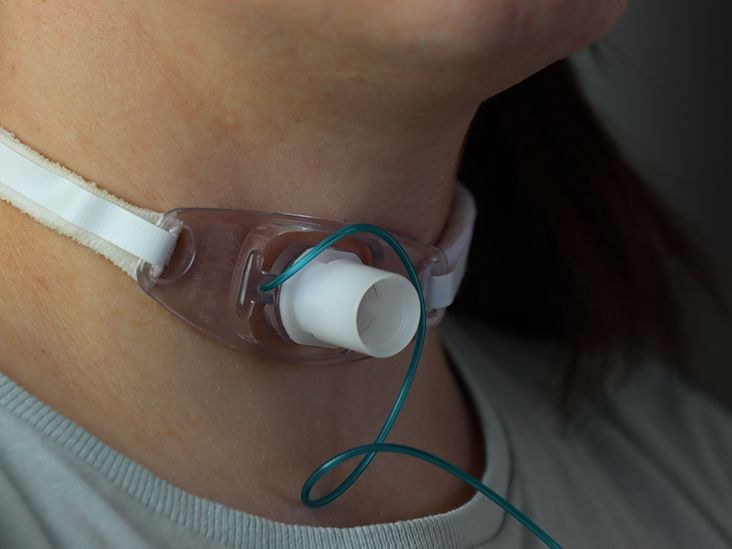
At its core, a tracheostomy collar is a specialized medical accessory, a testament to how even seemingly simple solutions are underpinned by thoughtful technological design. It is not an invasive device but an external stabilizing agent, often overlooked in discussions of high-tech diagnostics or advanced surgical robotics, yet indispensable in the day-to-day management of an artificial airway. Understanding a tracheostomy collar from a technological perspective reveals the subtle yet critical innovations that contribute to its efficacy, reliability, and user experience.
Engineering Simplicity for Critical Support
The apparent simplicity of a tracheostomy collar belies the intricate engineering principles applied to its design and manufacture. It must be robust enough to hold a tube securely, yet soft enough to prevent skin breakdown. It must be easy to apply and adjust, yet resistant to accidental dislodgement. This balance is a prime example of human-centered design in medical technology, where every curve, fastener, and material choice is optimized for patient safety and comfort.
The Core Design and Its Functionality
The fundamental design of a tracheostomy collar typically involves a band that wraps around the patient’s neck, connecting to the flanges of the tracheostomy tube. This simple description, however, encompasses a range of design considerations. The band’s width, for instance, is a critical ergonomic factor, designed to distribute pressure evenly across the neck without impeding circulation or causing discomfort. Too narrow, and it can dig into the skin; too wide, and it can be cumbersome or restrict movement. Modern designs often incorporate tapered edges or contoured shapes to follow the natural anatomy of the neck, minimizing points of friction and pressure.
The connection mechanism to the tracheostomy tube itself is another area of subtle innovation. This usually involves tabs or straps that thread through the eyelets on the tube’s flange, securing with Velcro, snaps, or specialized fasteners. These fasteners are engineered for rapid release in an emergency but strong enough to withstand everyday movement and minor tugs. The choice of fastening technology directly impacts ease of use for caregivers, security for the patient, and durability over repeated applications and adjustments. The objective is to create a secure, yet flexible, attachment that allows for slight movement while preventing accidental decannulation, which can be a life-threatening event.
Material Science in Patient Comfort and Safety
Perhaps the most significant technological aspect of a tracheostomy collar lies in its materials. Traditional collars might have been made from simple cotton, but contemporary designs leverage advanced textiles and polymeric materials specifically chosen for their biocompatibility, breathability, moisture-wicking properties, and durability. Materials like soft, padded foam laminates, non-fraying woven fabrics, and hypoallergenic synthetic fibers are commonplace.
These materials are often multi-layered, with an inner layer designed for skin contact—soft, non-abrasive, and sometimes infused with antimicrobial agents—and an outer layer offering structural integrity and resistance to wear and tear. The breathability of these materials is crucial to prevent moisture buildup, which can lead to skin irritation, maceration, and infection around the stoma site. Manufacturers often employ advanced textile technologies that enhance air circulation, akin to performance athletic wear, but tailored for continuous wear in a sensitive medical context. The ability of these materials to withstand repeated cleaning and sterilization cycles without degradation is also a key material science challenge that has been successfully addressed through polymer science and fabric treatment innovations.
Beyond the Basic Band: Adaptability and Ergonomics
Modern tracheostomy collars demonstrate a high degree of adaptability, a feature that enhances their utility across diverse patient populations. Many collars are adjustable in length, often through hook-and-loop (Velcro) fasteners, allowing for a custom fit for various neck sizes and shapes, from pediatric to bariatric patients. This adaptability is critical because a properly fitted collar is paramount to preventing complications. An ill-fitting collar can be either too tight, causing pressure ulcers, or too loose, risking tube dislodgement.
Ergonomic considerations extend to how easily caregivers can apply and adjust the collar, especially in challenging environments or with uncooperative patients. Features like pre-sized options, color-coded sizes, and simplified fastening systems are examples of how user interface design principles are applied to medical equipment. The aim is to reduce caregiver burden, minimize patient discomfort during application, and ensure a secure fit with minimal effort, thereby enhancing the overall efficiency and safety of care.
The Technological Imperative: Ensuring Respiratory Integrity
The primary function of a tracheostomy collar is to ensure the continuous and stable operation of an artificial airway. This makes it a foundational piece of technology in respiratory management, akin to a vital component in a larger life-support system. Without a secure and correctly positioned tracheostomy tube, the entire respiratory care framework could fail, underscoring the collar’s critical role.
Mechanizing Airway Management
From a functional perspective, the tracheostomy collar acts as a mechanical stabilizer. It rigidly, yet comfortably, anchors the tracheostomy tube in place, preventing it from migrating inwards (potentially causing tracheal trauma) or outwards (leading to decannulation and airway loss). This mechanical stabilization is especially important during patient movement, coughing, or even routine care like suctioning. The engineering challenge is to provide this stability without impeding neck movement or patient comfort over prolonged periods.
The design often incorporates a degree of inherent elasticity or flexibility to accommodate minor movements of the neck and trachea, ensuring the tube remains aligned with the airway even as the patient shifts. This dynamic stability is a subtle yet sophisticated engineering feat, balancing static security with dynamic freedom. The materials chosen for their resilience and shape retention also contribute to this mechanical robustness, ensuring the collar maintains its integrity and function over its lifespan.

Precision in Stabilization and Protection
Beyond simple stabilization, some advanced collars offer features that contribute to more precise management and protection. For example, specific designs might include integrated padding around the stoma site to absorb secretions, protect the skin from moisture, and provide a cushion against the tube flange. This layering of protective features showcases an incremental technological advancement, moving beyond just securing the tube to actively mitigating secondary complications.
Moreover, the design of the attachment points to the tracheostomy tube aims for a balance of rigidity and flexibility. While the collar prevents gross movement of the tube, it typically allows for minor rotational adjustments, which can be crucial for comfort and preventing pressure on the tracheal wall. This level of nuanced control over tube positioning is a hallmark of well-engineered medical devices, where the “set it and forget it” mentality is replaced by “set it precisely and maintain it securely.”
Evolution and Innovation in Tracheostomy Device Design
While the basic concept of a tracheostomy collar has existed for decades, the field is not stagnant. Continuous innovation, driven by material science, sensor technology, and patient-centered design principles, promises a future where these devices are even more intelligent, comfortable, and integrated into broader healthcare ecosystems.
Smart Features and Future Integrations
The next frontier for tracheostomy collars lies in integrating smart technologies. Imagine a collar with embedded micro-sensors capable of monitoring skin temperature and moisture levels around the stoma, alerting caregivers via a connected app if conditions conducive to irritation or infection begin to develop. Such sensors could provide real-time data on skin integrity, allowing for proactive interventions.
Furthermore, future collars might incorporate accelerometers to detect excessive movement or accidental tugs on the tracheostomy tube, issuing an immediate alert to prevent decannulation. While still largely conceptual for collars, similar technologies are already being explored in other wearable medical devices. The challenge will be to embed these sensors discreetly and robustly, ensuring they are unobtrusive, biocompatible, and capable of wireless data transmission without compromising the primary function or ease of cleaning. Miniaturization of electronics and advances in flexible circuit boards are key technologies that could enable such innovations.
Customization and Personalization through Tech
Personalized medicine is a growing trend, and tracheostomy collars are ripe for advancements in customization. While current collars offer adjustable sizes, future innovations might leverage 3D scanning and printing technologies to create truly custom-fitted collars for each patient. Imagine a patient’s neck being 3D scanned, and a bespoke collar then printed from advanced biocompatible polymers, perfectly matching their unique anatomy. This could drastically improve comfort, reduce pressure points, and enhance security, particularly for patients with unusual neck anatomies or complex wound care needs.
Such technologies could also allow for custom features, such as integrated medication delivery patches for local skin treatment, or specialized ventilation ports for certain types of respiratory therapy. This shift from “off-the-shelf” to “precision-engineered” custom devices represents a significant technological leap, promising unparalleled levels of patient comfort and care quality.
The Broader Tech Ecosystem of Tracheostomy Care
A tracheostomy collar, though an external device, is not isolated. It functions within a larger technological ecosystem of respiratory care, interacting with other devices and systems designed to support patients with artificial airways. Understanding this broader context highlights how even a seemingly simple accessory plays a role in a complex technological framework.
Integrating with Monitoring Systems
In critical care settings, patients with tracheostomies are often connected to a multitude of monitoring devices—ventilators, pulse oximeters, capnographs, and more. While the collar itself doesn’t directly connect to these, its stable function is prerequisite for the accurate operation of others. Future iterations might see collars with integrated RFID tags for inventory management in hospitals, or even Bluetooth Low Energy (BLE) beacons that help track patient location or facilitate automatic ordering of replacements.
The stability provided by the collar also directly impacts the reliability of other measurements. For instance, if a tracheostomy tube is not securely held, it can affect the pressure readings from a ventilator or compromise the effectiveness of suctioning equipment, leading to inaccurate data or inefficient procedures. Thus, the reliability of the collar contributes indirectly but significantly to the overall integrity of patient monitoring and intervention systems.

Telehealth and Remote Support Considerations
With the rise of telehealth and remote patient monitoring, the reliability and ease of use of devices like tracheostomy collars become even more paramount. For patients managing their tracheostomy at home, a well-designed collar reduces the need for frequent in-person adjustments or troubleshooting. Educational tools, often delivered through digital platforms (apps, online videos), guide patients and caregivers on proper application and maintenance of the collar, essentially extending expert technological support into the home environment.
Future innovations in collars could even facilitate remote assessments; for example, if a smart collar could detect early signs of skin breakdown, a telehealth nurse could be alerted to initiate a video consultation, potentially preventing a serious complication without the need for a hospital visit. This integration of a physical device with digital health platforms represents the convergence of hardware engineering and software solutions, illustrating how fundamental medical accessories are increasingly becoming part of a connected, data-driven healthcare future.
In conclusion, the tracheostomy collar, while often perceived as a basic medical accessory, is a sophisticated piece of technology. Its design embodies advanced material science, ergonomic principles, and precise engineering. As medical technology continues to evolve, these seemingly simple devices will undoubtedly incorporate more intelligence, customization, and integration, further cementing their role as critical components in modern healthcare’s high-tech landscape. It stands as a prime example of how ingenuity, even in seemingly minor applications, profoundly impacts patient quality of life and clinical outcomes.
aViewFromTheCave is a participant in the Amazon Services LLC Associates Program, an affiliate advertising program designed to provide a means for sites to earn advertising fees by advertising and linking to Amazon.com. Amazon, the Amazon logo, AmazonSupply, and the AmazonSupply logo are trademarks of Amazon.com, Inc. or its affiliates. As an Amazon Associate we earn affiliate commissions from qualifying purchases.