
In the intricate tapestry of human connection, friendships are often envisioned as supportive pillars, bright sources of joy, and valuable allies in our personal and professional journeys. They are, in many ways, extensions of our own identity, reflections of our values, and contributors to the narrative we build around ourselves. However, not all relationships nurture this growth; some, insidious in their nature, can actively undermine the very foundations of our personal brand. These are the relationships characterized by toxicity, and understanding what constitutes a “toxic friend” is paramount to safeguarding and cultivating a robust and authentic personal brand.
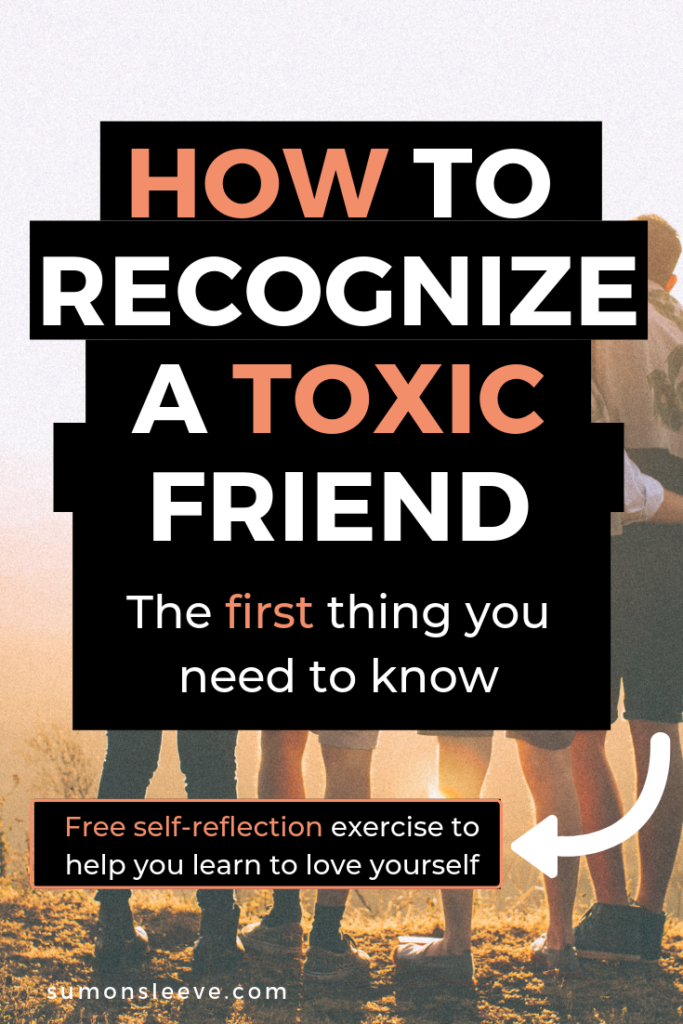
A toxic friend, at its core, is someone whose behavior consistently drains your emotional, mental, or even physical energy, leaving you feeling worse off after interacting with them. This isn’t about occasional bad days or differing opinions; it’s a pattern of negativity, manipulation, or disrespect that erodes your self-esteem and hinders your progress. In the context of personal branding, where authenticity, confidence, and a positive outward projection are key, toxic friendships can act as silent saboteurs, clouding your narrative and dimming your professional light.
The Subtle Erosion: Identifying the Hallmarks of a Toxic Friendship
Recognizing a toxic friend isn’t always straightforward. Their behaviors can be cloaked in the guise of concern, playful teasing, or even genuine affection, making them difficult to pinpoint. However, consistent patterns emerge that, when examined closely, reveal the detrimental impact they have. Understanding these hallmarks is the first step in disentangling yourself from their negative influence and protecting the image you strive to project.
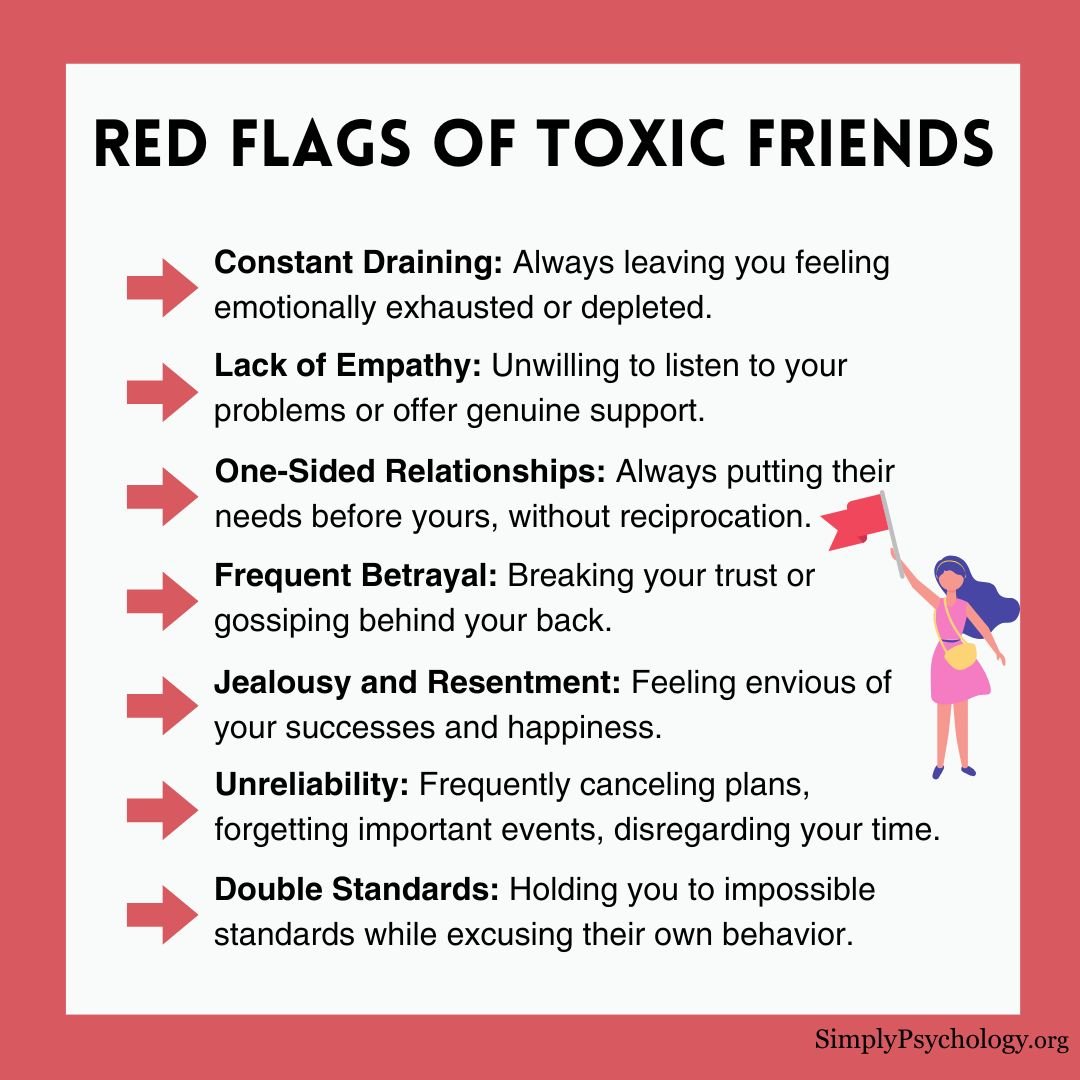
Constant Criticism and Undermining
One of the most pervasive traits of a toxic friend is their tendency to consistently criticize, belittle, or undermine your efforts, achievements, and aspirations. This isn’t constructive feedback; it’s often veiled in sarcasm, passive-aggression, or outright negativity. They might “joke” about your ambitions, highlight your flaws, or dismiss your successes as mere luck.
For your personal brand, this translates into a constant barrage of doubt. Imagine launching a new project, sharing a significant accomplishment, or proposing an innovative idea. A toxic friend’s immediate reaction might be to find fault, point out potential failures, or express skepticism. This can sow seeds of self-doubt, making you hesitant to share your triumphs or pursue ambitious goals. Over time, this consistent negativity can chip away at your confidence, a cornerstone of any compelling personal brand. You might start to believe their criticisms, second-guessing your abilities and limiting your potential. This internalizes their negative projections, making it harder to project an image of competence and self-assurance to the outside world.
The Energy Vampire: Draining Your Positivity and Drive
Toxic friends often act as energy vampires, consistently draining your enthusiasm, optimism, and motivation. Conversations with them tend to revolve around complaints, gossip, or their own problems, leaving you feeling emotionally exhausted. They rarely celebrate your wins with genuine joy and often steer the conversation back to their own woes.
In the realm of personal branding, this constant drain is detrimental. Building and maintaining a personal brand requires energy, passion, and a forward-looking mindset. When your energy is consistently siphoned off by negative interactions, you have less to invest in your professional development, networking, or content creation. This can lead to burnout, reduced productivity, and a general lack of engagement, all of which can negatively impact your perceived drive and commitment. If your personal brand is meant to convey dynamism and positivity, then consistently associating with someone who embodies negativity will inevitably create a dissonance between your intended image and the reality of your emotional state.
Manipulation and Guilt-Tripping
Another hallmark of a toxic friendship is the use of manipulation and guilt-tripping to control or gain an advantage. This can manifest as emotional blackmail, making you feel responsible for their happiness or problems, or using past favors as leverage. They might make you feel obligated to do things for them, even if it inconveniences you, and then express disappointment or resentment if you don’t comply.
From a personal branding perspective, these manipulative tactics can lead to compromised boundaries. You might find yourself agreeing to things that are not in your best interest, saying yes when you mean no, or allowing others to dictate your time and resources. This can lead to a personal brand that appears indecisive, easily swayed, or lacking in clear personal values. It also creates an environment where your authentic self is suppressed in favor of appeasing the toxic friend, undermining the very essence of genuine personal branding.
The Impact on Your Personal Brand: A Shadowed Narrative
The presence of a toxic friend casts a long shadow over your personal brand, subtly altering how you are perceived and how you perceive yourself. Their influence can manifest in several critical areas, affecting your professional trajectory and overall image.
Diminished Self-Confidence and Authenticity
As mentioned, constant criticism and negativity from a toxic friend can erode your self-confidence. This lack of self-assurance directly impacts your personal brand. When you doubt your abilities, you become less likely to take risks, speak up in meetings, or confidently share your expertise. Your personal brand, which should convey competence and authority, begins to look hesitant and uncertain. Furthermore, to avoid conflict or criticism, you might start to censor yourself, suppressing your true personality, opinions, and passions. This leads to a less authentic personal brand, one that feels performative rather than genuine, making it harder to connect with your audience and build lasting credibility.
Stunted Growth and Missed Opportunities
Toxic friendships often consume your time, energy, and emotional bandwidth, leaving little room for positive growth and development. A toxic friend might discourage you from pursuing new ventures, networking opportunities, or professional development. They may even actively sabotage your efforts by spreading gossip or creating drama that distracts you. This can lead to a stagnation of your personal brand. Instead of evolving and expanding your influence, you find yourself trapped in a cycle of managing the toxicity, which prevents you from seizing the opportunities that would elevate your personal brand and career.
Reputational Risk and Perception Management
While not always direct, the association with a toxic individual can, over time, indirectly affect your reputation. If you are perceived as being constantly negative, drained, or disrespected by a friend, it can subtly color how others view your overall demeanor and professionalism. In professional circles, people often make inferences about an individual’s character and stability based on their relationships. A persistent association with someone who exhibits consistently negative or dramatic behavior can lead to questions about your judgment and even your own potential for toxicity. Effective personal branding involves careful perception management, and allowing a toxic friendship to persist can inadvertently damage the image you are working so hard to cultivate.
Reclaiming Your Narrative: Strategies for Boundary Setting and Personal Brand Protection
The good news is that recognizing a toxic friend is the first step towards reclaiming your narrative and protecting your personal brand. It requires courage, self-awareness, and a commitment to your own well-being and professional aspirations.
Establishing Clear Boundaries and Expectations
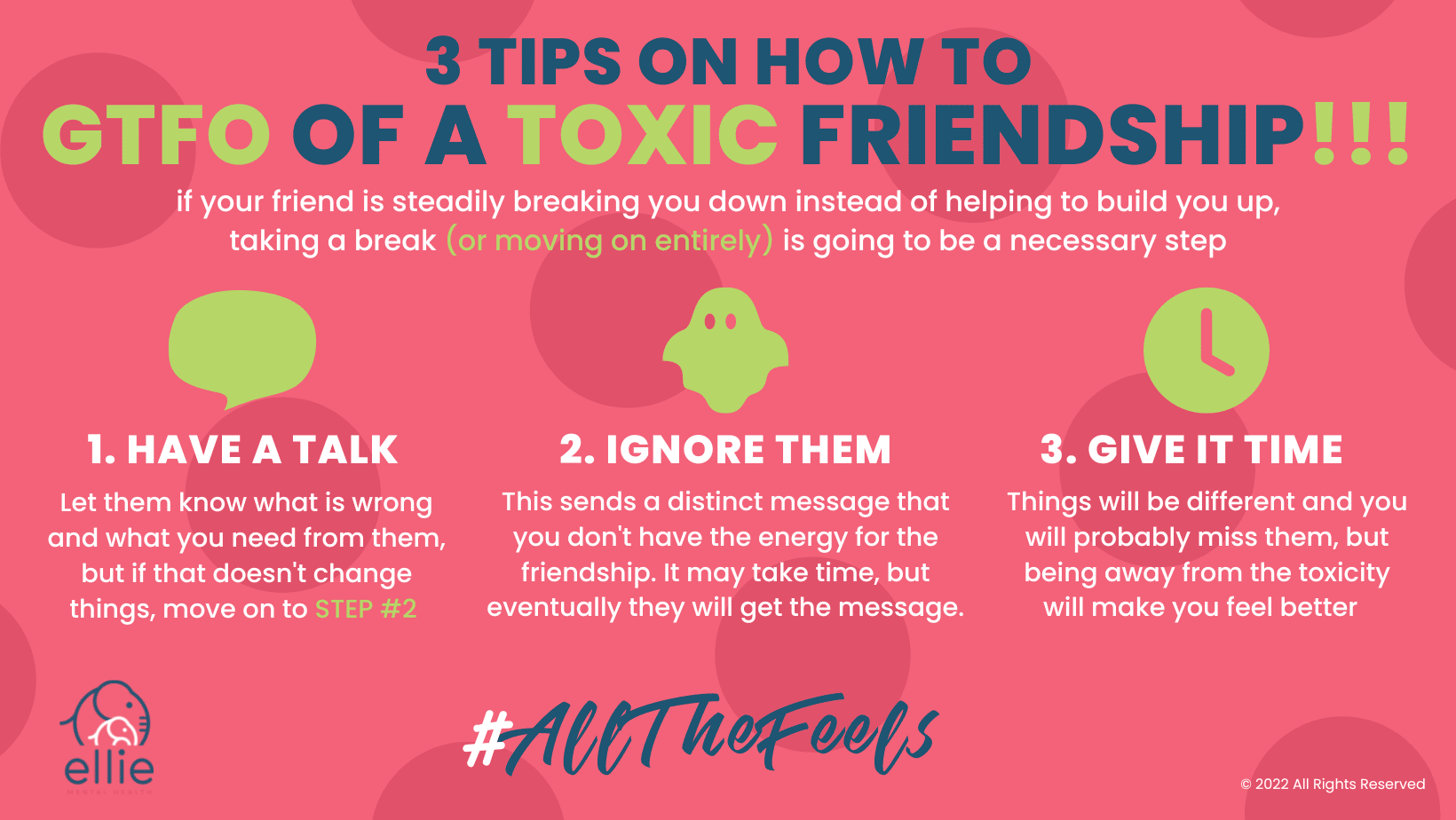
The most crucial step in dealing with a toxic friend is to establish and enforce clear boundaries. This means defining what behavior you will and will not tolerate. It might involve limiting the time you spend with them, declining invitations to events where their behavior is likely to be problematic, or choosing not to engage in conversations that involve gossip or negativity. Communicate your boundaries calmly and assertively. For example, you might say, “I’m not comfortable discussing others in this way,” or “I need to focus on my own projects right now.” These boundaries protect your emotional and mental space, preventing the constant drain that undermines your personal brand’s energy and focus.
Prioritizing Self-Care and Positive Influences
To counteract the negativity of toxic friendships, actively prioritize self-care and surround yourself with positive influences. This means consciously seeking out relationships with people who are supportive, inspiring, and uplifting. Invest time and energy in these healthy connections. Engage in activities that recharge your batteries, such as exercise, hobbies, meditation, or spending time in nature. This not only boosts your overall well-being but also strengthens the positive attributes that contribute to a vibrant personal brand. When you are feeling strong and supported, you are better equipped to deal with negativity and project confidence.
The Power of Disengagement and Strategic Distance
In some cases, the only effective strategy for dealing with a toxic friend is to disengage or create significant distance. This might involve a gradual fading away or a more direct conversation where you explain that the friendship is no longer serving you. This is a difficult decision, but it is essential for protecting your personal brand and mental health. By removing yourself from a consistently damaging dynamic, you free up the energy and mental space to invest in relationships and activities that genuinely contribute to your growth and the positive projection of your personal brand. This strategic disengagement allows you to rewrite your narrative, focusing on authentic connections and forward momentum, ultimately enhancing the clarity and strength of your personal brand.
aViewFromTheCave is a participant in the Amazon Services LLC Associates Program, an affiliate advertising program designed to provide a means for sites to earn advertising fees by advertising and linking to Amazon.com. Amazon, the Amazon logo, AmazonSupply, and the AmazonSupply logo are trademarks of Amazon.com, Inc. or its affiliates. As an Amazon Associate we earn affiliate commissions from qualifying purchases.