
The human body is an intricate machine, capable of incredible feats but also susceptible to injury. Among the more significant and often career-altering injuries, particularly for athletes, is a torn Ulnar Collateral Ligament (UCL). While at its core a medical diagnosis, understanding “what is a torn UCL” quickly expands into a complex web of financial implications, affecting everything from healthcare costs to long-term earning potential. For professional athletes, in particular, this injury isn’t just a physical setback; it’s a significant financial event that demands careful management and strategic planning.
This article will demystify the UCL injury, explain its prevalence and impact, and pivot to a comprehensive exploration of its financial ramifications. We’ll examine the immediate and long-term costs, the economic impact on careers, and the financial strategies individuals and teams employ to navigate this challenging injury.
Understanding the UCL and Its Initial Financial Implications
To grasp the financial weight of a torn UCL, one must first understand the anatomy and function of this vital ligament, and how its injury sets the stage for economic concerns.
Anatomy and Function: The Foundation of Performance and Value
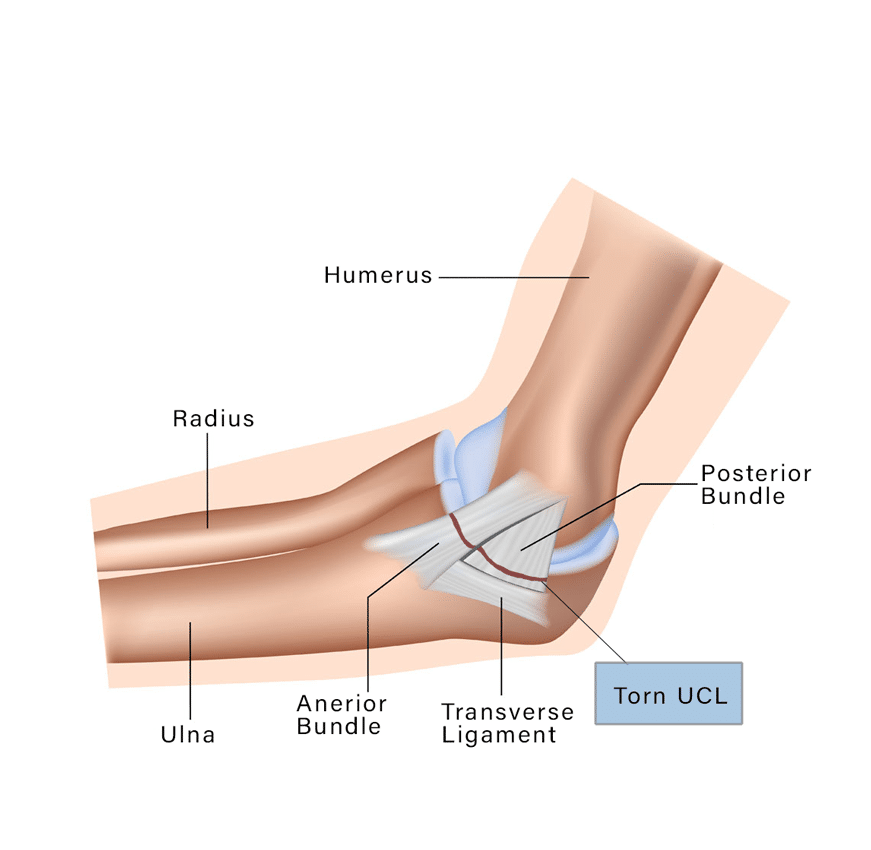
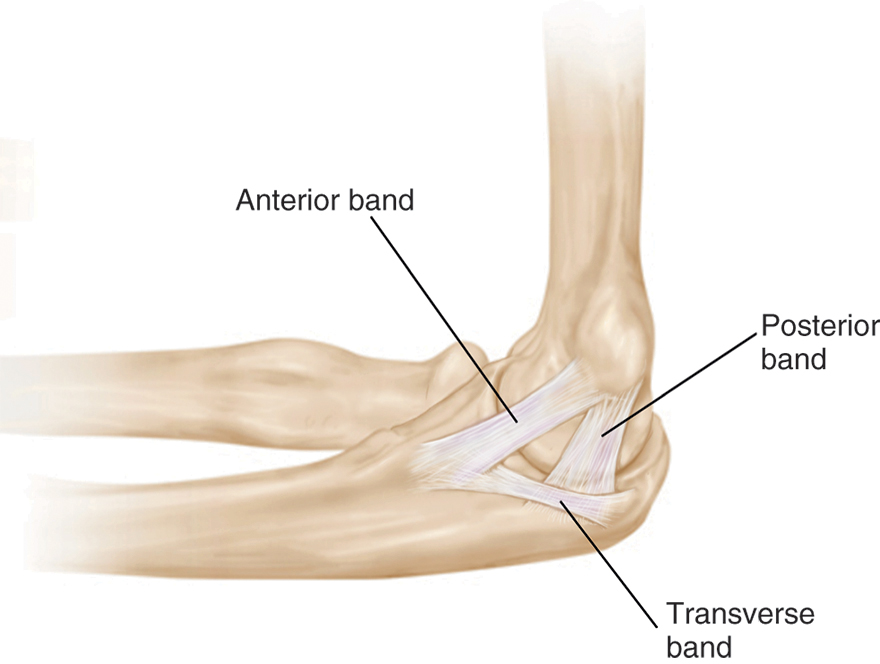
The Ulnar Collateral Ligament (UCL), most commonly referenced in the elbow, is a crucial band of tissue connecting the upper arm bone (humerus) to one of the forearm bones (ulna). Its primary role is to provide stability to the elbow joint, preventing excessive outward movement. In the context of athletes, particularly baseball pitchers, javelin throwers, and tennis players, the UCL is subjected to immense stress during overhead and throwing motions. It acts as the primary restraint against valgus stress – the force that tries to pull the forearm away from the upper arm.
Beyond the elbow, a UCL can also be found in the thumb, providing stability to the joint at the base of the thumb. A torn UCL in the thumb (often called “skier’s thumb”) also impairs function and can have occupational impacts, though typically less catastrophic than an elbow UCL tear for high-earning athletes.
For an elite athlete, the integrity of their UCL is directly tied to their ability to perform at a professional level. It is, quite literally, a cornerstone of their physical capital and, by extension, their economic value. A healthy UCL enables the high-velocity, repetitive motions essential for their sport. Its damage, therefore, immediately threatens their primary income-generating asset: their physical capability. From a financial perspective, a strong, intact UCL represents a significant portion of an athlete’s market value and future earning potential.
Identifying a UCL Tear: The First Step Towards Financial Reckoning
A torn UCL typically results from an acute traumatic event or, more commonly, from repetitive microtrauma and overuse. Symptoms often include sudden pain, a popping sensation in the elbow or thumb, swelling, bruising, and, crucially, instability and difficulty performing actions that require the affected joint. For a pitcher, this might manifest as a noticeable drop in velocity or an inability to throw with previous force and control.
Diagnosing a UCL tear involves a thorough physical examination by a medical professional, often augmented by imaging techniques. Magnetic Resonance Imaging (MRI) is the gold standard for visualizing soft tissue damage like ligament tears. It provides detailed images that can confirm the presence and severity of a tear, helping to classify it as a partial or complete rupture.
From the moment symptoms appear, a clock starts ticking on financial implications. The diagnosis itself involves medical consultations and expensive imaging scans. More significantly, the confirmation of a tear instantly translates into lost playing time, potential missed contracts, and a cloud of uncertainty over future earnings. For an athlete whose annual income is tied to performance and availability, this initial diagnostic phase is not just about understanding an injury, but about the first estimations of a looming financial burden.
The Immediate Economic Impact of a UCL Injury
Once a UCL tear is diagnosed, the financial reality quickly sets in. The costs extend far beyond the immediate medical bill, impacting income, career trajectory, and future financial security.
Healthcare Costs: Diagnosis, Treatment, and Rehabilitation
The journey from injury to recovery for a torn UCL is typically lengthy and expensive.
- Initial Costs: This includes specialized doctor visits, sports medicine consultations, and high-resolution imaging like MRIs, which can range from hundreds to several thousands of dollars, depending on insurance coverage and facility.
- Treatment Decisions: The choice between non-surgical management and surgical reconstruction (commonly known as Tommy John surgery for elbow UCL tears) is a pivotal financial decision.
- Non-Surgical: Involves rest, anti-inflammatory medication, and extensive physical therapy. While potentially less expensive upfront than surgery, it still requires ongoing therapy sessions, which can cost $50-$200 per session, often for several months.
- Surgical Reconstruction: Tommy John surgery is a complex procedure involving grafting a tendon from another part of the body to reconstruct the torn UCL. The surgery itself can cost tens of thousands of dollars ($15,000-$40,000+ in the US), not including pre-operative assessments, anesthesia, hospital stays, or post-operative care.
- Post-Operative Rehabilitation: Regardless of the treatment path, rehabilitation is critical and protracted. It involves months, often 9-18 months for surgical recovery, of intensive physical therapy, strength training, and gradual return-to-sport protocols. These ongoing therapy costs can quickly accumulate, adding many thousands more to the total expenditure.
- Insurance Navigation: Navigating these costs requires robust health insurance. However, even with good coverage, deductibles, co-pays, and co-insurance can leave significant out-of-pocket expenses. Out-of-network providers, specialized therapists, or experimental treatments can further inflate these personal financial burdens.
Loss of Income and Contractual Implications
Beyond direct medical expenses, the most profound economic impact of a torn UCL, especially for professional athletes, is the loss of income and the reevaluation of their contractual value.
- Missed Playing Time and Salary: For athletes on active rosters, an injury means lost games, and potentially lost performance bonuses, roster bonuses, or even base salary, depending on contract specifics and league rules. For minor league players or those aspiring to make it big, an injury can halt their progress, costing them crucial development time and a potential lucrative future contract.
- Endorsement Deals: A prolonged absence from the spotlight due to injury can trigger clauses in endorsement contracts, leading to reduced payments or even termination. Brands are often looking for active, visible athletes, and an injured player’s marketability can temporarily diminish.
- Future Contracts and Draft Status: For players nearing free agency or those in collegiate sports looking to enter professional drafts, a UCL injury can devastate their market value. Teams become hesitant to offer large, long-term contracts to players with a recent history of such a significant injury. Draft prospects may fall several rounds, costing them millions in signing bonuses and initial contract value. The uncertainty surrounding a player’s return to form weighs heavily on contract negotiations.
- Non-Professional Impact: Even for non-professional individuals, a UCL tear can lead to lost workdays, reduced capacity to perform job duties, and potential career shifts if their occupation is physically demanding. This can result in short-term income loss and, in severe cases, long-term career changes impacting earning potential.
Navigating Financial Strategies During UCL Recovery
Managing the financial fallout of a torn UCL requires proactive planning and a clear understanding of available resources. This involves optimizing insurance, budgeting for ongoing needs, and exploring supplementary financial protections.
Insurance Coverage: Health, Disability, and Career Protection
Effective financial management during UCL recovery hinges on maximizing insurance benefits.
- Health Insurance: This is the primary line of defense against exorbitant medical bills. Individuals (or their teams/employers) must ensure their health insurance covers specialized sports medicine, surgical procedures, and extensive physical therapy. Understanding policy limits, network restrictions, and prior authorization requirements is crucial to avoid unexpected out-of-pocket costs. High-deductible plans, while having lower premiums, can lead to significant upfront expenses before coverage kicks in.
- Disability Insurance: For high-earning professionals, particularly athletes, disability insurance is a critical safeguard. This type of insurance provides income replacement if an injury prevents them from performing their job. Policies can be short-term (covering initial recovery) or long-term (extending for years if the career is cut short). Professional athletes often have specialized policies that protect against career-ending injuries, providing a substantial payout to compensate for lost future earnings. This is a vital investment in protecting their financial future, given the inherent risks of their profession.
- Team or League-Specific Coverage: Professional sports leagues and teams often provide their own insurance plans, which may include comprehensive medical coverage, salary continuation clauses, and specific injury protection. Athletes must understand the nuances of these plans, including whether contracts are guaranteed or if they contain injury clauses that allow teams to reduce or terminate salary under certain conditions.
Budgeting for Rehabilitation and Unexpected Expenses
Beyond insurance, careful financial planning and budgeting are essential to navigate the prolonged recovery period.
- Creating a Rehabilitation Budget: With physical therapy sessions potentially spanning 9-18 months, individuals need a dedicated budget for these ongoing costs. This includes co-pays, specialized equipment (braces, exercise bands), and potentially supplementary treatments not covered by insurance (e.g., specific massage therapies, nutritional support).
- Emergency Fund: Injuries, especially surgical ones, are prone to complications. Infections, delayed healing, or re-injury can extend recovery timelines and increase costs. A robust emergency fund provides a financial buffer to cover these unforeseen expenses without derailing one’s financial stability.
- Managing Lifestyle Costs: During a period of reduced activity and potentially reduced income, adjusting personal spending habits becomes important. Cutting non-essential expenses and prioritizing needs over wants can help manage cash flow during the recovery phase.
- Financial Advisors: Engaging with a financial advisor specializing in sports finance or high-net-worth individuals can provide invaluable guidance. They can help navigate complex insurance policies, manage investments during a period of uncertainty, and plan for both short-term recovery costs and long-term financial goals.
Long-Term Financial Outlook and Career Rebuilding
A torn UCL is not just about immediate recovery; it’s about the long-term impact on a career, personal brand, and future earning potential. Strategic financial planning plays a crucial role in rebuilding after such a significant setback.
Re-establishing Earning Potential and Brand Value
The path back to peak performance after a UCL injury is arduous, and successful recovery is critical for re-establishing financial value.
- Return to Peak Performance: An athlete’s ability to return to their pre-injury form, or even surpass it, directly impacts their future contracts and endorsement opportunities. Investing in the best possible rehabilitation and training, even if it incurs higher upfront costs, can yield significant returns in the form of renewed performance and higher earning potential.
- Rebuilding Personal Brand: For professional athletes, public perception and personal brand are intertwined with their marketability. A successful, inspiring comeback story can sometimes even enhance a player’s brand, making them more attractive for endorsements and media opportunities. Conversely, a prolonged or unsuccessful recovery can diminish their brand value. Financial planning needs to consider marketing and PR efforts to manage public perception during and after recovery.
- Post-Athletic Career Planning: For some, a severe UCL injury might signal the premature end of an athletic career. In these difficult circumstances, long-term financial planning becomes paramount. This involves transitioning investments, exploring new career paths, and leveraging past earnings to secure a comfortable future. Retirement savings, diversification of assets, and vocational training or higher education become key elements of this strategy.
Investment in Prevention and Injury Management
While an injury can be an unpredictable event, investing in prevention and proactive injury management can mitigate financial risks in the long run.
- Preventative Training and Conditioning: Allocating funds for year-round strength and conditioning programs, working with biomechanical specialists, and investing in proper equipment can reduce the risk of future injuries. This “preventative maintenance” is a strategic financial outlay that protects an athlete’s physical capital.
- Ongoing Health Investments: Regular check-ups, proactive physical therapy even without an injury, and addressing minor aches and pains before they escalate can prevent more serious and costly injuries down the line. It’s a long-term investment in maintaining physical readiness and, by extension, sustained earning power.
- The Cost of Neglect: Conversely, neglecting proper rehabilitation or rushing a return to play can lead to re-injury or chronic issues, resulting in even greater medical expenses, longer periods of lost income, and potentially irreversible career damage. The “cost” of not investing adequately in health and recovery can be devastatingly high.
Conclusion
A torn UCL is far more than just a medical ailment; for many, especially those whose livelihoods depend on their physical prowess, it’s a significant financial challenge. From the initial costs of diagnosis and treatment to the profound impact on income, contractual negotiations, and long-term career prospects, every facet of this injury carries an economic dimension.
Navigating a torn UCL successfully requires a multifaceted approach: understanding the medical intricacies, optimizing health and disability insurance coverage, meticulous budgeting for rehabilitation, and strategic long-term financial planning. By treating a torn UCL not just as a health crisis but as a significant financial event, individuals can better prepare, manage, and ultimately overcome its extensive economic repercussions, safeguarding their financial future even in the face of physical adversity.
aViewFromTheCave is a participant in the Amazon Services LLC Associates Program, an affiliate advertising program designed to provide a means for sites to earn advertising fees by advertising and linking to Amazon.com. Amazon, the Amazon logo, AmazonSupply, and the AmazonSupply logo are trademarks of Amazon.com, Inc. or its affiliates. As an Amazon Associate we earn affiliate commissions from qualifying purchases.