
In an era dominated by high-resolution tablets, blue-light-emitting smartphones, and ubiquitous streaming services, the Toniebox represents a significant shift in the landscape of consumer electronics for children. While it appears at first glance to be a simple padded cube, the Toniebox is a sophisticated piece of educational technology (EdTech) that leverages Near Field Communication (NFC) and cloud-based software to provide an interactive, screen-free audio experience.
Designed by the German company Tonies GmbH, this gadget has carved out a unique niche in the Internet of Things (IoT) market. It bridges the gap between physical play and digital content, prioritizing tactile interaction over passive screen consumption. For tech enthusiasts and developers, the Toniebox is an interesting case study in hardware durability, user interface (UI) simplification, and secure digital ecosystems.

The Engineering Behind the Box: Hardware and Tactile Interaction
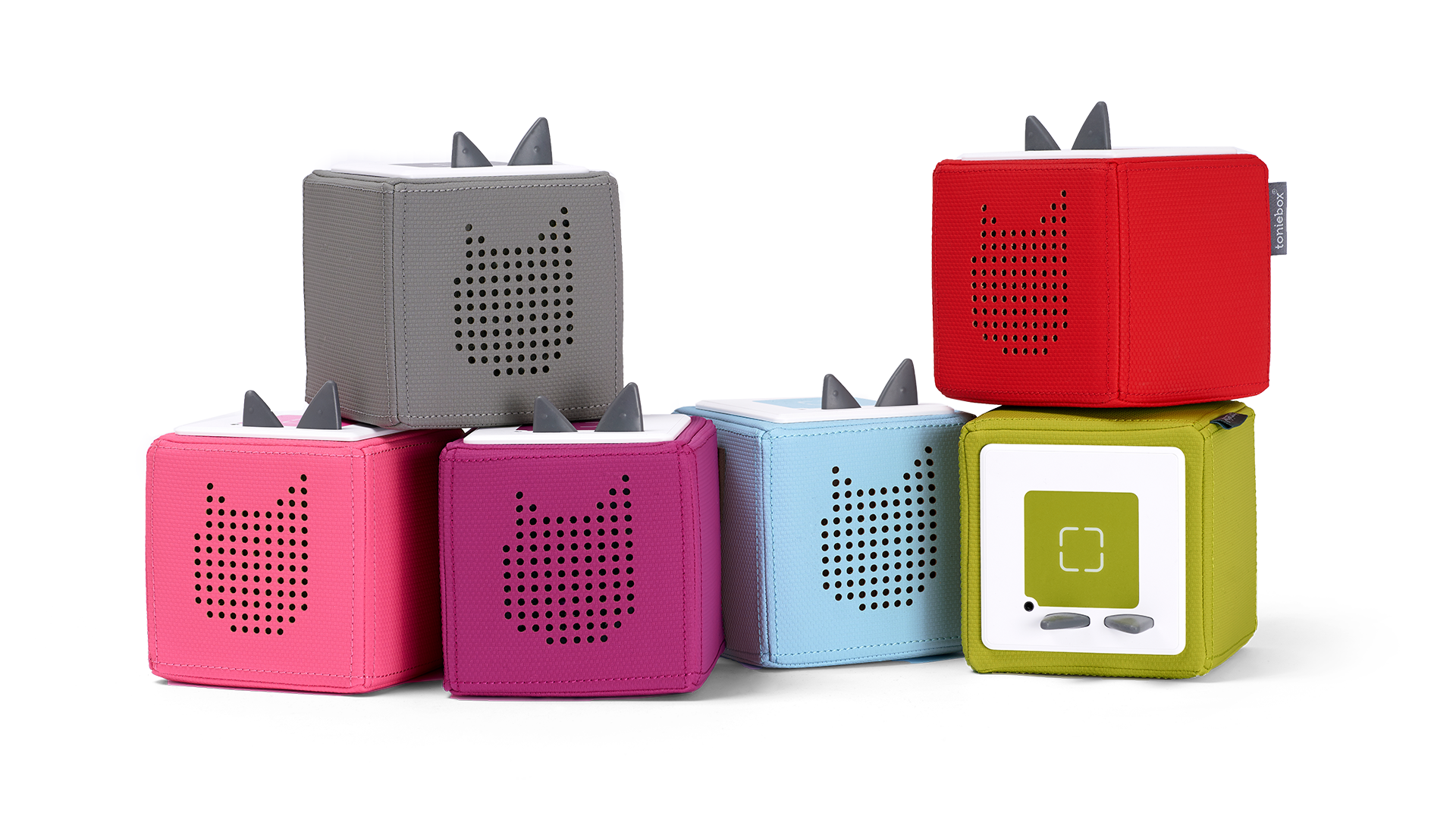
To understand what a Toniebox is, one must first look at its hardware specifications. Unlike traditional smart speakers that rely on voice commands or complex touchscreens, the Toniebox utilizes a minimalist, haptic interface designed specifically for cognitive development and durability.
Near Field Communication (NFC) Integration
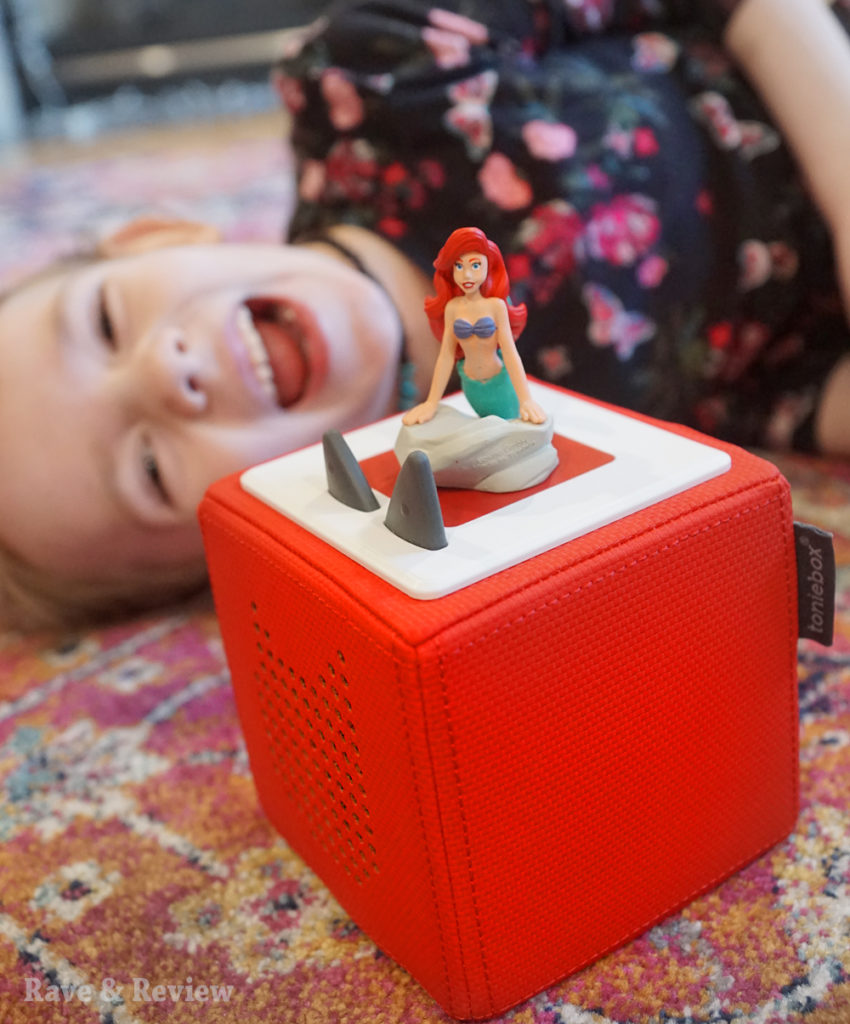
The core of the Toniebox’s functionality lies in its NFC reader, located just beneath the top surface of the device. Each “Tonie”—the hand-painted figurine that accompanies the box—is embedded with an NFC chip. When a figurine is placed on the box, the reader identifies the unique ID of that chip and triggers the playback of the corresponding digital audio file stored in the device’s internal flash memory. This integration ensures a seamless “plug-and-play” experience that requires zero technical knowledge from the end-user, illustrating a masterpiece in intuitive hardware design.
Robust Hardware and Battery Management
The device is encased in a durable, sustainable fabric over a high-density foam padding, designed to withstand the physical rigors of early childhood use. Internally, the device features a high-quality speaker and a nickel-metal hydride (NiMH) battery, offering up to seven hours of playback. The choice of NiMH over Lithium-Ion in some versions reflects a focus on safety and longevity in various environmental conditions. Charging is handled via a specialized induction-based charging station, simplifying the power management process for users who may lack the fine motor skills to manage standard USB-C or micro-USB ports.
Accelerometer and Gyroscope Implementation
The Toniebox does not feature traditional buttons. Instead, it utilizes an internal accelerometer and gyroscope to facilitate navigation. To skip tracks, a user “taps” the side of the box; to rewind or fast-forward, the box is tilted at an angle. The only visible “controls” are two pressure-sensitive rubber ears that serve as volume toggles. This use of sensor-based UI minimizes mechanical failure points and provides a tactile feedback loop that is highly engaging for the user.
The Software Ecosystem: Cloud Connectivity and the Mytonies App
While the hardware is impressive, the Toniebox is fundamentally a connected IoT device. Its true power lies in its cloud-based infrastructure and its ability to synchronize digital content across a global network.
The Toniecloud and Wi-Fi Architecture
During the initial setup, the Toniebox connects to a 2.4GHz Wi-Fi network. This connection is not for constant streaming—which would lead to latency and connectivity issues—but for content synchronization. When a new Tonie is placed on the device for the first time, the box communicates with the “Toniecloud” to download the associated audio content directly to its internal storage. Once the download is complete (signaled by a change in the LED status), the device can operate entirely offline. This hybrid approach to data management ensures that the device is portable and reliable even in environments without internet access.
Creative-Tonies and User-Generated Content
A pivotal aspect of the Toniebox software ecosystem is the “Creative-Tonie.” Unlike the pre-loaded figurines that come with licensed content (such as Disney or Penguin Random House stories), Creative-Tonies are blank slates. Using the Mytonies smartphone app, users can record their own audio or upload existing MP3/M4A files to the cloud. The cloud then pushes this data to the specific Toniebox linked to that account. This introduces a “software-as-a-service” (SaaS) element to a physical product, allowing for remote content updates and personalized digital libraries.
Security and Parental Controls
In the realm of tech gadgets for children, security is paramount. The Toniebox ecosystem is a “closed loop.” There is no open web browser, no microphone for third-party data collection (except for the user-initiated recording in the app), and no camera. The Mytonies dashboard allows parents to manage volume limits, restrict access to certain content, and manage Wi-Fi settings. From a digital security perspective, this minimized attack surface makes the Toniebox one of the safer IoT devices on the market.
Toniebox vs. Traditional Tablets: A Technical Comparison
To fully grasp the “what” of a Toniebox, it is helpful to contrast it with the standard tech alternative: the tablet. While tablets are versatile, the Toniebox is a specialized tool designed to optimize a specific type of digital consumption.
UI/UX for Early Development
Tablets utilize a Graphical User Interface (GUI) that requires significant visual attention and cognitive processing. The Toniebox, conversely, uses a Natural User Interface (NUI). By removing the screen, the device shifts the cognitive load from the visual cortex to the auditory and tactile systems. This design choice is backed by educational research suggesting that auditory processing without visual overstimulation can improve imaginative play and language acquisition.
The End of the “Update Loop”
One of the primary frustrations with modern gadgets is software bloat and the constant need for firmware updates that slow down the hardware. The Toniebox firmware is lightweight and purpose-built. Updates are pushed silently in the background when the device is on its charging base, ensuring that the user experience remains fast and responsive. Unlike a tablet, which may become obsolete as operating systems evolve, the Toniebox’s core function remains constant because its hardware is perfectly mapped to its software requirements.
Digital Wellness and Blue Light
From a health-tech perspective, the Toniebox is a solution to the “Blue Light” problem. Scientific studies have shown that short-wavelength blue light from screens can suppress melatonin production. By removing the screen entirely, the Toniebox serves as a “Sleep-Tech” aid as much as an entertainment device. Many of its audio programs are specifically designed for bedtime, utilizing the lack of visual stimuli to help lower the user’s heart rate and prepare the brain for rest.
Future Trends: The Evolution of Interactive Audio Gadgets
As we look toward the future of the Toniebox and similar tech, we can see several emerging trends in the EdTech and IoT sectors. The success of this device has proven that there is a massive market for “distraction-free” technology.
AI and Personalized Storytelling
While the Toniebox currently relies on pre-recorded files, the next logical step in this niche is the integration of Generative AI. Imagine a “Creative-Tonie” where a parent can input a few prompts into an app, and an AI generates a unique, personalized story in the parent’s voice, which is then synced to the box. The infrastructure for this—cloud storage and wireless syncing—is already present in the Toniebox architecture.
Expansion of the Smart Home Ecosystem
We are beginning to see the Toniebox move from a standalone toy to a component of the smart home. Integration with other IoT devices, such as smart lights that dim when a “Bedtime Tonie” is placed on the box, or haptic feedback devices that vibrate in sync with the audio, represents the next frontier of immersive, screen-free entertainment.
Sustainability in Tech Hardware
As the tech industry faces scrutiny over “e-waste,” the Toniebox’s modularity and durability are becoming industry benchmarks. The ability to update the content (the software) while keeping the physical figurine (the hardware) for years reduces the churn of plastic toys. Future iterations may see even more sustainable materials and easier-to-replace battery components, aligning with the global move toward a circular tech economy.
Conclusion
The Toniebox is more than just a music player; it is a sophisticated hardware-software solution that addresses the modern dilemma of digital overconsumption. By utilizing NFC technology, a robust cloud infrastructure, and a tactile-first user interface, it provides a high-tech experience without the drawbacks of a screen-centric world.
For those in the tech industry, the Toniebox serves as a reminder that “innovation” does not always mean adding more pixels or faster processors. Sometimes, the most significant technological leap is finding a way to make technology disappear into the background, allowing the user to engage more deeply with the physical world around them. Whether viewed as an IoT device, an EdTech tool, or a masterclass in UI design, the Toniebox is a definitive leader in the screen-free revolution.
aViewFromTheCave is a participant in the Amazon Services LLC Associates Program, an affiliate advertising program designed to provide a means for sites to earn advertising fees by advertising and linking to Amazon.com. Amazon, the Amazon logo, AmazonSupply, and the AmazonSupply logo are trademarks of Amazon.com, Inc. or its affiliates. As an Amazon Associate we earn affiliate commissions from qualifying purchases.