
In the modern experience economy, live entertainment has transitioned from a casual weekend activity into a significant financial asset class. Whether it is a world-touring pop star, a championship sporting event, or a high-demand theater production, the process of acquiring a ticket is no longer a simple transaction; it is a strategic exercise in capital management and market timing. At the heart of this strategy lies the “pre-sale.”
A ticket pre-sale is an exclusive window of time where a specific group of consumers is granted the opportunity to purchase tickets before they are made available to the general public. From a financial perspective, a pre-sale is essentially a primary market offering that allows savvy buyers to hedge against the volatility and inflated prices of the secondary market. Understanding the mechanics of pre-sales is essential for anyone looking to optimize their personal entertainment budget or explore the lucrative world of ticket arbitrage as a side hustle.
The Economics of the Pre-Sale Market
To understand the value of a pre-sale, one must first understand the financial motivations of the stakeholders involved: the artists, the promoters, and the venues. For these entities, the pre-sale serves as a critical tool for risk management and cash flow optimization.
The Mechanics of Early Capital Allocation
From a business finance standpoint, pre-sales provide promoters with an immediate influx of liquid capital well before the event takes place. This early revenue is often used to cover the massive upfront costs associated with touring, such as logistics, venue deposits, and marketing. By securing a portion of their “sell-out” early, promoters reduce the financial risk of a general sale underperforming.
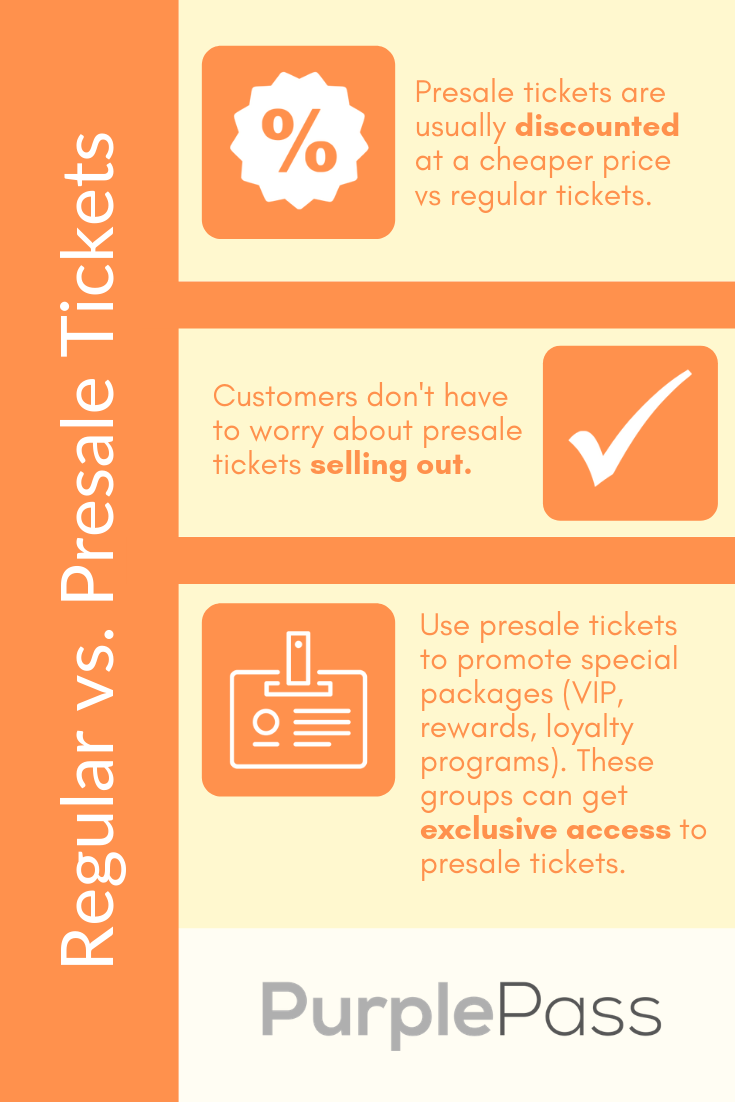
For the consumer, participating in a pre-sale is an act of early capital allocation. By committing funds months in advance, the buyer is essentially trading liquidity for price certainty. In a market where “dynamic pricing” algorithms can cause ticket prices to skyrocket within minutes of a general public release, the pre-sale often acts as a price floor, offering tickets at their intended MSRP (Manufacturer’s Suggested Retail Price) before market sentiment drives them upward.
Market Testing and Price Discovery
Pre-sales also serve as a sophisticated form of market research. By observing the velocity and volume of pre-sale transactions, event organizers can gauge the true demand for an event. If a pre-sale sells out in minutes, promoters might add additional dates or adjust the “platinum” pricing tiers for the general sale. This data-driven approach allows the industry to maximize revenue per seat, making the pre-sale a pivotal moment for price discovery in the entertainment ecosystem.
The Financial Advantages of Early Access
For the individual consumer, the primary motivation for engaging in a pre-sale is the preservation of capital. The live event industry has become increasingly stratified, and those who wait for the general sale often find themselves paying a “procrastination tax.”
Avoiding Dynamic Pricing and Scalper Markups
One of the most significant shifts in the ticketing industry is the adoption of dynamic pricing. Similar to airline seats or hotel rooms, ticket prices can fluctuate based on real-time demand. During a high-profile general sale, the surge in traffic often triggers these algorithms, causing the “face value” of a ticket to double or triple in a matter of seconds.
Pre-sales typically bypass the most aggressive tiers of dynamic pricing. While some “Platinum” or “VIP” pre-sales exist, the standard artist or credit card pre-sale usually offers a fixed price. By securing tickets during this window, consumers avoid the inflated costs of the secondary market, where resellers often list tickets at 200% to 500% of their original value. In this context, a pre-sale is a direct defensive maneuver for your personal finances.
Maximizing ROI on Entertainment Spending
When viewing entertainment as an investment in one’s quality of life, the Return on Investment (ROI) is maximized when the cost is minimized. Pre-sales often provide access to better seating tiers at lower price points. A front-row seat purchased at pre-sale MSRP offers significantly more value than a nosebleed seat purchased at a markup on a resale site. By mastering the pre-sale circuit, consumers ensure that every dollar spent on entertainment yields the highest possible experiential return.
Strategies for Accessing Pre-Sale Opportunities
Accessing a pre-sale is rarely a matter of luck; it is a matter of strategic positioning. Most pre-sales are gated by specific financial or social affiliations, each requiring a different level of investment.
Credit Card Partnerships and Financial Perks

One of the most common and reliable ways to enter the pre-sale market is through premium credit card memberships. Financial institutions like American Express, Chase, and Citi have long recognized that exclusive access to entertainment is a powerful tool for customer retention.
These banks pay significant sums to partner with ticketing platforms like Ticketmaster and Live Nation. For the cardholder, this is a tangible financial perk that justifies the annual fee of the card. From a personal finance perspective, using a “preferred” card to access a pre-sale is a double win: you secure the ticket at a lower price and earn high-yield rewards points or cash back on the transaction. For many high-net-worth individuals, the value of pre-sale access alone can offset the entire cost of a premium card’s annual fee.
Fan Club Memberships as a Strategic Investment
Many artists operate “fan clubs” or mailing lists that offer first-look access to tickets. While some of these are free, others require a paid annual subscription. While paying for the right to buy something might seem counterintuitive, it is often a sound financial move.
If a fan club membership costs $50 and grants access to a pre-sale where tickets are $100 cheaper than they will be on the secondary market, the “investment” has a 100% immediate return. For fans of major touring acts, these memberships are a form of insurance against the high costs of the open market.
The Role of Pre-Sales in the Ticket Resale Side Hustle
For a growing number of individuals, ticket pre-sales are not just about attending an event; they are about generating income. The ticket resale market is a multi-billion dollar industry built on the principles of supply and demand, and pre-sales are the primary point of entry for those looking to build a side hustle.
Identifying High-Demand Events
Successful ticket reselling—often referred to as “flipping”—requires a deep understanding of market trends. Resellers look for “undersupplied” markets: artists who haven’t toured in years, venues with limited capacity, or “one-night-only” performances. Accessing these tickets during a pre-sale is the only way to acquire inventory at a price point that allows for a profit margin.
In this business model, the pre-sale is the “buy low” phase of the “buy low, sell high” mantra. By using multiple pre-sale codes (often acquired through various credit cards or fan club tiers), resellers accumulate inventory that will inevitably appreciate in value once the general sale sells out.
Managing Risk and Liquidity in the Secondary Market
However, ticket reselling is not without financial risk. It requires significant upfront capital and an understanding of the legal landscape, including state-specific laws regarding resale caps. A pre-sale purchase is a commitment of liquidity; if the event does not sell out or if the artist’s popularity wanes, the reseller may be forced to sell the tickets at a loss.
Professional resellers treat their ticket inventory like a stock portfolio. They diversify across different genres and regions, and they use the pre-sale window to “lock in” their cost basis. The goal is to identify the “delta” between the pre-sale price and the projected secondary market value.
Long-term Financial Planning for Live Entertainment
As the cost of live events continues to outpace inflation, consumers must view ticketing through the lens of long-term financial planning. The days of deciding to attend a concert on the day of the show are largely over for high-demand acts.
Budgeting for the “Pre-Sale Season”
Major tours are often announced in clusters. For many, this can lead to a significant “cash crunch” where multiple pre-sales for different events happen in the same week. A robust personal finance strategy involves maintaining an “entertainment fund”—a liquid savings account specifically earmarked for these opportunities. By having the capital ready for a pre-sale, you avoid the need to use high-interest credit card debt to fund a last-minute purchase during the general sale.

The Value of Timing
In the world of finance, timing is everything. The ticket pre-sale is the ultimate timing tool. It allows the consumer to step out of the chaotic, high-pressure environment of the general public sale and into a more controlled, predictable transaction. Whether you are a fan looking to save money or an entrepreneur looking to make it, the pre-sale is the most important gatekeeper in the modern economy of live entertainment.
By understanding the “what” and “why” of ticket pre-sales, you transform from a passive consumer into an active market participant. You gain the ability to navigate the complexities of the ticketing industry with professional-grade insight, ensuring that your financial resources are used as effectively as possible in the pursuit of the experiences that matter most.
aViewFromTheCave is a participant in the Amazon Services LLC Associates Program, an affiliate advertising program designed to provide a means for sites to earn advertising fees by advertising and linking to Amazon.com. Amazon, the Amazon logo, AmazonSupply, and the AmazonSupply logo are trademarks of Amazon.com, Inc. or its affiliates. As an Amazon Associate we earn affiliate commissions from qualifying purchases.