
In the culinary world, a test kitchen is a place of rigorous experimentation, where ingredients are measured, techniques are refined, and recipes are perfected before they ever reach a restaurant table. In the fast-paced world of technology, this concept has been adopted and transformed into a vital pillar of the industry. A “tech test kitchen”—more commonly known as an R&D lab, an innovation hub, or a sandbox environment—serves as the foundational space where the next generation of software, hardware, and artificial intelligence is conceptualized, broken, and rebuilt.
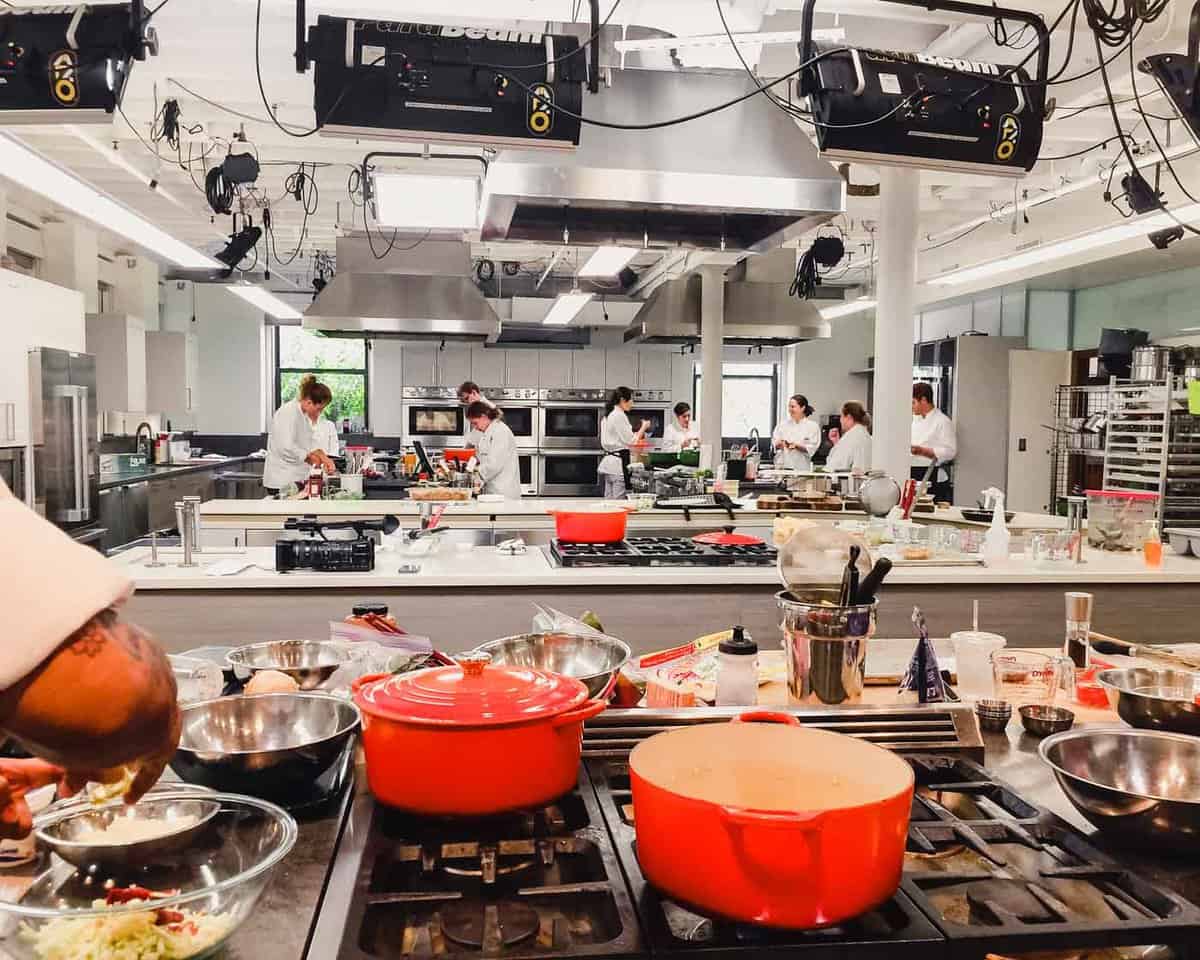
As digital transformation accelerates, understanding what a test kitchen means in a technological context is essential for developers, CTOs, and tech enthusiasts alike. It is the bridge between a raw idea and a market-ready product, ensuring that innovation is not just creative, but functional, scalable, and secure.
Defining the Digital Test Kitchen: Beyond Software Development
At its core, a tech test kitchen is a controlled environment designed specifically for experimentation. Unlike a production environment, where stability is the highest priority, a test kitchen is built for volatility. It is a place where “failing fast” is not just permitted but encouraged.
The Sandbox Environment: Safety in Experimentation
In the tech sector, the most common form of a test kitchen is the “sandbox.” This is an isolated testing environment that enables users to run programs or execute files without affecting the application, system, or platform on which they run. Just as a physical test kitchen prevents a burnt dish from ruining a restaurant’s reputation, a digital sandbox ensures that a piece of malicious or buggy code does not crash a company’s entire infrastructure. Software engineers use these environments to “taste-test” new features, checking for compatibility issues and security vulnerabilities before the code moves further down the pipeline.
Rapid Prototyping: From Concept to Code
Another facet of the tech test kitchen is the focus on rapid prototyping. In this stage, the goal is not to create a finished product but to build a “Minimum Viable Product” (MVP). This allows teams to visualize the user interface (UI) and user experience (UX) early in the cycle. By iterating quickly in a “kitchen” setting, developers can pivot their strategy based on real-time feedback, saving hundreds of hours of coding that might otherwise have been spent on a feature that users don’t actually want or need.
The Components of a Tech Test Kitchen
A successful tech test kitchen requires more than just a dedicated server; it requires a specific set of tools and a diverse group of experts who can look at a problem from multiple angles.
Cutting-Edge Infrastructure and Toolsets
The “appliances” of a tech test kitchen are its infrastructure. This includes high-performance computing clusters for training AI models, cloud-based environments like AWS or Microsoft Azure for testing scalability, and automated testing suites that can run thousands of simulations in minutes. For hardware-focused labs, this might also involve 3D printers for rapid casing prototypes or specialized sensory equipment for Internet of Things (IoT) devices. The hallmark of these tools is flexibility; they must be able to adapt to the shifting needs of a project as it evolves from a rough sketch to a polished prototype.
Interdisciplinary Teams: The “Chefs” of Innovation
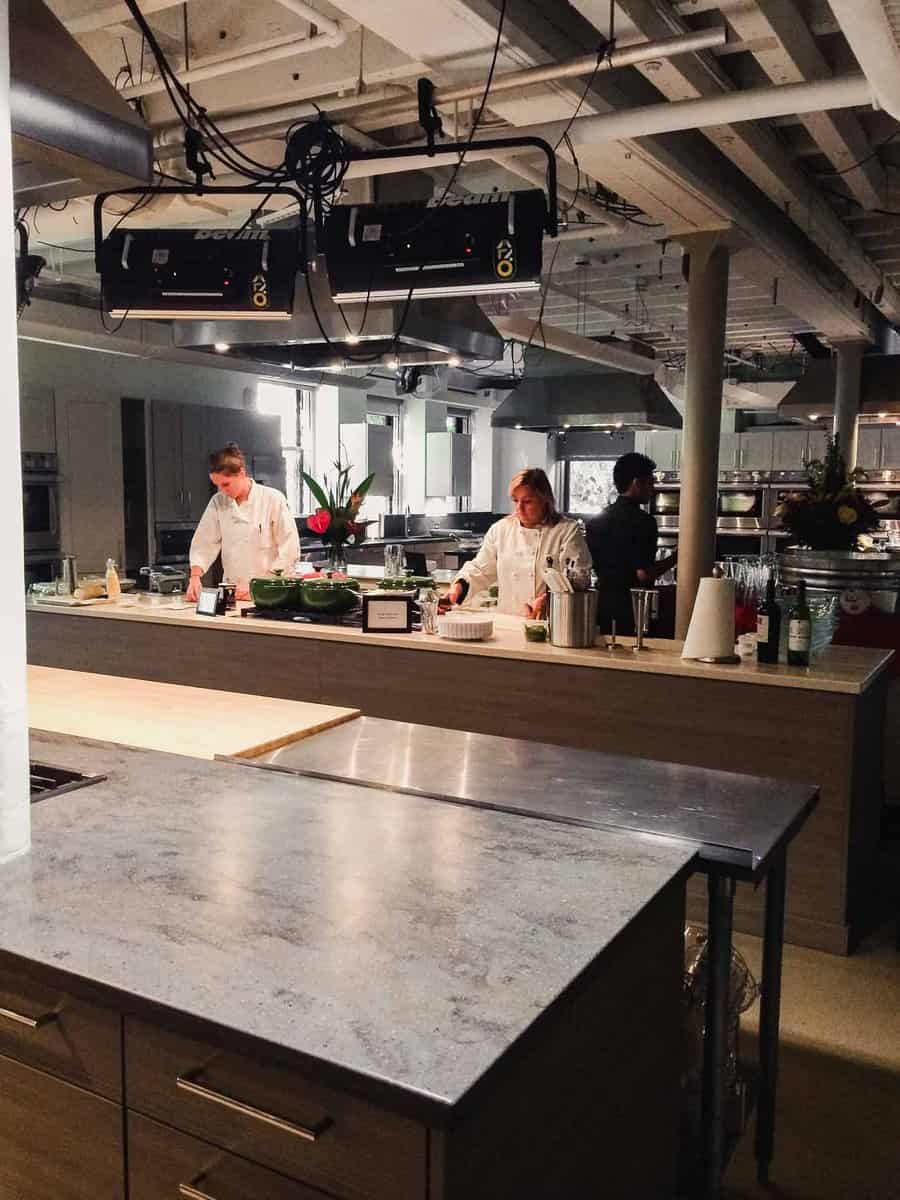
In a traditional test kitchen, you have pastry chefs, sauciers, and executive chefs. In a tech test kitchen, the roles are equally specialized but focused on the digital stack. You have Data Scientists who analyze the “ingredients” (data sets), UX Designers who focus on the “presentation” (interface), and Cyber Security Analysts who ensure the “kitchen” is sterile (protected from threats). The synergy between these disciplines is what allows a tech test kitchen to produce holistic solutions. When a developer works in a vacuum, they might create something functional but unusable; when they work in a test kitchen environment, the collaborative friction leads to a more refined “flavor profile” for the final product.
Why Tech Giants and Startups Need Experimental Hubs

The pressure to release new features and products in the tech industry is immense. However, moving too fast without a dedicated testing space can lead to catastrophic failures. The test kitchen serves as a critical buffer.
Risk Mitigation and Stress Testing
One of the primary functions of a test kitchen is stress testing. Before a new app is released to millions of users, it must be subjected to simulated high-traffic events to see where it breaks. This “load testing” mimics the dinner rush in a physical kitchen, identifying bottlenecks in the system. By identifying these weaknesses in a controlled environment, companies avoid the massive financial and reputational damage associated with global outages or data breaches.
Cultivating a Culture of Failure-Forward Thinking
Beyond the technical benefits, a test kitchen fosters a specific corporate culture. In many corporate environments, failure is stigmatized. In an innovation lab, however, a “failed” experiment is viewed as a successful data point. This psychological safety allows engineers to try unorthodox approaches—such as applying a new AI algorithm to an old database problem—without the fear of repercussions. Many of the world’s most successful tech features, from Gmail’s “Undo Send” to the “Like” button, originated as “side dishes” in a test kitchen environment.
Real-World Applications: From AI Labs to Beta Programs
To truly understand what a tech test kitchen looks like, we can look at the industry leaders who have mastered the art of digital experimentation.
Large Language Models and Prompt Engineering “Kitchens”
In the current era of Artificial Intelligence, companies like OpenAI and Google operate massive “kitchens” for their Large Language Models (LLMs). Before a model like GPT-4 or Gemini is released to the public, it undergoes a process known as RLHF (Reinforcement Learning from Human Feedback). This is essentially a taste-testing phase where human trainers interact with the AI, grading its responses and “seasoning” the model to be more helpful and less biased. These labs are the most sophisticated test kitchens in existence, processing trillions of data points to find the perfect balance of creativity and factual accuracy.
Hardware Labs: Prototyping the Future of Wearables
For companies like Apple or Meta, the test kitchen involves physical spaces filled with specialized equipment. When developing augmented reality (AR) glasses, for example, these companies build “living room” simulators to see how the hardware interacts with different lighting conditions and furniture layouts. They test the ergonomics of the devices over long periods, much like a chef would test how a heavy pan feels in a cook’s hand after an eight-hour shift. These labs ensure that when the technology finally reaches the consumer, it feels like a natural extension of their daily life.
Building Your Own Tech Test Kitchen
You don’t need the budget of a Fortune 500 company to implement the principles of a test kitchen. For startups and mid-sized tech firms, the “kitchen” is more of a methodology than a physical location.
Establishing Objectives and KPIs
Every experiment in the kitchen must have a goal. Are you testing for speed? Security? User engagement? By setting clear Key Performance Indicators (KPIs) for your testing phases, you ensure that experimentation doesn’t turn into aimless wandering. A tech test kitchen should be a structured environment where every “recipe” has a hypothesis that is either proven or disproven by the end of the sprint.
Scaling from Experiment to Production
The most difficult part of the test kitchen process is moving the “dish” to the “main menu.” This is known as the transition from development to production (DevOps). A successful tech test kitchen has a clear pipeline for scaling experiments. This involves rigorous documentation, version control (using tools like Git), and continuous integration/continuous deployment (CI/CD) practices. The goal is to ensure that the “recipe” created in the small, controlled environment of the kitchen can be replicated perfectly a million times over in the real world.
Conclusion
A test kitchen in the technology sector is far more than just a place to check for bugs. It is a sanctuary for innovation, a laboratory for risk management, and a proving ground for the future of human-computer interaction. By treating software and hardware development with the same rigor, creativity, and iterative focus as a world-class chef treats a new menu, tech companies can ensure they are not just releasing products, but crafting experiences that are robust, intuitive, and revolutionary. Whether it is a sandbox for a new app or an R&D lab for quantum computing, the “test kitchen” remains the most important room in the house of technology.
aViewFromTheCave is a participant in the Amazon Services LLC Associates Program, an affiliate advertising program designed to provide a means for sites to earn advertising fees by advertising and linking to Amazon.com. Amazon, the Amazon logo, AmazonSupply, and the AmazonSupply logo are trademarks of Amazon.com, Inc. or its affiliates. As an Amazon Associate we earn affiliate commissions from qualifying purchases.