
The transition toward electric mobility has necessitated a complete rethinking of how we “fuel” our vehicles. Unlike internal combustion engine (ICE) vehicles that rely on high-throughput petrol stations, electric vehicles (EVs) utilize a distributed energy model. At the heart of Tesla’s infrastructure strategy lies a dual-pronged approach: the high-speed Supercharger network for long-distance travel and the Destination Charging network for stationary, long-duration stops.
A Tesla Destination Charger is a Level 2 charging solution designed for locations where drivers typically spend several hours or overnight, such as hotels, restaurants, vineyards, and parking garages. While it lacks the raw speed of a Supercharger, its technological sophistication, hardware reliability, and seamless integration into the Tesla software ecosystem make it a cornerstone of modern EV tech.
The Engineering Behind the Hardware: The Tesla Wall Connector
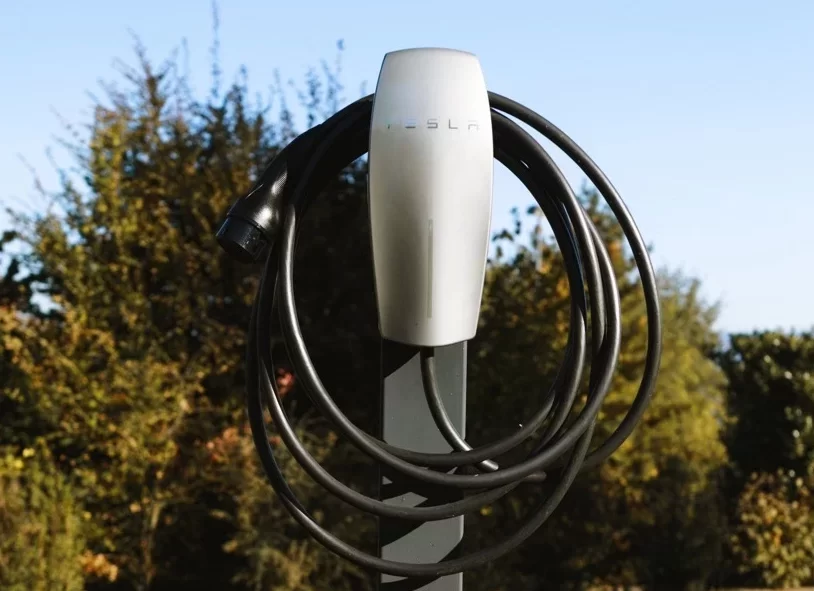
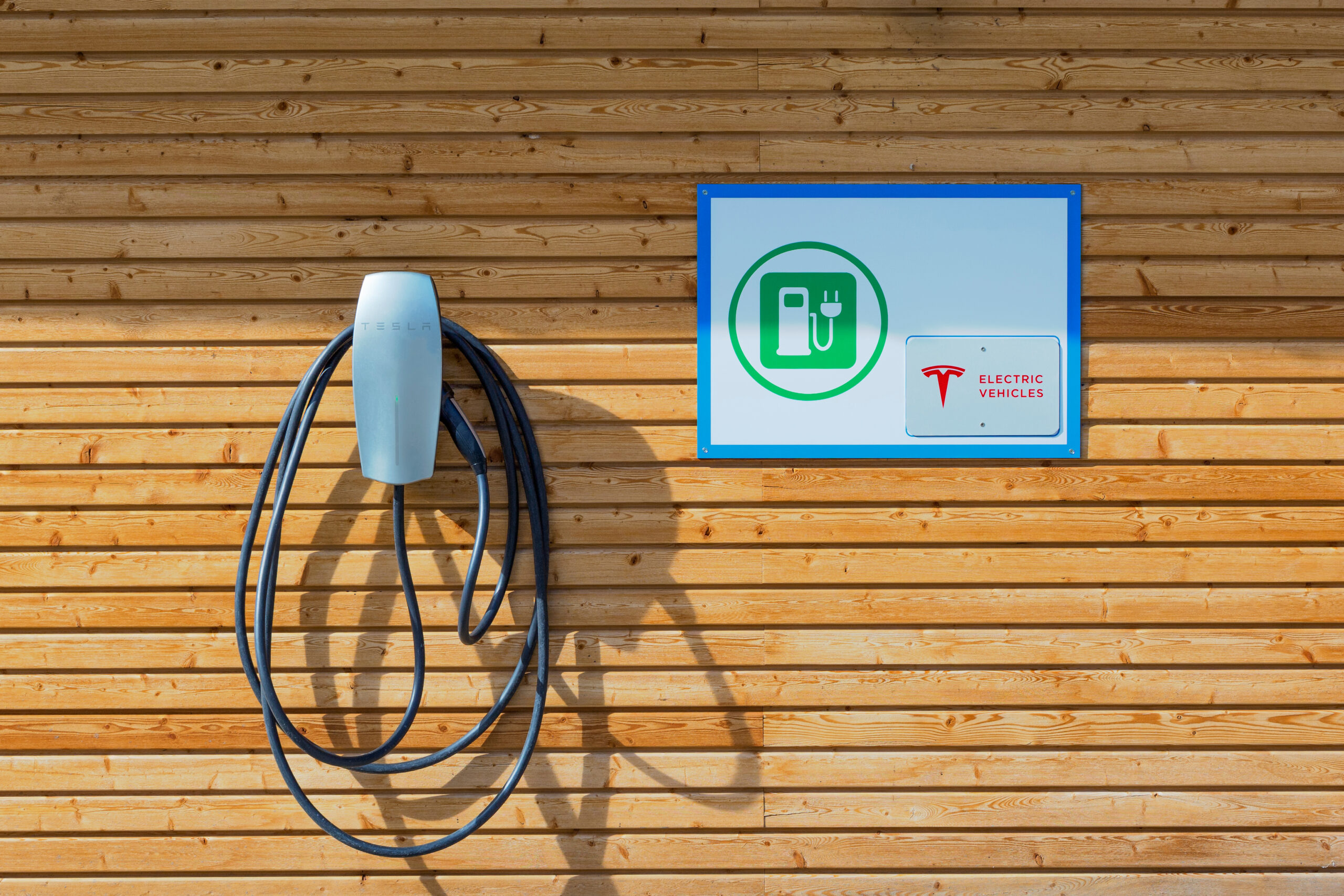
To understand what a Destination Charger is, one must first look at the hardware that powers it. Technically, a “Destination Charger” is simply a Tesla Wall Connector—a compact, sleek, and high-performance charging unit—installed at a commercial site through a partnership with Tesla.
The Evolution of the Wall Connector
The current iteration, the Gen 3 Wall Connector, represents a significant leap in charging hardware. It utilizes a lightweight, flexible cable and a tempered white glass faceplate. Under the hood, the tech is designed for versatility. It can be configured to various circuit breakers, allowing it to provide up to 11.5 kW of power (48 amps) depending on the site’s electrical capacity. This power level is ideal for “replenishment” charging, adding approximately 30 to 44 miles of range per hour, ensuring a full battery after an overnight stay or a long dinner.
Smart Connectivity and Over-the-Air Updates
One of the defining tech features of the Destination Charger is its built-in Wi-Fi connectivity (2.4 GHz). This allows the unit to receive over-the-air (OTA) firmware updates, much like the vehicles themselves. These updates can improve safety protocols, enhance thermal management during high-load periods, and introduce new software features without requiring a technician to visit the site. This connected nature ensures that the hardware remains compatible with future vehicle models and evolving power grid standards.
The Technology of the Destination Charging Network
The “network” aspect of Destination Charging is what separates it from a standard home charger. Tesla utilizes a sophisticated software backend to manage thousands of these chargers globally, providing a seamless user experience that is deeply integrated into the car’s operating system.
Seamless Software Integration and Navigation
When a driver enters a destination into a Tesla’s onboard computer, the Trip Planner doesn’t just look for Superchargers; it identifies Destination Chargers at the final stop. The tech synergy here is vital. The car’s navigation system provides real-time data on these chargers, including their location within a parking complex and their power output. By the time the driver arrives, the vehicle’s thermal management system has already optimized the battery for the specific charging profile of a Level 2 unit, ensuring maximum efficiency from the moment of plug-in.
Intelligent Power Sharing and Load Management
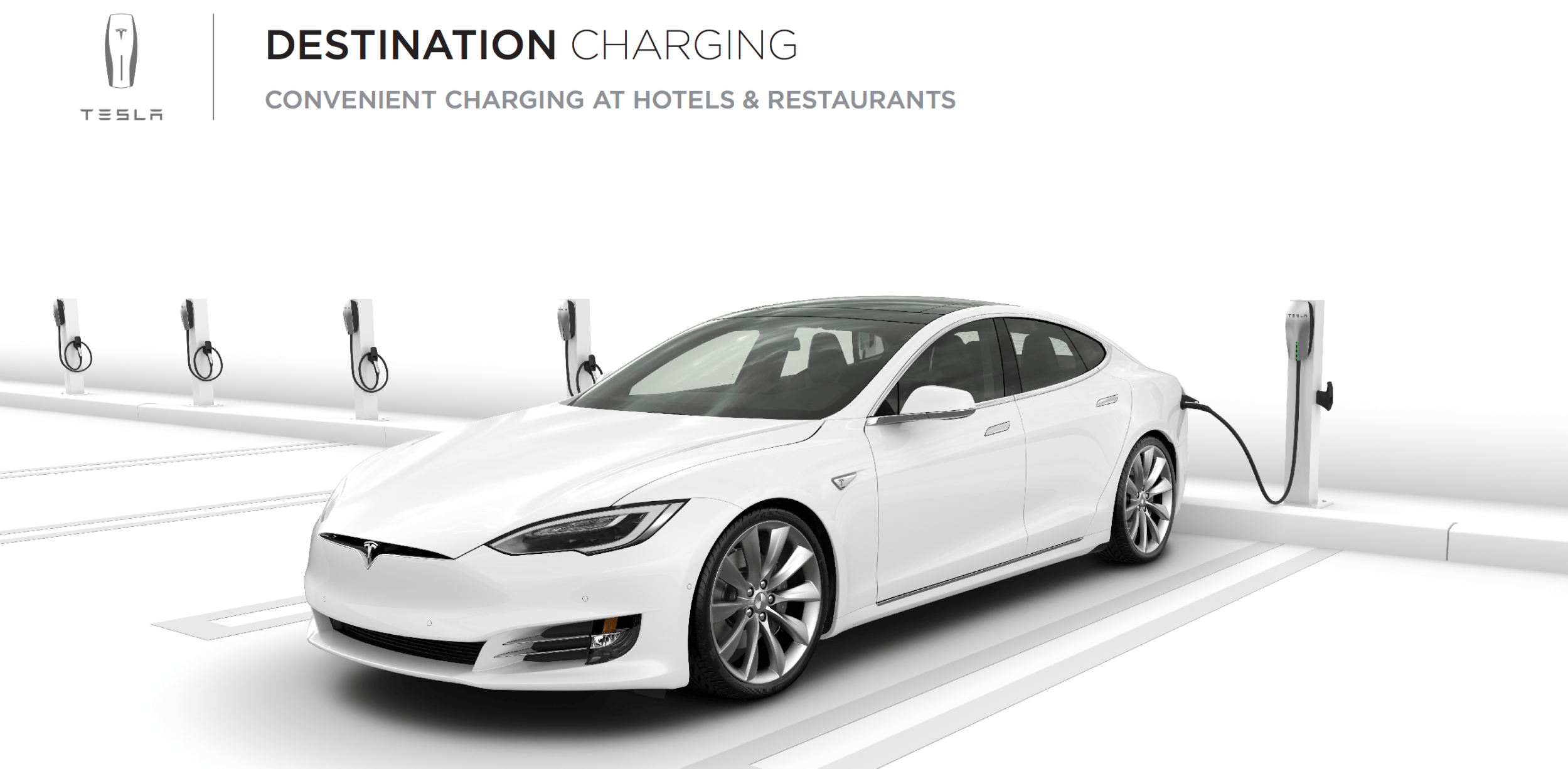
At locations with multiple Destination Chargers, Tesla employs advanced “Power Sharing” technology. This is a software-driven load management system that allows up to 16 Wall Connectors to share power from a single circuit. Instead of requiring a massive (and expensive) electrical upgrade for the building, the chargers communicate with one another wirelessly. They dynamically distribute the available current based on how many vehicles are plugged in and their respective states of charge. If one car is nearly full and another is at 10%, the system intelligently routes more amperage to the car that needs it most, showcasing a high level of autonomous electrical engineering.
Comparative Analysis: Destination Charging vs. Supercharging
From a technical standpoint, the difference between a Destination Charger and a Supercharger is the difference between Alternating Current (AC) and Direct Current (DC). This distinction is fundamental to how EV batteries function and how infrastructure is deployed.
AC vs. DC Power Conversion
A Tesla Destination Charger delivers AC power to the vehicle. Because lithium-ion batteries store energy as DC, the car must convert that power using its internal “onboard charger.” This conversion process is limited by the vehicle’s hardware, which is why Destination Chargers have a lower power ceiling. In contrast, a Supercharger converts AC to DC externally within the large charging cabinet and feeds the battery directly. The Destination Charger’s tech is designed for “slow and steady” energy delivery, which reduces the electrical strain on the local grid and the vehicle’s internal components.
Thermal Management and Battery Longevity
While Supercharging is essential for road trips, it generates significant heat due to the high-amperage DC flow, requiring the vehicle’s cooling pumps to run at maximum capacity. Destination Charging, being a lower-power AC process, is much “gentler” on the battery’s chemistry. Technically speaking, frequent use of Level 2 charging like that found at Destination sites can help maintain the long-term health of the battery cells by minimizing the thermal cycles and high-voltage stress associated with rapid DC charging.
Integration and Compatibility Standards
As the EV landscape evolves, the technology behind the Tesla Destination Charger has moved from a “walled garden” toward an industry-standard benchmark. The hardware and the connector itself are at the center of a massive shift in North American charging standards.
The North American Charging Standard (NACS)
For years, the Tesla Destination Charger used a proprietary plug. However, Tesla has recently opened its design to the industry, rebranding it as the North American Charging Standard (NACS). This means the tech inside a Destination Charger is now the blueprint for almost all future EVs in the North American market. Major manufacturers like Ford, GM, and Rivian are adopting this port, which will eventually allow non-Tesla vehicles to use Destination Chargers natively, provided the site owner enables “open access” through the Tesla software.
Cross-Platform Interoperability
Even before the universal adoption of NACS, Destination Chargers were highly adaptable. Using a simple J1772 adapter, non-Tesla EVs have long been able to utilize the AC power from these units. The technological challenge has always been the “handshake”—the digital communication between the charger and the car to verify safety and current limits. Tesla’s Destination Chargers are designed with a robust communication protocol that ensures safety even when adapting between different physical plug standards.
The Future of Smart Charging Technology
The future of the Destination Charging network lies in its potential to act as more than just a power source. As we move toward a smarter grid, these chargers will become active nodes in a decentralized energy ecosystem.
Artificial Intelligence and Predictive Charging
Future iterations of Destination Charging software are expected to leverage AI to predict charging demand based on hotel booking data or local event schedules. By analyzing historical usage patterns, the network can pre-allocate power or suggest “optimal plug-in times” to guests to ensure that the entire fleet of vehicles at a location is charged by morning without exceeding the building’s peak demand limits. This type of predictive tech is essential for the scaling of EV infrastructure in urban environments.
Bidirectional Power and V2X
While currently in the experimental and early-rollout stages, the tech roadmap for Tesla’s charging hardware includes bidirectional capabilities. This would allow a Destination Charger to not only pull power from the grid to the car but also pull power from the car back to the building (Vehicle-to-Building) or the grid (Vehicle-to-Grid). Imagine a resort during a peak-load heatwave; the Destination Chargers could theoretically draw small amounts of energy from parked Teslas to stabilize the hotel’s HVAC system, turning the charging network into a giant, distributed battery backup.
In conclusion, a Tesla Destination Charger is far more than a simple plug in a wall. It is a sophisticated piece of power electronics integrated into a global software network. By balancing the needs of the electrical grid, the chemistry of the vehicle’s battery, and the convenience of the driver, it represents the vital “stationary” component of the electric revolution. As NACS becomes the standard and software continues to optimize energy flow, these chargers will remain the silent, essential backbone of the high-tech transportation landscape.
aViewFromTheCave is a participant in the Amazon Services LLC Associates Program, an affiliate advertising program designed to provide a means for sites to earn advertising fees by advertising and linking to Amazon.com. Amazon, the Amazon logo, AmazonSupply, and the AmazonSupply logo are trademarks of Amazon.com, Inc. or its affiliates. As an Amazon Associate we earn affiliate commissions from qualifying purchases.