
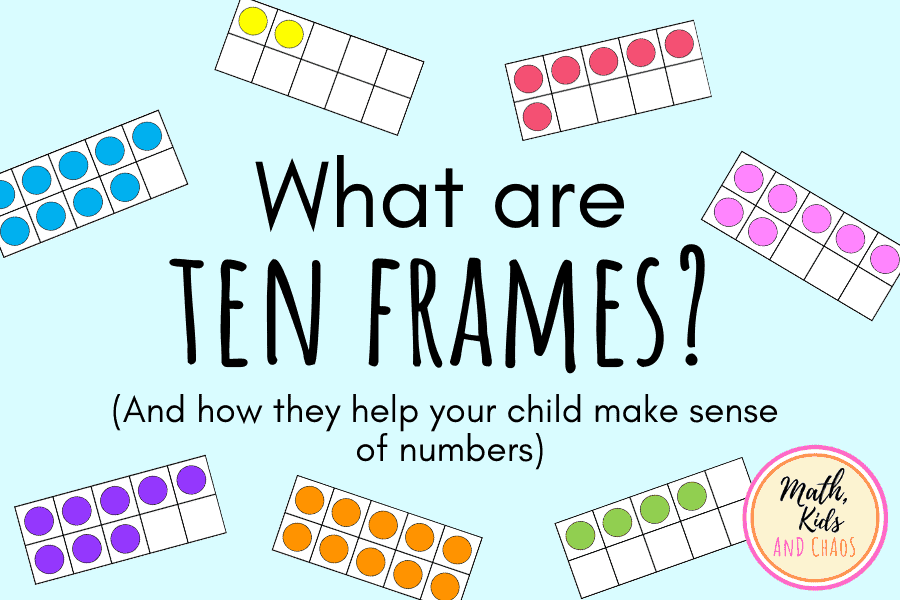
In the landscape of educational technology (EdTech), the simplest concepts often yield the most profound digital innovations. At its core, a “ten frame” is a mathematical visualization tool—a simple two-by-five rectangular grid used to help students understand number sense, place value, and the foundations of arithmetic. However, in the contemporary tech sector, the ten frame has evolved from a piece of cardboard and plastic counters into a sophisticated digital asset.
As we move deeper into the era of digitized classrooms and AI-driven pedagogy, understanding the ten frame requires looking beyond the grid. It involves analyzing how software developers, UI/UX designers, and data scientists are utilizing this fundamental framework to build adaptive learning platforms that define the future of early childhood education.
The Architecture of a Ten Frame: From Physical Grids to Digital Interfaces
The ten frame is more than just a box; it is a visual representation of the base-ten number system that governs global mathematics and computing. Historically, these were tactile tools. Today, they are the building blocks of early-stage EdTech software.
Defining the Visual Logic of the 2×5 Array
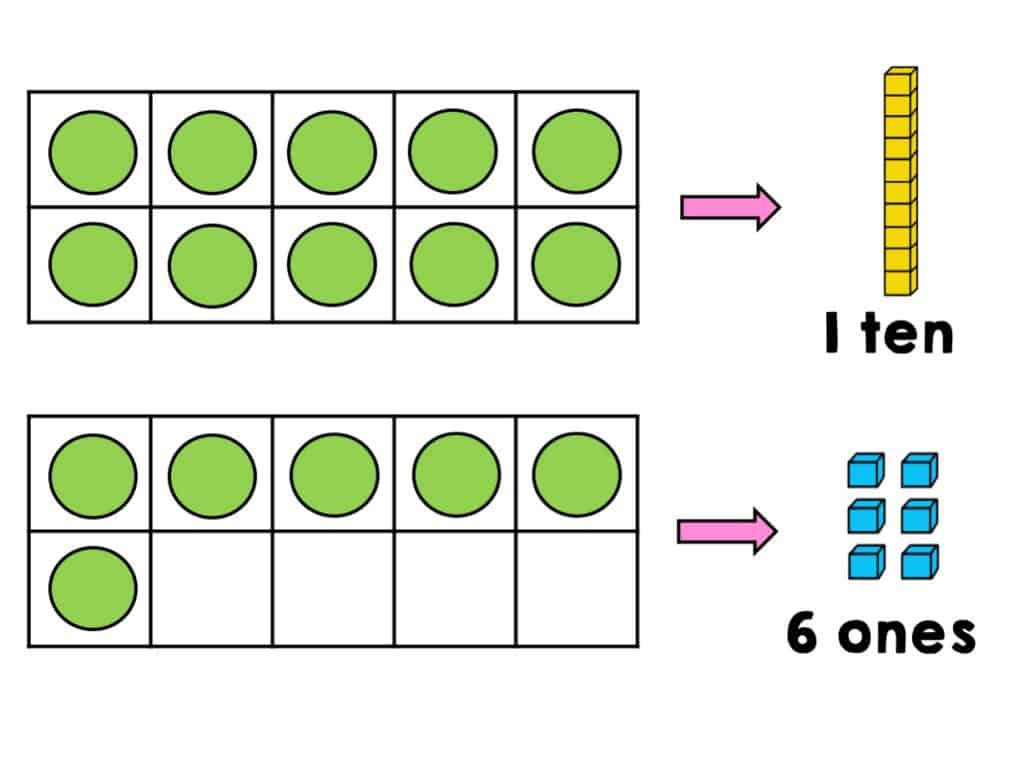
Technically, a ten frame is a data visualization tool designed for the human brain’s subitizing capabilities—the ability to recognize a small group of objects without counting them individually. By arranging “counters” (digital nodes) within a 2×5 grid, the software allows a user to see “5” as a full row and “10” as a full frame. In software architecture, this represents a fixed-set visualization that simplifies complex mental processing. When developers translate this to an app, they are essentially creating a graphical user interface (GUI) that mirrors cognitive development patterns.
The Shift from Tactile to Digital Interaction
The transition from physical manipulatives to digital ten frames has revolutionized how data is collected in the classroom. When a child moves a physical counter, the data is lost the moment the lesson ends. In a digital environment—whether via a tablet app or a web-based portal—every interaction with the ten frame is a data point. The “drag-and-drop” functionality, the speed of completion, and the specific sequence of filling the frame are all captured by the backend, providing a granular view of a student’s logical progression that physical tools simply cannot offer.
Integrating Ten Frames into the EdTech Ecosystem
The modern ten frame exists within a broader ecosystem of software-as-a-service (SaaS) platforms and interactive learning management systems (LMS). It is no longer a standalone tool but a component of a comprehensive digital curriculum.
Interactive Whiteboard Integration and Gamification
One of the primary drivers of the ten frame’s digital adoption is the rise of interactive whiteboards and synchronized classroom devices. Companies like Promethean and SMART Technologies have integrated virtual ten frames into their software suites, allowing for real-time collaborative mathematics.
Furthermore, gamification has turned the ten frame into a core mechanic of educational gaming. By adding reward systems, haptic feedback, and time-based challenges to the ten-frame grid, developers increase user engagement. This tech-driven approach transforms a static math concept into a dynamic experience, leveraging the same psychological triggers found in professional-grade productivity apps and consumer technology.
SaaS Platforms and Adaptive Learning Algorithms
The most significant technological leap for the ten frame is its role in adaptive learning. Leading EdTech platforms use the ten frame as an assessment vector. If a student consistently struggles to fill a ten frame to represent the number “8,” the underlying algorithm identifies a gap in “composing and decomposing” numbers.
The software then automatically adjusts the difficulty level or provides targeted video tutorials. This is the essence of personalized learning technology: using a simple 10-cell grid as a diagnostic interface to feed an AI engine that tailors the educational experience to the individual user.
The UI/UX Science Behind Virtual Ten Frames
Designing a digital ten frame is not as simple as drawing a box on a screen. It requires a deep understanding of User Experience (UX) and User Interface (UI) design principles, specifically tailored for early learners who may not yet possess advanced motor skills.
Cognitive Load and Minimalist Digital Design
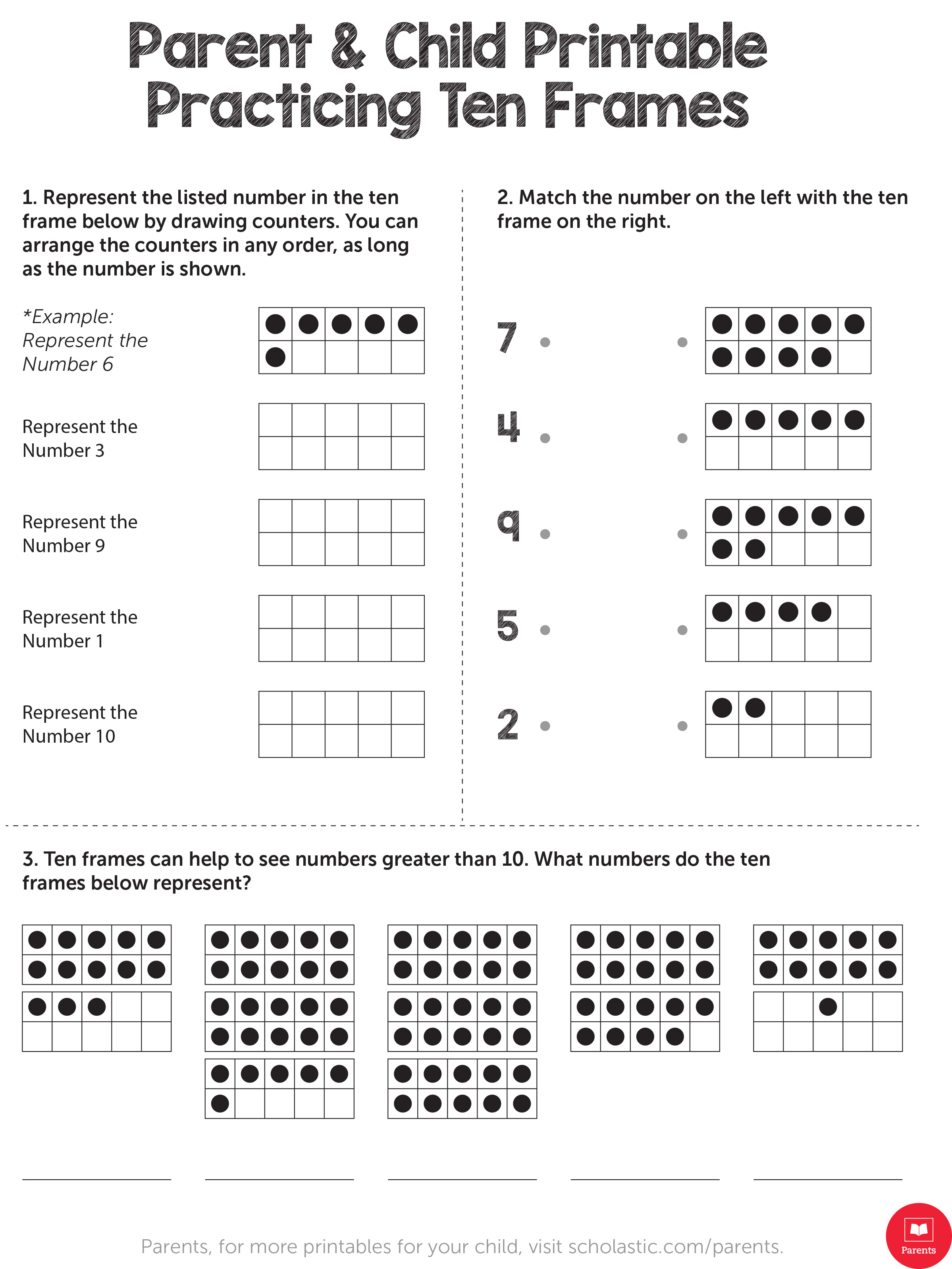
In the world of software development, “cognitive load” refers to the amount of mental effort being used in the working memory. A poorly designed digital ten frame—one with too many bright colors, distracting animations, or complex menus—increases cognitive load and hinders learning.
High-quality educational apps utilize minimalist design. The ten frame remains the focal point, with high-contrast colors (often red and yellow counters against a black or blue frame) to ensure visual clarity. This adherence to clean UI principles ensures that the technology facilitates the learning process rather than distracting from it.
Accessibility Standards in Educational Software
Digital ten frames must also adhere to strict accessibility standards, such as the Web Content Accessibility Guidelines (WCAG). For EdTech developers, this means ensuring that virtual ten frames are compatible with screen readers, offer keyboard-navigable options for students with motor impairments, and provide high-contrast modes for students with visual sensitivities. This focus on “Inclusive Tech” ensures that the ten frame remains a universal tool, regardless of the user’s physical or neurological requirements.
AI and the Future of Visual Mathematics
As we look toward the horizon of educational technology, the ten frame is poised to become even more intelligent. The integration of Artificial Intelligence (AI) and Machine Learning (ML) is transforming the grid into a predictive tool.
Automated Feedback Loops for Early Learners
Future iterations of digital ten frames will likely utilize “Computer Vision.” Imagine a student using a tablet camera to scan a physical ten frame they have filled with real-world objects like coins or stones. An AI-powered app could instantly analyze the arrangement, provide verbal feedback, and log the progress into a digital portfolio. This bridge between the physical and digital worlds—often referred to as “Phygital” tech—represents the next frontier in interactive learning.
Data Analytics: Tracking Developmental Milestones Through App Usage
For school districts and educational institutions, the data generated by digital ten frames provides a macro-view of student performance. By aggregating anonymized data from thousands of users, EdTech companies can identify regional trends in numeracy development.
From a technical perspective, this involves robust backend data pipelines and sophisticated analytics dashboards. Administrators can see, in real-time, if a specific grade level is struggling with base-ten concepts across an entire district, allowing for rapid intervention and resource allocation. This level of oversight is only possible through the digitization of foundational tools like the ten frame.
Digital Security and Privacy in Early Learning Tools
As the ten frame becomes a digital asset, the tech industry must address the critical issue of data security and privacy, particularly since the primary users are minors.
Building a digital ten frame platform requires compliance with regulations such as the Children’s Online Privacy Protection Act (COPPA) in the United States and the General Data Protection Regulation (GDPR) in Europe. This means that the “tech” behind the math tool must include:
- End-to-End Encryption: Ensuring that student progress data is secure from the device to the server.
- Anonymized Data Sets: Protecting the identity of young learners while still allowing for algorithmic improvement.
- Secure Authentication: Implementing age-appropriate login methods that prevent unauthorized access to student records.
The “what is a ten frame” question, when viewed through a tech lens, reveals a complex intersection of pedagogy, software engineering, and data ethics.
Conclusion
The ten frame is no longer just a humble teaching aid; it is a sophisticated interface at the heart of the EdTech revolution. By digitizing this fundamental mathematical concept, the technology sector has provided educators with unprecedented tools for data analysis, gamification, and personalized instruction.
As AI continues to mature and UI/UX design becomes more refined, the virtual ten frame will continue to evolve. It stands as a testament to how even the most basic cognitive frameworks can be enhanced through digital innovation, proving that in the world of technology, the most powerful solutions are often built on the simplest grids. Whether it is through a SaaS platform, a mobile app, or an AI-driven diagnostic tool, the ten frame remains the gold standard for bridging the gap between human intuition and digital logic.
aViewFromTheCave is a participant in the Amazon Services LLC Associates Program, an affiliate advertising program designed to provide a means for sites to earn advertising fees by advertising and linking to Amazon.com. Amazon, the Amazon logo, AmazonSupply, and the AmazonSupply logo are trademarks of Amazon.com, Inc. or its affiliates. As an Amazon Associate we earn affiliate commissions from qualifying purchases.