
The culinary industry is frequently misunderstood as a purely creative endeavor, yet at its most successful, it is an exercise in meticulous brand strategy and consumer psychology. When analyzing menu staples like the “tempura roll,” one discovers a masterclass in product positioning. A tempura roll is not merely a combination of ingredients; it is a calculated vehicle for market penetration, designed to balance tradition with accessibility. By deconstructing the tempura roll through the lens of brand strategy, we can understand how restaurants use specific menu items to anchor their brand identity, influence customer purchasing behavior, and optimize profitability.
The Anatomy of a Market-Facing Product
In the context of restaurant branding, the tempura roll serves as an “entry-level” premium product. It bridges the gap between the intimidating complexity of traditional sushi and the comfort-food sensibilities of the mass market.
Ingredients as Brand Equity
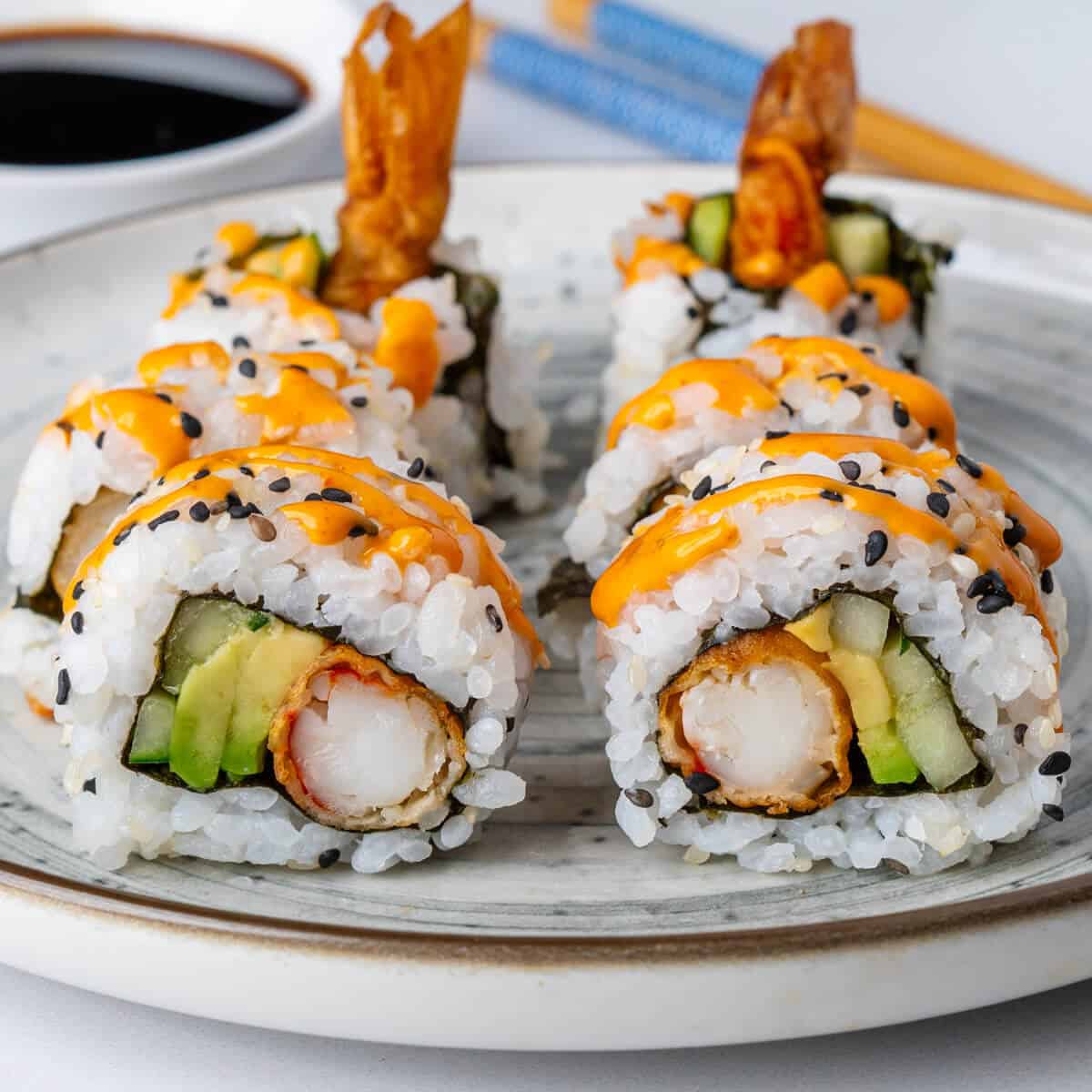
The defining characteristic of a tempura roll is the integration of fried elements—usually shrimp—wrapped in vinegared rice and nori. From a product design perspective, this is a brilliant strategic choice. The crunch of the tempura satisfies the sensory expectations of a demographic accustomed to Western fried foods, while the raw or cooked seafood maintains the “authenticity” branding of a sushi establishment. This hybrid approach lowers the barrier to entry for the consumer, reducing “decision anxiety” and increasing the likelihood of an initial transaction.
Scaling the Menu Value Proposition
For a restaurant brand, the tempura roll is often used as a flagship item in the “specialty roll” category. Because tempura is labor-intensive and visually distinct, it commands a higher price point than basic nigiri or simple maki rolls. By branding this item as a signature offering, restaurants signal quality and craftsmanship to the customer. The perceived value of the roll justifies a premium price, effectively increasing the average check size without requiring a fundamental change in the core supply chain.
Strategic Pricing and Psychology: The Role of the Tempura Roll
A restaurant’s menu is essentially a sales funnel. Every item serves a specific purpose in guiding the customer toward the most profitable path. The tempura roll occupies a critical middle ground in this funnel, acting as an anchor for the menu’s pricing architecture.
The Decoy Effect in Sushi Menus
By placing a moderately priced tempura roll next to high-cost, high-margin items like omakase platters or premium sashimi, restaurants create a “contrast effect.” The tempura roll feels like a safe, intelligent choice to the consumer who wants quality but is price-sensitive. This psychological positioning is a staple of effective branding; it makes the menu feel approachable while subtly steering customers toward items that provide the highest return on investment for the operator.
High-Margin Consistency
From a business finance standpoint, the tempura roll is an ideal candidate for standardization. Unlike delicate nigiri, which relies heavily on the fluctuating price and quality of fresh, seasonal fish, the tempura roll relies on breading, deep-frying, and consistent assembly. This allows for predictable food costs and minimized waste. By emphasizing the tempura roll in marketing materials—such as social media imagery or table signage—a restaurant brand can push high-margin, low-waste inventory, thereby optimizing the bottom line.

Brand Positioning: From Niche to Mainstream
The evolution of the tempura roll in the Western market represents a successful case study in brand localization. Originally an outlier in traditional Japanese cuisine, the tempura roll has been repositioned as a ubiquitous global commodity.
Adaptability and Localized Identity
Successful brands are those that can adapt without losing their core identity. The tempura roll is the ultimate chameleon of the sushi world. It can be adapted to local tastes—adding avocado for creaminess in North American markets, or incorporating spicy sauces for regions with a preference for heat. This flexibility allows a brand to maintain a consistent global image while catering to local consumer preferences, a core tenet of international marketing strategy.
The Visual Language of the Menu
In the digital age, a brand is defined as much by its visual assets as its service. The tempura roll is inherently “Instagrammable.” Its contrasting textures, the structural height of the fried shrimp tails, and the vibrant drizzles of eel sauce or spicy mayo create a compelling visual narrative. Restaurants that highlight these aesthetic elements in their digital marketing effectively turn their product into a brand ambassador. When a customer shares a photo of their tempura roll, they are participating in a peer-to-peer marketing cycle that validates the brand’s positioning as both trendy and reliable.
Optimizing Customer Lifetime Value Through Product Choice
While the tempura roll is an excellent tool for customer acquisition, it also plays a significant role in customer retention. Branding is about creating a sense of familiarity, and for many consumers, the tempura roll is their “go-to” order.
Habituation and Loyalty
When a customer consistently orders the tempura roll, they are exhibiting a behavior that indicates trust. For the brand, this is the first step toward long-term loyalty. By ensuring that the tempura roll is consistently delicious and presented with the same aesthetic care every time, the restaurant reinforces the customer’s decision-making process. This consistency is the backbone of brand identity. A restaurant that masters the delivery of its signature rolls creates a psychological safe haven for its clientele, encouraging repeat visits and increasing the customer lifetime value.
Managing the Product Lifecycle
As a brand matures, it must ensure its menu does not stagnate. Successful restaurants treat their menu like a software product, launching “versions” or seasonal iterations of the tempura roll. By introducing limited-time offers (LTOs) like a “Spicy Crunch Tempura Roll” or a “Seasonal Vegetable Tempura Roll,” the brand maintains a sense of innovation. This keeps the menu fresh in the eyes of existing customers, encouraging them to return to see what the “next update” looks like, all while relying on the proven, stable success of the original product design.

The Strategic Conclusion
The tempura roll is far more than a culinary composition of rice, nori, and fried shrimp; it is a fundamental pillar of restaurant brand strategy. By leveraging this item, business owners can effectively manage pricing architectures, navigate consumer psychology, and foster brand loyalty through consistent delivery of an approachable, high-value product.
Whether a brand is positioning itself as an upscale, boutique experience or a high-volume, quick-service establishment, the tempura roll functions as a vital tool in the marketing mix. It demonstrates how successful businesses translate complex cultural traditions into accessible, profitable, and highly marketable products. By understanding the strategic role that menu items like the tempura roll play, operators can better align their kitchen operations with their broader financial and brand objectives, ensuring that every plate served contributes directly to the overarching vision of the business. In the competitive landscape of the food industry, the most effective brands are those that understand that every detail—from the crunch of a roll to the placement of a menu item—is a calculated step toward achieving dominance in the market.
aViewFromTheCave is a participant in the Amazon Services LLC Associates Program, an affiliate advertising program designed to provide a means for sites to earn advertising fees by advertising and linking to Amazon.com. Amazon, the Amazon logo, AmazonSupply, and the AmazonSupply logo are trademarks of Amazon.com, Inc. or its affiliates. As an Amazon Associate we earn affiliate commissions from qualifying purchases.