
TCL, an acronym for “The Creative Life,” has emerged from relative obscurity to become one of the most significant players in the global television market. Far from being a niche brand, TCL has firmly established itself as a technological innovator and a formidable competitor, particularly in North America, where it often ranks among the top-selling TV brands. Understanding what a TCL TV is involves delving into its corporate philosophy, its robust technological offerings, and its strategic market position, which collectively define its value proposition to consumers worldwide.
Understanding TCL: A Global Electronics Powerhouse
TCL Technology Group Corporation, a Chinese multinational electronics company headquartered in Huizhou, Guangdong Province, operates a vast empire spanning everything from televisions and mobile phones to home appliances and even panels for other manufacturers. Its journey from a state-owned enterprise in the 1980s to a global titan illustrates a remarkable trajectory of strategic acquisitions, aggressive market penetration, and continuous investment in research and development.

Origins and Growth
Founded in 1981 as TTK Home Appliances (Huizhou) Co., Ltd., initially producing audio cassettes, the company expanded into consumer electronics, including telephones and then televisions. By the early 2000s, TCL made significant international strides, notably acquiring Thomson SA’s television and DVD business in 2004, and later Alcatel Mobile Phones. These moves provided TCL with vital brand recognition, manufacturing capabilities, and distribution networks in key Western markets. This expansion laid the groundwork for its eventual dominance in the television sector, allowing it to leverage economies of scale and integrate advanced manufacturing processes, from panel production to final assembly.
Market Position and Philosophy
Today, TCL stands as one of the world’s largest television manufacturers by shipment volume. Its market philosophy is largely centered on democratizing cutting-edge display technology. Historically, premium features like QLED (Quantum Dot LED) and Mini-LED backlighting were exclusive to high-end, often significantly more expensive, brands. TCL’s strategy has been to rapidly adopt these advanced technologies and offer them at competitive price points, making them accessible to a broader consumer base. This approach has not only disrupted the traditional TV market but also forced established players to re-evaluate their pricing and feature deployment strategies. TCL’s commitment to vertical integration, including its own panel manufacturing through CSOT (China Star Optoelectronics Technology), gives it a distinct advantage in controlling costs and quality from component to finished product.
Core Technologies and Features Defining TCL TVs
TCL televisions are renowned for packing a formidable array of features and display technologies, often seen in more expensive alternatives. The brand’s rapid adoption and effective implementation of these innovations are central to its appeal.
Picture Quality Innovations
TCL has made significant strides in picture quality, making high-end display technologies available across various price segments.
- Mini-LED Backlighting: A flagship technology for TCL, Mini-LED utilizes thousands of tiny LEDs to provide incredibly precise control over backlighting. This results in superior contrast ratios, deeper blacks, and brighter highlights compared to conventional LED TVs, significantly enhancing HDR (High Dynamic Range) content. TCL was an early and aggressive adopter of Mini-LED, often integrating it into their mid-to-high-tier models.
- QLED (Quantum Dot LED): Many TCL TVs incorporate Quantum Dot technology, which uses nanocrystals to produce purer, more saturated colors. QLED displays boast a wider color gamut and higher brightness levels than traditional LED TVs, contributing to a more vibrant and lifelike viewing experience, particularly noticeable with HDR content.
- 4K and 8K Resolution: The majority of TCL’s current lineup offers 4K UHD (Ultra High Definition) resolution, providing four times the pixels of Full HD and delivering exceptional detail and clarity. TCL has also ventured into 8K resolution in its premium tiers, pushing the boundaries of visual fidelity, though 8K content remains nascent.
- HDR Support: TCL TVs widely support various HDR formats, including HDR10, HLG, and crucially, Dolby Vision and HDR10+. This comprehensive support ensures that viewers can experience HDR content as intended by creators, with optimized brightness, contrast, and color reproduction, regardless of the source.
Smart TV Platforms
A critical component of any modern TV, TCL integrates popular and user-friendly smart TV operating systems, enhancing the user experience.
- Roku TV: TCL was an early and successful adopter of the Roku TV platform in North America. Roku TV is celebrated for its intuitive interface, vast library of streaming apps (Roku Channels), and simplified remote control. This platform offers a seamless streaming experience, making it a favorite for cord-cutters and casual viewers alike.
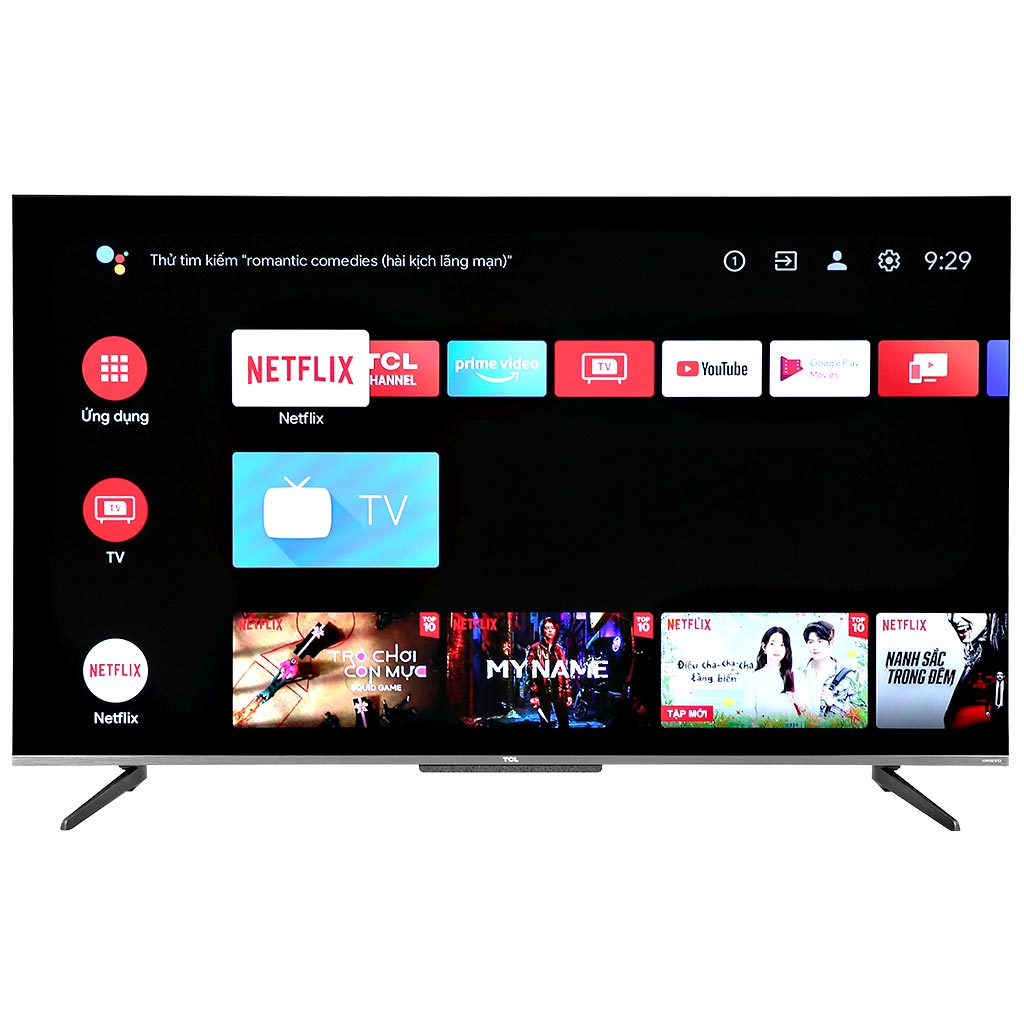
- Google TV / Android TV: In recent years, TCL has expanded its smart TV offerings to include Google TV (and previously Android TV) on many of its models. This platform provides access to the Google Play Store for a broader array of apps, integrates Google Assistant for voice control, and offers a personalized content discovery experience across various streaming services. This provides users with choice and flexibility, catering to different smart ecosystem preferences.
Gaming Enhancements
Recognizing the growing market for console and PC gaming, TCL has increasingly integrated features critical for a responsive and immersive gaming experience.
- Variable Refresh Rate (VRR): Available on many of its higher-end models, VRR synchronizes the TV’s refresh rate with the gaming console or PC’s frame rate. This eliminates screen tearing and stuttering, ensuring smoother gameplay, especially during fast-paced action.
- Auto Low Latency Mode (ALLM): When a gaming console is detected, ALLM automatically switches the TV into a low-latency game mode, minimizing input lag. This reduces the delay between controller input and on-screen action, a crucial advantage for competitive gamers.
- HDMI 2.1 Connectivity: TCL’s premium TVs feature HDMI 2.1 ports, which are essential for taking full advantage of the latest gaming consoles like the PlayStation 5 and Xbox Series X. HDMI 2.1 supports 4K resolution at 120Hz, VRR, ALLM, and higher bandwidth, future-proofing the TV for advanced gaming capabilities.
Audio Technologies
While integrated TV speakers rarely match dedicated sound systems, TCL often enhances its audio output with sophisticated processing.
- Dolby Atmos: Many TCL models support Dolby Atmos decoding, providing a more immersive, three-dimensional audio experience with compatible content. While the built-in speakers might not fully reproduce the overhead effects, the processing helps create a wider and more engaging soundstage.
- DTS Virtual:X: This technology aims to create a virtual surround sound experience from the TV’s internal speakers, enhancing spatial audio perception without the need for additional speakers.
Range and Value Proposition
TCL’s product strategy is characterized by its breadth, offering televisions across a wide spectrum of price points and feature sets, without compromising on a core commitment to value.
Diverse Product Series
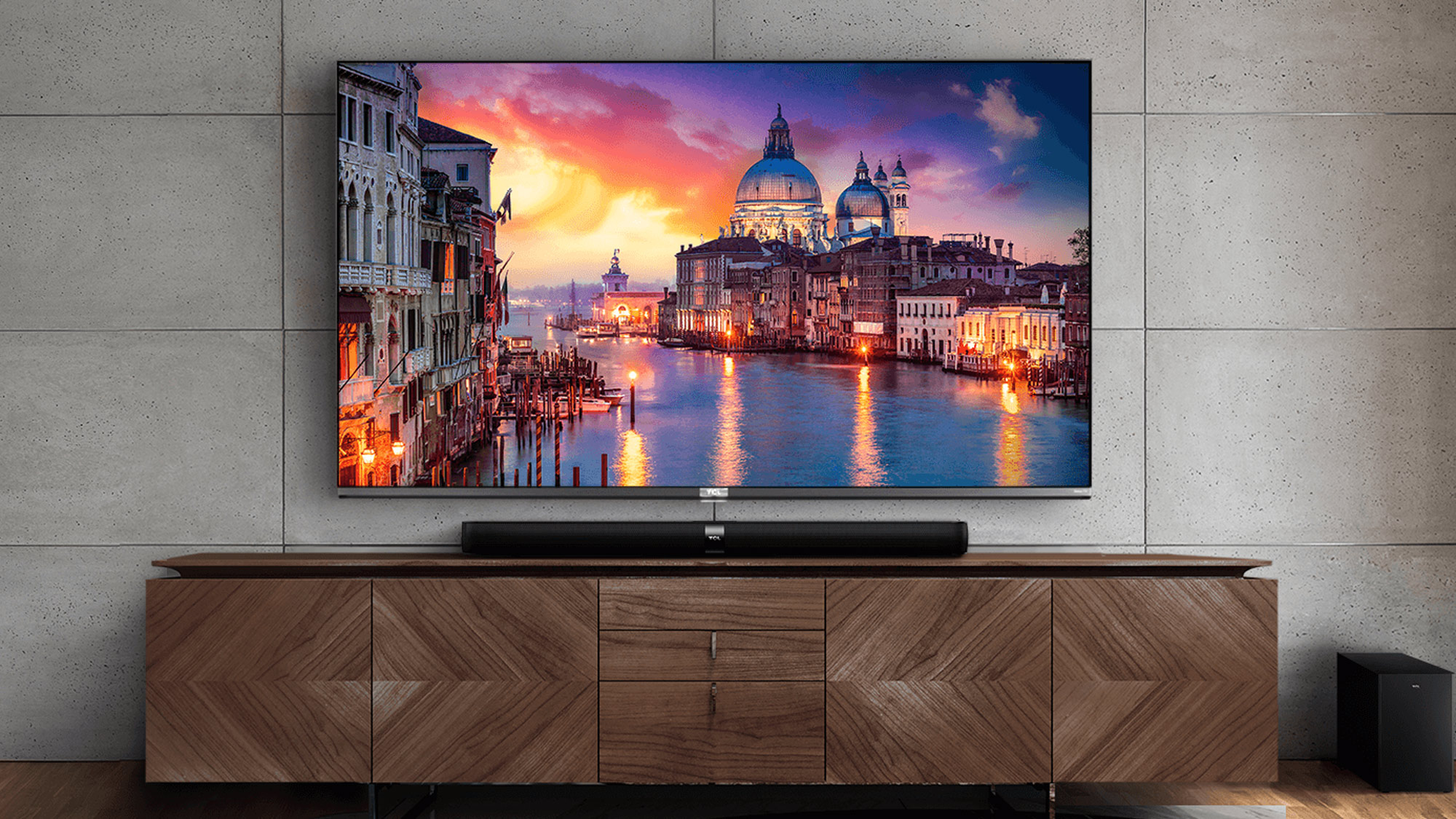
TCL organizes its television lineup into distinct series, each targeting specific consumer needs and budgets.
- S-Series (Entry-Level): Typically TCL’s most affordable models, the S-Series often includes Full HD and 4K resolutions with basic smart TV features (usually Roku TV). These are excellent options for secondary rooms, budget-conscious buyers, or those primarily looking for a simple streaming device.
- Q-Series (Mid-Range): This series represents a significant step up, frequently incorporating QLED technology for enhanced color and brightness. Features like improved local dimming, better processors, and sometimes gaming enhancements start to appear here, offering a strong balance of performance and price.
- QM-Series (Premium): The QM-Series represents TCL’s flagship offerings, showcasing its most advanced technologies. These models almost invariably feature Mini-LED backlighting, often paired with QLED, for exceptional contrast and brightness. They also include comprehensive gaming features (VRR, ALLM, HDMI 2.1), advanced audio processing, and sophisticated smart TV platforms, competing directly with more expensive brands while maintaining TCL’s value-driven ethos.
Balancing Performance and Affordability
The overarching theme for TCL TVs is the strategic balance between performance and affordability. Unlike some premium brands that command higher prices for their cutting-edge features, TCL’s business model allows it to offer similar, if not identical, technological advancements at a significantly lower cost. This is achieved through economies of scale, vertical integration (controlling panel production), and an efficient supply chain. Consumers often find that a TCL TV at a mid-range price point offers features that would be considered high-end in a competitor’s lineup, thereby delivering exceptional value for money.
Target Audience
TCL televisions cater to a broad demographic. From first-time TV buyers and budget-conscious families seeking reliable smart TV functionality to avid gamers and home theater enthusiasts looking for advanced picture quality without breaking the bank, TCL offers a compelling option. Its diverse range ensures that there’s a TCL TV suitable for nearly every room, every budget, and every viewing preference.
User Experience and Connectivity
Beyond raw specifications, the everyday experience of owning a TCL TV is shaped by its smart TV platform and its ability to integrate seamlessly into a connected home.
Intuitive Smart TV Interfaces
Whether powered by Roku TV or Google TV, TCL televisions generally offer highly intuitive and user-friendly interfaces. Roku TV is known for its simplicity, fast navigation, and clear organization of streaming channels, making it incredibly easy for anyone to pick up and use. Google TV, while offering more customization and integration with other Google services, also maintains a user-friendly layout focused on content discovery, bringing movies, shows, and live TV together in one personalized hub. Both platforms are regularly updated, ensuring continued access to new apps and features, and enhancing security.
Seamless Device Integration
TCL TVs are designed to be central to a modern entertainment setup. With built-in Wi-Fi and Bluetooth, they easily connect to home networks, soundbars, headphones, and other smart devices. The integration of voice assistants like Roku Voice or Google Assistant (via Google TV) allows for hands-free control, content search, and even smart home management directly from the TV remote or the TV itself. This creates a cohesive and convenient entertainment ecosystem.
Robust Connectivity Options
A generous array of physical ports is another hallmark of TCL TVs. Most models include multiple HDMI inputs (often including HDMI 2.1 on higher-end series), USB ports for media playback, and optical digital audio outputs for external sound systems. Ethernet ports ensure stable wired internet connections, and some models still retain composite inputs for legacy devices. This comprehensive suite of connectivity options ensures compatibility with a wide range of external devices, from game consoles and Blu-ray players to sound systems and older media players.
Future Outlook and Industry Impact
TCL’s journey is far from over. The company continues to invest heavily in R&D, indicating a sustained commitment to innovation and market leadership.
Continued Innovation in Display Technology
TCL is at the forefront of evolving display technologies. Beyond refining Mini-LED and QLED, the company is actively exploring next-generation advancements such as printed OLED, micro-LED, and transparent displays. These explorations suggest a future where TCL continues to push the boundaries of picture quality, form factor, and energy efficiency, challenging traditional premium brands to innovate even faster. Their ongoing investment in advanced panel manufacturing through CSOT underscores their long-term vision for controlling the core technology of their products.
Expanding Ecosystem Integration
The future of TCL TVs will likely see deeper integration within a broader smart home ecosystem. With the prevalence of Google Assistant and ongoing developments in AI, TCL televisions are poised to become even more central to managing smart devices, personalizing content experiences, and offering advanced interactive features beyond passive viewing. This involves not just smarter TVs but smarter ways for TVs to interact with users and their environment.
Role in Democratizing Advanced TV Tech
TCL’s impact extends beyond its product sales; it has fundamentally altered the television market landscape. By consistently bringing advanced features down to more accessible price points, TCL has democratized cutting-edge TV technology. This pressure has benefited consumers across the board, forcing other manufacturers to either lower their prices or accelerate their own innovation cycles. As TCL continues to grow and innovate, its role in making high-quality visual experiences accessible to a wider global audience will only solidify, ensuring that premium viewing is no longer an exclusive luxury but an attainable standard.
aViewFromTheCave is a participant in the Amazon Services LLC Associates Program, an affiliate advertising program designed to provide a means for sites to earn advertising fees by advertising and linking to Amazon.com. Amazon, the Amazon logo, AmazonSupply, and the AmazonSupply logo are trademarks of Amazon.com, Inc. or its affiliates. As an Amazon Associate we earn affiliate commissions from qualifying purchases.