
In the complex ecosystem of personal and business finance, the term “CPA” is often used as a shorthand for expertise in numbers. However, when it comes to navigating the labyrinthine corridors of the Internal Revenue Code, a “Tax CPA” represents a specific echelon of professional mastery. A Tax CPA, or Certified Public Accountant specializing in taxation, is a licensed professional who has met rigorous education, examination, and experience requirements to provide high-level tax advice, compliance services, and strategic financial planning.
Unlike a general bookkeeper or a seasonal tax preparer, a Tax CPA is a strategic partner in wealth preservation. They do not merely record what has happened in the past; they project into the future to optimize financial outcomes. As global tax laws become increasingly volatile, understanding the role and value of a Tax CPA is essential for any individual or business owner committed to fiscal health.
The Foundations of Expertise: What Makes a Tax CPA?
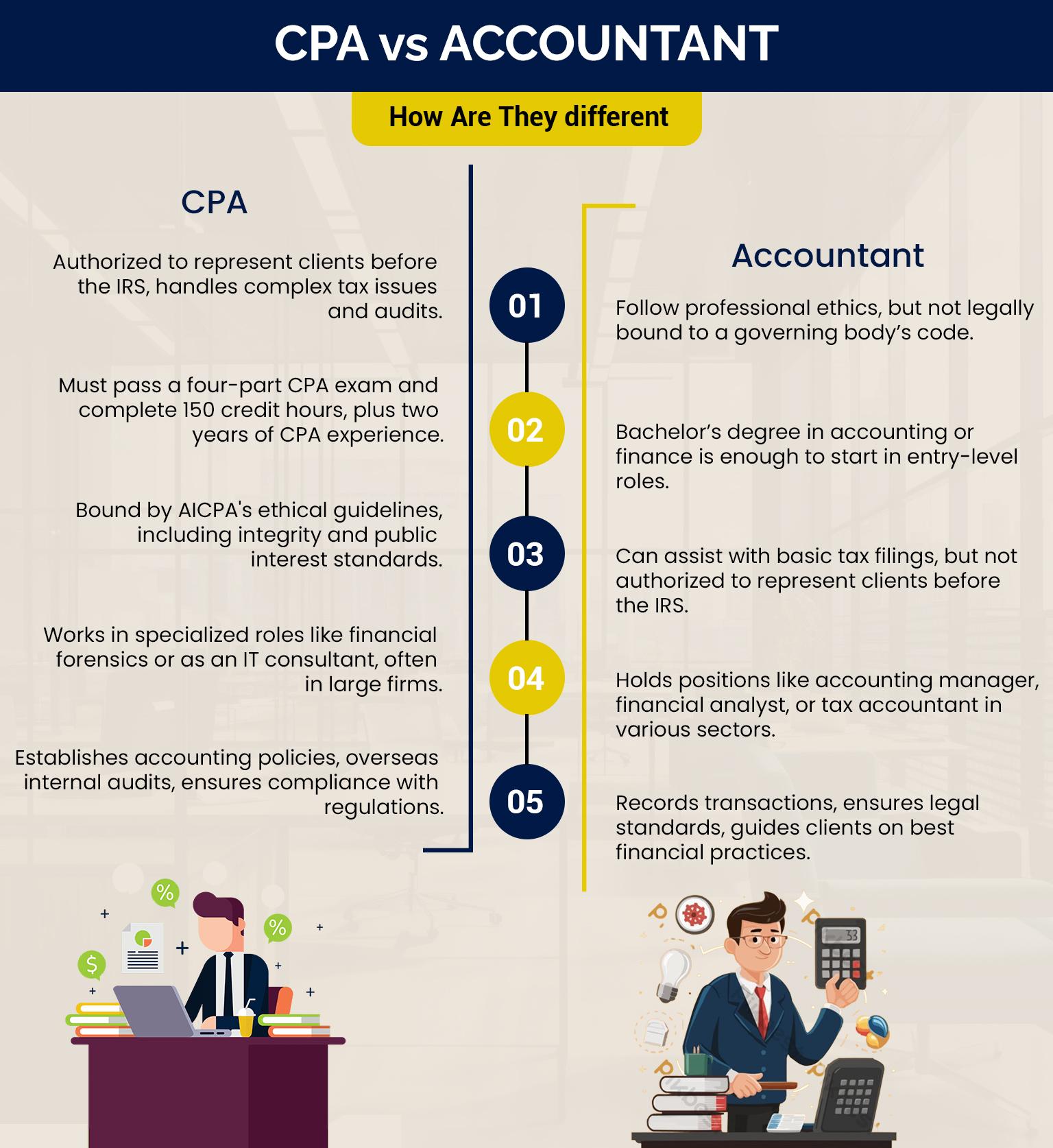
To understand what a Tax CPA is, one must first understand the “CPA” designation itself. It is one of the most respected credentials in the financial world, governed by strict state boards of accountancy. While all CPAs are accountants, not all accountants are CPAs, and only a fraction of CPAs choose to specialize exclusively in the complex field of taxation.
Educational Rigor and the CPA Exam
The journey to becoming a Tax CPA begins with an intensive educational background. Most states require 150 semester hours of college credit—essentially a Master’s degree or its equivalent—with a heavy emphasis on accounting, auditing, and business law.
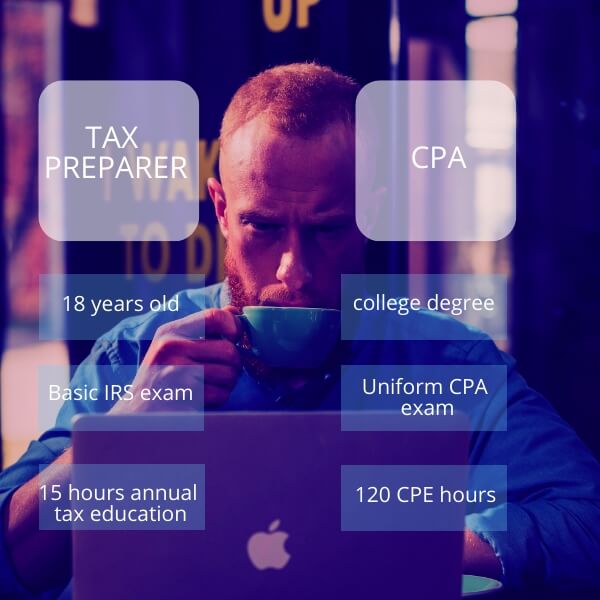
Following the education phase, candidates must pass the Uniform CPA Examination. This four-part exam is notoriously difficult, covering Auditing and Attestation (AUD), Business Environment and Concepts (BEC), Financial Accounting and Reporting (FAR), and Regulation (REG). The “Regulation” portion is where the foundation for a tax specialist is laid, covering federal taxation, ethics, and professional and legal responsibilities.
Licensing and Ethical Standards
Beyond the exam, a Tax CPA must complete a specific number of supervised hours under a licensed professional. Once licensed, they are bound by a strict code of professional ethics. In the world of money management, this ethical boundary is a critical safeguard for clients. Furthermore, to maintain their license, CPAs must complete Continuing Professional Education (CPE) hours annually. For a Tax CPA, this means staying updated on every new tax bill, Supreme Court ruling on fiscal matters, and IRS administrative update.
Core Services: Beyond Simple Filing
A Tax CPA’s value proposition extends far beyond the annual filing of a Form 1040 or 1120. They serve as architects of a client’s financial structure, ensuring that every dollar is accounted for and every legal deduction is utilized.
Strategic Tax Planning and Optimization
Tax planning is the proactive process of analyzing a financial situation or plan from a tax perspective. The goal is to ensure tax efficiency. A Tax CPA looks at your investments, business expenses, and income streams to arrange them in a way that minimizes tax liability. This might involve timing income and expenses, choosing the right retirement accounts, or structuring a business entity (such as an S-Corp versus a C-Corp) to take advantage of specific tax rates.
Complex Compliance and Reporting
For high-net-worth individuals and corporations, compliance is not a simple task. It involves multi-state filings, international tax considerations, and specialized industry credits. A Tax CPA ensures that all filings are accurate and submitted on time, reducing the risk of penalties and interest. They handle complex issues like the Qualified Business Income (QBI) deduction, depreciation schedules for real estate, and the tax implications of cryptocurrency or foreign assets.
IRS Representation and Audit Support
One of the most significant advantages of hiring a Tax CPA is their “unlimited representation rights” before the IRS. If a client is audited or receives a notice of deficiency, a Tax CPA can stand in their place to explain the positions taken on a tax return. Their deep understanding of tax law allows them to negotiate settlements, request penalty abatements, and navigate the appeals process, providing a level of protection that an uncertified preparer cannot offer.
The Strategic Value: Why You Need a Tax CPA for Your Money
In the realm of personal and business finance, the cost of a Tax CPA is often viewed not as an expense, but as an investment with a high Return on Investment (ROI). Their role is to protect your capital from unnecessary erosion.

Navigating the Complexity of Tax Reform
Tax laws are not static; they are political instruments that change with every new administration. For example, the Tax Cuts and Jobs Act (TCJA) of 2017 fundamentally altered the landscape of deductions and corporate rates. A Tax CPA interprets these massive legislative changes and translates them into actionable strategies for their clients. Without this guidance, individuals often miss out on significant savings or inadvertently trigger “tax traps” that result in heavy levies.
Wealth Preservation and Estate Planning
For those focused on long-term wealth, a Tax CPA is integral to estate planning. They work alongside estate attorneys to ensure that wealth is transferred to heirs with minimal gift and estate tax impact. This involves the use of trusts, charitable giving strategies, and family limited partnerships. By focusing on the “after-tax” return of an estate, a Tax CPA ensures that a lifetime of hard work isn’t significantly diminished by the government upon transfer.
Business Growth and Exit Strategies
For entrepreneurs, a Tax CPA acts as a fiscal consultant. During the growth phase, they help identify R&D tax credits and local incentives. When it comes time to sell a business, the way the deal is structured—whether as an asset sale or a stock sale—can have a multi-million dollar impact on the seller’s take-home pay. A Tax CPA provides the modeling necessary to choose the path that maximizes the seller’s net proceeds.
Tax CPA vs. Other Tax Professionals: A Comparison
It is a common misconception that all tax professionals are the same. In the financial industry, the distinction between a Tax CPA, an Enrolled Agent (EA), and a standard tax preparer is significant.
Scope of Authority and Breadth of Knowledge
An Enrolled Agent is a federally authorized tax practitioner who has technical expertise in the field of taxation and is empowered by the U.S. Department of the Treasury to represent taxpayers before the IRS. While EAs are highly capable in tax matters, CPAs often have a broader perspective on the interplay between tax and general business accounting, financial auditing, and corporate law.
Standard tax preparers, often found in retail tax chains, may only have a few weeks of training. They are typically proficient in simple, “W-2 only” tax returns but lack the depth of knowledge required for sophisticated financial strategies, complex investment portfolios, or business tax optimization.
Holistic Financial Integration
A Tax CPA doesn’t just look at the tax return in a vacuum. Because of their broad training in accounting, they understand how a tax move affects a company’s balance sheet or an individual’s creditworthiness for future lending. This holistic view is essential for anyone looking to build a comprehensive financial plan where every piece of the puzzle—tax, investment, and cash flow—works in harmony.
Choosing the Right Tax CPA for Your Financial Goals
Selecting a Tax CPA is a critical decision for your financial future. It requires more than just checking a license; it requires finding a professional whose expertise aligns with your specific niche.
Assessing Specialization and Industry Expertise
Not all Tax CPAs are the same. Some specialize in real estate, others in high-tech startups, and others in international expatriate taxation. When interviewing a potential CPA, it is vital to ask about their experience with your specific financial situation. If you own a fleet of rental properties, you need a CPA who understands 1031 exchanges and passive loss rules. If you are an e-commerce entrepreneur, you need someone well-versed in sales tax nexus and inventory accounting.
Understanding Fee Structures and Communication
The relationship with a Tax CPA should be collaborative. It is important to understand how they bill—whether it is a flat fee per return, an hourly rate for consulting, or a monthly retainer. More importantly, you should assess their communication style. A great Tax CPA is proactive; they don’t just wait for you to bring them receipts in April. They should be reaching out in October or November for “year-end tax planning” to ensure there are no surprises when the filing deadline arrives.
Conclusion: The Tax CPA as a Pillar of Financial Stability
In conclusion, a Tax CPA is much more than a “tax man” or “tax lady.” They are highly educated, rigorously tested, and ethically bound professionals who specialize in the intersection of law and finance. In an era where the “Money” niche is dominated by volatile markets and complex regulations, the Tax CPA provides a foundation of stability and strategic foresight.
By leveraging their expertise, you can ensure that your financial decisions are not made in the dark. Whether it is through meticulous planning, robust IRS representation, or sophisticated business structuring, a Tax CPA ensures that you keep more of what you earn and grow your wealth with confidence. For anyone serious about their financial trajectory, a Tax CPA is not just a luxury—they are an indispensable asset in the pursuit of fiscal excellence.
aViewFromTheCave is a participant in the Amazon Services LLC Associates Program, an affiliate advertising program designed to provide a means for sites to earn advertising fees by advertising and linking to Amazon.com. Amazon, the Amazon logo, AmazonSupply, and the AmazonSupply logo are trademarks of Amazon.com, Inc. or its affiliates. As an Amazon Associate we earn affiliate commissions from qualifying purchases.