
The concept of the Taco Bell Cantina represents a masterclass in brand repositioning. For decades, the Taco Bell identity was anchored firmly in the suburban fast-food landscape: drive-thru windows, neon-lit plastic booths, and a menu designed for efficiency and high-volume, low-cost convenience. However, the rise of the “Cantina” sub-brand illustrates a sophisticated pivot in corporate identity, aimed at capturing the urban, millennial, and Gen Z consumer base by integrating the brand into the cultural fabric of modern city life.
At its core, the Cantina is a strategic evolution of the brand’s physical footprint. By shedding the rigid architecture of the traditional suburban box, Taco Bell has successfully transformed its image from a late-night guilty pleasure to a destination-based social venue. This shift is not merely aesthetic; it is a fundamental redesign of how a fast-food entity engages with its environment, its menu, and its target demographic.

The Architectural Pivot: Redefining the Fast-Casual Space
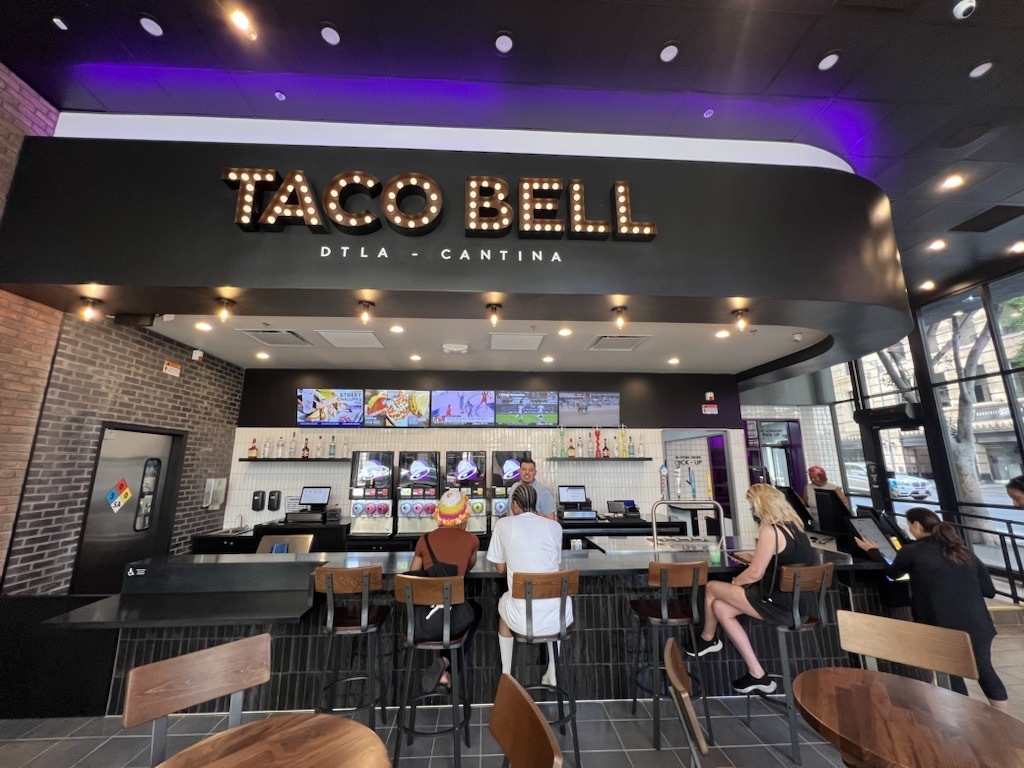
The most immediate departure from the traditional Taco Bell model is the physical design of the Cantina. In urban centers like New York City, Las Vegas, and Chicago, space is a premium commodity. The Cantina format ditches the sprawling parking lots and drive-thru lanes for a footprint that prioritizes aesthetic appeal and pedestrian flow.
Design Elements and Urban Integration
Cantina locations are designed to be “Instagrammable.” By incorporating open kitchens, modular furniture, and local artwork, Taco Bell has effectively traded the sterile, uniform look of a franchise for a bespoke, neighborhood-focused aesthetic. These spaces are intentionally designed to be transparent, allowing customers to watch the assembly of their food, which creates a perceived increase in quality and freshness.
Elevating the Customer Experience
The brand strategy here relies heavily on “the vibe.” By installing modern lighting, polished surfaces, and, in some locations, even digital art installations or local architectural flourishes, the Cantina elevates the environment from a place where you grab food to a place where you linger. This is an intentional move to move away from the “in-and-out” utility of the drive-thru and toward a “dwell-worthy” atmosphere that justifies higher price points and increased brand loyalty.
Portfolio Expansion: Alcohol and The “Experience-First” Menu
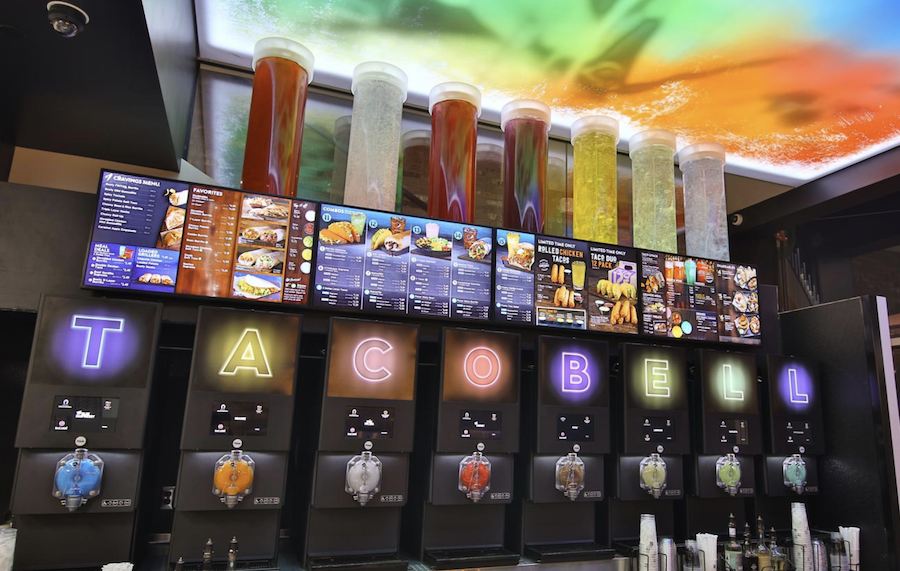
Perhaps the most discussed feature of the Cantina brand is the integration of alcohol—specifically, beer, wine, and twisted freezes. This decision was a calculated risk that fundamentally altered the perception of the brand. By moving into the adult beverage space, Taco Bell transitioned its corporate identity from a food service provider to a social lifestyle brand.
Navigating Brand Perception
Selling alcohol in a fast-food setting requires a delicate balance. If done incorrectly, it could cheapen the brand or lead to operational liabilities. However, Taco Bell executed this with a focus on curated, limited offerings that complement their signature flavors rather than attempting to compete with a traditional bar. This strategy aligns perfectly with the “Fast-Casual” hybrid model, where the consumer expects a slightly higher tier of service and product quality than a standard QSR (Quick Service Restaurant).
Impact on Sales and Dayparts
The introduction of alcohol has allowed the Cantina locations to dominate evening and late-night dayparts in a way that traditional Taco Bell outlets cannot. By positioning the Cantina as an accessible, low-barrier-to-entry spot for pre-gaming or casual social gathering, the brand increases its “share of stomach” throughout the day. It turns the restaurant into a lifestyle component, ensuring that the brand is present at the beginning, middle, and end of a customer’s social experience.
Strategic Marketing and Demographic Targeting
The success of the Cantina model is rooted in a deep understanding of shifting demographic preferences. Millennials and Gen Z value transparency, customization, and social-media-friendly experiences. The Cantina brand strategy leverages these values to build deeper, more authentic connections with consumers who might otherwise bypass a traditional fast-food franchise.
Cultivating an Urban Identity
The brand identity of the Cantina is deliberately localized. While the core menu remains consistent, each location is encouraged to lean into its city’s personality. This creates a perception of authenticity; it is a Taco Bell, but it is our Taco Bell. This localization strategy helps mitigate the negative connotations of corporate homogenization that often plague large fast-food chains.
Leveraging the “Digital-First” Consumer
Many Cantina locations function as a testbed for new technology and digital-first ordering systems. By leaning into self-service kiosks and mobile app integration, the brand caters to consumers who prefer a frictionless, automated transaction. This aligns with the broader marketing strategy: make the transaction as invisible as possible so that the focus remains entirely on the environment and the food. This focus on seamless digital interaction is a hallmark of modern brand strategy, positioning Taco Bell not just as a food provider, but as a technology-enabled hospitality company.
The Future of Brand Evolution: Lessons from the Cantina
The Taco Bell Cantina serves as a compelling case study in brand resilience. It proves that even a highly established, legacy brand can reinvent itself by identifying and leaning into new market opportunities. The Cantina is not just about selling tacos; it is about selling an experience, a lifestyle, and a modern identity.
Why Other Brands Should Take Note
The takeaway for other businesses, whether in the food industry or beyond, is clear: brand identity is not a static state, but a process of ongoing adaptation. The Cantina model demonstrates that by identifying the “pain points” of your current business model—such as the sterility of the suburban QSR—you can create an entirely new brand vertical that opens up new customer demographics.
Sustainability of the Strategy
As we look to the future, the primary challenge for the Cantina brand will be scale. Maintaining a boutique, localized feel while expanding the number of locations is a classic corporate tension. However, if Taco Bell can continue to refine the Cantina concept, they provide a roadmap for how legacy brands can remain relevant in an increasingly digital, experience-driven marketplace. By successfully bridging the gap between convenience and lifestyle, the Cantina has solidified its place as a cornerstone of modern fast-casual strategy.
The Cantina is more than just a store with a liquor license; it is the physical manifestation of a brand that refuses to stand still. By prioritizing design, social integration, and digital efficiency, Taco Bell has managed to make one of the most familiar brands in the world feel fresh, exciting, and fundamentally urban. Whether through the lens of architectural design or consumer psychology, the Cantina represents a high-water mark for modern corporate repositioning, illustrating exactly how a brand can move with the current rather than being swept away by it.
aViewFromTheCave is a participant in the Amazon Services LLC Associates Program, an affiliate advertising program designed to provide a means for sites to earn advertising fees by advertising and linking to Amazon.com. Amazon, the Amazon logo, AmazonSupply, and the AmazonSupply logo are trademarks of Amazon.com, Inc. or its affiliates. As an Amazon Associate we earn affiliate commissions from qualifying purchases.