
The table saw is a cornerstone of woodworking, a powerful and versatile tool that allows for precise cuts in a wide array of materials. For anyone venturing into cabinetry, furniture making, construction, or even intricate hobbyist projects, understanding the table saw is paramount. It’s a machine that, when understood and respected, can elevate craftsmanship to new levels, enabling the creation of complex joinery and perfectly dimensioned components with remarkable efficiency. At its core, a table saw is a circular saw mounted beneath a flat table, with the blade protruding through a slot. This arrangement allows woodworkers to feed material across the stationary blade, offering superior control and accuracy compared to handheld saws for many applications.
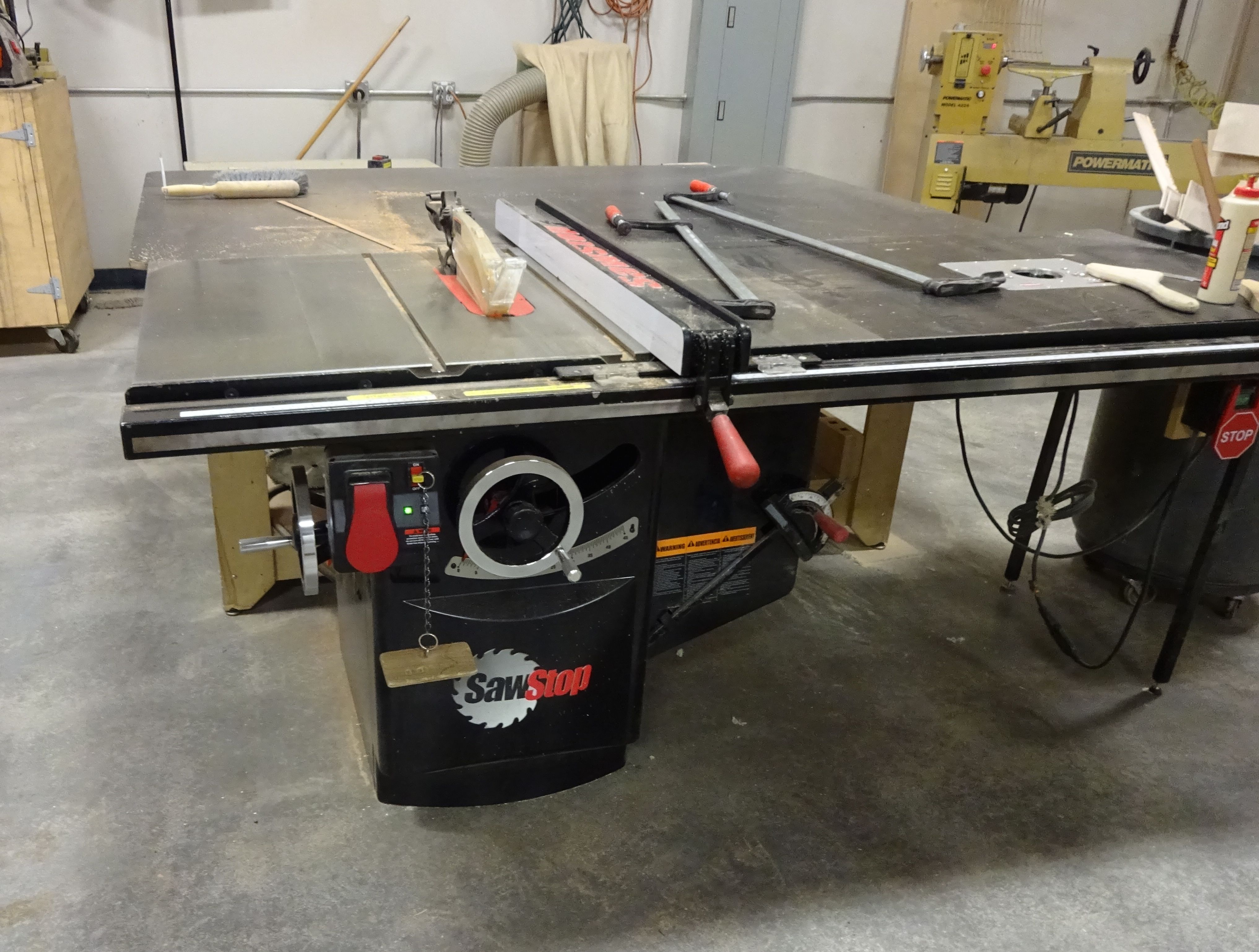
The ubiquity of the table saw in workshops of all sizes is a testament to its fundamental utility. From the professional cabinet shop producing bespoke furniture to the DIY enthusiast building a backyard deck, the table saw is an indispensable workhorse. Its ability to make straight, repeatable cuts – whether ripping long boards to width, crosscutting them to length, or creating precise dadoes and grooves – makes it the central piece of equipment for many woodworking operations. This article will delve into the essence of what a table saw is, exploring its fundamental design, the various types available, its core functionalities, and the crucial safety considerations that accompany its operation.
The Anatomy of a Table Saw: Core Components and Their Functions
Understanding the fundamental components of a table saw is the first step towards appreciating its capabilities and limitations. Each part plays a critical role in the saw’s operation, contributing to its precision, power, and safety.
The Blade and Its Drive System
The heart of any table saw is its circular blade. These blades are typically made of hardened steel, with carbide teeth for enhanced durability and cutting performance. The diameter of the blade varies, with common sizes ranging from 10 inches to 12 inches for cabinet and contractor saws, and smaller sizes for portable or benchtop models. The type of blade used significantly impacts the cut quality and the material being processed. For instance, a fine-tooth blade is ideal for smooth, clean cuts on hardwoods, while a coarser blade with fewer teeth might be better suited for faster, rougher cuts on softer woods or for breaking down large sheet goods.
The blade is mounted on a spindle, which is driven by a motor. The motor’s horsepower is a critical specification, determining the saw’s ability to handle dense hardwoods or thick stock without bogging down. Motors can be either direct-drive, where the blade is directly attached to the motor shaft, or belt-driven, where a belt connects the motor to the spindle. Belt-driven saws often offer a smoother operation, reduced vibration, and better durability as the motor is isolated from the cutting forces. The rotational speed of the blade, measured in revolutions per minute (RPM), also influences cut quality.
The Table and Its Support Structure
The table itself is the defining feature of a table saw, providing a flat, stable surface upon which the workpiece is guided. It is typically made of cast iron for heavier saws, offering superior stability, vibration dampening, and a durable, smooth surface. Lighter saws may have aluminum or composite tables. The table is precisely machined to be flat, ensuring accurate cuts.
Key elements of the table include:
- The Miter Slot(s): These are precisely milled grooves running parallel to the blade. They are used to guide miter gauges, which hold workpieces at specific angles for crosscutting. Standard miter slots are typically 3/8 inch deep and 3/4 inch wide.
- The Throat Plate (or Insert): This is a removable piece of material that sits around the blade within the table. It can be made of metal, plastic, or wood. Different throat plates can be used to accommodate various blades, including dado sets, and zero-clearance inserts can be made to support the wood very close to the blade, reducing tear-out.
- The Rip Fence: This is an adjustable guide that runs parallel to the blade. It is used to control the width of material being cut (ripped). A good rip fence is robust, locks securely, and moves smoothly and accurately. The distance from the fence to the blade is clearly marked.
The Trunnions and Blade Adjustment Mechanisms
Beneath the table are the trunnions, which are the mechanical components responsible for raising and lowering the blade, and tilting it to create bevel cuts. These are often cast iron for stability and precision. The mechanisms for adjusting blade height and bevel angle typically involve handwheels accessible on the front of the saw. Precise adjustments are crucial for accurate joinery, and well-designed trunnions ensure that the blade remains at the set height and angle throughout a cut.
The Motor and Power Source
The motor is the engine of the table saw. Its horsepower (HP) rating is a primary indicator of its power. For home use, 1 to 1.5 HP is generally sufficient for most tasks, especially with softer woods. For heavier use, or working with dense hardwoods, 2 HP or more is recommended. The motor can be housed in different ways depending on the saw type, influencing its size, weight, and portability.
Types of Table Saws: Matching the Tool to the Task
The broad category of “table saw” encompasses several distinct types, each designed for specific user needs, workshop sizes, and budget constraints. Understanding these differences is crucial for making an informed purchase decision.
Benchtop and Portable Table Saws
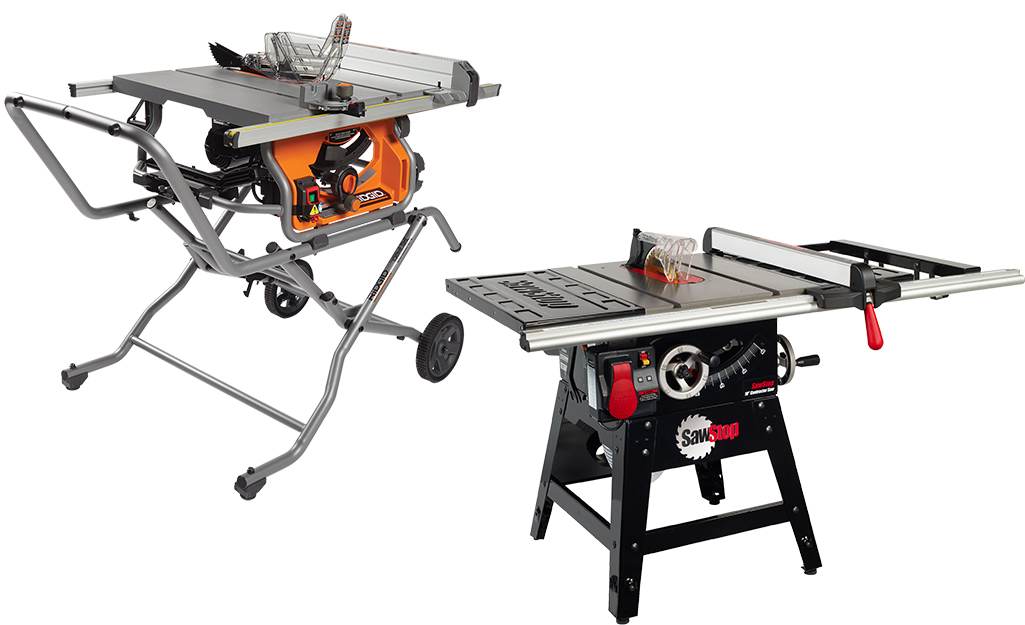
These are the smallest and most affordable table saws, designed for mobility and occasional use. They are lightweight, often featuring plastic or aluminum tables, and typically have smaller motors (around 1 to 1.5 HP). Their primary advantage is portability, making them ideal for job sites or small workshops where space is limited. While they can handle many basic cuts, they often lack the power, stability, and fence accuracy of larger saws, and their cutting capacity may be limited. They are a great entry point for hobbyists or those with very specific, light-duty needs.
Contractor Table Saws
The contractor saw represents a step up in power and durability. They are typically belt-driven, with cast iron tables and a more robust motor (often 1.5 to 2 HP). Historically, contractor saws were designed to be relatively portable, often with an open stand that allowed for a wheeled base. They offer a good balance of performance, price, and size for many home workshops and small professional operations. Their dust collection systems are usually more rudimentary than those on cabinet saws.
Hybrid Table Saws
Hybrid table saws bridge the gap between contractor and cabinet saws. They often feature cast iron tables and trunnions mounted to the back of the table (unlike contractor saws where trunnions are often attached to the motor housing). This design offers improved stability and trunnion alignment. They typically have more powerful motors than contractor saws and better dust collection. They are a popular choice for serious hobbyists and small professional shops who need enhanced performance without the full cost and footprint of a cabinet saw.

Cabinet Table Saws
These are the workhorses of professional woodworking shops. They are characterized by their heavy-duty construction, powerful induction motors (typically 3 HP or more), enclosed cabinets that house the motor and dust collection, and precision-ground cast iron tables and trunnions. Cabinet saws offer the highest level of accuracy, power, and durability. They are designed for continuous, heavy use and produce the cleanest, most precise cuts. Their significant weight and size make them stationary installations, requiring dedicated workshop space.
Essential Functions and Applications of a Table Saw
The versatility of the table saw stems from its ability to perform a wide range of cuts with precision and repeatability. Mastering these core functions unlocks a vast potential for woodworking projects.
Ripping: Cutting Along the Grain
Ripping is the process of cutting a board to its desired width, with the cut running parallel to the wood grain. This is arguably the most common operation performed on a table saw. The rip fence is set at the desired distance from the blade, and the workpiece is pushed through the blade, keeping it firmly against the fence. Accurate rip cuts are fundamental to creating components of consistent dimension for furniture, cabinets, and other projects. The quality of the rip fence and the flatness of the table are critical for achieving perfectly straight and square rips.
Crosscutting: Cutting Across the Grain
Crosscutting involves cutting a board to its desired length, with the cut running perpendicular to the wood grain. This is typically done using a miter gauge, which is placed in one of the table’s miter slots and holds the workpiece at a specific angle (usually 90 degrees) to the blade. For repeatable crosscuts, especially on multiple identical pieces, a crosscut sled can be used. This is a shop-made jig that slides in the miter slot and holds the workpiece securely against a fence, offering superior support and accuracy.
Bevel Cuts and Miters
Table saws are capable of making angled cuts. Bevel cuts are made when the blade is tilted relative to the table, allowing for cuts along the edge of a board at an angle. This is essential for joining boards at an angle or for decorative purposes. Miter cuts are a type of crosscut made at an angle using the miter gauge. These are commonly used for framing, trim work, and creating frames or boxes. The precision of the bevel and miter adjustments on the trunnions dictates the accuracy of these angled cuts.
Dadoes and Grooves
A dado is a channel or groove cut across the grain of a workpiece, while a groove is cut with the grain. These are essential for joinery, such as creating slots for shelves, assembling cabinet carcasses, or fitting panels into frames. To make dadoes and grooves, a special dado blade set is used. This set consists of multiple blades and chippers that can be stacked on the saw’s arbor to create a wide cut. The blade depth and width are precisely adjustable, allowing for perfectly fitting joinery.
Safety First: Operating a Table Saw Responsibly
The power and cutting capacity of a table saw demand a rigorous approach to safety. Complacency or improper technique can lead to severe injury. Understanding and adhering to safety protocols is not optional; it is paramount for anyone operating this tool.
Personal Protective Equipment (PPE)
The most basic layer of protection involves wearing appropriate PPE. This includes:
- Safety Glasses or a Face Shield: To protect the eyes from flying debris and sawdust.
- Hearing Protection: Table saws are noisy tools, and prolonged exposure can cause hearing damage. Earplugs or earmuffs are essential.
- Dust Mask or Respirator: While not directly related to mechanical injury, inhaling fine sawdust can be harmful to the lungs.
- Appropriate Clothing: Avoid loose clothing, jewelry, or anything that could get caught in the blade. Long hair should be tied back.
Understanding Blade Guarding and Riving Knives
Modern table saws come equipped with safety features designed to prevent kickback and protect the user.
- Blade Guard: This is a cover that encloses the top of the blade. It is designed to prevent contact with the spinning blade while allowing the workpiece to pass through. Many guards also incorporate dust collection hoods.
- Riving Knife or Splitter: This is a thin piece of metal that sits behind the blade, in line with it. Its primary function is to prevent the kerf (the cut slot) from closing up behind the blade, which is a major cause of kickback. Kickback occurs when the workpiece is suddenly and violently thrown back towards the operator. A properly aligned riving knife is one of the most critical safety devices on a table saw.
Safe Operating Practices
Beyond PPE and guarding, a set of disciplined operating practices ensures safe use:
- Read the Manual: Familiarize yourself with the specific operation and safety features of your table saw model.
- Never Reach Over the Blade: Always maintain a safe distance from the spinning blade. Use push sticks and push blocks to guide short or narrow workpieces.
- Maintain a Clean Workspace: Clutter can be a tripping hazard and can interfere with the safe operation of the saw.
- Ensure Workpiece Stability: Make sure the material being cut is flat, stable, and properly supported. Avoid cutting warped or twisted lumber without proper jigs.
- Use the Right Blade: Ensure the blade is sharp, appropriate for the material, and installed correctly.
- Be Aware of Kickback: Understand the conditions that can lead to kickback and take steps to prevent it, such as using a riving knife and avoiding cutting freehand.
- Never Leave a Running Saw Unattended: Always turn off the saw when you step away.
In conclusion, the table saw is a powerful and essential tool in the world of woodworking. Its diverse capabilities, from precise ripping and crosscutting to intricate joinery, make it the heart of many workshops. However, its power necessitates a deep respect for its operation and a steadfast commitment to safety. By understanding its components, types, functions, and, most importantly, by prioritizing safety, woodworkers can harness the full potential of the table saw to create with confidence and precision.
aViewFromTheCave is a participant in the Amazon Services LLC Associates Program, an affiliate advertising program designed to provide a means for sites to earn advertising fees by advertising and linking to Amazon.com. Amazon, the Amazon logo, AmazonSupply, and the AmazonSupply logo are trademarks of Amazon.com, Inc. or its affiliates. As an Amazon Associate we earn affiliate commissions from qualifying purchases.