
The realm of healthcare is constantly evolving, with advancements in diagnostic testing playing a pivotal role in understanding and managing our well-being. Among the myriad of tests available, blood tests stand out as fundamental tools for assessing various bodily functions and detecting potential health issues. Within the spectrum of blood diagnostics, tests related to thyroid hormones are particularly crucial, given the thyroid’s central role in metabolism, energy production, and numerous other physiological processes. One such important test is the T3 free blood test. While the term “free” might initially suggest a lack of constraints or limitations, in the context of a T3 blood test, it refers to a specific and vital measurement of the thyroid hormone that is biologically active and readily available for use by your body’s tissues. This article will delve into the intricacies of the T3 free blood test, exploring what it is, why it’s performed, how it’s interpreted, and its significance in diagnosing and managing thyroid conditions.
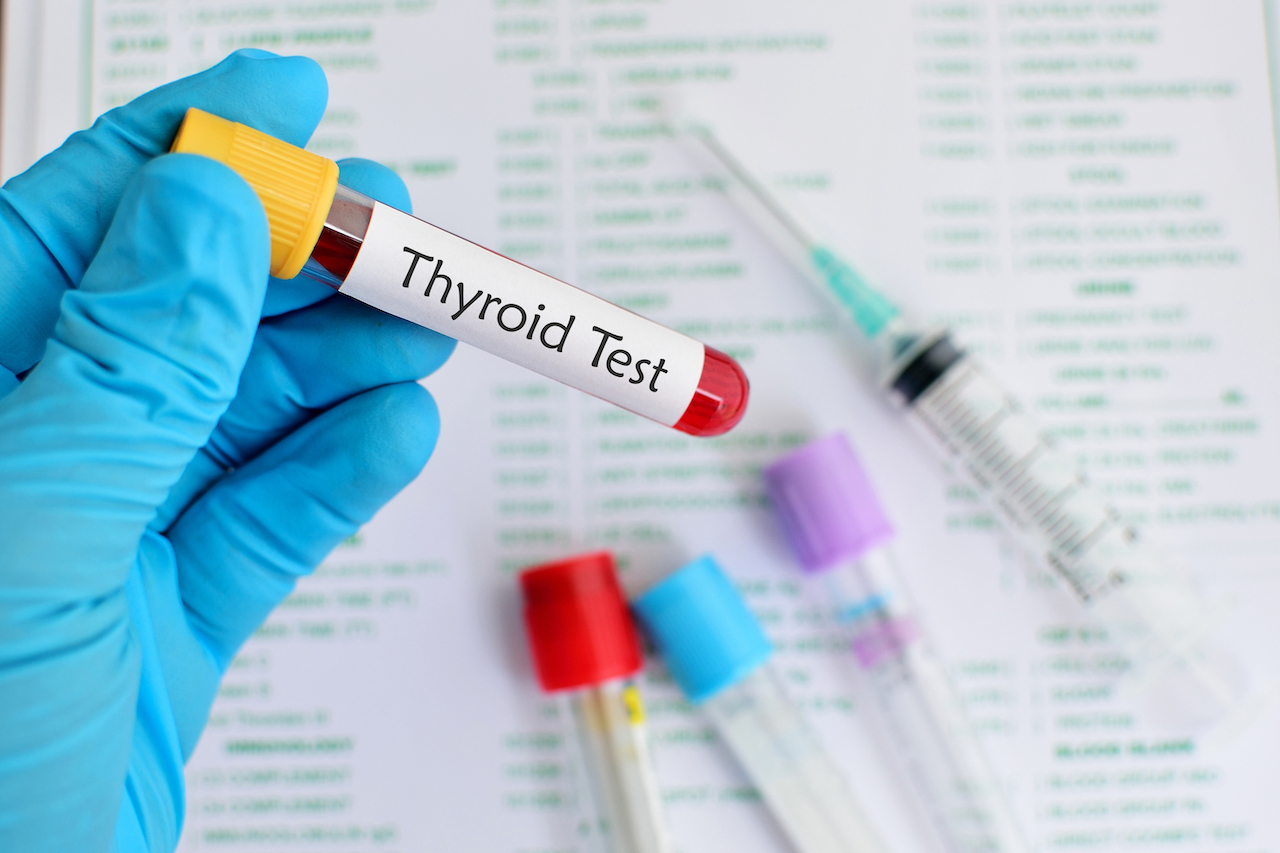
Understanding Thyroid Hormones: The Building Blocks of Metabolism
Before dissecting the T3 free blood test, it’s essential to grasp the basics of thyroid hormones and their functions. The thyroid gland, a small butterfly-shaped organ located at the base of your neck, is responsible for producing two primary hormones: thyroxine (T4) and triiodothyronine (T3). These hormones are critical regulators of metabolism, influencing everything from your heart rate and body temperature to digestion and cognitive function.
The Production and Circulation of Thyroid Hormones
Thyroid hormone production is a complex process initiated by the hypothalamus in the brain, which releases thyrotropin-releasing hormone (TRH). TRH stimulates the pituitary gland to release thyroid-stimulating hormone (TSH). TSH, in turn, signals the thyroid gland to produce and release T4 and T3 into the bloodstream.
Once in circulation, thyroid hormones exist in two forms: protein-bound and free. The vast majority of thyroid hormones circulating in the blood are bound to transport proteins, primarily thyroxine-binding globulin (TBG), albumin, and transthyretin. This protein-bound form is essentially inactive, acting as a reservoir for the hormones. The truly active components are the “free” hormones – T4 free (FT4) and T3 free (FT3) – which are not attached to proteins and can therefore easily enter cells to exert their metabolic effects.
The Distinct Roles of T4 and T3
Thyroxine (T4) is the primary hormone produced by the thyroid gland, with a higher concentration in circulation. However, T4 is considered a prohormone, meaning it is less metabolically active than T3. Much of the circulating T4 is converted into the more potent T3 in various tissues throughout the body, such as the liver and kidneys. Triiodothyronine (T3) is therefore considered the metabolically active form of thyroid hormone. It binds to thyroid hormone receptors within cells, influencing gene expression and ultimately regulating cellular activity and energy expenditure.
The T3 Free Blood Test: Unveiling Active Hormone Levels
The T3 free blood test, specifically measuring free triiodothyronine (FT3), is a diagnostic tool designed to quantify the amount of unbound, biologically active T3 circulating in your bloodstream. Unlike total T3 tests, which measure both protein-bound and free T3, the FT3 test provides a more accurate picture of the hormone available to your cells.
Why Measure Free T3?
The rationale behind measuring free T3 lies in its direct correlation with thyroid hormone activity. When thyroid hormone levels fluctuate, the body has mechanisms to maintain a relatively stable proportion of free hormones. For instance, if protein levels change (due to pregnancy, certain medications, or liver disease), total T3 levels might be affected, but the free T3 levels might remain within a normal range, indicating that the body’s hormone supply is still adequate. Conversely, in certain thyroid conditions, the free hormone levels are the most sensitive indicators of dysfunction.
The FT3 Test vs. Total T3 Test
It is crucial to distinguish between the T3 free test and the total T3 test. A total T3 test measures all T3 in the blood, both bound to proteins and free. While it can provide some information, it can be influenced by factors that affect protein levels, such as:
- Pregnancy: Often leads to increased TBG levels, potentially elevating total T3 even with normal thyroid function.
- Hormonal Contraceptives: Similar to pregnancy, can increase TBG.
- Certain Medications: Some drugs can bind to TBG or affect thyroid hormone metabolism.
- Liver or Kidney Disease: Can alter protein production and metabolism, impacting total T3.
- Genetic Factors: Some individuals have naturally higher or lower levels of TBG.
The FT3 test, by focusing solely on the unbound fraction, circumvents these protein-binding variables. This makes it a more precise indicator of actual thyroid hormone availability and cellular activity, especially when evaluating subtle thyroid abnormalities or when factors affecting protein binding are present.
How the FT3 Blood Test is Performed
The T3 free blood test is a straightforward procedure that involves a simple blood draw.
The Blood Draw Process
- Preparation: Typically, no special preparation is required for an FT3 blood test. However, your healthcare provider may advise you to fast for a certain period or to avoid certain medications before the test, especially if it’s being conducted as part of a broader thyroid panel. It’s always best to follow your doctor’s specific instructions.
- Sample Collection: A healthcare professional will clean a small area of skin, usually on your arm, with an antiseptic. A tourniquet may be applied to make your veins more prominent. A needle is then inserted into a vein, and a small amount of blood is collected into a vial.
- Post-Collection: Once the blood is drawn, the needle is removed, and a small bandage is applied to the puncture site.
Laboratory Analysis
The collected blood sample is then sent to a laboratory for analysis. Highly sensitive immunoassay techniques are typically employed to accurately measure the concentration of free T3 in the serum. These methods are designed to distinguish between bound and unbound hormones.
Interpreting T3 Free Blood Test Results: What Do They Mean?
Interpreting the results of an FT3 blood test requires careful consideration of various factors, including your individual health status, symptoms, and often, the results of other thyroid function tests. Reference ranges for FT3 can vary slightly between laboratories, so it’s essential to compare your results to the range provided by the lab that performed the test.
Understanding the Reference Range
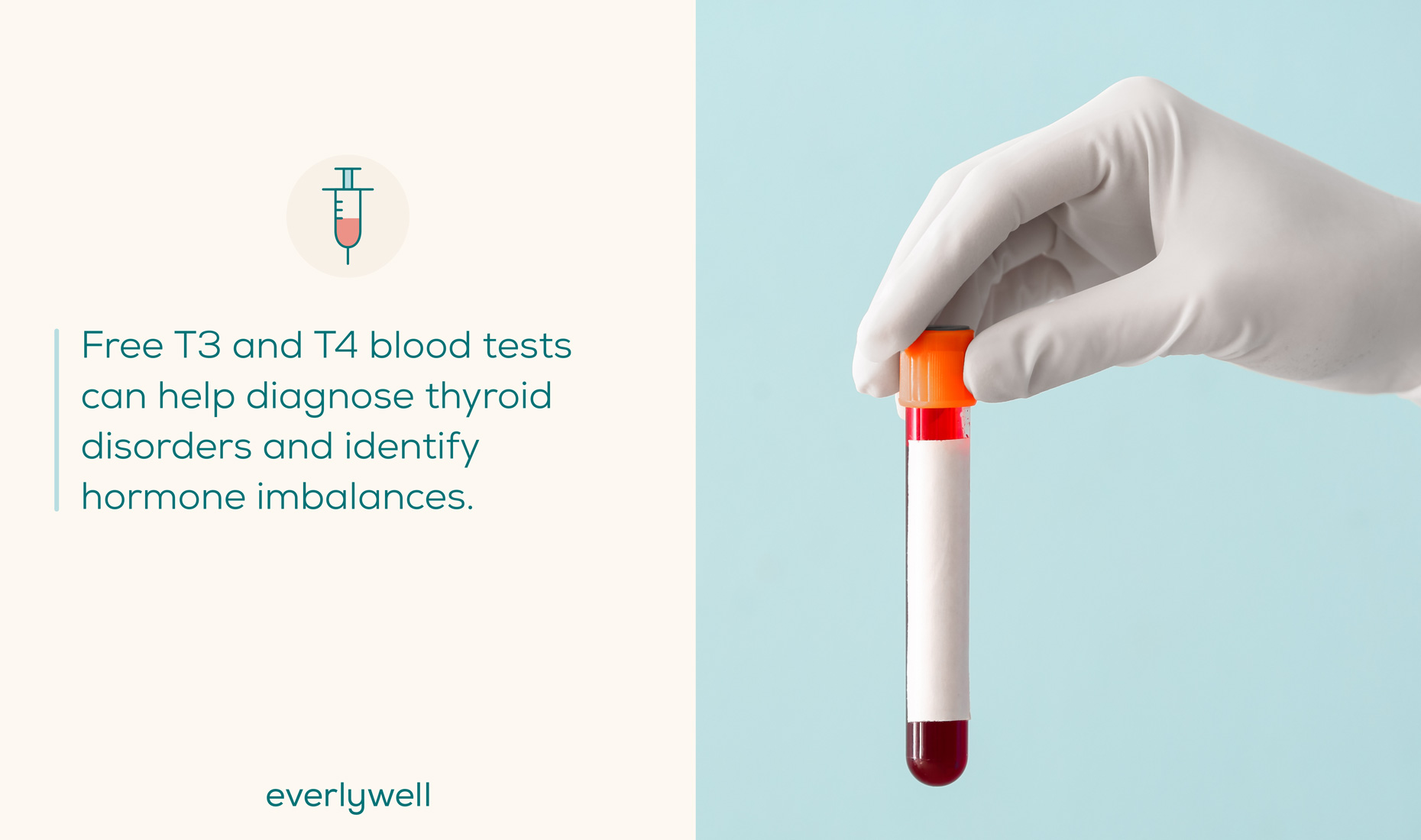
A reference range represents the typical values observed in a healthy population. For FT3, the normal range is generally quite narrow. For instance, a common reference range might be between 2.0 and 4.4 picograms per milliliter (pg/mL) or 3.1 to 6.8 picomoles per liter (pmol/L).
Elevated Free T3 Levels (Hyperthyroidism)
An FT3 level that is significantly above the normal reference range can indicate hyperthyroidism, a condition where the thyroid gland produces too much thyroid hormone. Symptoms of hyperthyroidism can include:
- Unexplained weight loss
- Rapid or irregular heartbeat (palpitations)
- Nervousness, anxiety, and irritability
- Tremors (usually a fine shaking of the hands)
- Increased sensitivity to heat
- Changes in menstrual patterns
- Increased bowel movements
- Goiter (an enlarged thyroid gland)
- Difficulty sleeping
Elevated FT3 levels are a strong indicator of an overactive thyroid. This can be caused by various conditions, such as Graves’ disease, toxic multinodular goiter, or thyroiditis.
Low Free T3 Levels (Hypothyroidism)
Conversely, an FT3 level that falls below the normal reference range can suggest hypothyroidism, a condition where the thyroid gland does not produce enough thyroid hormone. Symptoms of hypothyroidism can include:
- Fatigue and sluggishness
- Unexplained weight gain
- Increased sensitivity to cold
- Constipation
- Dry skin and hair
- Depression
- Muscle aches and weakness
- Slowed heart rate
- Goiter (in some cases)
Low FT3 levels can be indicative of various forms of hypothyroidism, including Hashimoto’s thyroiditis (an autoimmune condition), iodine deficiency, or pituitary gland problems.
The Importance of Context: FT3 in Conjunction with Other Tests
It’s crucial to understand that an FT3 test is rarely interpreted in isolation. Healthcare providers typically order a panel of thyroid function tests to get a comprehensive picture. The most common accompanying tests include:
- TSH (Thyroid-Stimulating Hormone): TSH is often the first test ordered to screen for thyroid problems. When thyroid hormone levels are low (hypothyroidism), the pituitary gland increases TSH production to stimulate the thyroid. Conversely, when thyroid hormone levels are high (hyperthyroidism), TSH levels are suppressed.
- T4 Free (FT4): This test measures the free, active form of thyroxine, the other primary thyroid hormone. FT4 provides further insight into the overall thyroid hormone production.
- Total T3: As discussed earlier, this test measures all forms of T3 and can be useful in certain situations, though FT3 is often preferred for assessing active hormone levels.
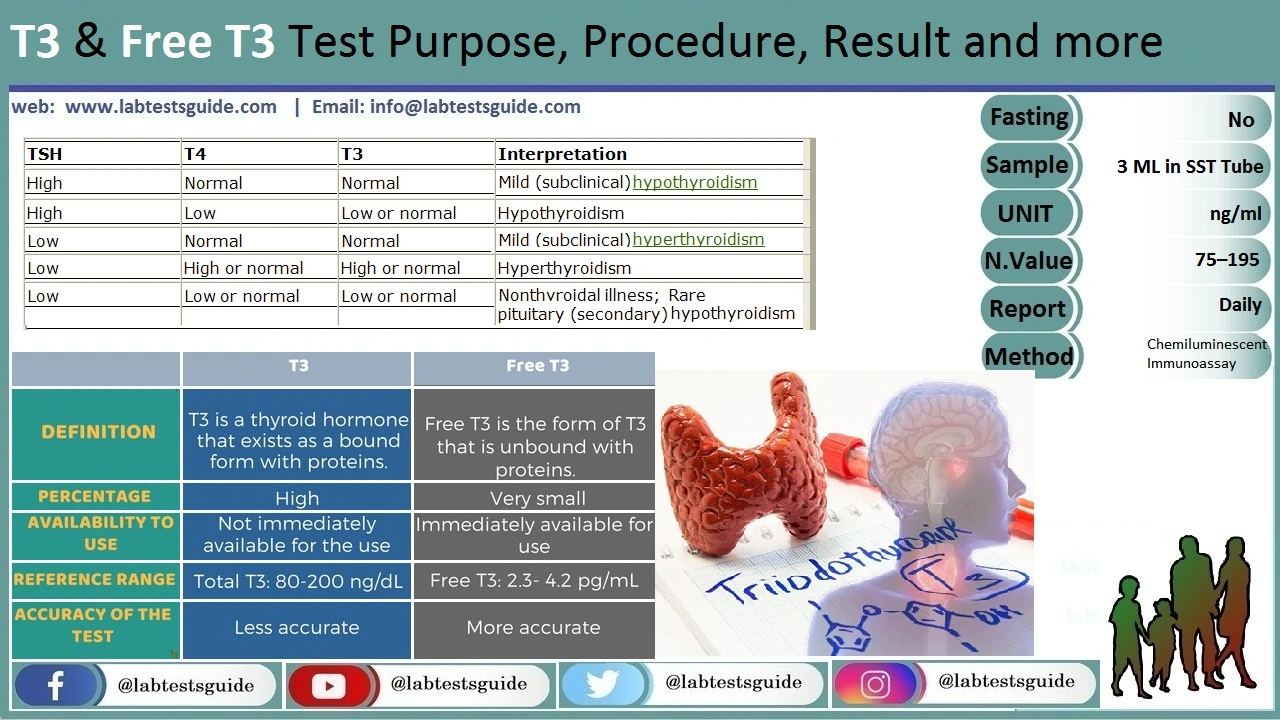
By analyzing the results of these tests together, a healthcare provider can accurately diagnose the specific type and severity of a thyroid disorder. For example, a patient with low TSH and high FT3 and FT4 levels strongly suggests hyperthyroidism. Conversely, high TSH and low FT3 and FT4 levels point towards hypothyroidism. However, there can be situations where TSH levels are normal, but FT3 or FT4 levels are abnormal, indicating subclinical thyroid disease.
Clinical Significance and Applications of the T3 Free Blood Test
The T3 free blood test plays a vital role in the diagnosis, monitoring, and management of a wide range of thyroid-related conditions. Its ability to accurately reflect the body’s active thyroid hormone status makes it an indispensable tool for clinicians.
Diagnosing Hyperthyroid and Hypothyroid Conditions
The FT3 test is particularly valuable in confirming or ruling out hyperthyroidism, especially in cases where TSH levels are suppressed but FT4 levels are still within the normal range. This situation can occur in “T3 toxicosis,” a specific type of hyperthyroidism where the thyroid produces excessive amounts of T3 but normal or near-normal amounts of T4. In such cases, measuring FT3 is essential for accurate diagnosis.
Similarly, in the diagnosis of hypothyroidism, FT3 levels, along with TSH and FT4, help characterize the severity and type of thyroid dysfunction. While TSH is the primary screening tool, FT3 and FT4 provide crucial details about the functional capacity of the thyroid gland.
Monitoring Thyroid Treatment
For individuals undergoing treatment for thyroid disorders, FT3 tests are instrumental in monitoring the effectiveness of their medication. Whether a patient is being treated for hyperthyroidism with antithyroid drugs or for hypothyroidism with thyroid hormone replacement therapy, regular FT3 (along with TSH and FT4) measurements help ensure that hormone levels are being brought back into the target range. Adjustments to medication dosages can be made based on these test results to achieve optimal symptom relief and physiological balance.
Evaluating Non-Thyroidal Illness (Sick Euthyroid Syndrome)
The FT3 test can also offer insights into the body’s response to severe illness or malnutrition, a condition known as “non-thyroidal illness” or “sick euthyroid syndrome.” In these situations, even if the thyroid gland itself is functioning normally, the body may alter thyroid hormone metabolism to conserve energy. This can lead to a decrease in FT3 levels, even though TSH and FT4 might appear normal or slightly altered. The FT3 test can help differentiate between true thyroid disease and these physiological adaptations to critical illness.
Understanding Subclinical Thyroid Dysfunction
Subclinical thyroid disease refers to thyroid abnormalities that are not yet causing overt symptoms but can be detected through laboratory tests. For example, subclinical hyperthyroidism is characterized by a suppressed TSH level with normal FT3 and FT4 levels. Subclinical hypothyroidism is indicated by an elevated TSH level with normal FT3 and FT4 levels. The FT3 test, along with FT4 and TSH, is crucial for identifying these early-stage thyroid dysfunctions, allowing for timely intervention and potentially preventing the progression to overt disease.
Conclusion: Empowering Health Through Precise Testing
The T3 free blood test is a sophisticated yet accessible diagnostic tool that provides invaluable information about the body’s thyroid hormone status. By accurately measuring the biologically active form of triiodothyronine, this test allows healthcare professionals to diagnose a spectrum of thyroid disorders, from overt hyperthyroidism and hypothyroidism to more subtle, subclinical variations. Its role in monitoring treatment efficacy and understanding complex physiological responses to illness further underscores its importance in modern medicine. As we continue to navigate the intricacies of human health, precise diagnostic tools like the T3 free blood test empower both patients and physicians with the knowledge needed to make informed decisions, optimize well-being, and manage thyroid health effectively. Regular check-ups and a proactive approach to understanding your body’s signals, coupled with advanced testing, are fundamental to maintaining a vibrant and healthy life.
aViewFromTheCave is a participant in the Amazon Services LLC Associates Program, an affiliate advertising program designed to provide a means for sites to earn advertising fees by advertising and linking to Amazon.com. Amazon, the Amazon logo, AmazonSupply, and the AmazonSupply logo are trademarks of Amazon.com, Inc. or its affiliates. As an Amazon Associate we earn affiliate commissions from qualifying purchases.