
The term “Systems Architect” often conjures images of complex diagrams, intricate blueprints, and individuals who speak a language seemingly foreign to the uninitiated. In the fast-paced world of technology, where innovation outpaces yesterday’s cutting edge, the role of a Systems Architect is not merely important; it is foundational. They are the master builders of the digital realm, responsible for designing, planning, and overseeing the creation of robust, scalable, and efficient technological systems that power businesses and organizations. More than just a technical role, it’s a strategic one, requiring a unique blend of deep technical knowledge, visionary thinking, and exceptional communication skills.

At its core, a Systems Architect is an expert in understanding the intricate relationships between different technological components and how they can be integrated to achieve specific business objectives. They don’t just build individual pieces of software or hardware; they design the entire ecosystem, ensuring that each element functions harmoniously and contributes to the overarching goals of the organization. This involves a holistic perspective, moving beyond the granular details to see the forest for the trees, and then meticulously planning how to plant and nurture each tree to create a thriving forest.
The Foundational Pillars of Systems Architecture
The role of a Systems Architect is built upon several critical pillars, each demanding a specific set of skills and responsibilities. These pillars ensure that the designed systems are not only functional but also resilient, adaptable, and aligned with the long-term vision of the enterprise.
Understanding Business Requirements and Translating Them into Technical Solutions
The journey of a Systems Architect begins long before any code is written or any server is provisioned. It starts with an in-depth understanding of the business. What are the organization’s goals? What challenges are they trying to overcome? What opportunities are they seeking to capitalize on? The Systems Architect acts as a crucial bridge between the business stakeholders and the technical teams. They must be adept at listening, questioning, and synthesizing information from non-technical individuals to extract the core needs and translate them into concrete technical requirements. This involves delving into processes, workflows, and user needs, identifying pain points, and envisioning how technology can not only solve immediate problems but also drive future growth and competitive advantage.
This translation process is far from straightforward. Business needs are often expressed in qualitative terms, while technical solutions require quantitative and precise specifications. The Systems Architect must possess the ability to deconstruct abstract concepts into actionable technical blueprints. This might involve identifying the need for a new customer relationship management (CRM) system, a scalable e-commerce platform, or a secure data analytics pipeline. The architect then charts the course, defining the technologies, the integration points, and the architectural patterns that will best serve these business objectives.
Designing the Blueprint: High-Level and Detailed System Design
Once the requirements are understood, the Systems Architect’s primary responsibility shifts to designing the system’s architecture. This is akin to an architect designing a building; they create the foundational plans, specifying the materials, the structure, and how different rooms and utilities will connect. The Systems Architect creates high-level architectural diagrams that illustrate the overall structure of the system, identifying key components, their relationships, and the flow of data and control. These diagrams serve as a roadmap for development teams, ensuring everyone is working towards a unified vision.
Beyond the high-level overview, the Systems Architect often delves into more detailed design specifications. This might include choosing specific programming languages, databases, middleware, and cloud services. They will define how different services will communicate with each other (e.g., through APIs), how data will be stored and managed, and how security measures will be implemented. The goal is to create an architecture that is not only functional but also adheres to principles of scalability, reliability, maintainability, and cost-effectiveness. This often involves making trade-offs between different solutions, balancing immediate needs with future growth potential. For instance, choosing between a monolithic architecture and a microservices approach requires careful consideration of development speed, deployment flexibility, and operational complexity.
Technology Selection and Evaluation
A critical aspect of the Systems Architect’s role is the judicious selection of technologies. The technology landscape is vast and ever-evolving, presenting a constant influx of new tools, frameworks, and platforms. The Systems Architect must possess a broad understanding of available technologies and the ability to evaluate them based on their suitability for the specific project and the organization’s existing infrastructure. This involves considering factors such as performance, security, scalability, cost, vendor support, and the skills of the development team.
The evaluation process is rigorous. It might involve proof-of-concept projects, vendor research, and consulting with subject matter experts. The Systems Architect needs to be forward-thinking, anticipating future technological trends and ensuring that the chosen technologies will remain relevant and supportable for the foreseeable future. This isn’t about simply picking the newest or most hyped technology; it’s about making informed decisions that align with the long-term strategic goals of the organization and minimize technical debt.
The Architect’s Role in the Development Lifecycle
The Systems Architect’s involvement extends far beyond the initial design phase. They play a crucial role throughout the entire software development lifecycle, ensuring that the implemented system aligns with the architectural vision and meets the highest standards.
Guiding Development Teams and Ensuring Adherence to Architecture
Once the architectural blueprint is established, the Systems Architect acts as a technical leader and mentor for the development teams. They are responsible for communicating the architectural vision clearly and ensuring that developers understand the design principles and guidelines. This involves providing direction, clarifying ambiguities, and resolving technical challenges that arise during the development process. The architect acts as the guardian of the architecture, reviewing code, design documents, and system implementations to ensure they conform to the established standards.
This guidance is vital for maintaining consistency and preventing architectural drift. Without a vigilant architect, development teams might inadvertently introduce design patterns that are inconsistent with the overall vision, leading to fragmentation, increased complexity, and potential issues down the line. The Systems Architect empowers developers by providing them with a solid framework and clear direction, enabling them to build high-quality, cohesive systems.
Overseeing Integration and Interoperability
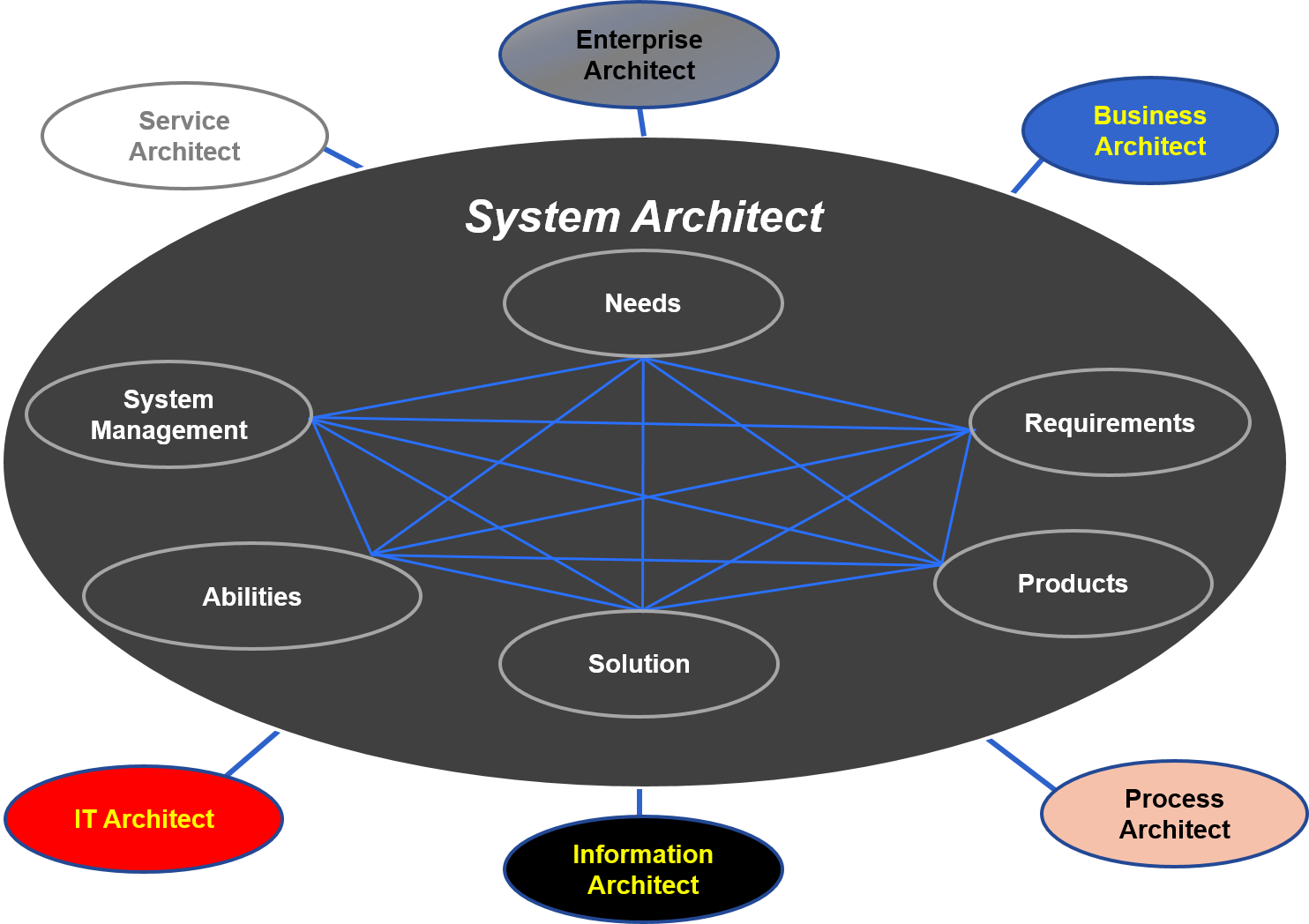
In modern enterprises, systems rarely operate in isolation. They are often interconnected, forming complex webs of communication and data exchange. A key responsibility of the Systems Architect is to design and oversee the integration of various systems, both internal and external. This involves defining how different applications, databases, and services will interact, ensuring seamless data flow and interoperability.
This requires a deep understanding of integration patterns, APIs, data transformation, and communication protocols. The Systems Architect must ensure that these integrations are robust, secure, and efficient, minimizing the risk of data loss or corruption. They also consider the scalability of these integrations, anticipating future growth and ensuring that the system can handle increasing volumes of data and traffic.
Ensuring System Quality: Performance, Security, and Scalability
The ultimate success of any system hinges on its quality. The Systems Architect is a champion for system quality, focusing on three critical aspects: performance, security, and scalability.
Performance Optimization
A system that is slow or unresponsive is a detriment to its users and the business. The Systems Architect designs systems with performance in mind from the outset. This involves selecting efficient algorithms, optimizing database queries, leveraging caching mechanisms, and ensuring that the underlying infrastructure can handle the expected load. Throughout the development process, they monitor performance metrics and identify bottlenecks, working with the development teams to implement optimizations.
Security by Design
In today’s threat landscape, security cannot be an afterthought; it must be ingrained in the very fabric of the system. The Systems Architect champions a “security by design” approach, incorporating security considerations into every stage of the architectural process. This includes defining access control mechanisms, implementing robust authentication and authorization protocols, encrypting sensitive data, and planning for vulnerability assessments and penetration testing. The goal is to build systems that are inherently resistant to attacks and protect user data and organizational assets.
Scalability for Future Growth
The digital landscape is dynamic, and businesses often experience periods of rapid growth. A systems architect must design systems that can scale to meet increasing demands without compromising performance or stability. This involves architecting for elasticity, allowing the system to automatically adjust its resources based on demand. Whether it’s handling a surge in website traffic during a promotional event or accommodating a growing user base, a scalable architecture ensures that the system can adapt and thrive.
The Evolving Role of the Systems Architect
The profession of a Systems Architect is not static. As technology advances and business needs evolve, so too does the role. The modern Systems Architect is increasingly expected to possess a broader skill set and a more strategic outlook.
Embracing Cloud-Native and Distributed Architectures
The advent of cloud computing has revolutionized how systems are built and deployed. Cloud-native architectures, characterized by services deployed on cloud platforms and leveraging services like containers and microservices, have become the norm for many organizations. The Systems Architect must be proficient in designing and managing these complex, distributed systems. This includes understanding concepts like container orchestration (e.g., Kubernetes), serverless computing, and the principles of designing for resilience and fault tolerance in a distributed environment.
The Rise of Data Architecture and AI Integration
With the explosion of data, data architecture has become a critical specialization within systems architecture. Systems Architects are increasingly responsible for designing how data is collected, stored, processed, and analyzed to derive meaningful insights. This includes working with data lakes, data warehouses, and real-time data streaming platforms. Furthermore, the integration of Artificial Intelligence (AI) and Machine Learning (ML) into business processes is a significant trend. Systems Architects are tasked with designing systems that can effectively leverage AI/ML models, ensuring the necessary data pipelines, computational resources, and integration points are in place for these intelligent systems to function.

Soft Skills: Communication, Collaboration, and Leadership
While technical prowess is essential, the modern Systems Architect also needs a strong suite of soft skills. They are often required to communicate complex technical concepts to non-technical stakeholders, negotiate with vendors, and lead cross-functional teams. Effective communication, active listening, problem-solving, and the ability to foster collaboration are paramount. A Systems Architect who can inspire confidence, build consensus, and effectively articulate their vision is invaluable to any organization. They are not just technical experts; they are leaders who guide the technological direction of the enterprise.
In conclusion, a Systems Architect is a pivotal figure in the technology landscape. They are the strategists, the designers, and the overseers of the digital infrastructure that powers our modern world. Their ability to blend technical depth with business acumen, to envision the future, and to meticulously plan its realization makes them indispensable in navigating the complexities of technological advancement and ensuring that organizations can effectively leverage technology to achieve their goals.
aViewFromTheCave is a participant in the Amazon Services LLC Associates Program, an affiliate advertising program designed to provide a means for sites to earn advertising fees by advertising and linking to Amazon.com. Amazon, the Amazon logo, AmazonSupply, and the AmazonSupply logo are trademarks of Amazon.com, Inc. or its affiliates. As an Amazon Associate we earn affiliate commissions from qualifying purchases.