
In the intricate world of branding and marketing, language is not merely a tool for communication; it is the very fabric upon which a brand’s identity, message, and perception are built. Understanding the nuanced relationship between synonyms and antonyms is not an academic exercise but a strategic imperative. These linguistic concepts, at their core, represent the power of similarity and opposition in meaning, and mastering them is paramount for any brand aiming to carve out a distinct identity, resonate with its audience, and navigate the complex landscape of public perception.
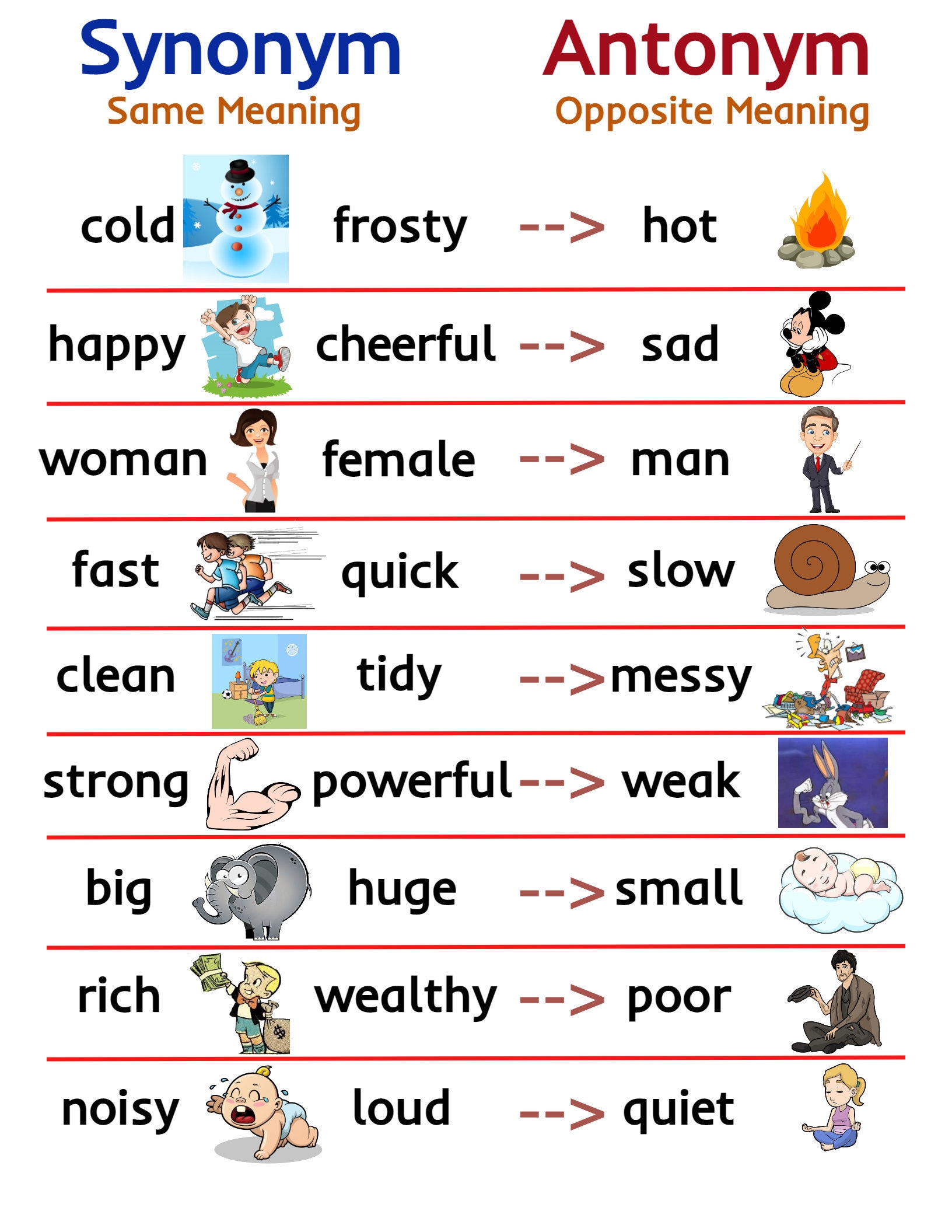
A synonym is a word or phrase that means exactly or nearly the same as another word or phrase in the same language. For instance, “innovative” and “pioneering” are synonyms, as are “reliable” and “dependable.” In branding, synonyms offer a rich palette of expressive choices, allowing marketers to articulate core values and benefits with precision, variety, and strategic emphasis. They enable a brand to convey a consistent message across diverse channels while avoiding linguistic monotony.

An antonym, conversely, is a word opposite in meaning to another. Examples include “fast” and “slow,” or “modern” and “traditional.” Antonyms are equally vital in brand strategy, not only for articulating what a brand is not, but also for understanding the competitive landscape, identifying potential pitfalls in messaging, and robustly defending a brand’s unique position against contradictory ideas or perceptions. By defining what a brand stands against, antonyms help sharpen its identity and create clear boundaries.
The Foundational Role of Language in Branding
Effective branding hinges on crystal-clear communication. Every word chosen for a slogan, a website description, a social media post, or an advertising campaign contributes to the overarching narrative and emotional connection a brand fosters with its audience. The lexicon of a brand—its unique vocabulary and linguistic style—is a cornerstone of its identity, influencing how it is perceived, remembered, and trusted.
Precision in Brand Messaging
The power of a brand message lies in its precision. Vague or poorly chosen words can lead to misinterpretation, diluting the intended impact or even alienating potential customers. By leveraging synonyms, brands can fine-tune their messaging to evoke precise emotions, convey specific attributes, and resonate deeply with target demographics. For example, a luxury brand might choose “exquisite” over “nice,” or “meticulous” over “careful,” to align with its high-end positioning. This deliberate selection ensures that every piece of communication reinforces the brand’s desired image and value proposition.
Crafting a Unique Brand Voice
A distinctive brand voice is crucial for standing out in a crowded marketplace. This voice is not just what a brand says, but how it says it. Synonyms provide the stylistic flexibility needed to develop a consistent yet varied brand voice. A playful brand might use synonyms like “quirky,” “whimsical,” or “zany,” while a serious financial institution might opt for “prudent,” “secure,” or “astute.” The careful curation of synonyms allows a brand to express its personality, values, and relationship with its audience, fostering recognition and loyalty. This strategic approach ensures that whether a customer encounters the brand on an email newsletter, a blog post, or a packaging insert, the underlying character remains consistently identifiable.
Synonyms: Expanding Your Brand’s Communicative Arsenal
The strategic deployment of synonyms offers multiple benefits, from enhancing discoverability to enriching brand personality and ensuring message adaptability.
Enhancing SEO and Discoverability
In the digital age, search engine optimization (SEO) is indispensable for brand visibility. While keywords are fundamental, relying on a single term can be limiting. Synonyms expand a brand’s SEO footprint, allowing it to rank for a broader array of related search queries. If a brand sells “sustainable clothing,” it can also optimize for “eco-friendly apparel,” “ethical fashion,” and “green garments.” This broadens the net, capturing users who might use different but semantically similar terms, thereby increasing organic traffic and discoverability without sacrificing the core message. Content creators and marketers can strategically weave in these related terms naturally throughout their web copy, blog posts, and product descriptions, signaling to search engines the comprehensive relevance of their brand’s offerings.
Cultivating Brand Personality through Word Choice
A brand’s personality is shaped by the cumulative effect of its communications. Synonyms are instrumental in adding depth and dimension to this personality. A brand that consistently uses lively, dynamic synonyms will project an energetic image, whereas one that employs formal, precise language will convey authority and professionalism. This deliberate lexical choice helps to define the emotional tone and relational style of the brand. For example, a tech startup aiming for an approachable vibe might use “simple,” “intuitive,” and “user-friendly,” rather than strictly “efficient” or “streamlined,” to describe its product, fostering a warmer connection with its audience.

Adapting Messages Across Platforms
Different communication platforms often demand distinct tones and formats. A brand’s message on Twitter, for example, will likely be more concise and direct than on a corporate whitepaper. Synonyms enable a brand to adapt its core message to suit these varying contexts while maintaining thematic consistency. A core brand attribute like “innovation” can be expressed as “breakthrough” in a press release, “cutting-edge” in a social media ad, or “forward-thinking” in an executive speech. This linguistic flexibility ensures that the brand’s identity remains coherent, regardless of the medium, preventing disjointed or off-brand communication.
Antonyms: Safeguarding Brand Reputation and Clarity
While synonyms build positive associations, antonyms play a crucial role in preventing negative ones and defining boundaries.
Avoiding Misinterpretation and Negative Connotations
Careful consideration of antonyms helps brands preemptively identify words or phrases that could carry undesirable connotations or lead to misinterpretation. A brand promoting “authenticity” must ensure its language never inadvertently suggests “deceit” or “artificiality.” Marketers must be vigilant about the potential negative associations of words, especially in diverse cultural contexts, and deliberately avoid them. Understanding antonyms allows for a strategic audit of language to remove any ambiguity that could inadvertently align the brand with concepts it actively opposes, protecting its integrity and reputation. This is especially vital in advertising where double meanings or unintended puns can backfire spectacularly.
Defining What Your Brand Is Not
Just as important as articulating what a brand is, is defining what it is not. Antonyms are powerful tools for drawing clear distinctions, especially in competitive markets. If a brand prides itself on being “exclusive,” it implicitly defines itself as “not mass-market” or “not common.” By deliberately positioning itself against its antonyms, a brand can sharpen its unique selling proposition and differentiate itself from competitors. This creates a strong “us vs. them” dynamic in the consumer’s mind, cementing the brand’s distinct appeal. For instance, a brand touting its “durability” might highlight its opposition to “flimsy” or “disposable” alternatives, reinforcing its value proposition.
Crisis Communication and Brand Protection
In times of crisis, a brand’s communication strategy is under intense scrutiny. Antonyms become critical in clarifying misconceptions, refuting false claims, and reaffirming core values. When confronted with accusations of being “irresponsible,” a brand must deploy language that unequivocally expresses its “accountability” and “commitment.” The ability to articulate clear opposites helps to decisively counter negative narratives and rebuild trust. Having a pre-defined lexicon of positive antonyms to counter potential criticisms is a key component of a robust crisis communication plan, allowing for swift and effective responses that reaffirm the brand’s true nature.
Integrating Lexical Nuance into Brand Strategy
To harness the full power of synonyms and antonyms, brands must integrate linguistic precision into their core strategy. This involves both analytical tools and internal training.
Tools and Techniques for Semantic Analysis
Modern marketing benefits immensely from technology. Brands can employ sophisticated semantic analysis tools and natural language processing (NLP) to gain insights into how their language is perceived. These tools can identify the emotional valence of words used in marketing materials, detect unintended connotations, and suggest alternative synonyms that better align with brand objectives. They can also analyze competitor language to pinpoint unique lexical territories. By mapping out semantic fields, brands can strategically choose words that occupy unique positions, avoiding generic language and forging a distinctive linguistic identity that is hard for competitors to replicate. This deep analysis helps uncover not just direct synonyms and antonyms, but also subtle associations and cultural nuances.
Training Your Team on Brand Language Guidelines
The consistent application of brand language across all touchpoints requires comprehensive internal guidelines and training. Every team member, from content creators and customer service representatives to product developers and executives, must understand the brand’s approved lexicon, its preferred synonyms for key attributes, and words to avoid (its antonyms). A detailed brand style guide should include not only grammatical rules but also a “brand vocabulary” section. This section would list core brand terms, their acceptable synonyms, and a list of undesirable words or phrases (antonyms or negatively associated terms) that do not align with the brand’s ethos. Regular workshops and refresher courses can reinforce these guidelines, ensuring that every piece of communication uniformly strengthens the brand’s identity and protects its reputation. This commitment to linguistic discipline transforms a collection of words into a powerful, cohesive brand narrative.
aViewFromTheCave is a participant in the Amazon Services LLC Associates Program, an affiliate advertising program designed to provide a means for sites to earn advertising fees by advertising and linking to Amazon.com. Amazon, the Amazon logo, AmazonSupply, and the AmazonSupply logo are trademarks of Amazon.com, Inc. or its affiliates. As an Amazon Associate we earn affiliate commissions from qualifying purchases.