
In the dynamic world of property rentals, flexibility and financial prudence are highly valued commodities. For many tenants and prospective renters alike, a standard lease agreement, with its typically long-term commitments and stringent terms, can sometimes feel restrictive. This is where the concept of a sublease agreement emerges as a crucial financial and logistical tool. Far more than just a casual arrangement to share living space, a sublease is a legally binding contract that redefines the traditional landlord-tenant relationship, introducing new layers of financial responsibility and opportunity.
At its core, a sublease agreement allows an existing tenant (the “sublessor”) to rent out all or part of their rented property to another individual (the “subtenant”). This arrangement doesn’t typically involve the original landlord directly signing a new lease with the subtenant. Instead, the sublessor steps into a quasi-landlord role, becoming financially responsible to the original landlord while simultaneously managing the financial and occupancy terms with their subtenant. Understanding the intricacies of a sublease is vital for anyone looking to mitigate financial burdens, find flexible housing solutions, or simply navigate the complex landscape of rental property with greater confidence. This article will delve into the financial mechanics, benefits, risks, and essential considerations surrounding sublease agreements, framing them within the broader context of personal and business finance.
The Core Mechanics of a Sublease: A Financial Framework
To truly grasp the implications of a sublease, it’s essential to understand the financial relationships and responsibilities among the three primary parties involved. This triangular financial structure dictates how money flows, who is accountable for what, and where potential financial risks lie.
Defining the Key Players and Their Financial Roles
- Original Tenant (Sublessor): This individual or entity holds the primary lease agreement with the property owner. In a sublease scenario, they assume a dual role. Firstly, they remain fully financially obligated to the original landlord, meaning they are responsible for ensuring the rent is paid on time, regardless of whether the subtenant pays them. Secondly, they become the de facto landlord to the subtenant, collecting rent, managing the security deposit, and overseeing the subtenant’s adherence to the sublease terms. Their financial health can be significantly impacted by the subtenant’s reliability.
- Subtenant (Sublessee): This is the individual or entity who rents the property (or a portion thereof) from the original tenant. Their primary financial obligation is to pay rent and potentially a security deposit directly to the sublessor, as outlined in the sublease agreement. They are not directly financially responsible to the original landlord. Their financial commitment is typically less extensive than a primary lease, often involving shorter terms and potentially lower overall costs.
- Landlord/Property Owner: The landlord owns the property and has the primary lease agreement with the original tenant. While they might not be a direct signatory on the sublease agreement, their approval is almost universally required. Their financial interest lies in ensuring their property is cared for and that the rent from the original tenant is consistently paid. They typically have no direct financial recourse against the subtenant if issues arise, reinforcing the sublessor’s ongoing financial liability.
Financial Structure of a Sublease: Rent, Deposits, and Expenses
The financial architecture of a sublease agreement needs meticulous planning to avoid disputes and ensure smooth operation.
- Rent Payments: The most significant financial aspect. The sublease agreement will stipulate the rent amount the subtenant pays to the sublessor, the payment schedule, and acceptable payment methods. Often, the sublessor charges the subtenant the same or a slightly adjusted rent amount as their original lease, aiming to cover their own financial obligation. However, in high-demand markets, a sublessor might charge slightly more (within legal limits) to compensate for their administrative efforts or included amenities. Conversely, in a rush to find a subtenant, they might offer a reduced rate, accepting a small loss to avoid a larger one (e.g., breaking the original lease).
- Security Deposits: Similar to a standard lease, sublessors typically collect a security deposit from the subtenant. This deposit serves as financial protection against potential property damage or unpaid rent. The sublessor is responsible for holding this deposit in accordance with local laws (e.g., in an escrow account) and returning it, minus any legitimate deductions, at the end of the sublease term. This places a significant financial and legal responsibility on the sublessor.
- Utilities and Other Expenses: The sublease agreement must clearly delineate who is responsible for utility costs (electricity, gas, water, internet), amenity fees, and other recurring expenses. Common arrangements include the subtenant paying a fixed portion, paying specific utilities directly, or having all utilities included in the rent (which the sublessor then pays). Ambiguity here can lead to significant financial friction.
- Financial Risks for the Sublessor: If the subtenant fails to pay rent, damages the property beyond the security deposit, or violates other financial terms, the original tenant (sublessor) remains solely liable to the landlord for all rent and damages. This creates a significant financial exposure for the sublessor, highlighting the critical need for thorough subtenant vetting.
- Financial Considerations for the Subtenant: For the subtenant, the financial considerations revolve around affordability, value, and the terms of payment. They must ensure the rent and associated costs fit their budget, and that the financial obligations are clearly laid out, offering transparency and predictability.
Why Sublease? Financial Motivations and Benefits
Subleasing isn’t merely a convenience; it’s often a strategic financial decision driven by a variety of circumstances for both the original tenant and the prospective subtenant.
For the Original Tenant (Sublessor): Mitigating Financial Burden
The primary driver for a sublessor to enter into a sublease agreement is often financial relief.
- Mitigating Financial Burden: Life happens. Job relocations, temporary assignments, extended travel, or a need to temporarily move closer to family can leave a tenant with an unoccupied apartment and an ongoing rent obligation. Subleasing allows the original tenant to recover some or all of their monthly rent, significantly easing their financial strain. Instead of paying for an empty unit, they generate income.
- Avoiding Lease Break Penalties: Breaking a lease early can be an incredibly costly endeavor, often involving multiple months’ rent as a penalty, forfeiture of security deposits, and even legal fees. Subleasing presents a viable alternative, allowing the tenant to maintain their lease agreement while offsetting costs, thus circumventing these severe financial penalties.
- Maintaining Financial Stability: For individuals or small businesses, an unexpected move or a temporary downturn could severely impact cash flow. A sublease provides a mechanism to maintain a steady income stream that covers overheads, ensuring continued financial stability even when the property is not being directly utilized.
For the Subtenant (Sublessee): Cost Savings and Flexibility
For the subtenant, a sublease offers distinct advantages, particularly in terms of financial accessibility and flexibility.
- Cost Savings: In many expensive rental markets, finding an affordable, well-located apartment can be challenging. Subleases can sometimes offer lower rent than direct leases, especially if the sublessor is eager to cover their costs quickly. Additionally, shared subleases (e.g., renting a room within an already leased apartment) significantly reduce individual housing expenses.
- Flexibility and Shorter Terms: Many subleases are for shorter durations (e.g., 3-6 months), making them ideal for individuals needing temporary housing. This includes students on internships, new residents testing out a city before committing to a long-term lease, or professionals on short-term contracts. This flexibility avoids the financial commitment of a 12-month lease.
- Accessibility: Subleases can provide access to desirable neighborhoods or properties that might otherwise be out of reach due to high demand, strict landlord requirements, or the unavailability of direct leases. This opens up financially attractive housing options.
- Reduced Upfront Costs: Sometimes, sublessors might have more lenient application requirements or fewer upfront fees compared to traditional landlords, making the initial financial outlay for a subtenant potentially lower.
Navigating the Financial and Legal Landscape of Subleasing
While offering significant financial benefits, subleasing is not without its complexities. A thorough understanding of the legal and financial landscape is paramount to protect all parties involved.
The Critical Role of the Original Lease and Landlord Approval
The original lease agreement is the foundation upon which any sublease must be built. Ignoring its terms can lead to severe financial and legal repercussions.
- Checking Lease Clauses: Before even considering a sublease, the original tenant must meticulously review their primary lease. Many leases contain specific clauses regarding subleasing – some prohibit it entirely, some require explicit landlord consent, and others may stipulate conditions or fees. Violating a “no-subleasing” clause can lead to lease termination, eviction, and significant financial penalties for the original tenant.
- Obtaining Written Consent: If the original lease allows subleasing with consent, securing written approval from the landlord is non-negotiable. This protects the sublessor from legal action and ensures the landlord is aware and agreeable to the arrangement, minimizing future financial disputes or eviction risks. Verbal consent is insufficient and can lead to major financial headaches down the line.
- Understanding Landlord’s Terms: Landlords often have their own conditions for approving a sublease, which might include screening processes for the subtenant, specific insurance requirements, or administrative fees. The sublessor must factor these potential costs and hurdles into their financial planning.
Crafting a Robust Sublease Agreement: Protecting Your Money
A well-drafted sublease agreement is the ultimate financial safeguard for the sublessor and provides clarity for the subtenant. It should be comprehensive and legally sound.
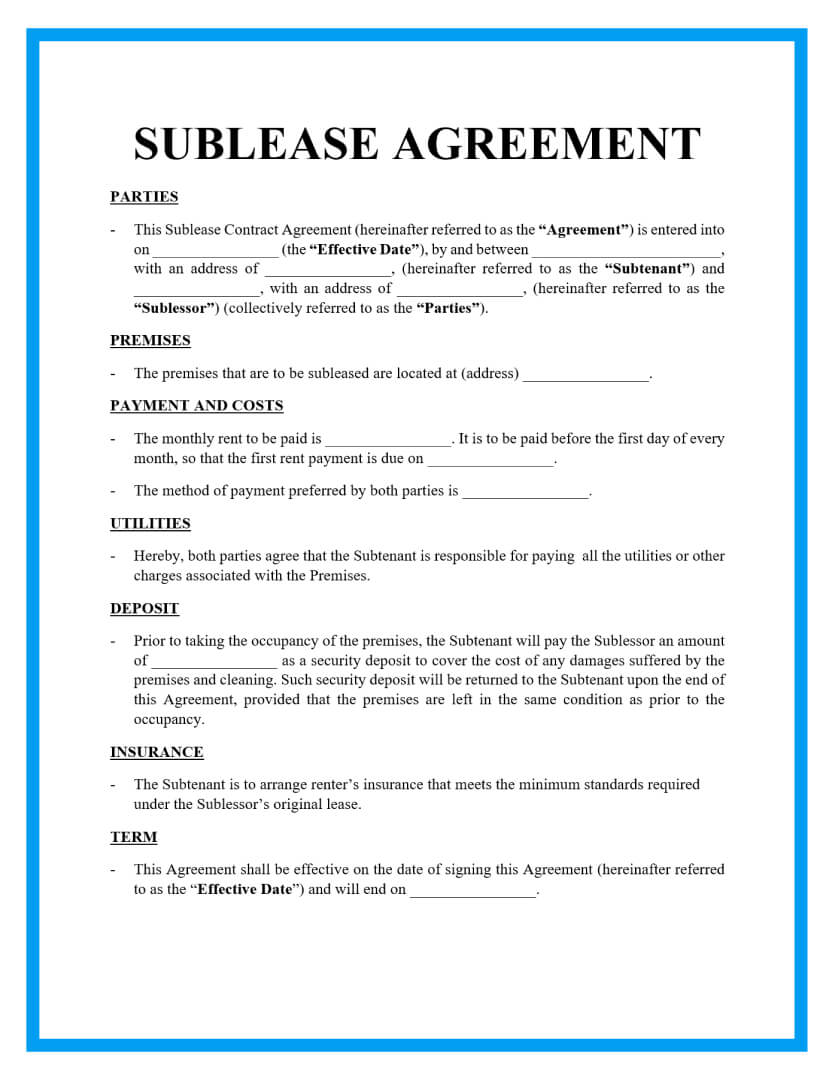
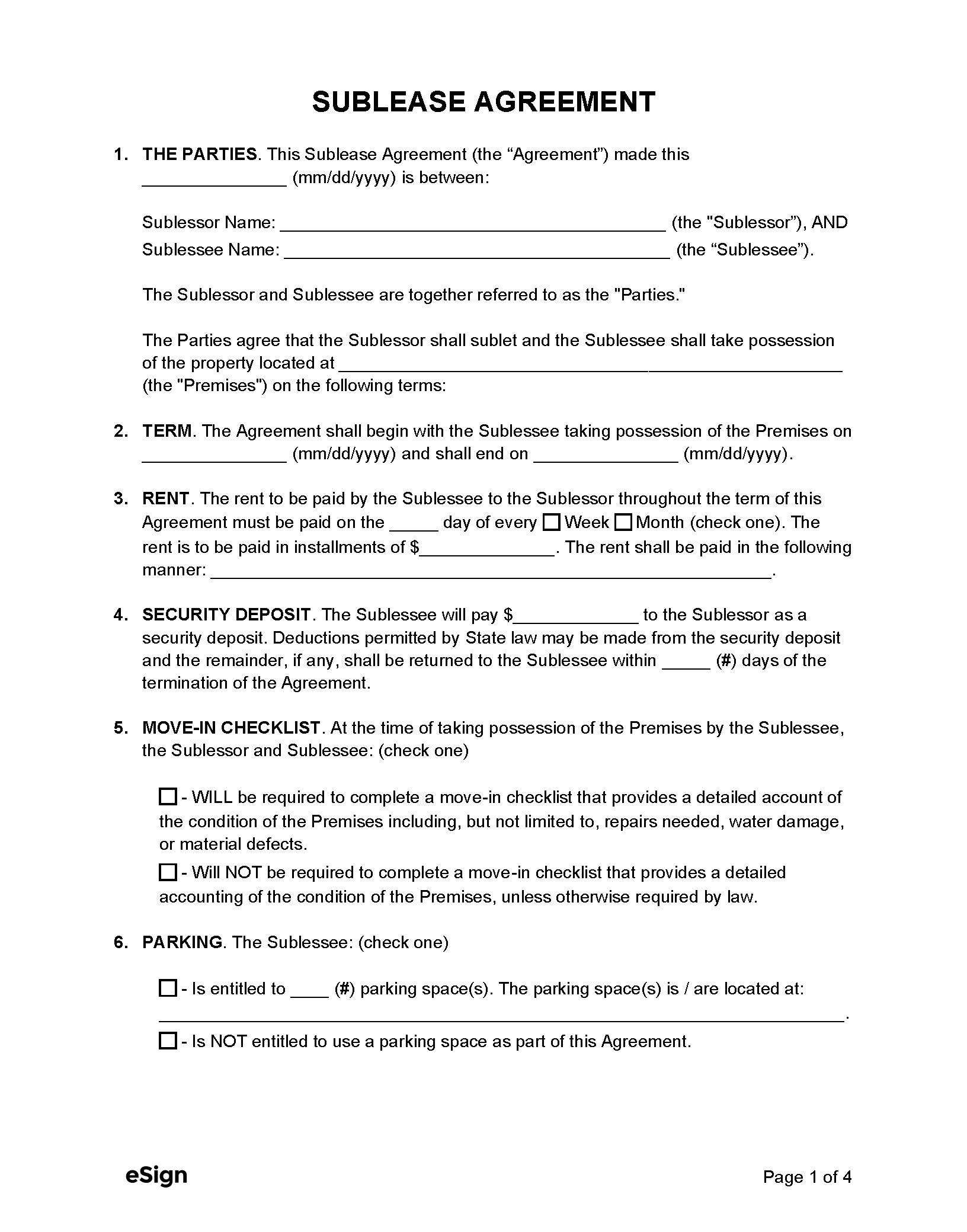
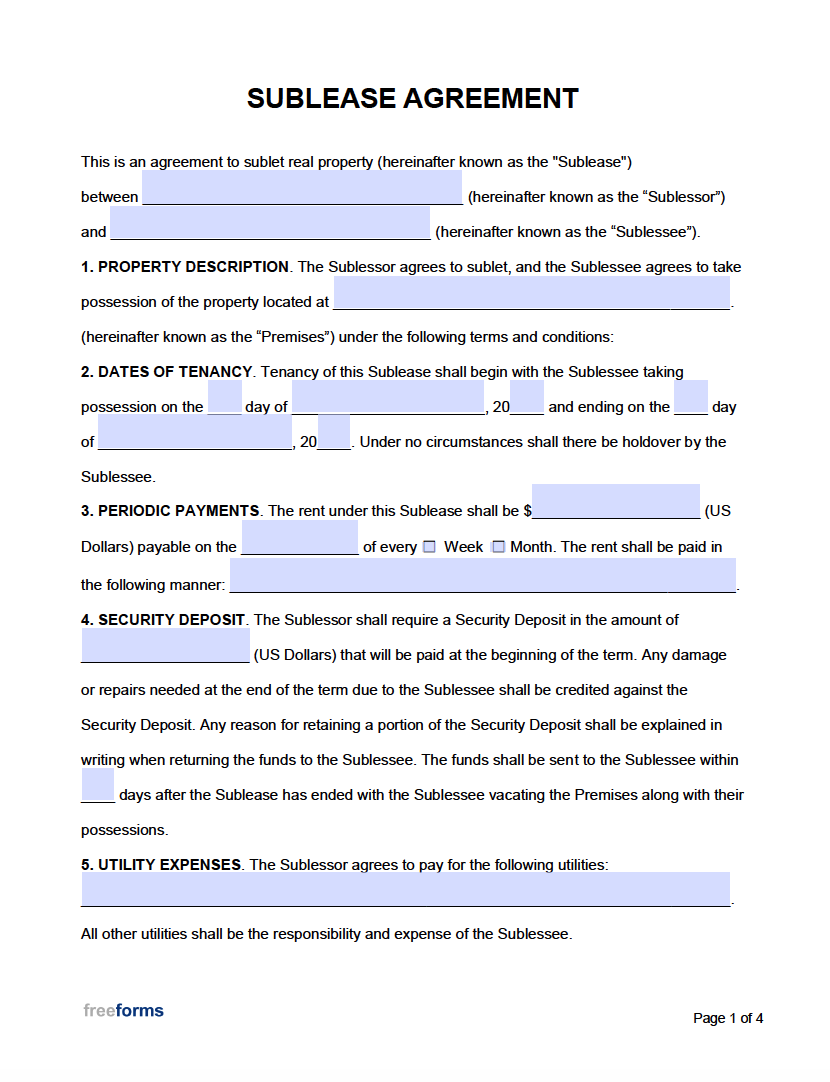
- Essential Financial Clauses: The agreement must explicitly detail the rent amount, due dates, late payment penalties, and the exact terms for the security deposit (amount, how it’s held, conditions for return). Clear delineation of who pays for utilities, internet, and other shared expenses is vital to prevent future financial disagreements.
- Term and Termination: The start and end dates of the sublease must be precise, along with any conditions for early termination (and associated financial penalties, if applicable). This ensures both parties understand their financial commitments for the duration.
- Damage and Responsibility: The agreement should clearly outline the subtenant’s financial responsibility for any damage beyond normal wear and tear and how these costs will be assessed against the security deposit or claimed otherwise.
- Insurance Considerations: It’s highly advisable for subtenants to obtain renter’s insurance to protect their personal belongings. Sublessors should understand how a sublease impacts their own insurance policy, as a subtenant’s actions could potentially affect their coverage or liability.
Potential Financial Pitfalls and How to Avoid Them
Even with careful planning, financial risks exist in subleasing. Proactive measures are key to mitigating them.
- Subtenant Default: The most significant financial risk for the sublessor is the subtenant’s failure to pay rent or other agreed-upon expenses. Remember, the sublessor remains financially liable to the original landlord. Rigorous vetting (credit checks, income verification, references) is crucial to assess a prospective subtenant’s financial reliability.
- Property Damage: While a security deposit offers some protection, severe damage could exceed its value, leaving the sublessor to cover the difference. Clear agreement terms and photographic evidence of property condition before and after the sublease are essential.
- Illegal Subleasing: Subleasing without landlord consent or in violation of the original lease can lead to eviction, significant fines, and legal battles, all carrying heavy financial burdens for the sublessor.
- Misunderstandings over Expenses: Vague clauses regarding shared utilities, internet, or other costs can lead to constant disputes and financial resentment. Itemizing every shared expense and defining responsibilities explicitly is critical.
Financial Due Diligence for All Parties
A successful sublease, both financially and relationally, hinges on due diligence from every party involved.
For the Sublessor: Safeguarding Your Investment
- Thorough Vetting: Treat the subtenant screening process as if you were a landlord. Conduct credit checks, verify employment and income, and contact previous landlords or references. This is your primary defense against financial default or property damage.
- Clear Financial Record Keeping: Maintain meticulous records of all rent payments received, security deposit handling, and any expenses incurred related to the sublease. This is crucial for accountability and potential dispute resolution.
- Understanding Tax Implications: Rent income received from a subtenant may be taxable. Consult with a financial advisor or tax professional to understand your obligations and potential deductions.
For the Subtenant: Protecting Your Financial Interest
- Budgeting: Before committing, ensure the rent and all associated costs (utilities, fees) are well within your budget. Don’t overextend yourself financially.
- Reviewing the Agreement Carefully: Read every clause of the sublease agreement. Understand your financial responsibilities regarding rent, security deposit, damages, and utility payments. Ask for clarification on anything unclear.
- Verifying Sublessor’s Authority: Request proof that the sublessor has permission from the original landlord to sublease. This protects you from potentially entering an illegal arrangement, which could lead to eviction and financial loss.
For the Landlord: Protecting Property and Income
- Setting Clear Subleasing Policies: Landlords should have explicit policies regarding subleasing in their primary lease agreements. This protects their property, ensures tenant quality, and maintains a clear chain of financial responsibility.
- Vetting and Approving Subtenants: Where subleasing is permitted, landlords should retain the right to approve subtenants, applying their standard screening criteria to ensure the property is occupied by responsible individuals, thereby protecting their financial asset.
- Ensuring Compliance: Landlords must ensure any approved sublease aligns with local housing laws and their own lease terms to avoid legal and financial complications.
Conclusion
A sublease agreement, when executed thoughtfully and legally, is a powerful financial tool that offers considerable flexibility and cost-saving opportunities for both original tenants and subtenants. For the sublessor, it provides a vital mechanism to offset ongoing rental obligations and avoid severe financial penalties associated with breaking a lease. For the subtenant, it offers access to temporary, often more affordable, housing solutions that align with transient lifestyles or budget constraints.
However, the success and financial integrity of a sublease hinge on meticulous attention to detail, transparent communication, and robust legal documentation. All parties must engage in thorough due diligence – from the sublessor’s rigorous screening of prospective subtenants to the subtenant’s careful review of financial terms and verification of the sublease’s legality. The original landlord’s consent and understanding of their policies are the bedrock of a legitimate arrangement. By understanding the financial mechanics, anticipating potential pitfalls, and adhering to legal requirements, individuals can leverage subleasing not just as a temporary housing solution, but as a strategic component of their personal and business financial planning.
aViewFromTheCave is a participant in the Amazon Services LLC Associates Program, an affiliate advertising program designed to provide a means for sites to earn advertising fees by advertising and linking to Amazon.com. Amazon, the Amazon logo, AmazonSupply, and the AmazonSupply logo are trademarks of Amazon.com, Inc. or its affiliates. As an Amazon Associate we earn affiliate commissions from qualifying purchases.