
A story theme is the underlying message, idea, or insight that a narrative explores. It’s not simply the plot, which describes what happens in a story, nor is it the subject, which is the broad topic the story is about (e.g., war, love, adventure). Instead, the theme is the meaning or commentary the author is making about that subject. It’s the “so what?” of the story, the universal truth or observation about life, human nature, or society that the author wants to convey. Think of it as the narrative’s soul, the invisible force that gives the story its depth and resonance.
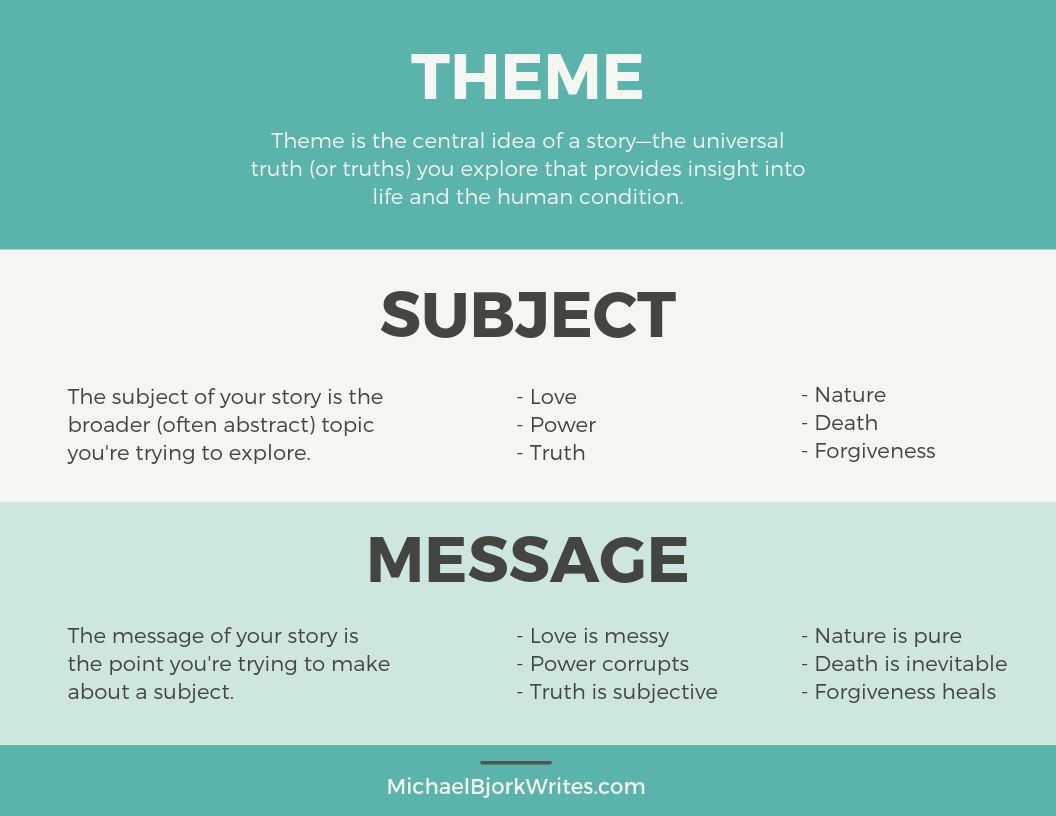
Themes are often abstract concepts, such as courage, redemption, betrayal, the corrupting nature of power, the importance of family, or the struggle between good and evil. They are rarely stated directly by the author. Instead, they are woven into the fabric of the story through the characters’ actions, their relationships, the plot’s progression, the setting, and the symbolic elements within the narrative. A well-developed theme elevates a story from a mere sequence of events to a meaningful exploration of the human condition, inviting readers to ponder, question, and connect with the material on a deeper level.
Thematic Elements: Building Blocks of Meaning
While a theme is a singular, overarching message, its manifestation within a story is a complex interplay of various elements. These thematic elements act as the building blocks, each contributing to the overall understanding and impact of the central idea. Identifying and analyzing these components is crucial for both writers aiming to craft resonant narratives and readers seeking to unlock the deeper layers of meaning.
Character Development and Transformation
Characters are often the primary vehicles through which themes are explored. Their journeys, struggles, decisions, and growth (or lack thereof) directly reflect and illuminate the central themes. A character’s internal conflicts can represent a thematic exploration of duality, such as the battle between duty and desire, or the conflict between societal expectations and personal aspirations. Their external actions, the choices they make when faced with moral dilemmas, reveal the author’s perspective on themes like justice, sacrifice, or the consequences of greed.
For instance, in a story exploring the theme of “the corrupting nature of power,” a protagonist might start with noble intentions but gradually succumb to the temptations of authority, exhibiting arrogance, ruthlessness, and a disregard for others. Their transformation, or devolution, serves as a stark illustration of the theme. Conversely, a character who overcomes adversity through resilience and inner strength can embody the theme of “the power of the human spirit.” The way characters evolve, adapt, or remain steadfast in the face of challenges provides tangible evidence of the abstract thematic concepts at play. Their relationships with other characters also contribute significantly. A strained family relationship might explore themes of forgiveness or resentment, while a deep friendship could highlight loyalty and camaraderie.
Plot and Conflict: The Engine of Thematic Revelation
The plot, the sequence of events in a story, is not merely a series of actions but a carefully constructed engine for thematic revelation. The conflicts that arise within the plot – be they internal (a character battling their own demons) or external (characters facing off against each other, nature, or society) – are where thematic ideas are put to the test and their implications are revealed.
Consider a story centered on the theme of “the futility of revenge.” The plot would likely involve a character seeking retribution for a past wrong. The unfolding events would demonstrate the destructive cycle of vengeance, the emotional toll it takes, and the fact that it rarely brings true peace or resolution. The climax and resolution of such a plot would then underscore the thematic message. Similarly, a story exploring the theme of “coming of age” would feature a protagonist navigating various trials and tribulations that force them to mature, gain self-awareness, and transition from adolescence to adulthood. The resolution of these plot points, the lessons learned, and the character’s altered perspective all contribute to the thematic understanding. The very structure of the plot – its rising action, climax, and falling action – can also mirror thematic progression, from initial emergence to peak intensity and eventual resolution or consequence.
Symbolism and Imagery: The Subtle Language of Theme
Beyond explicit character actions and plot developments, authors often employ symbolism and imagery to imbue their stories with deeper thematic meaning. Symbols are objects, people, or events that represent something beyond their literal meaning, acting as potent shorthand for abstract ideas. Imagery, the use of descriptive language that appeals to the senses, can evoke specific emotions and associations that reinforce thematic concepts.
For example, a recurring image of a wilting flower might symbolize decay, loss, or the fading of hope, thus contributing to a theme of mortality or disillusionment. A stormy sea could represent inner turmoil or societal chaos, aligning with themes of conflict or uncertainty. The color white might symbolize purity or innocence, while darkness could represent evil or ignorance. Authors use these subtle cues to create layers of meaning that resonate with readers on an intuitive level. A story about redemption might feature recurring imagery of light breaking through darkness, or a character finding solace by a babbling brook, symbolizing cleansing and renewal. These visual and sensory elements act as a silent commentary, enriching the thematic tapestry of the narrative.
Uncovering the Theme: A Reader’s Detective Work
Identifying a story’s theme is rarely a straightforward process. It requires active engagement from the reader, an analytical approach akin to detective work, piecing together clues to arrive at the author’s intended message. This involves moving beyond surface-level comprehension and delving into the deeper currents of the narrative.
Analyzing Character Motivations and Resolutions
The “why” behind a character’s actions is a critical gateway to understanding the theme. What drives them? What are their deepest desires, fears, and beliefs? By examining the motivations that propel characters through the plot, we can begin to infer the thematic issues the author is exploring. Are characters driven by love, greed, duty, or fear? The consequences of these motivations, their successes and failures, offer profound insights into the author’s commentary on human nature.
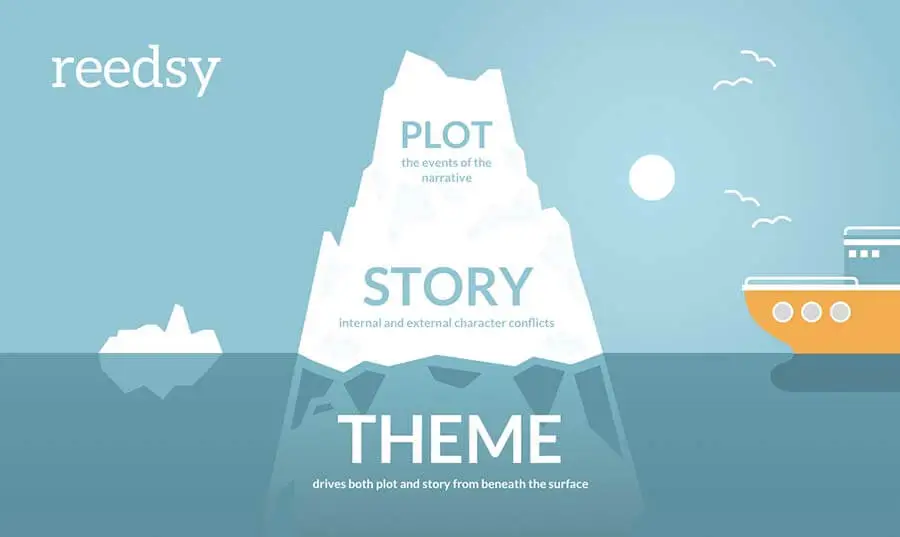
Furthermore, a character’s resolution – how they end up, what they have learned, or the state they are in at the story’s conclusion – is often the most direct expression of the theme. If a character who sought revenge ultimately finds themselves isolated and miserable, the theme of the destructive nature of revenge is powerfully illustrated. If a character who initially struggled with self-doubt ultimately finds confidence and self-acceptance, the theme of personal growth or the importance of inner strength is likely being conveyed. The character’s journey, from their initial state to their final one, embodies the thematic arc.
Interrogating Plot Events and Their Significance
The plot is not a random occurrence of events but a deliberate construction designed to illustrate a point. Each significant event, each turning point, each confrontation, serves a purpose in developing and revealing the theme. Readers should ask themselves: why did this event happen? What were the consequences? What does this event reveal about the characters or the world of the story?
For instance, a plot twist that exposes a betrayal might underscore themes of trust and deceit. A moment of unexpected kindness in a brutal setting could highlight themes of hope or humanity’s resilience. The overarching structure of the plot, from its initial premise to its ultimate conclusion, often mirrors the thematic progression. A story that starts with chaos and ends with order might be exploring themes of societal rebuilding or the triumph of reason over disorder. By scrutinizing the cause-and-effect relationships within the plot and considering the significance of key incidents, readers can reconstruct the author’s thematic intentions.
Examining Recurring Motifs and Symbols
Motifs are recurring elements – images, ideas, sounds, actions – that have symbolic significance and contribute to the development of the theme. Like recurring characters or plot points, these motifs serve as thematic echoes, reinforcing the central message throughout the narrative. Symbols, as discussed earlier, are specific objects or concepts that represent larger, abstract ideas.
When readers notice the repeated appearance of a particular image, object, or idea, they should pay close attention. For example, if the image of a locked door appears multiple times, it might symbolize obstacles, secrets, or a lack of access, contributing to themes of confinement, mystery, or the struggle for freedom. A recurring musical phrase could evoke a specific emotion or memory tied to a thematic element. The cumulative effect of these recurring motifs and symbols can create a powerful undercurrent of meaning that strengthens the reader’s understanding of the theme. Identifying and tracing these patterns is essential for a comprehensive thematic analysis.
The Impact and Purpose of Story Themes
Themes are not mere academic exercises; they are the vital force that transforms a story from simple entertainment into something meaningful and enduring. They provide a framework for understanding the human experience and offer a lens through which to examine the complexities of life. The impact of a well-executed theme can resonate with readers long after they have finished the last page.
Connecting with Universal Human Experiences
At their core, themes tap into universal human experiences, emotions, and truths. Whether it’s the pain of loss, the joy of love, the fear of the unknown, or the desire for belonging, these are experiences that transcend cultural and temporal boundaries. By exploring these shared aspects of humanity, stories with strong themes create a powerful sense of connection between the reader and the narrative, and even between readers themselves. A story about the sacrifices a parent makes for their child can resonate with anyone who has experienced or witnessed parental love, regardless of their background.
This universality is what makes stories timeless. While the specific settings and characters may change, the underlying themes of ambition, resilience, or the search for identity remain relevant across generations. They allow readers to see themselves in the characters, to reflect on their own lives and choices, and to gain new perspectives on the world around them. Themes act as a mirror, reflecting our own humanity back to us in a way that is both insightful and cathartic.
Providing Insight and Encouraging Reflection
Beyond emotional connection, themes serve a crucial intellectual purpose: they offer insight and encourage reflection. A well-crafted theme doesn’t simply present an idea; it interrogates it, exploring its nuances, complexities, and potential contradictions. This can challenge readers’ preconceived notions, broaden their understanding of different perspectives, and provoke critical thinking.
For instance, a story exploring the theme of “justice” might not present a simple good versus evil narrative. It might delve into the complexities of moral ambiguity, the limitations of legal systems, or the unintended consequences of well-intentioned actions. This encourages readers to consider different facets of justice and to question their own assumptions. Themes invite readers to ponder the “why” and “how” of human behavior and societal structures, fostering a deeper appreciation for the intricacies of life. They can prompt introspection, leading readers to examine their own values, beliefs, and actions in light of the story’s message.

Elevating Narrative from Entertainment to Art
Ultimately, the presence of a strong, well-developed theme is what distinguishes mere entertainment from genuine art. While plot, character, and descriptive prose are all important components of a compelling story, it is the thematic depth that imbues a narrative with lasting significance and artistic merit. Themes provide the intellectual and emotional scaffolding that allows a story to transcend its immediate context and to speak to broader truths about the human condition.
A story that merely tells a thrilling adventure without any underlying message might be entertaining in the moment, but it is unlikely to linger in the reader’s mind or to be remembered for its profound insights. Conversely, a story that, through its characters, plot, and symbolism, skillfully explores themes of love, loss, or the search for meaning can become a profound and moving experience, a work of art that continues to engage and enlighten audiences for years to come. The theme is the invisible thread that binds all the elements of a story together, giving it coherence, purpose, and enduring power.
aViewFromTheCave is a participant in the Amazon Services LLC Associates Program, an affiliate advertising program designed to provide a means for sites to earn advertising fees by advertising and linking to Amazon.com. Amazon, the Amazon logo, AmazonSupply, and the AmazonSupply logo are trademarks of Amazon.com, Inc. or its affiliates. As an Amazon Associate we earn affiliate commissions from qualifying purchases.