
The stock pot is perhaps the most underrated, yet essential, instrument in the professional and home kitchen alike. While many aspiring cooks prioritize specialized gadgets, high-end knives, or convection ovens, the humble stock pot remains the workhorse of culinary production. When evaluating a kitchen setup from a business finance perspective—where efficiency, durability, and versatility drive the return on investment—the stock pot stands out as a core asset. It is the primary tool for high-volume liquid-based cooking, representing a foundational piece of equipment that pays for itself through longevity and multi-purpose functionality.
The Versatility of the Stock Pot in Large-Scale Cooking
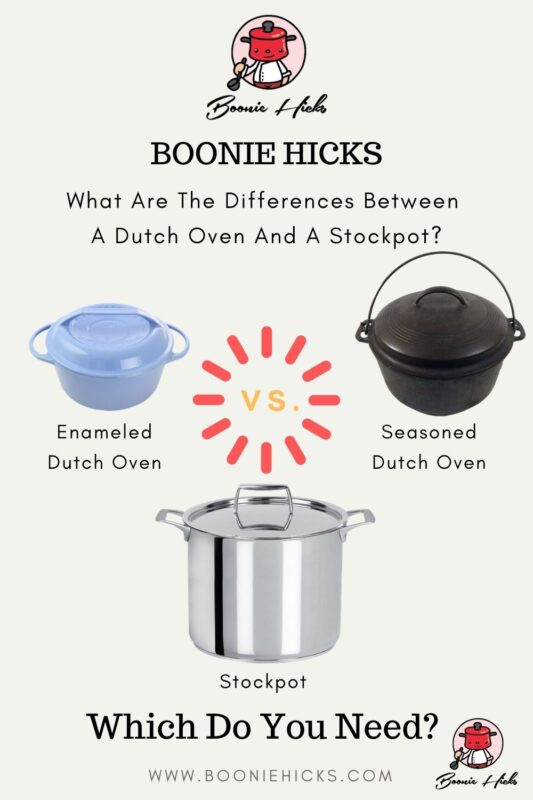
At its core, a stock pot is a deep, large-diameter vessel with two handles and a lid, designed to hold significant quantities of liquid. Unlike saucepans or sauté pans, which are designed for rapid evaporation and searing, the stock pot is engineered for immersion. From a culinary business standpoint, this makes it the most effective tool for “batch processing.”

Scalability and Batch Production
In both professional catering and home meal prepping, efficiency is determined by how much you can produce in a single cycle. The vertical design of the stock pot minimizes the footprint on the stovetop while maximizing volume. Whether you are running a restaurant kitchen or managing a household food budget, the ability to create large batches of nutrient-dense food reduces energy consumption and labor costs. By leveraging the stock pot to cook once and store multiple servings, you maximize the output per hour of effort.
Extraction of Flavors
The primary function of a stock pot is, as the name suggests, the creation of stocks and broths. By simmering bones, mirepoix, and aromatics over extended periods, you extract collagen, minerals, and flavor compounds that are inaccessible through other cooking methods. In terms of resource management, this is the ultimate form of “value-added” cooking. You are taking low-cost ingredients—often scraps or trimmings that might otherwise be discarded—and transforming them into a high-value culinary base. This principle of maximizing input value is a hallmark of intelligent kitchen management.
Culinary Applications: Beyond the Stock
While the vessel is named for stocks, restricting its use to that singular function would be a misuse of your kitchen’s hardware. The stock pot is a multi-asset tool that serves several critical functions in the culinary ecosystem.
Boiling and Blanching
The height of a stock pot makes it ideal for boiling large volumes of water for pasta, blanching high quantities of vegetables, or processing corn on the cob. The depth ensures that items can be fully submerged without crowding, which is essential for maintaining a consistent temperature. In a professional setting, maintaining a rolling boil for large amounts of pasta requires the thermal mass provided by a heavy-bottomed stock pot.
Braising and Stewing
The stock pot is the preferred vessel for dishes that require a long, slow cook time in a flavorful liquid, such as beef bourguignon, chili, or hearty vegetable stews. The tall sides provide enough space for liquids to fully cover the ingredients, ensuring that tougher cuts of meat are tenderized through slow convection. Because these dishes often improve in flavor after a day or two, the stock pot becomes an essential tool for “aging” or “curing” recipes, allowing flavors to meld and mature.
Large-Scale Soups and Consommé
Soups represent one of the highest margin items in the hospitality industry. By utilizing a stock pot, chefs can maintain a consistent simmer without fear of scorching the bottom, provided the pot is constructed with a thick, heavy-gauge base. The ability to clarify liquids into a consommé, which requires precise temperature control and the removal of impurities, is made significantly easier by the vertical surface area of the pot.
Strategic Selection: ROI and Material Longevity
When selecting a stock pot, viewing it as a long-term capital investment is the most prudent strategy. A cheap, thin-gauge pot will inevitably lead to “hot spots,” scorching, and eventual warping, which will necessitate an early replacement. In the world of business and finance, we focus on the Total Cost of Ownership (TCO). A high-quality stainless steel or copper-clad stock pot may carry a higher initial price point, but its ability to distribute heat evenly and withstand decades of use makes it a superior financial choice.
Understanding Heat Conductivity
Material selection dictates the efficiency of your cooking. Stainless steel is the industry standard due to its non-reactive nature—it will not impart a metallic taste to acidic ingredients like tomato sauces or wine-based reductions. However, because stainless steel alone is a poor conductor of heat, it is vital to choose a pot with an “impact-bonded” or “clad” base. An aluminum or copper core sandwiched between stainless steel layers provides the necessary thermal conductivity to ensure even heat distribution, which minimizes energy waste and prevents burning.
Size Considerations for Your Workflow
When considering the size of the pot, assess your typical production volume. A 12-to-16-quart pot is generally sufficient for most households, whereas 20-to-40-quart pots are standard for commercial or high-volume batch processing. Choosing a pot that is too large for your heat source can lead to uneven heating around the edges, while one that is too small limits your capacity. Aligning your hardware with your actual production needs is a fundamental rule of resource optimization.
Financial and Operational Maintenance
Like any valuable piece of machinery, a stock pot requires a maintenance routine to protect its longevity. Neglecting the care of your equipment leads to premature degradation, representing an unnecessary drain on your resources.
Cleaning and Preservation
Avoid using harsh abrasives on high-quality stainless steel, as this can degrade the surface and make it more prone to food adherence over time. Instead, utilize the chemical properties of baking soda and vinegar to dissolve stubborn, burnt-on residue. Proper cleaning not only maintains the aesthetic of the pot but also preserves the integrity of the heat-conducting base, ensuring the pan continues to operate at peak efficiency.
Structural Integrity
Always monitor the handles and the lid seal. A loose handle on a pot filled with 20 quarts of boiling liquid is a significant safety liability. By performing regular “preventative maintenance”—tightening rivets or checking for structural fatigue—you avoid catastrophic failure. In any professional environment, workplace safety and equipment reliability are the primary safeguards against unexpected downtime and liability costs.
The Role of the Stock Pot in Sustainable Living
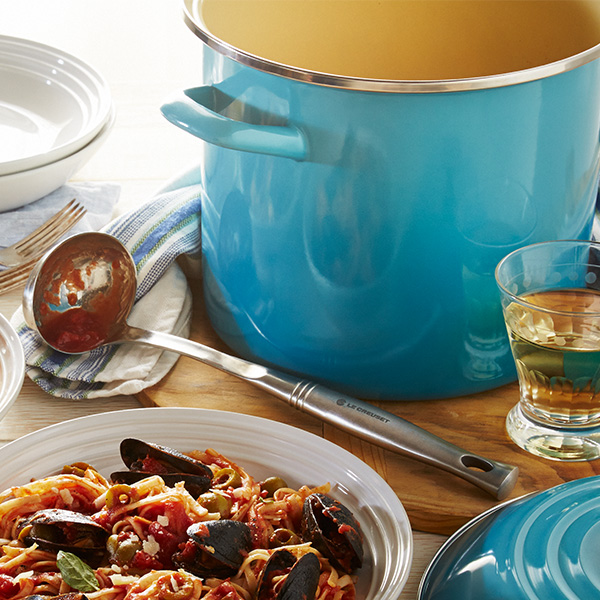
Beyond simple cooking, the stock pot facilitates a lifestyle of reduced waste. By utilizing vegetable peels, herb stems, and meat bones to create homemade stocks, you are participating in a circular economy within your own kitchen. This practice reduces the frequency of grocery trips and reliance on processed, store-bought broths, which are often inflated in cost and saturated with additives. When you control your ingredients from the foundation up, you are exercising greater control over your health and your financial expenditures.
Ultimately, the stock pot is a testament to the idea that the most effective tools are often the simplest. It is a vessel of production, a catalyst for flavor, and a long-term asset that supports a more efficient, sustainable, and productive kitchen. Whether you are a professional chef scaling a menu or a home cook looking to maximize the value of your groceries, the stock pot is the cornerstone upon which a disciplined culinary practice is built. By investing in quality, maintaining your equipment, and leveraging the pot for its intended volume-based tasks, you transform your kitchen into a center of high-efficiency output.
aViewFromTheCave is a participant in the Amazon Services LLC Associates Program, an affiliate advertising program designed to provide a means for sites to earn advertising fees by advertising and linking to Amazon.com. Amazon, the Amazon logo, AmazonSupply, and the AmazonSupply logo are trademarks of Amazon.com, Inc. or its affiliates. As an Amazon Associate we earn affiliate commissions from qualifying purchases.