
The stock market is often depicted in popular culture as a chaotic floor of shouting traders or a complex screen filled with flashing green and red numbers. However, at its core, the stock market is one of the most powerful engines for wealth creation ever devised. For the individual investor, understanding what the stock market is—and how to navigate it—is the foundational step toward achieving financial independence and long-term security.
In this guide, we will deconstruct the mechanics of the stock market, explore its role within the broader financial ecosystem, and provide insights into how you can leverage it to grow your personal net worth.
The Fundamentals: Understanding the Marketplace for Ownership
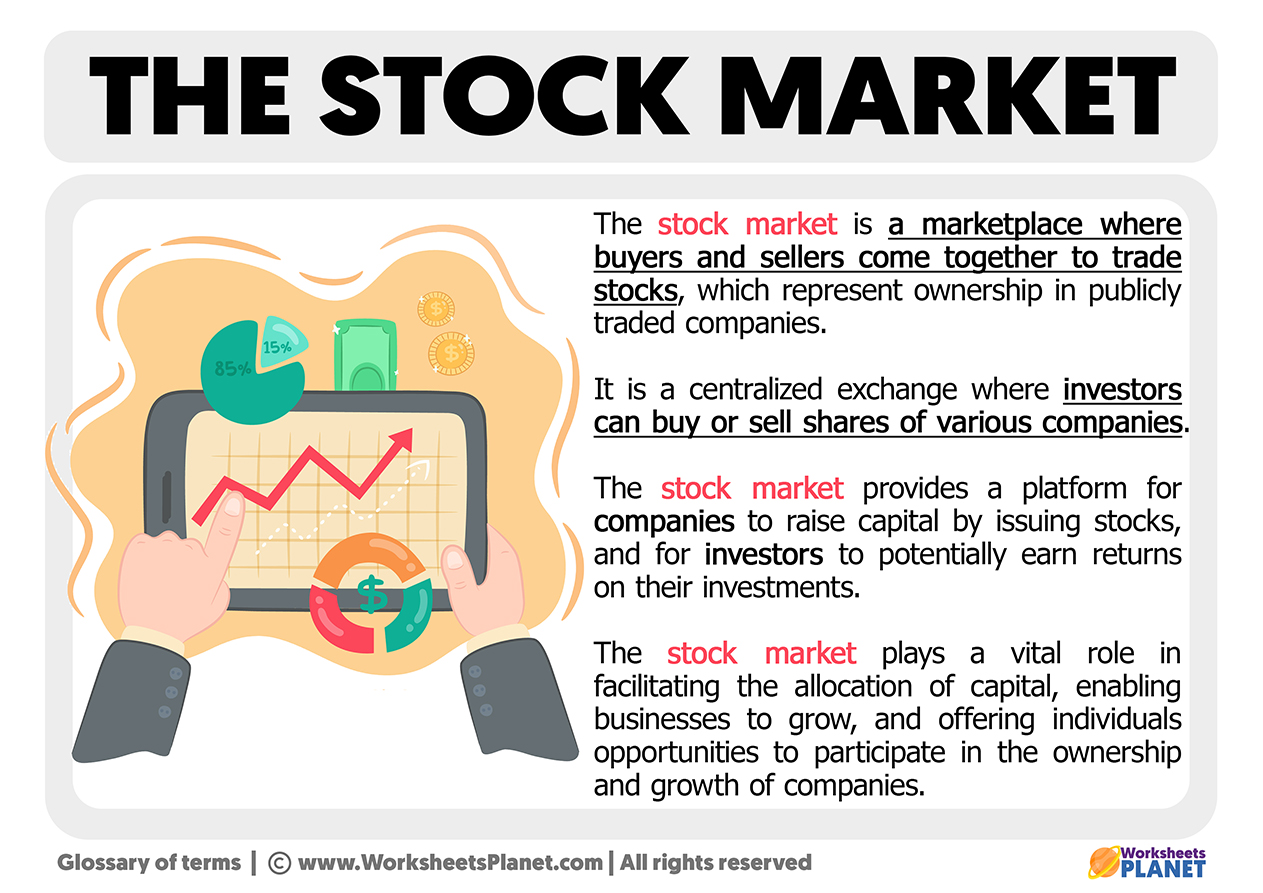
To understand the stock market, one must first understand the concept of equity. When a company wants to expand—perhaps to build a new factory, develop a new product, or hire more staff—it needs capital. One way to get this capital is to sell “shares” or “stocks” to the public. Each share represents a fractional unit of ownership in that company.
The Concept of Shares and Ownership
When you buy a stock, you are essentially becoming a partial owner of a corporation. If the company prospers, the value of your shares typically increases, and you may even receive a portion of the company’s profits in the form of dividends. This relationship allows everyday individuals to participate in the success of global giants and innovative startups alike. The stock market is the centralized platform where these ownership stakes are bought and sold.
Primary vs. Secondary Markets
The stock market operates in two distinct phases. The Primary Market is where a company issues shares for the first time through an Initial Public Offering (IPO). In this phase, the company receives the money directly from investors.
The Secondary Market is what most people refer to when they talk about “the stock market.” This is where investors trade shares among themselves. If you buy shares of Apple or Microsoft today, you are likely buying them from another investor, not from the company itself. The company does not receive money from these daily trades, but the secondary market provides the liquidity that makes the primary market possible.
Stock Exchanges: Where the Action Happens
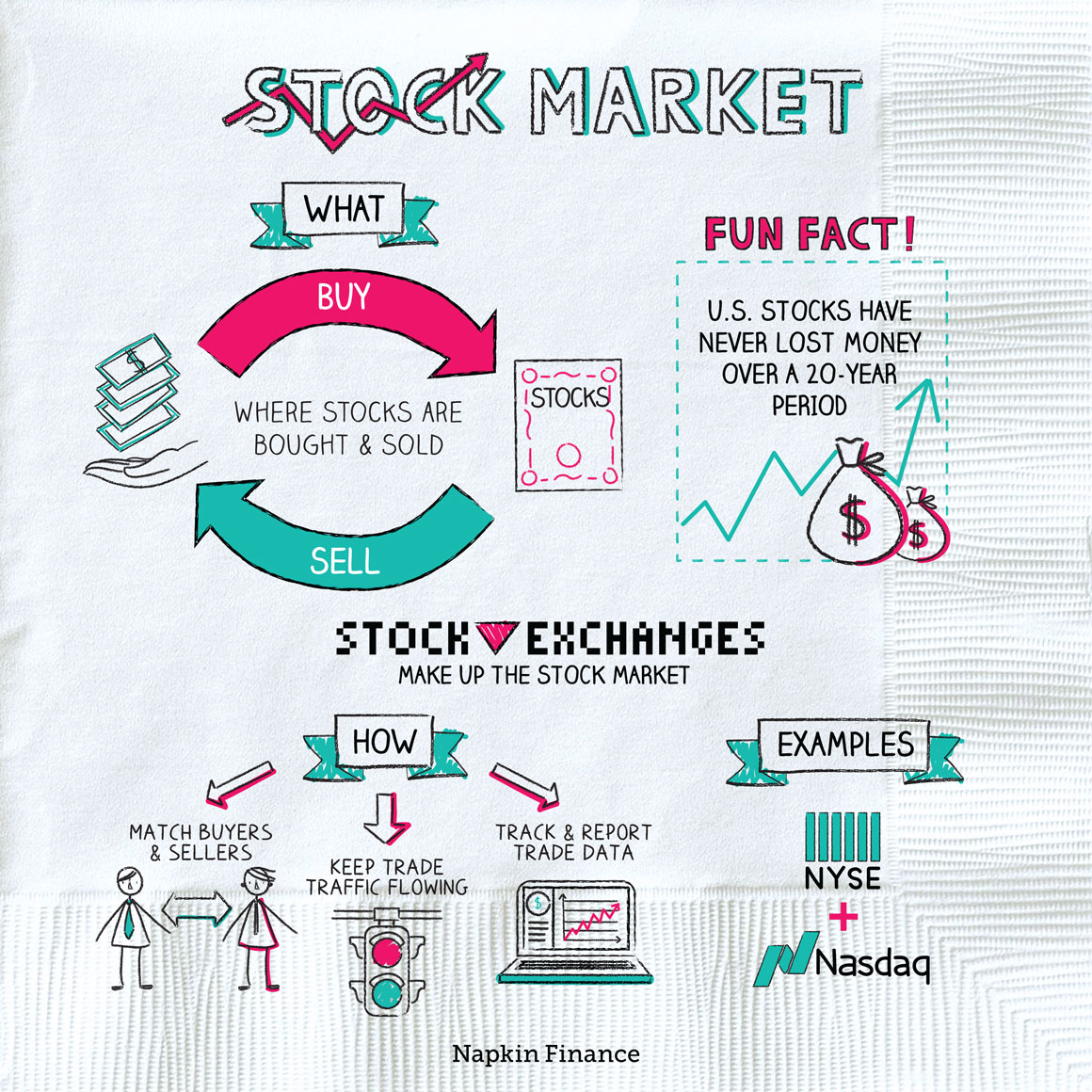
Stock exchanges are the actual infrastructure where trading occurs. Famous examples include the New York Stock Exchange (NYSE) and the NASDAQ. These institutions set the rules, ensure transparency, and provide the technology necessary to match buyers with sellers in milliseconds. While historically these were physical locations, today the vast majority of stock market activity happens across sophisticated digital networks.
Why the Stock Market Matters for Personal Finance
For the average person, the stock market is not just a place for “speculation”; it is a vital tool for personal finance. Without the ability to invest in the market, it becomes significantly harder to outpace the rising cost of living and build a retirement nest egg.
Compounding Interest: The Eighth Wonder of the World
The primary allure of the stock market is the power of compounding. When your investments earn a return, and those returns are reinvested to earn their own returns, your wealth begins to grow exponentially over time. A modest monthly investment in a diversified stock portfolio over 30 years can result in a sum far greater than the total amount of cash contributed, thanks to the compounding nature of market growth.
Hedging Against Inflation
Inflation is the silent killer of wealth. If you leave your money in a standard savings account, the interest earned rarely keeps pace with the rising prices of goods and services. Stocks, historically, have provided returns that significantly exceed inflation. By owning companies that have the power to raise prices as their costs go up, you are effectively protecting your purchasing power over the long term.
Dividend Income and Passive Wealth
Beyond price appreciation, many established companies pay out dividends. These are regular payments made to shareholders out of the company’s earnings. For a long-term investor, dividends provide a form of passive income. You can choose to take this cash to cover living expenses or—more effectively for wealth building—reinvest it to buy more shares, further accelerating the compounding process.

Key Players and Market Mechanics
Understanding how the market moves requires an understanding of who is participating and what tools they use to measure success. The stock market is a democratic but complex environment where millions of different opinions on value meet every second.
The Role of Brokers and Trading Platforms
In the modern era, you cannot simply walk onto an exchange and buy a stock. You need a broker—an intermediary authorized to execute trades on your behalf. Digital age brokers and fintech apps have revolutionized this space by eliminating commissions and making the market accessible to anyone with a smartphone. These platforms provide the gateway to the financial markets, offering tools for research, execution, and portfolio tracking.
Understanding Market Indices (S&P 500, Dow Jones)
To get a sense of how “the market” is doing, investors look at indices. An index is a hypothetical portfolio of stocks representing a particular segment of the market.
- The S&P 500: Tracks 500 of the largest companies in the United States and is considered the best gauge of the overall economy.
- The Dow Jones Industrial Average (DJIA): Tracks 30 prominent companies.
- The NASDAQ Composite: Heavily weighted toward technology and growth companies.
By following these indices, investors can understand broad trends without having to track thousands of individual companies.
Bulls vs. Bears: Market Sentiments
Market participants often use animal metaphors to describe the “mood” of the market. A Bull Market occurs when prices are rising and optimism is high; it is characterized by investor confidence and economic growth. Conversely, a Bear Market occurs when prices fall (typically by 20% or more from recent highs) and pessimism takes hold. Understanding these cycles is crucial because they influence investor behavior and market liquidity.
Navigating Risks and Building a Strategy
Investing in the stock market is not a guaranteed way to get rich; it involves risk. Prices can be volatile in the short term, and companies can fail. Successful investing is about managing that risk through a disciplined strategy.
Risk Tolerance and Asset Allocation
Every investor has a different “risk tolerance”—the ability to withstand a drop in the value of their portfolio without panicking. Your strategy should depend on your age, financial goals, and timeline. A young professional with 40 years until retirement can afford to weather a market crash, whereas someone nearing retirement may want to shift some of their stock holdings into more stable assets to preserve their capital.
The Importance of Diversification
One of the most important rules in finance is: “Don’t put all your eggs in one basket.” If you invest all your money in a single company and that company goes bankrupt, you lose everything. Diversification involves spreading your investments across different companies, industries, and even geographic regions. This way, if one sector (like retail) struggles, another (like healthcare) may thrive, balancing out your overall returns.
Long-term Investing vs. Day Trading
The stock market is often conflated with “trading,” but there is a massive difference between the two. Day trading involves buying and selling stocks rapidly to profit from tiny price movements; it is high-risk and often results in losses for beginners. Long-term investing, or “Buy and Hold,” focuses on the fundamental growth of the economy over years or decades. History shows that for the vast majority of people, time in the market is much more important than timing the market.
How to Start Your Investment Journey
Starting can feel overwhelming, but the most important thing is to begin as early as possible. Even small amounts of money can grow into significant sums if given enough time.
Setting Financial Goals
Before buying your first stock, define what you are investing for. Is it for a down payment on a house in five years? Is it for retirement in thirty years? Your goal dictates your strategy. Short-term goals require more stability, while long-term goals allow you to take advantage of the stock market’s higher growth potential.
Opening Your First Brokerage Account
To begin, you will need to choose a brokerage. Look for one with low or no fees, a user-friendly interface, and access to educational resources. Once your account is funded, you don’t necessarily have to pick individual stocks. Many beginners start with Exchange-Traded Funds (ETFs) or Index Funds, which allow you to buy a tiny piece of hundreds of companies at once, providing instant diversification.
Continuous Learning and Monitoring
The stock market is a living entity that changes with technology, politics, and social trends. While you shouldn’t obsess over daily price fluctuations, it is wise to stay informed. Read financial news, understand the quarterly reports of the companies you own, and periodically “rebalance” your portfolio to ensure it still aligns with your goals.
In conclusion, the stock market is more than just a place to trade numbers; it is a vehicle for personal empowerment. By understanding its mechanics, respecting its risks, and maintaining a long-term perspective, you can transform the stock market from a mystery into a reliable partner in your journey toward financial freedom.
aViewFromTheCave is a participant in the Amazon Services LLC Associates Program, an affiliate advertising program designed to provide a means for sites to earn advertising fees by advertising and linking to Amazon.com. Amazon, the Amazon logo, AmazonSupply, and the AmazonSupply logo are trademarks of Amazon.com, Inc. or its affiliates. As an Amazon Associate we earn affiliate commissions from qualifying purchases.