
A steam room, at its core, is an enclosed space designed to produce and contain high humidity, typically through the generation of steam. While the concept of using warm, moist air for therapeutic benefits dates back centuries, the contemporary steam room is a marvel of engineering and technological integration. Far from being a mere hot box, it leverages advanced systems for precise environmental control, energy efficiency, and user-centric features. Understanding “what is a steam room” in the modern context means delving into the sophisticated technology that transforms simple water into an enveloping, therapeutic cloud of vapor, all while ensuring safety, hygiene, and an optimal user experience.
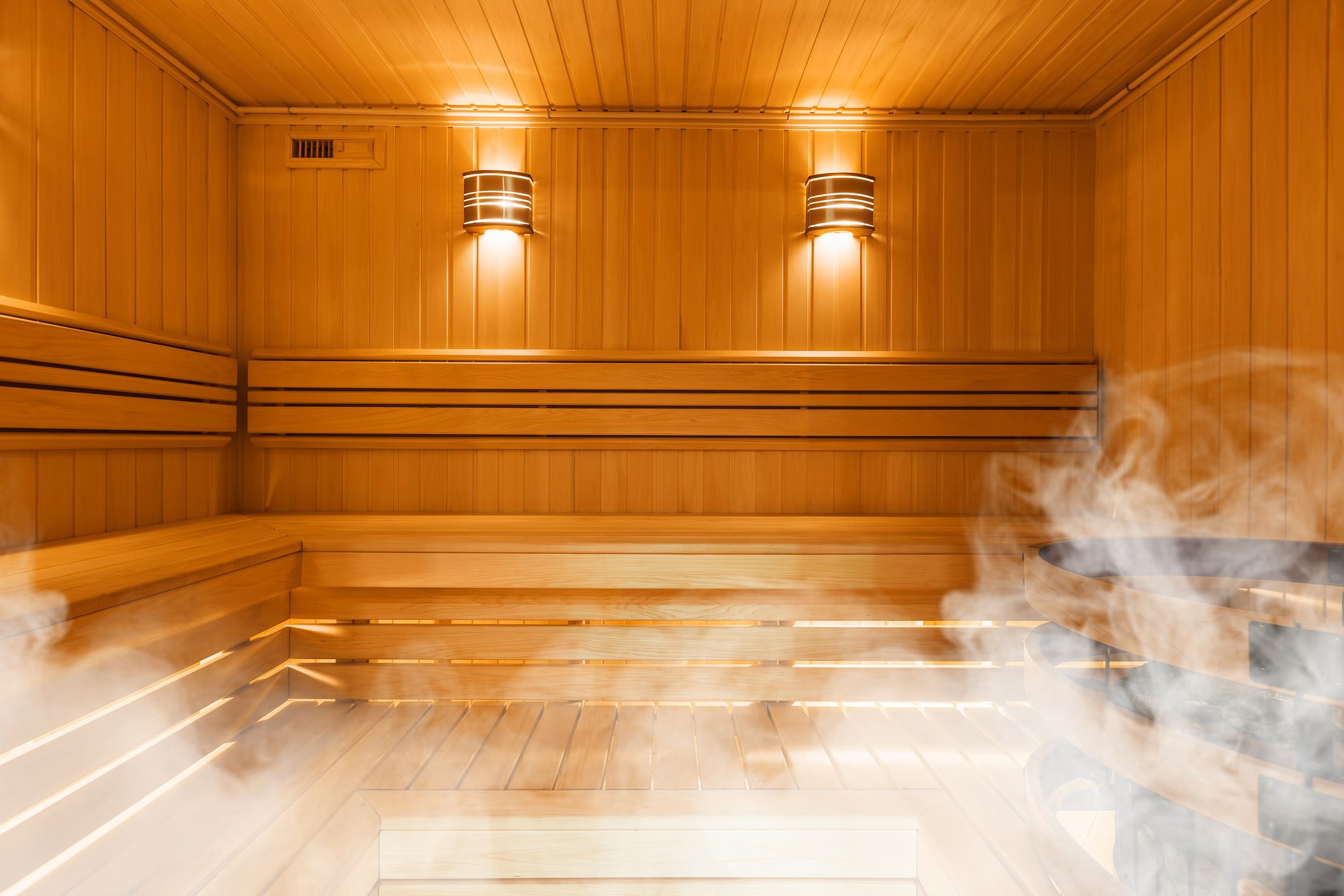
The Core Technology: How Steam Rooms Generate Therapeutic Humidity
At the heart of every steam room lies the precise and controlled generation of steam. This process is far more intricate than simply boiling water, involving specialized equipment designed for efficiency, reliability, and safety. The continuous delivery of consistent, humid air is paramount to the steam room experience, and this is achieved through a carefully engineered system.
Steam Generators: The Heart of the System
The primary technological component of a steam room is its steam generator. These devices are purpose-built units responsible for heating water to its boiling point and converting it into vapor. Modern steam generators come in various types, each employing distinct heating mechanisms and features:
-
Electric Steam Generators: These are the most common type for residential and commercial applications. They typically consist of an insulated tank with electric heating elements submerged in water. As electricity passes through the elements, the water heats up, eventually boiling and producing steam, which is then piped into the steam room. Advanced models often feature self-flushing capabilities, automatic water level sensors, and digital diagnostic tools to ensure optimal performance and longevity. The heating elements themselves are often made from corrosion-resistant alloys, designed for rapid heating and durability under continuous use.
-
Boiler-Based Systems: Larger, commercial-grade steam rooms, often found in health clubs or spas, may utilize more robust boiler systems. These operate on similar principles but are designed for higher output and continuous operation, often using gas or electric power to heat a larger volume of water and distribute steam through a more extensive piping network. These systems typically incorporate sophisticated pressure relief valves and safety interlocks.
-
Water Management: Regardless of the heating method, effective water management is critical. Steam generators rely on a continuous supply of clean water, often requiring filtration systems to prevent mineral buildup (limescale) that can impair efficiency and damage components. Automatic refilling mechanisms, low-water cut-off switches, and sediment removal systems are standard technological features that ensure consistent operation and protect the equipment.
Control Systems: Precision in Temperature and Humidity
Beyond simply generating steam, a modern steam room’s technological sophistication shines through its control systems. These systems are responsible for maintaining the desired environment, ensuring user comfort, and optimizing energy consumption.
-
Sensors and Thermostats: Advanced digital thermostats and humidity sensors are crucial for monitoring the internal conditions of the steam room in real-time. These sensors provide continuous feedback to the control unit, allowing it to adjust steam production dynamically. High-precision sensors can detect even subtle fluctuations, ensuring that the temperature (typically between 105-120°F or 40-49°C) and relative humidity (often near 100%) remain within the optimal range.
-
Digital Control Panels: User interfaces have evolved from simple on/off switches to sophisticated digital control panels, often touch-sensitive screens, both inside and outside the steam room. These panels allow users to precisely set desired temperatures, program session durations, control ambient lighting (chromotherapy), and even manage aromatherapy diffusers. Some advanced systems offer pre-set programs for different therapeutic experiences.
-
Timers and Safety Shut-offs: Integrated timers allow users to set session lengths, and automatic shut-off features are a critical safety measure, preventing overheating or prolonged exposure. These systems often include redundant safety mechanisms, such as high-limit thermostats that will shut down the generator if the temperature exceeds a safe threshold, independent of the primary control system.
Engineering for Optimal Experience and Longevity
The technology of a steam room extends far beyond the generator and controls; it encompasses the very structure and materials of the room itself. Proper engineering ensures that the generated steam is effectively contained, condensation is managed, and the environment remains hygienic and durable over time.
Construction Materials and Design: Sealing in the Steam
The integrity of the steam room enclosure is paramount for containing the humid environment and preventing structural damage to the surrounding building. This requires specialized construction techniques and materials:
-
Vapor Barriers and Insulation: A robust vapor barrier, typically made of impermeable membrane materials like polyethylene sheeting or specialized liquid-applied membranes, is essential. This barrier prevents moisture from penetrating the walls and ceiling, protecting the structural elements from rot, mold, and mildew. Beneath the vapor barrier, high-performance insulation (e.g., rigid foam boards) helps to minimize heat loss, reducing the energy demands on the steam generator.
-
Tiling and Waterproofing: The internal surfaces of a steam room are typically covered with non-porous, waterproof materials like ceramic, porcelain, or natural stone tiles. The installation process involves meticulous waterproofing techniques, including sloped bases, waterproof grout, and specialized sealants, to create an impenetrable shell. This prevents water from seeping into the substructure and allows for easy cleaning and sanitization.
-
Sloped Ceilings: An often-overlooked but critical design element is the sloped ceiling. In a highly humid environment, steam will condense on cooler surfaces. A sloped ceiling directs this condensation to run down the walls rather than dripping onto occupants, enhancing comfort and preventing pooling on benches. This simple yet effective design principle works in conjunction with the steam generation technology to maintain a pleasant experience.
Ventilation and Drainage: Managing the Environment
While steam needs to be contained, strategic ventilation and effective drainage are crucial for long-term maintenance, hygiene, and safety.
-
Air Exchange Systems: Although steam rooms are designed to be sealed, controlled air exchange is sometimes necessary, especially after a session or for safety. Some systems incorporate exhaust fans that can be activated to quickly clear the room of steam and humidity, aiding in the drying process and preventing mold growth. These fans are often interlocked with the steam generator to prevent operation during active steam production.
-
Floor Drains and Material Choices: A properly designed steam room will always include a floor drain to manage condensation and facilitate cleaning. The floor itself is typically sloped towards this drain. Materials used for seating and flooring are chosen not only for their waterproof properties but also for their ability to withstand constant moisture and heat without degrading, warping, or harboring bacteria. Non-slip surfaces are also a key consideration for user safety.

Smart Innovations and Modern Steam Room Trends
The steam room industry is continuously evolving, incorporating smart home technologies and focusing on greater energy efficiency, reflecting broader tech trends. These innovations enhance the user experience, simplify maintenance, and reduce operational costs.
Connectivity and Automation: The Smart Steam Room
The integration of steam rooms into the smart home ecosystem is a significant technological leap, offering unparalleled convenience and personalization.
-
App Control and Remote Access: Many contemporary steam generators and control systems are now Wi-Fi enabled, allowing users to control their steam room via smartphone applications. This means users can remotely pre-heat the steam room before they even arrive home, adjust settings, and monitor the system status from anywhere.
-
Integration with Smart Home Systems: Advanced steam rooms can be integrated with broader smart home platforms (e.g., Amazon Alexa, Google Assistant). This allows for voice control and the creation of automated routines where the steam room can be activated as part of a wellness sequence that might also involve lighting adjustments or music playback.
-
Personalized Experiences: Future iterations may leverage user profiles and preferences to automatically adjust temperature, humidity, light, and aroma for a truly personalized therapeutic session, learning from user habits and feedback.
Energy Efficiency and Sustainability
As environmental consciousness grows, steam room technology is responding with solutions focused on reducing energy consumption and water waste.
-
Generator Efficiency: Modern steam generators are designed with improved insulation, more efficient heating elements, and smart algorithms that optimize steam production based on demand, reducing standby power consumption and heating cycles.
-
Water Conservation: Some advanced systems incorporate water-saving features, such as more precise water level management or even greywater recycling systems in larger commercial installations, minimizing the environmental footprint.
-
Insulation and HVAC Synergy: The integration of superior insulation in the steam room structure with intelligent HVAC systems that manage ambient air around the steam room can further reduce energy waste by preventing heat transfer where it’s not desired.
Maintenance and Digital Diagnostics for Peak Performance
Like any sophisticated technological system, a steam room requires regular maintenance to ensure its longevity and efficient operation. Modern systems often incorporate digital tools to simplify this process and anticipate potential issues.
Routine Care and Advanced Monitoring
Maintaining a steam room involves more than just cleaning; it requires attention to its internal systems.
-
Descaling and Self-Cleaning Cycles: Mineral deposits from water (limescale) can accumulate on heating elements and within pipes, reducing efficiency. Many modern steam generators feature automated descaling programs or can prompt users when descaling is needed. Self-flushing cycles help to prevent sediment buildup.
-
Sensor Calibration: Over time, humidity and temperature sensors can drift. Advanced systems may offer diagnostic modes or even remote calibration services to ensure sensor accuracy, which is vital for maintaining the desired environment.
-
Remote Diagnostics: For commercial setups or high-end residential systems, remote diagnostic capabilities allow manufacturers or service providers to access the generator’s data, troubleshoot issues, and even update firmware without an on-site visit, leading to faster resolutions and reduced downtime.
Troubleshooting Common Tech Issues
Despite advanced engineering, issues can arise, and understanding the technological components helps in diagnosis.
-
No Steam Production: This often points to issues with the heating elements, water supply (low-water cut-off triggered), or the control board. Digital displays on modern generators often provide error codes that streamline troubleshooting.
-
Inconsistent Temperature/Humidity: This usually indicates a sensor malfunction or a calibration issue with the control system, or potentially inadequate insulation within the room structure.
-
Leaks: While often a construction issue, leaks can sometimes be traced back to pipe connections from the generator or faulty seals in the steam head, requiring precise repair of the plumbing technology.

Conclusion
“What is a steam room?” is a question that, when fully explored, reveals a fascinating interplay of ancient wellness practices and cutting-edge technology. From the precise engineering of steam generators and sophisticated digital controls to the advanced materials and smart home integration, every aspect of a modern steam room is designed for efficiency, safety, and an unparalleled therapeutic experience. As technology continues to advance, we can anticipate even more personalized, energy-efficient, and intelligently integrated steam rooms, solidifying their place not just as places of relaxation, but as examples of innovative technological design in the realm of wellness.
aViewFromTheCave is a participant in the Amazon Services LLC Associates Program, an affiliate advertising program designed to provide a means for sites to earn advertising fees by advertising and linking to Amazon.com. Amazon, the Amazon logo, AmazonSupply, and the AmazonSupply logo are trademarks of Amazon.com, Inc. or its affiliates. As an Amazon Associate we earn affiliate commissions from qualifying purchases.