
Steam generators, at their core, are sophisticated pieces of engineering designed to produce steam efficiently and safely. While the fundamental principle of heating water to create vapor is simple, the modern steam generator is a complex system that integrates various technologies to achieve optimal performance, control, and safety. In the realm of technology, steam generators represent a fascinating intersection of thermodynamics, material science, control systems, and safety engineering, driving innovation across a multitude of industrial and domestic applications.
The Fundamental Principles of Steam Generation
At its most basic, a steam generator operates on the principle of heat transfer. Water, when subjected to sufficient heat energy, undergoes a phase change from liquid to gas, or steam. The efficiency and effectiveness of this process depend heavily on how this heat transfer is managed and controlled.
Thermodynamics of Phase Change
The transition from water to steam is governed by thermodynamic laws. Water at atmospheric pressure boils at 100 degrees Celsius (212 degrees Fahrenheit). However, by increasing the pressure within the generator, the boiling point of water can be elevated significantly. This is a crucial concept in many industrial applications where higher temperatures are required for processes like sterilization, power generation, or chemical reactions. The energy required for this phase change is known as the latent heat of vaporization, which is then stored within the steam and can be released when the steam condenses.
Heat Transfer Mechanisms
Several mechanisms facilitate heat transfer within a steam generator:
- Conduction: Heat is transferred through direct contact of molecules. In a steam generator, this typically occurs when a heat source, such as burning fuel or an electric element, transfers heat to the water through the metal walls of the generator.
- Convection: Heat is transferred through the movement of fluids. As water heats up, it becomes less dense and rises, while cooler, denser water sinks, creating convection currents that distribute heat throughout the water volume. This natural circulation is vital for efficient heating. In forced circulation systems, pumps are used to enhance this process.
- Radiation: Heat is transferred through electromagnetic waves. In some steam generators, particularly those fueled by combustion, radiant heat from the flames plays a significant role in preheating the water and the generator’s components.
Technological Components and Design Variations
Modern steam generators are far more than just a vessel with a heating element. They are intricate systems incorporating a range of advanced components and are designed in various configurations to suit specific needs.
Key Components of a Steam Generator
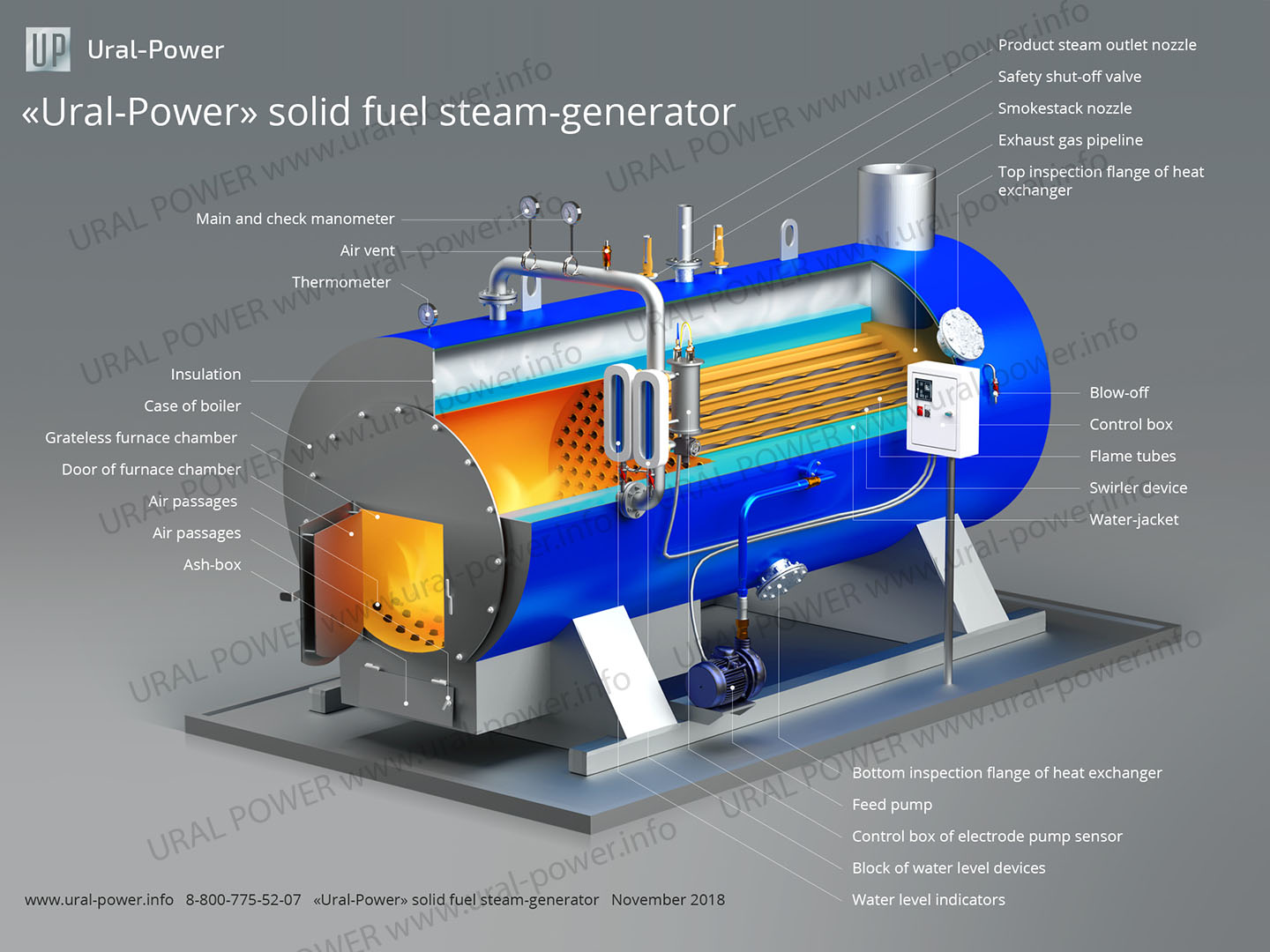
A typical steam generator, regardless of its specific application, comprises several essential components:
- Water Reservoir/Boiler: This is the primary vessel where water is stored and heated. The material and construction of this reservoir are critical for withstanding high temperatures and pressures.
- Heating Element/Heat Source: This is what provides the energy to convert water into steam. Options include electric heating elements, burners (gas, oil, coal), or even waste heat from other industrial processes.
- Burner Management System (for fuel-fired units): This sophisticated system controls the ignition, operation, and shutdown of the burner, ensuring safe and efficient combustion. It often includes flame detection and safety interlocks.
- Water Feed System: This system ensures a continuous supply of water to the generator to maintain optimal operational levels and prevent dry firing. It often includes pumps, valves, and level sensors.
- Steam Outlet and Control Valves: These components manage the flow and pressure of the generated steam, allowing it to be directed to its intended use. Pressure relief valves are paramount safety features here.
- Control and Monitoring Systems: Modern steam generators are equipped with sophisticated electronic control panels that monitor parameters such as water level, temperature, pressure, and steam output. These systems often incorporate programmable logic controllers (PLCs) for automated operation and safety.
- Insulation: Effective insulation is crucial to minimize heat loss to the surroundings, thereby improving energy efficiency and maintaining the desired operating temperature.
Types of Steam Generators and Their Applications
The diversity of steam generator designs reflects the wide array of applications they serve:
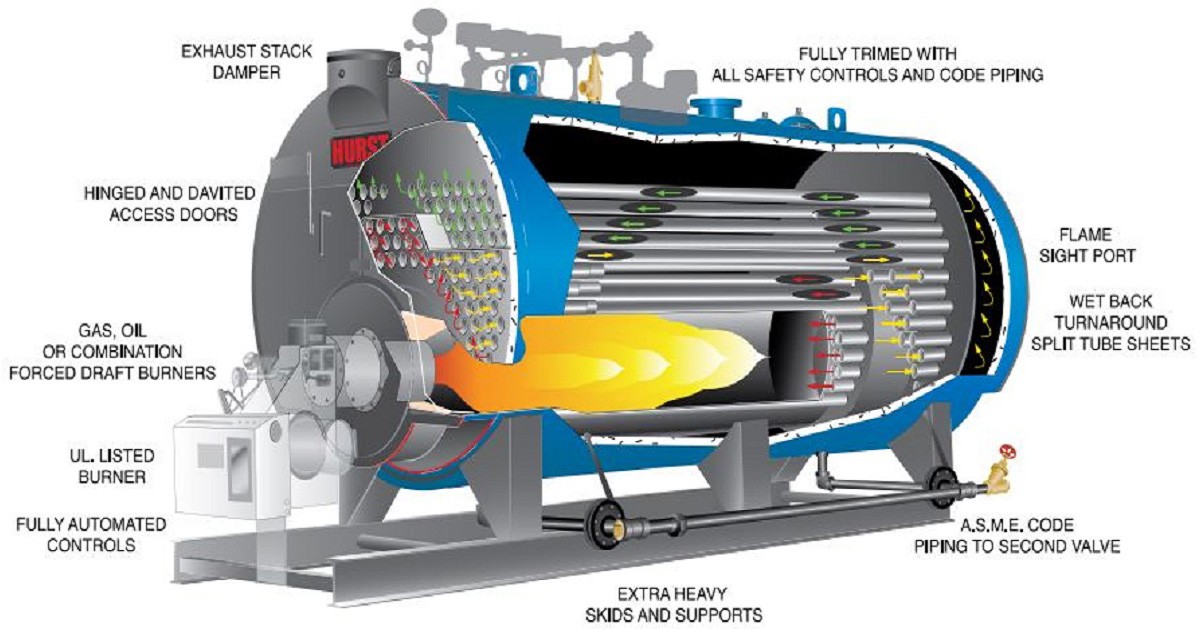
- Fire-Tube Boilers: In these designs, hot combustion gases pass through tubes that are surrounded by water. This is a common and relatively simple design, often used in smaller industrial settings and for heating purposes.
- Water-Tube Boilers: Here, water flows through tubes that are heated by combustion gases surrounding them. This design is favored for higher pressure and larger-scale operations, such as in power plants, due to its superior heat transfer capabilities and safety characteristics (a leak in a water tube is generally less catastrophic than a rupture in a fire tube shell).
- Electric Steam Generators: These units use electric heating elements submerged in water. They offer precise temperature control and are often used in applications where fuel combustion is undesirable or impractical, such as in food processing, laundries, and laboratories.
- Industrial Steam Generators: These are large, robust systems designed for continuous operation in demanding industrial environments. They are integral to processes in manufacturing, chemical production, oil and gas refining, and power generation.
- Domestic Steam Generators: Smaller units found in homes, often used for steam showers, irons, or cleaning appliances. These prioritize user-friendliness and safety for household applications.
Advancements in Steam Generator Technology
The evolution of steam generator technology has been driven by a constant pursuit of greater efficiency, enhanced safety, and improved environmental performance. Innovations in materials, control systems, and energy recovery have significantly transformed their capabilities.

Efficiency and Energy Recovery
Maximizing the conversion of input energy into useful steam is a primary focus. This involves:
- Economizers: These are heat exchangers that preheat the incoming feedwater using the heat from the exhaust flue gases. By recovering this otherwise wasted heat, economizers significantly improve the overall thermal efficiency of the steam generator.
- Air Preheaters: In fuel-fired units, incoming combustion air can be preheated by flue gases, leading to more complete combustion and further efficiency gains.
- Improved Insulation: Advanced insulating materials reduce heat loss to the environment, ensuring that more of the generated heat is transferred to the water.
Safety Systems and Automation
Safety is paramount in steam generator design. Modern units incorporate multi-layered safety features and sophisticated automation:
- Redundant Safety Devices: Multiple pressure relief valves, high and low water level cut-offs, and flame failure detectors ensure that the system can safely shut down in the event of any anomaly.
- Advanced Control Logic: Sophisticated PLCs and microprocessors manage the entire operation, from startup and load following to emergency shutdown. These systems can predict potential issues and take preventative measures.
- Remote Monitoring and Diagnostics: Many industrial steam generators can be remotely monitored, allowing for early detection of problems and predictive maintenance, thereby minimizing downtime and enhancing operational safety.
Environmental Considerations and Emissions Control
As environmental regulations become stricter, steam generator manufacturers are increasingly focusing on reducing emissions and improving their ecological footprint.
- Low NOx Burners: These burners are designed to minimize the formation of nitrogen oxides (NOx), a significant air pollutant, by controlling combustion temperatures and oxygen levels.
- Flue Gas Treatment: Technologies such as Selective Catalytic Reduction (SCR) or Selective Non-Catalytic Reduction (SNCR) can be employed to further reduce NOx emissions from flue gases.
- Fuel Efficiency: By optimizing combustion and implementing energy recovery systems, steam generators are becoming more fuel-efficient, which indirectly reduces emissions by consuming less fuel.
The Role of Steam Generators in Modern Industry and Technology
Steam generators are not merely components; they are foundational elements that power a vast spectrum of industrial processes and technological advancements. Their ability to generate controlled, high-temperature energy in the form of steam makes them indispensable.
Power Generation
Perhaps the most prominent application of steam generators is in thermal power plants. Large-scale water-tube boilers, often referred to as steam generators in this context, are used to produce the high-pressure steam that drives turbines connected to generators, producing electricity. The efficiency and reliability of these steam generators are critical for the stable supply of power.
Industrial Manufacturing and Processing
Across numerous manufacturing sectors, steam is crucial for various operations:
- Sterilization: In the food and beverage industry, pharmaceuticals, and healthcare, steam is an effective and chemical-free method for sterilizing equipment and products.
- Heating and Drying: Many industrial processes require controlled heating and drying, which steam provides efficiently. This includes applications in paper manufacturing, textiles, and agricultural product processing.
- Chemical Reactions: Steam can act as a reactant, a catalyst, or a heating medium in various chemical synthesis processes.
- Mechanical Power: In some older industrial settings, and in specific applications, steam can be used directly to drive machinery via steam engines or turbines.
Emerging and Niche Applications
Beyond traditional uses, steam generators are finding roles in more specialized areas:
- Desalination: Steam is a key component in multi-stage flash (MSF) and multi-effect distillation (MED) desalination plants, where it is used to evaporate and then condense seawater to produce potable water.
- Enhanced Oil Recovery (EOR): Injecting steam into oil reservoirs can reduce the viscosity of heavy crude oil, making it easier to extract.
- Geothermal Energy: Steam generators are used in geothermal power plants to harness the heat from the earth’s interior to produce electricity.
- Data Center Cooling: In some advanced data center designs, steam is used as part of sophisticated cooling systems.
In conclusion, a steam generator is a vital technological device that, through the application of thermodynamics and engineering ingenuity, converts water into steam. Its design and operation are a testament to continuous innovation in efficiency, safety, and environmental responsibility, making it a cornerstone of modern industrial operations and a driving force behind technological progress across diverse fields.
aViewFromTheCave is a participant in the Amazon Services LLC Associates Program, an affiliate advertising program designed to provide a means for sites to earn advertising fees by advertising and linking to Amazon.com. Amazon, the Amazon logo, AmazonSupply, and the AmazonSupply logo are trademarks of Amazon.com, Inc. or its affiliates. As an Amazon Associate we earn affiliate commissions from qualifying purchases.