
At its core, a stave, often interchangeably called a staff, is the fundamental visual framework upon which musical notation is built. It consists of five parallel horizontal lines and the four spaces between them, each representing a different musical pitch. Historically, the stave served as the critical analogue interface for composers to convey their musical ideas and for performers to interpret them. However, in the modern digital age, the concept of the stave has transcended its traditional paper-based form, becoming a dynamic and interactive element within a vast ecosystem of technology. Understanding “stave music” today means exploring its digital manifestations, its role in software, AI tools, apps, and how it continues to evolve as a cornerstone of musical creation, education, and performance in the technological landscape.

The Stave as a Digital Canvas: Evolution of Music Notation Software
The advent of personal computing revolutionized how music is written and shared, transforming the static stave into a flexible, editable digital canvas. Music notation software emerged as one of the earliest and most impactful applications of technology in music, directly addressing the need to transcribe, arrange, and print musical scores efficiently.
Early Digital Attempts and MIDI’s Rise
Initially, digital music notation was cumbersome, often requiring specialized hardware and complex command-line inputs. Early attempts focused on simply digitizing the visual representation of notes on a stave. However, the introduction and standardization of MIDI (Musical Instrument Digital Interface) in the early 1980s proved to be a pivotal moment. MIDI allowed electronic instruments, computers, and other devices to communicate with each other, transmitting data about notes played (pitch, velocity, duration) rather than actual audio. This meant that music notation software could not only display notes on a stave but also interpret incoming MIDI data from a keyboard, automatically transcribing it onto the digital staff. Conversely, compositions entered into the software could be played back through MIDI devices, providing immediate sonic feedback to composers. This integration transformed the stave from a passive display into an active component of the creative process, bridging the gap between visual notation and audial realization.
Modern DAWs and Dedicated Notation Programs
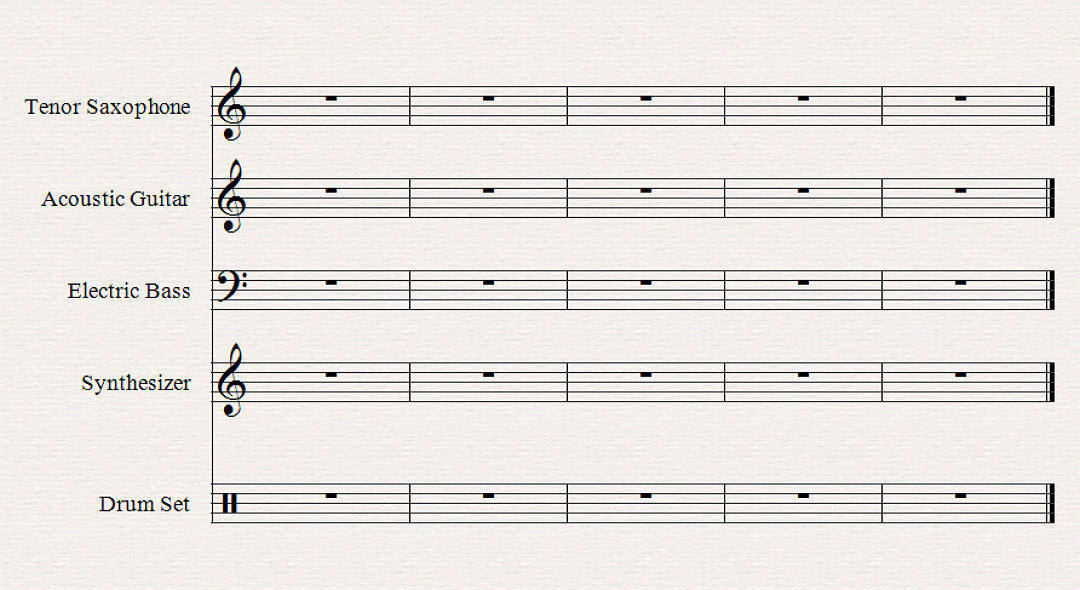
Today, the digital stave is ubiquitous. Dedicated music notation programs like Finale, Sibelius, and Dorico offer sophisticated tools for professional composers, orchestrators, and educators. These applications provide unparalleled control over every aspect of musical notation, from precise placement of notes and symbols on the stave to complex formatting for publication. They support multiple staves for full orchestral scores, advanced rhythmic complexities, and integration with vast sound libraries for realistic playback. Beyond dedicated notation software, Digital Audio Workstations (DAWs) such as Logic Pro, Ableton Live, and FL Studio have increasingly incorporated robust stave-based editing environments. While primarily focused on audio recording and production, their “piano roll” editors often feature grid lines that directly correspond to a stave, allowing for precise pitch and rhythm editing. Many DAWs also include or integrate with full notation editors, blurring the lines between composing, producing, and notation. This convergence empowers musicians to move seamlessly between different stages of the creative workflow, with the stave remaining a central point of reference for musical structure.
Accessibility and Collaboration
The digital stave has also significantly enhanced accessibility and collaboration. Cloud-based notation platforms like Noteflight and Flat.io allow users to compose, edit, and share scores online, fostering real-time collaboration among musicians across geographical boundaries. These platforms often include built-in playback features, making scores instantly audible, and offer tools for transposing, arranging parts, and even generating individual instrumental parts automatically. Furthermore, the digital format allows for easy conversion of scores into various accessible formats, including large print, braille music, and even audio descriptions, catering to musicians with diverse needs. This democratization of music notation, centered around the digital stave, has broadened participation and innovation in music creation.
Interactive Learning and Performance Tools
Beyond creation, technology has harnessed the stave to transform how music is learned and performed. Interactive applications leverage the visual clarity of the stave to demystify music theory and enhance practical performance skills, making musical education more engaging and effective.
AI-Powered Music Education Apps
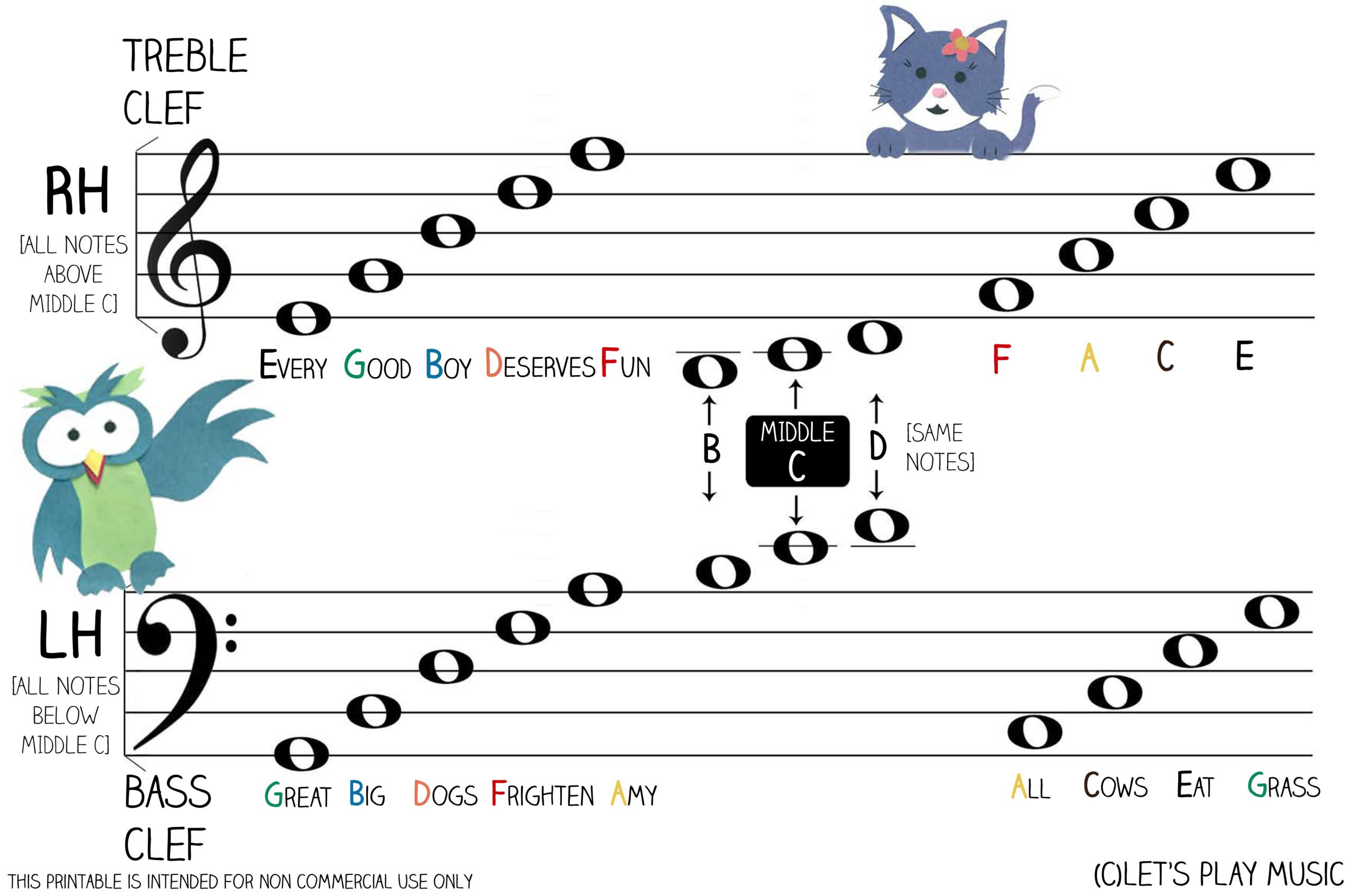
The educational landscape for music has been profoundly reshaped by apps that integrate AI and interactive features around the stave. Applications like Yousician, Simply Piano, and various music theory trainers utilize the stave to provide personalized learning experiences. These apps employ AI algorithms to listen to a user’s playing via a device’s microphone, providing instant feedback on pitch, rhythm, and timing against the notes displayed on the stave. They can adapt lessons based on a student’s progress, identify common errors, and suggest targeted exercises. For beginners, these tools simplify the complex visual information of the stave into digestible, gamified challenges, building foundational reading skills progressively. More advanced learners can use them for sight-reading practice, ear training exercises tied to stave notation, and even guided composition prompts, all centered around interactive engagement with the musical staff.
Digital Sheet Music and Performance Platforms
The traditional paper sheet music, with its printed staves, is steadily being replaced by digital alternatives. Apps like forScore and Newzik act as digital sheet music readers, allowing musicians to store, organize, annotate, and perform with thousands of scores on tablets or larger displays. These platforms offer functionalities far beyond static paper: easy transposition, automatic page turning (often via foot pedals), integrated metronomes, recording capabilities, and even the ability to link specific sections of a score to external resources or recordings. For performers, the digital stave becomes a dynamic guide, simplifying complex repertoire management and offering tools to enhance practice and live performance. Some advanced digital sheet music systems are even exploring augmented reality overlays, projecting the stave onto physical instruments or performance spaces, blurring the lines between the digital and physical worlds.
Gamification of Music Theory
Gamification techniques, often powered by AI and sophisticated algorithms, are increasingly being applied to music theory education, with the stave as a central element. Games designed to teach note recognition, rhythm, intervals, and chords use the stave as the primary interface. Players might race against the clock to identify notes on the stave, build chords, or complete rhythmic patterns. These interactive experiences make abstract music theory concepts tangible and enjoyable, motivating learners through immediate rewards and progress tracking. By framing learning as a game, these tools reduce intimidation and foster a deeper, more intuitive understanding of the fundamental principles represented on the musical staff, preparing students for more complex musical endeavors.
The Stave in Sound Synthesis and AI Composition
Beyond human-centric creation and education, the stave also plays an intriguing role in the cutting edge of sound synthesis and artificial intelligence-driven music composition, serving as a visual representation of algorithms and generated sonic structures.
Visualizing Musical Structure in AI Models
While AI models often process music as raw audio data or abstract numerical representations, the stave remains a crucial tool for human developers and researchers to interpret and refine the output of these systems. When an AI generates a melody or a harmonic progression, displaying it on a stave allows humans to quickly grasp its musicality, identify patterns, and understand its adherence to conventional (or unconventional) musical rules. Researchers might feed stave-notated music into a neural network for training, enabling the AI to learn specific compositional styles or instrumental voicings. Conversely, when an AI outputs a new piece, converting its generated data back into stave notation provides an invaluable bridge for human composers to analyze, edit, and integrate AI-generated ideas into their own work. The stave thus acts as a vital translation layer, making the complex internal workings and outputs of AI music systems accessible and understandable to the human musical mind.
Algorithmic Composition and Generative Music
Algorithmic composition, a precursor to modern AI music, often relies on sets of rules to generate musical sequences. These rules can dictate how notes are placed on a stave, how harmonies are constructed, or how rhythms evolve. Programmers design algorithms that can generate variations on a theme, create fugues, or even produce entire compositions based on predefined parameters related to pitch, duration, and instrumentation, all of which are ultimately rendered on a stave. Generative music systems take this further, often creating ever-evolving musical soundscapes. While the direct stave notation might not always be the primary output for these ambient or experimental pieces, the underlying principles of pitch relationships and temporal organization that the stave represents are fundamental to their design. Tools that visually represent these generative processes often use stave-like structures to show the real-time creation of melodies and harmonies, offering a visual window into the algorithmic magic.
Digital Preservation and Future Trends
The digital transformation of the stave extends to the realm of musical heritage preservation and anticipates exciting future developments. Technology ensures that music, in its notated form, remains accessible, adaptable, and a source of inspiration for generations to come.
Archiving and Global Access
Digital archives worldwide are undertaking massive efforts to digitize historical musical scores, converting millions of pages of analogue stave notation into searchable, shareable digital formats. Institutions like the International Music Score Library Project (IMSLP) have created vast online repositories of public domain sheet music, making countless scores accessible globally. This digital preservation protects fragile historical documents from degradation and democratizes access to musical heritage. Researchers, performers, and enthusiasts can now instantly retrieve, study, and perform works that were once locked away in obscure libraries. The stave, in its digital form, becomes a universal language understood across cultures and time, fostering a deeper appreciation and broader understanding of musical evolution.
Augmented Reality for Music
Looking ahead, augmented reality (AR) holds fascinating potential for how we interact with the stave. Imagine placing a tablet over a physical piano keyboard, and the notes of a piece appearing directly on the keys as you play, guiding your fingers. Or envision a conductor using AR glasses to see an overlay of an orchestral score, with cues and dynamic markings highlighted in real-time during a performance. AR could offer new ways to visualize complex musical structures, project holographic staves onto any surface, or even provide interactive, spatial learning environments where musical elements float around the user, allowing for intuitive manipulation. This blend of the digital stave with the physical world promises to create immersive learning and performance experiences.
Blockchain and Music Rights
Even in the nascent field of blockchain technology, the digital stave could play a role in securing intellectual property and managing music rights. While primarily focused on audio recordings, the underlying compositional rights represented by a notated score (the stave) are crucial. Blockchain could offer transparent, immutable records of compositional ownership, creation dates, and licensing agreements linked directly to digital stave files. This could streamline rights management, ensure fair compensation for composers, and provide an irrefutable history of a musical work’s genesis and usage. As music continues to evolve in a digital-first world, the stave, in all its technological manifestations, remains a steadfast symbol of musical thought, adapting and thriving with every innovation.
aViewFromTheCave is a participant in the Amazon Services LLC Associates Program, an affiliate advertising program designed to provide a means for sites to earn advertising fees by advertising and linking to Amazon.com. Amazon, the Amazon logo, AmazonSupply, and the AmazonSupply logo are trademarks of Amazon.com, Inc. or its affiliates. As an Amazon Associate we earn affiliate commissions from qualifying purchases.