
The allure of a state government job often stems from perceived stability, comprehensive benefits, and a sense of public service. However, understanding the true value and financial implications of such positions requires a deeper dive beyond these generalizations. A state government job represents a unique employment opportunity, offering a distinct blend of financial security, career development, and public contribution that can significantly impact an individual’s financial trajectory and overall well-being. This article will explore the multifaceted nature of state government employment, focusing on the financial advantages, diverse roles, and practical considerations for those looking to enter or advance within this sector.
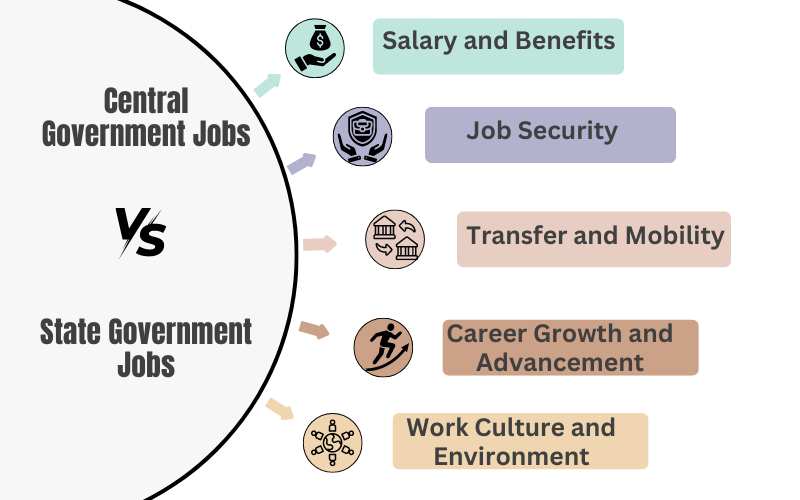
The Financial Landscape of State Government Employment
State government jobs are characterized by a structured compensation system designed to attract and retain talent while ensuring fiscal responsibility. This system often translates into tangible financial benefits for employees, making these positions attractive from a personal finance perspective.
Competitive Salaries and Salary Bands
While not always reaching the peak salaries found in some private sector industries, state government jobs typically offer competitive and predictable salary ranges. These ranges are usually determined by job classification, experience level, and the specific department or agency. The advantage here is transparency and fairness. Salary bands are often publicly accessible, allowing prospective employees to gauge potential earnings and plan their financial futures accordingly. Unlike the often-volatile salary structures in fast-paced private industries, state government salaries tend to be more consistent and less susceptible to market fluctuations.
Understanding Salary Structures and Advancement
State governments often employ structured pay scales or salary bands for different positions. These bands define the minimum and maximum salary an individual can earn in a particular role. Advancement within these bands is typically tied to performance reviews, acquisition of new skills, or the assumption of increased responsibilities. Understanding these structures is crucial for long-term financial planning. For example, knowing that a promotion or a performance increment could lead to a specific salary increase allows for more accurate budgeting and investment strategies. Furthermore, many state governments have defined processes for salary adjustments, often linked to cost-of-living increases or legislative appropriations, providing a predictable, albeit modest, annual financial growth.
Comprehensive Benefits Packages: A Cornerstone of Financial Security
One of the most significant financial draws of state government employment lies in its comprehensive benefits packages. These benefits often extend beyond salary and contribute substantially to an employee’s overall financial security and quality of life.
Retirement Pensions: A Guaranteed Income Stream
A hallmark of many state government jobs is the provision of defined-benefit pension plans. Unlike defined-contribution plans (like 401(k)s) where the final retirement amount depends on investment performance, a pension guarantees a specific monthly income for life after retirement, based on a formula that typically considers years of service and final salary. This provides an unparalleled level of retirement security, allowing individuals to plan for a stable and predictable income stream in their post-work years. For personal finance, a guaranteed pension significantly reduces the anxiety associated with retirement planning and the risk of outliving one’s savings.
Health Insurance: Protecting Your Financial Well-being
State governments are typically major providers of health insurance for their employees and, often, their dependents. These plans are usually robust, offering comprehensive coverage for medical, dental, and vision care. The financial implication here is substantial. By subsidizing a significant portion of health insurance premiums, state employers reduce a considerable monthly expense for their employees. This can translate into thousands of dollars saved annually, freeing up personal income for savings, investments, or other financial goals. Moreover, predictable and affordable healthcare access contributes to overall financial stability by mitigating the risk of catastrophic medical expenses.
Paid Time Off and Leave Policies: Balancing Work and Life
State government jobs often come with generous paid time off (PTO) policies, including vacation days, sick leave, and holidays. While seemingly a lifestyle benefit, PTO has direct financial implications. It allows employees to take time off without loss of income, supporting work-life balance and preventing burnout, which can indirectly impact productivity and earning potential. Furthermore, accumulated sick leave can sometimes be cashed out upon separation from employment, providing an additional, albeit often modest, financial bonus.
The Diverse Spectrum of State Government Roles and Their Financial Implications
State government employment encompasses a vast array of positions across numerous departments and agencies, each offering unique career paths and financial considerations. Understanding this diversity is key to finding a role that aligns with both personal interests and financial aspirations.
Professional and Administrative Roles
A significant portion of state government jobs falls into professional and administrative categories. These roles require specialized skills and education and can span fields like public administration, finance, human resources, IT, law, and policy analysis.
Financial Analysts and Budget Officers
Within state finance departments, roles like financial analysts and budget officers are critical. These professionals manage public funds, develop budgets, forecast revenue, and ensure fiscal accountability. The financial implications here are twofold: for the state, they are responsible for prudent financial management; for the individual, these roles often come with competitive salaries commensurate with their analytical and financial expertise, along with the opportunity to gain deep insights into public finance, which can be transferable to other financial sectors.
Human Resources and Payroll Specialists
Human resources and payroll specialists play a vital role in managing the state’s workforce, including salary administration, benefits management, and compliance with employment laws. Individuals in these roles often develop a keen understanding of compensation structures, retirement plans, and the financial aspects of employee benefits, making them well-equipped to manage their own finances and understand the value proposition of their state employment.
Public Service and Specialized Fields
Beyond administrative functions, state governments employ individuals in roles directly serving the public and in specialized fields essential to state operations.
Public Safety and Law Enforcement
Positions in public safety, such as state troopers, correctional officers, and emergency management personnel, are crucial to maintaining order and security. While these roles can be demanding and carry inherent risks, they often provide stable salaries, comprehensive health insurance, and robust retirement plans. The structured career progression and defined salary increases in these fields offer a predictable financial path.
Education and Healthcare Professionals
Many states operate public education systems and state-run healthcare facilities, employing a vast number of teachers, professors, nurses, doctors, and allied health professionals. These roles, while demanding, often offer competitive salaries, excellent benefits, and the satisfaction of contributing directly to public well-being. For individuals in these fields, the financial stability provided by state employment can be a significant advantage in managing personal finances and long-term investments.
Environmental and Natural Resource Management
State agencies responsible for environmental protection, parks, and natural resource management also provide numerous employment opportunities. These roles, from park rangers to environmental scientists, can offer a fulfilling career path for those passionate about conservation. Financially, these positions generally offer a stable income, good benefits, and the opportunity to contribute to a cause that aligns with personal values.
Navigating the Application and Career Progression for Financial Gain
Securing a state government job and maximizing its financial benefits involves understanding the application process and actively planning for career progression.
The Application Process: A Structured Approach to Opportunity
State government job applications are often more structured and bureaucratic than those in the private sector. This typically involves online application portals, detailed questionnaires, and often multiple interview rounds.
Understanding Merit-Based Hiring and Civil Service
Many state government positions are governed by civil service rules, emphasizing merit-based hiring and promotion. This means that selection is based on qualifications, experience, and demonstrated abilities, rather than personal connections. While this process can be thorough, it ensures a fair and transparent pathway to employment. For financial planning, understanding that your advancement is tied to your performance and qualifications, not favoritism, provides a sense of security and motivation.
Leveraging Your Qualifications for Higher Earning Potential
When applying for state government jobs, it’s crucial to accurately and comprehensively detail your qualifications, skills, and experience. Highlighting any relevant certifications, advanced degrees, or specialized training can directly impact your starting salary within the defined pay bands. For instance, a master’s degree in public administration might place you in a higher salary band for a management position compared to someone with only a bachelor’s degree.
Career Progression and Financial Growth
Once employed, actively pursuing career advancement within the state system can significantly enhance your financial standing.
Seeking Promotions and Lateral Moves
State governments often provide clear pathways for promotion to higher-level positions with increased responsibilities and corresponding salary increases. Additionally, lateral moves to different departments or agencies can offer opportunities to gain new skills and experiences, which can be leveraged for future promotions or higher earning potential. Understanding the internal job market and available opportunities is key to strategic career growth.
Continuous Learning and Skill Development
Investing in continuous learning and professional development is crucial for maximizing financial growth in any career, including state government. Pursuing further education, obtaining relevant certifications, or attending training programs can make you a more valuable employee, increasing your eligibility for promotions and higher salaries. Many state governments offer tuition reimbursement programs or professional development stipends, further supporting your financial investment in your career. By strategically leveraging these opportunities, individuals can ensure their state government job not only provides stability but also a robust and growing financial future.
aViewFromTheCave is a participant in the Amazon Services LLC Associates Program, an affiliate advertising program designed to provide a means for sites to earn advertising fees by advertising and linking to Amazon.com. Amazon, the Amazon logo, AmazonSupply, and the AmazonSupply logo are trademarks of Amazon.com, Inc. or its affiliates. As an Amazon Associate we earn affiliate commissions from qualifying purchases.